
Watching your dog struggle with loose stools, excessive gas, or vomiting is heartbreaking. You want relief for them, and you want a solution you can trust without second-guessing every ingredient label.
I’m Mo Mahin — the founder and writer behind Furric. I’ve spent countless hours analyzing veterinary nutritional guidelines, studying ingredient safety profiles, and reading real owner feedback to find what truly helps dogs with delicate digestion.
Through careful analysis of ingredients and veterinary guidance, I’ve found the best dog food for gi issues that truly calms sensitive stomachs.
How To Choose The Best Dog Food For Gi Issues
Selecting the right food for a dog with gastrointestinal sensitivity goes beyond grabbing a bag labeled “sensitive stomach.” You need to understand what triggers your dog’s symptoms and which ingredients actively support healing. Here are the key factors I evaluate before recommending any product.
Identify the Protein and Fat Source
Single novel proteins — turkey, venison, or fish — reduce the chance of triggering food sensitivities. Low fat content (under 10% dry matter) is critical for dogs with pancreatitis or fat malabsorption. Always check the guaranteed analysis and ingredient list for named protein sources.
Look for Digestive Aids and Prebiotics
Ingredients like pumpkin, coconut flour, chicory root, and fructo-oligosaccharides (FOS) provide soluble fiber that firms loose stools. Probiotic strains such as Enterococcus faecium and Bacillus coagulants help restore healthy gut flora. Avoid foods with artificial preservatives or excessive peas and legumes that can ferment and cause gas.
Consider Food Form and Texture
Wet or canned foods offer higher moisture content and are often easier to digest during flare-ups. Freeze-dried raw options retain enzymatic activity that aids breakdown. For long-term management, a limited-ingredient dry food with a single carbohydrate source like white rice or potatoes works well for many dogs.
Quick Comparison
On smaller screens, swipe sideways to see the full table.
| Model | Type | Best For | Key Feature | Amazon |
|---|---|---|---|---|
| Stella & Chewy’s Digestive Boost | Freeze-Dried Raw | All-life-stages digestive support | Papain enzymes, pumpkin, probiotics | Amazon |
| Hill’s Prescription Diet i/d | Veterinary Wet Food | Acute digestive upset recovery | ActivBiome+ prebiotic fiber blend | Amazon |
| Blue Buffalo Basics Turkey & Potato | Limited Ingredient Dry | Weight management with food sensitivities | Single protein, reduced-calorie formula | Amazon |
| Dave’s Bland Diet Chicken & Rice | Limited Ingredient Wet | Budget-friendly gentle transition diet | 6% crude fat, simple chicken and rice | Amazon |
| Best Paw Nutrition Probiotic Powder | Digestive Supplement | Adding probiotics to any existing diet | 5 billion CFU, FOS, pumpkin, turmeric | Amazon |
In-Depth Reviews
1. Stella & Chewy’s Freeze-Dried Raw Digestive Boost

This is not your average kibble with a probiotic sprinkle. Stella & Chewy’s Digestive Boost Morsels are built from the ground up to tackle loose stools, gas, and poor nutrient absorption. The formula combines coconut flour for insoluble fiber, pumpkin for soluble fiber, natural papain from papaya to aid protein breakdown, and multiple strains of probiotics and prebiotics. It’s a “whole prey” raw recipe using grass-fed beef, organic fruits, and zero artificial anything. The freeze-drying preserves enzymes that heat-processed foods destroy, giving your dog a head start on digestion with every meal.
Each 13-ounce bag delivers concentrated nutrition — you can feed it as a complete meal for all life stages or crumble it over kibble as a digestive topper. The morsels are lightweight and shelf-stable, so they travel well for dogs with sensitive stomachs who need consistency. Owners of picky eaters report that the beef flavor is highly palatable, and 95% of pet parents in internal studies saw firmer stools within days. The HPP safety step ensures raw nutrition without the pathogen risk.
If your dog struggles with chronic loose stools, intermittent vomiting, or simply doesn’t seem to absorb nutrients well from kibble, this is the single most effective non-prescription option I have found. The upfront cost for a 13-ounce bag is higher per pound than canned food, but the concentrated freeze-dried format means a little goes a long way. For the depth of digestive support packed into each morsel, this earns the top spot without hesitation.
Why we love it
- Three-pronged digestive approach: enzymes, prebiotics, and probiotics
- Versatile — complete meal, topper, or training treat
- Responsibly sourced beef with no hormones or antibiotics
Good to know
- More expensive per ounce than traditional kibble
- Must be handled and stored like raw product
- Some dogs need a slow transition due to high enzyme content
2. Hill’s Prescription Diet i/d Digestive Care Wet Food

Hill’s Prescription Diet i/d is the food your veterinarian reaches for when a dog comes in with acute gastroenteritis, diarrhea, or post-surgical digestive stress. The 12.5-ounce cans of Chicken & Vegetable Stew deliver a highly digestible formula fortified with ActivBiome+ — a proprietary blend of prebiotic fibers clinically shown to rapidly activate the gut microbiome. This is not a trendy ingredient list; it’s a therapeutic tool backed by decades of clinical nutrition research at Hill’s pet nutrition centers.
Every serving provides elevated levels of B vitamins and electrolytes to replenish what your dog loses during vomiting or diarrhea. Omega-3 and omega-6 fatty acids support the intestinal lining and help reduce inflammation. The S+OXSHIELD technology also promotes a urinary environment that discourages crystal formation, which matters for dogs on long-term digestive care. The stew texture is easy to lap up, making it ideal for dogs who have lost their appetite or have dental pain alongside their GI trouble.
This is a prescription diet, so you’ll need a veterinarian’s approval. That’s actually a strength — it means your dog’s specific condition has been evaluated before starting this food. For dogs with chronic pancreatitis, inflammatory bowel disease, or recurrent dietary indiscretion, Hill’s i/d is the gold standard. It costs more than grocery-store brands, but the clinical effectiveness and the fact that it’s the number one vet-recommended therapeutic food in the US make it worth every penny.
Why we love it
- Clinically proven to settle acute digestive upset
- Electrolytes and B vitamins replace losses from diarrhea or vomiting
- Backed by decades of veterinary nutritional science
Good to know
- Requires a veterinary prescription
- Chicken-based, not suitable for chicken-allergic dogs
- Higher price point reflects therapeutic formulation
3. Blue Buffalo Basics Skin & Stomach Care Turkey & Potato

When your dog has both a sensitive stomach and a tendency to pack on pounds, Blue Buffalo Basics Turkey & Potato hits both targets. This limited-ingredient dry food uses a single animal protein — real turkey — with potatoes and peas as gentle carbohydrate sources. There is no chicken, beef, corn, wheat, soy, dairy, or eggs, making it a strong candidate for elimination diets. The inclusion of pumpkin adds gentle soluble fiber to help normalize stool consistency without causing loose stools in dogs who are prone to them.
The formula is naturally reduced in calories from fat, supporting weight maintenance while still providing complete and balanced adult nutrition. Each bag contains LifeSource Bits — a cold-formed blend of antioxidants, vitamins, and minerals selected by holistic veterinarians and animal nutritionists. These bits survive the extrusion process intact, delivering immune support with every bowl. Owners of dogs with chronic ear infections or itchy skin alongside GI issues often report that the switch to this formula clears up both problems simultaneously.
This is an excellent long-term maintenance food for adult dogs who need steady, predictable nutrition without surprises. The 24-pound bag feeds a 50-pound dog for about a month, making it a mid-range option that balances quality and economy. If your dog is overweight, has food sensitivities, and needs a kibble that won’t trigger digestive flare-ups, this is the most practical choice on the list.
Why we love it
- Single turkey protein source with no common allergens
- Reduced-calorie formula supports healthy weight
- LifeSource Bits add targeted antioxidant support
Good to know
- Contains peas and potatoes — some dogs react to legumes
- Dry kibble may be too hard for seniors with dental issues
- Not designed for acute digestive flare-ups; better for maintenance
4. Dave’s Pet Food Bland Diet Chicken & Rice
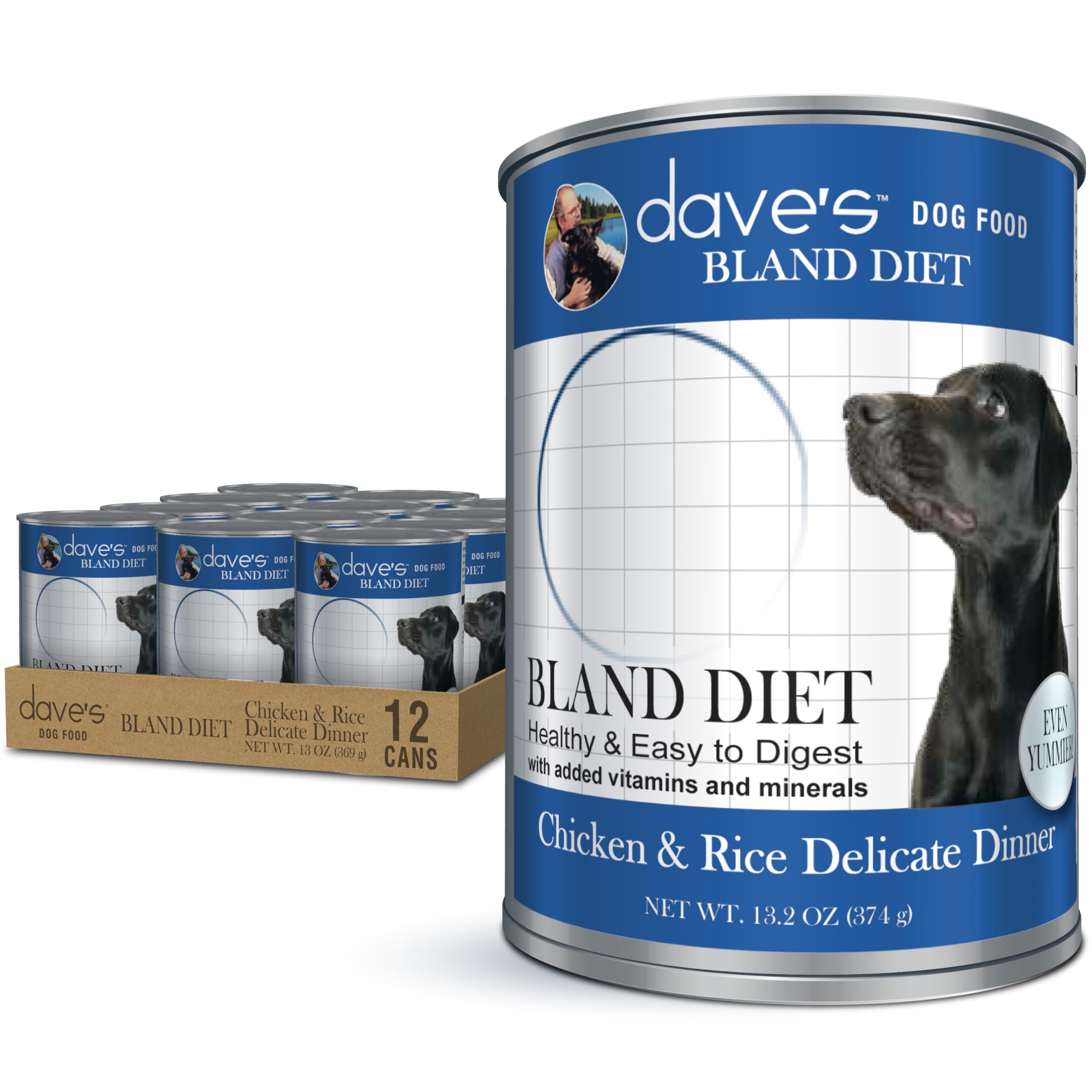
Dave’s Bland Diet is exactly what it sounds like — a simple, gentle chicken and white rice recipe designed to calm an upset stomach without breaking the bank. With only 6% crude fat, it is one of the lowest-fat complete and balanced wet foods available over the counter. This makes it a safe choice for dogs recovering from pancreatitis, dietary indiscretion, or post-vaccination queasiness. The pate texture is soft and easy to chew, ideal for seniors or small breeds with dental pain.
Each case contains twelve 13.2-ounce cans, providing enough food for a multi-day transition or a full weekly feeding cycle for smaller dogs. The ingredient list is refreshingly short: chicken, white rice, essential vitamins, and minerals — no wheat, gluten, artificial flavors, or colors. Dave’s has sold over five million cans, and the company is a small Utah-based business that prioritizes quality over marketing hype. Many veterinarians recommend this as an affordable alternative to prescription bland diets for mild GI upset.
This food is complete and balanced for adult maintenance, so you can feed it long-term or use it during a 7-to-10-day dietary reset. The mild chicken aroma encourages picky eaters to eat, and the soft texture makes it easy to hide powdered medications. If your dog has intermittent soft stools and you want a reliable, low-cost option that you can keep on hand for emergencies, Dave’s is the smart play.
Why we love it
- Ultra-low fat content safe for pancreatitis recovery
- Simple, short ingredient list reduces trigger risks
- Excellent value per can compared to prescription bland diets
Good to know
- Not suitable for dogs with chicken allergy
- Pate texture may not appeal to dogs who prefer chunks
- Not a novel protein diet — chicken is a common allergen
5. Best Paw Nutrition Probiotic Prebiotic & Digestive Enzymes
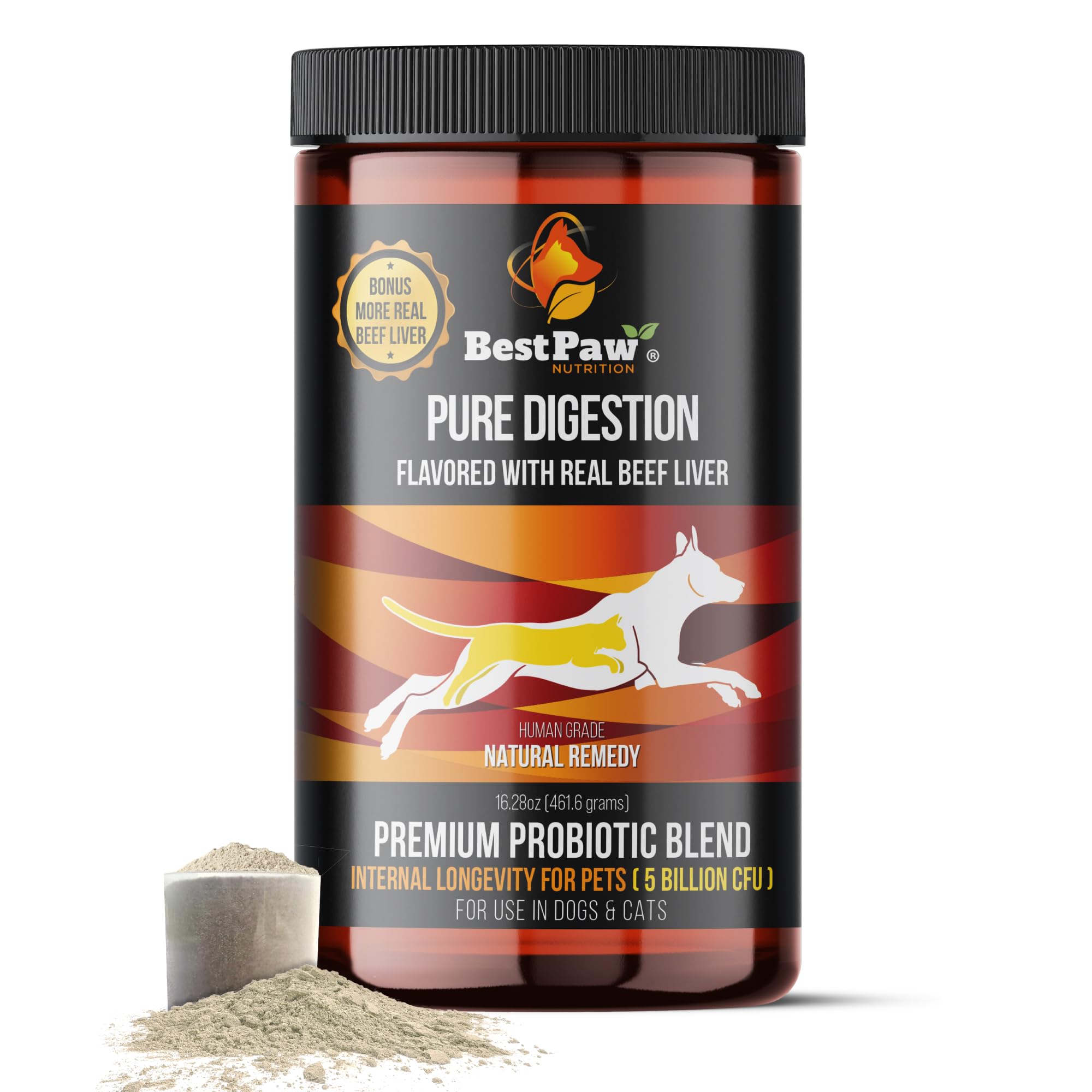
This is a targeted probiotic and digestive enzyme supplement — not a food — but it deserves a place on this list because it transforms how well your dog processes whatever food you choose. Best Paw Nutrition’s formula delivers 5 billion CFU of probiotics per scoop, alongside a digestive enzyme blend (PetCarnizyme), organic coconut oil, Atlantic kelp, FOS prebiotics, pumpkin powder, turmeric, and beef liver for palatability. The powder format means you sprinkle it over your dog’s existing food, making it an easy addition even for the pickiest eaters.
Many dog parents use this to firm up loose stools, reduce gas, combat bad breath, and support anal gland function. The inclusion of turmeric and organic coconut oil provides anti-inflammatory and immune-supporting benefits that go beyond basic gut health. For dogs on antibiotics, this supplement helps regenerate beneficial bacteria that medications wipe out. The beef liver flavor is highly appealing, so you won’t have to wrestle your dog to take it.
This is the ideal companion to any of the foods above. If your dog is already eating a quality diet but still has occasional loose stools or excessive gas, adding this probiotic powder often resolves the issue within a week. It is also a cost-effective way to support a dog with mild digestive sensitivity without switching foods. Use it alongside Dave’s Bland Diet during recovery, or add it to Blue Buffalo Basics for extra digestive insurance. It works for both dogs and cats, making it a multi-pet household staple.
Why we love it
- High 5 billion CFU count with prebiotic FOS for gut flora support
- Anti-inflammatory turmeric and coconut oil add systemic benefits
- Palatable beef liver flavor — no struggle to administer
Good to know
- Not a complete food — must be added to a meal
- Some dogs need a few days to adjust to the enzyme blend
- Powder must be stored in a cool, dry place to maintain potency
Safety & Care Tips
Transition Foods Slowly
Even the best Dog Food For Gi Issues will cause problems if introduced too quickly. Start with a 25% new food to 75% old food ratio for two days, then 50/50 for two days, then 75/25, then fully switch. For dogs with extremely sensitive stomachs, stretch the transition over 10 to 14 days. Adding a probiotic powder like Best Paw Nutrition during the switch can reduce the risk of loose stools.
Monitor Stool Consistency and Behavior
Keep a simple log of your dog’s stool quality — firmness, color, frequency — during the first two weeks of any new diet. Note any vomiting, excessive gas, or changes in energy level. If diarrhea persists beyond 48 hours or your dog becomes lethargic, contact your veterinarian immediately. Some GI issues require diagnostic testing to rule out parasites, bacterial overgrowth, or inflammatory bowel disease before diet alone can resolve them.
FAQ
What ingredients should I look for in a dog food for GI issues?
Is wet food better than dry food for dogs with digestive problems?
Do I need a veterinary prescription for Hill’s i/d Digestive Care?
Can I use a probiotic supplement alongside any of these dog foods?
Final Thoughts: The Verdict
For most pet parents, the best dog food for gi issues winner is the Stella & Chewy’s Freeze-Dried Raw Digestive Boost because it combines enzymes, prebiotics, and probiotics in a versatile raw format that works for all life stages. If you want clinically proven veterinary support, grab the Hill’s Prescription Diet i/d. And for managing weight alongside food sensitivities, nothing beats the Blue Buffalo Basics Turkey & Potato.