
Watching your dog struggle with a protein losing enteropathy diagnosis is one of the hardest experiences a pet parent can face. You want to support their gut, stop the diarrhea, and see their energy return, but the wrong kibble can set everything back. I know that stress intimately, and I built this guide to give you a clear, vet-aligned path forward.
I’m Mo Mahin — the founder and writer behind Furric. I’ve spent years analyzing veterinary nutritional standards and digging into real owner feedback to find what truly works for complex digestive conditions.
After extensive research, I’ve curated the top choices for the best dog food for protein losing enteropathy that satisfy strict low-fat, highly digestible protocols.
How To Choose The Best Dog Food For Protein Losing Enteropathy
Selecting a diet for a dog with PLE isn’t about grabbing the first sensitive stomach formula you see. The condition involves the abnormal loss of proteins into the gut, which requires a precise nutritional strategy. Here are the three non-negotiable factors I evaluate before recommending any food for this condition.
Low Fat is Non-Negotiable
PLE is frequently associated with lymphangiectasia, where the lymphatic system becomes dilated and leaks protein. Dietary fat directly enters this system, so high fat levels can worsen the leakage and trigger severe diarrhea. Look for foods with guaranteed low crude fat levels, ideally under 8-10% on a dry matter basis, to reduce the workload on your dog’s compromised digestive system.
Protein Source & Hydrolysis
The protein in your dog’s food must be both highly digestible and unlikely to provoke an immune response. Hydrolyzed proteins are broken down into tiny particles that the immune system doesn’t recognize as allergens, making them ideal for inflamed guts. If a hydrolyzed diet isn’t feasible, a single novel protein source can be an alternative, but it carries a higher risk of reaction.
Fiber & Digestibility
Fiber plays a dual role in PLE management: it helps form solid stools and acts as a prebiotic to feed healthy gut bacteria. Ingredients like prebiotic blends (FOS, MOS), psyllium, and pumpkin are beneficial. However, the base ingredients must be highly digestible. White rice often replaces grains or potatoes because it provides easy energy without adding complex fibers that can irritate a sensitive bowel.
Quick Comparison
On smaller screens, swipe sideways to see the full table.
| Model | Type | Best For | Key Feature | Amazon |
|---|---|---|---|---|
| Royal Canin HP | Dry Kibble | Hypoallergenic Care | Hydrolyzed soy protein | Amazon |
| Hill’s i/d Low Fat | Wet Stew | Digestive Recovery | ActivBiome+ technology | Amazon |
| Royal Canin GI LF | Dry Kibble | Daily Low Fat | Prebiotic fiber blend | Amazon |
| KOHA Bland Diet | Wet Food | Limited Ingredients | No fillers or preservatives | Amazon |
| Dave’s Bland Diet | Wet Pate | Budget-Friendly | Guaranteed 6% crude fat | Amazon |
In-Depth Reviews
1. Royal Canin HP Hypoallergenic Hydrolyzed Protein Dog Food
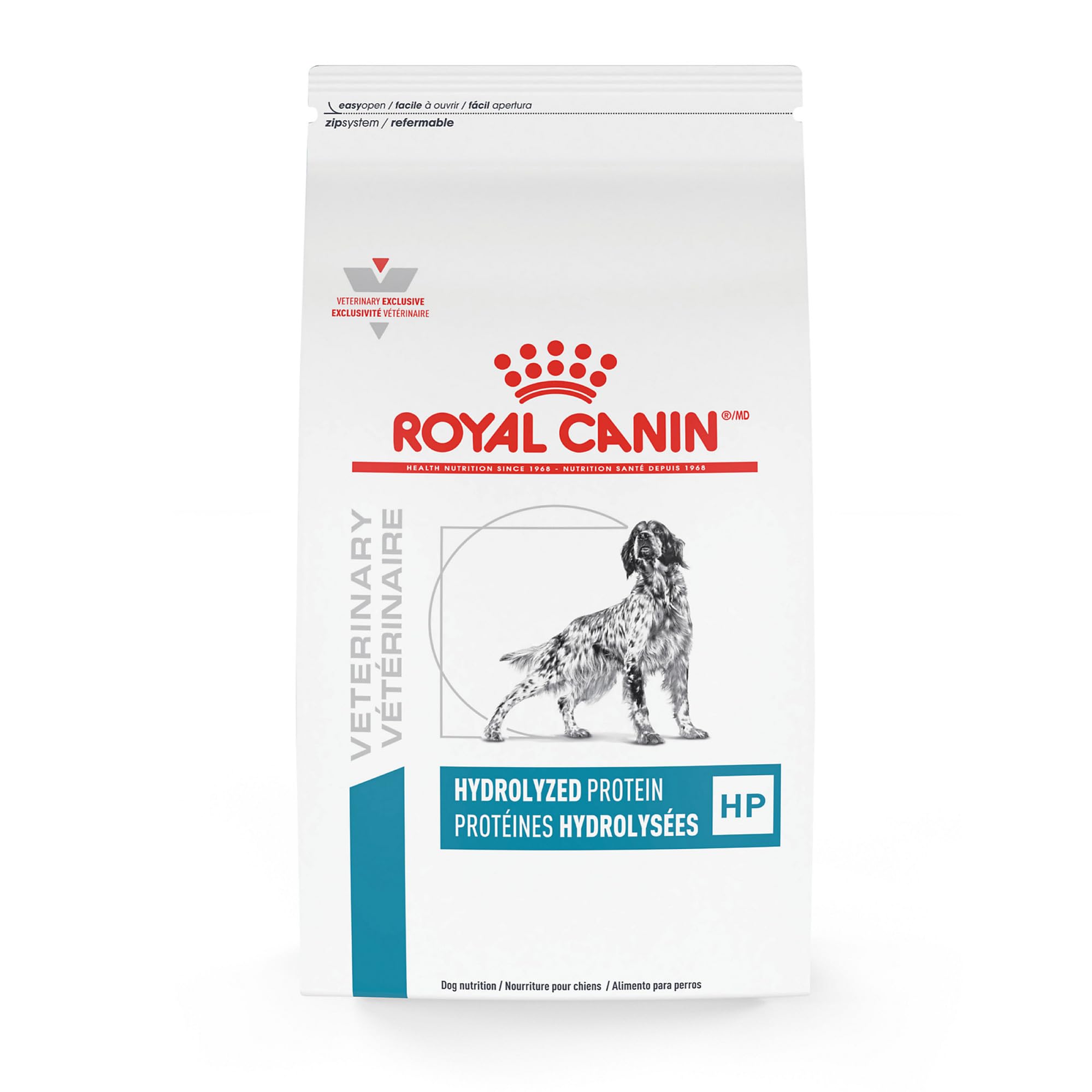
PLE demands a diet that’s both incredibly gentle and precisely formulated, and Royal Canin HP delivers exactly that. The hydrolyzed soy protein ensures the immune system doesn’t react, which is often the underlying trigger for GI inflammation. This isn’t just a sensitive stomach food; it’s a targeted therapeutic tool.
The low molecular weight peptides are absorbed without triggering an allergic response, giving the damaged gut lining a real chance to heal. Plus, the blend of EPA and DHA supports this repair from a cellular level. It’s a veterinary-exclusive formula, meaning your vet specifically trusts it for complex cases like PLE. Many rescue parents managing chronic GI cases keep this as their gold standard.
If your PLE dog needs a reliable, long-term management solution that tackles the root of the inflammation, this is the gold standard. It provides peace of mind that the protein source won’t add more fuel to the fire.
Why we love it
- Hydrolyzed protein for minimal allergen risk
- Precise, guaranteed low fat content
- Supports skin barrier and digestive health
Good to know
- Requires a veterinary prescription
- Premium price point compared to OTC diets
2. Hill’s Prescription Diet i/d Low Fat Digestive Care

For dogs with PLE who also struggle with appetite, this stew-style wet food from Hill’s is often the go-to recommendation. It provides the low-fat content required while maximizing palatability, making it easier to ensure your dog is getting enough calories without upsetting their system.
The ActivBiome+ ingredient technology is a standout feature, specifically designed to rapidly activate beneficial gut bacteria. This isn’t just about settling the stomach; it’s about rebuilding a healthy microbiome. The omega-3s help lower blood fat levels, which is critical for PLE patients. Feline enthusiasts managing multi-pet households often find the stew texture easy to serve and highly accepted.
A fantastic option for dogs who need a highly digestible, low-fat wet food with the clinical backing of Hill’s extensive research. It is a powerhouse for recovery.
Why we love it
- Incredibly palatable for picky dogs
- ActivBiome+ technology supports microbiome health
- Clinically proven low fat formula
Good to know
- Price per can can be high for continuous use
- Requires veterinary prescription
3. Royal Canin Veterinary Diet Gastrointestinal LF Low Fat
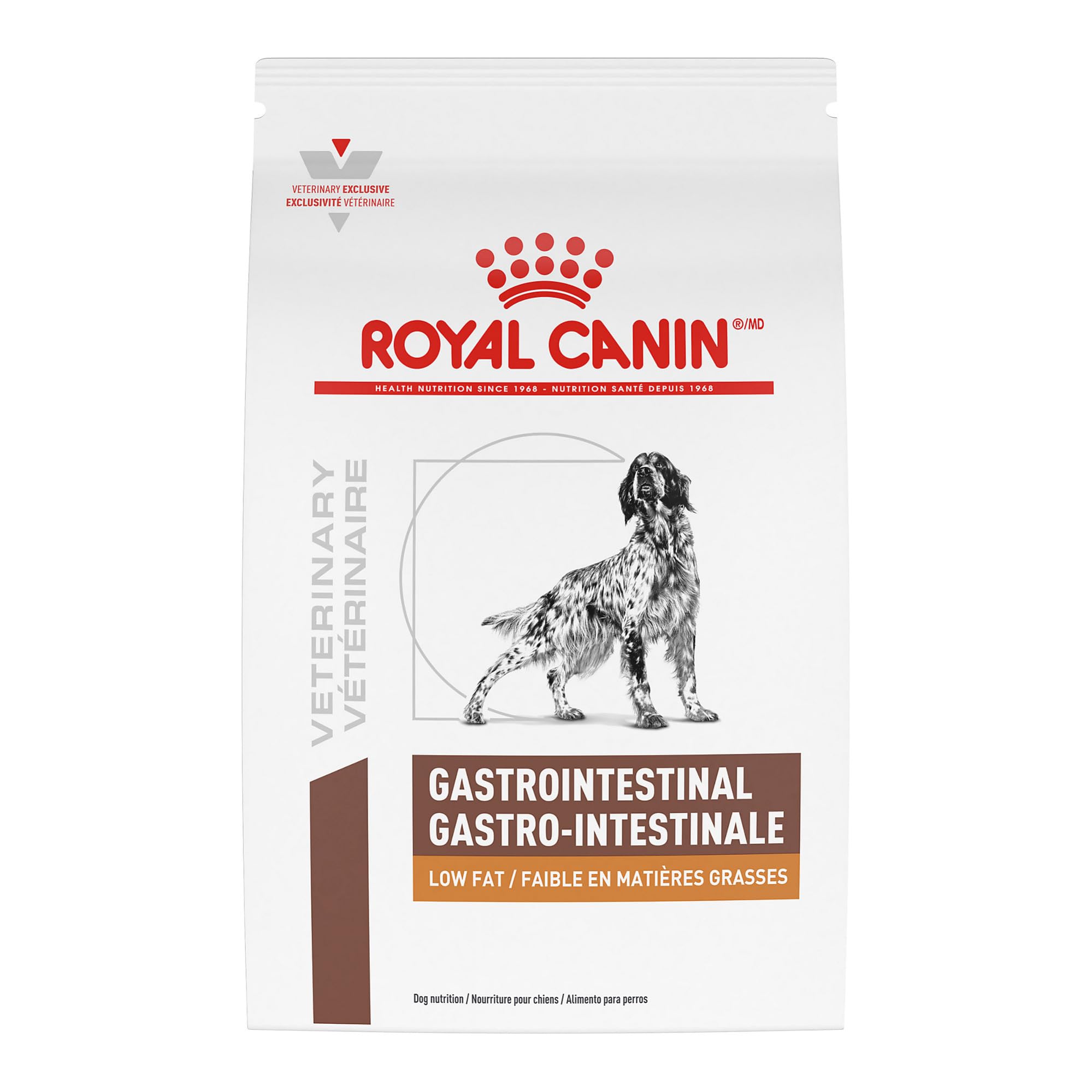
This is the specialized dry kibble companion for managing digestive issues that demand a low-fat approach. It’s a staple in the veterinary world for good reason, balancing clinical nutrition with everyday convenience for busy dog parents.
The blend of prebiotics (MOS, FOS, psyllium) helps balance the gut flora, which is often disrupted in PLE. The highly digestible proteins and precise fiber blend ensure optimal stool quality. It’s designed to be flavorful, which helps when picky PLE dogs need to maintain their calorie intake. Busy dog moms appreciate that it can be left out for grazing without spoiling, unlike wet food.
A trusted, science-backed dry food option that provides the low-fat, high-fiber nutrition needed for long-term GI stability. It pairs perfectly with the wet version for added variety.
Why we love it
- Long-standing reputation in veterinary clinics
- Excellent fiber blend for stool quality
- Highly palatable for picky appetites
Good to know
- Contains wheat, which may be a concern for some dogs
- Requires veterinary prescription
4. KOHA Limited Ingredient Bland Diet for Dogs

When your vet prescribes a bland chicken and rice diet, KOHA takes the cooking and guesswork entirely out of your hands. It’s a convenient, pure, limited-ingredient wet food that respects the core principles of gentle nutrition for a sick gut.
With only chicken, white rice, and pumpkin, this formula eliminates the variable ingredients that can cause flare-ups. It’s pea-free, potato-free, and additive-free, which aligns perfectly with the needs of a PLE dog who needs a predictable diet. It’s sold in over 5,000 vet clinics and pet stores, which shows the professional trust behind the brand. This is a godsend for owners who don’t have the time or energy to cook bland diets from scratch.
An excellent, budget-friendlier option for PLE maintenance or post-flare recovery, though it lacks the specific hydrolyzed proteins of a strict veterinary diet.
Why we love it
- Simple, transparent ingredient list
- No prescription required for purchase
- Convenient, no cooking needed
Good to know
- Single chicken protein may not suit all PLE dogs
- Fat content isn’t as strictly regulated as prescription diets
5. Dave’s Pet Food Bland Diet for Dogs
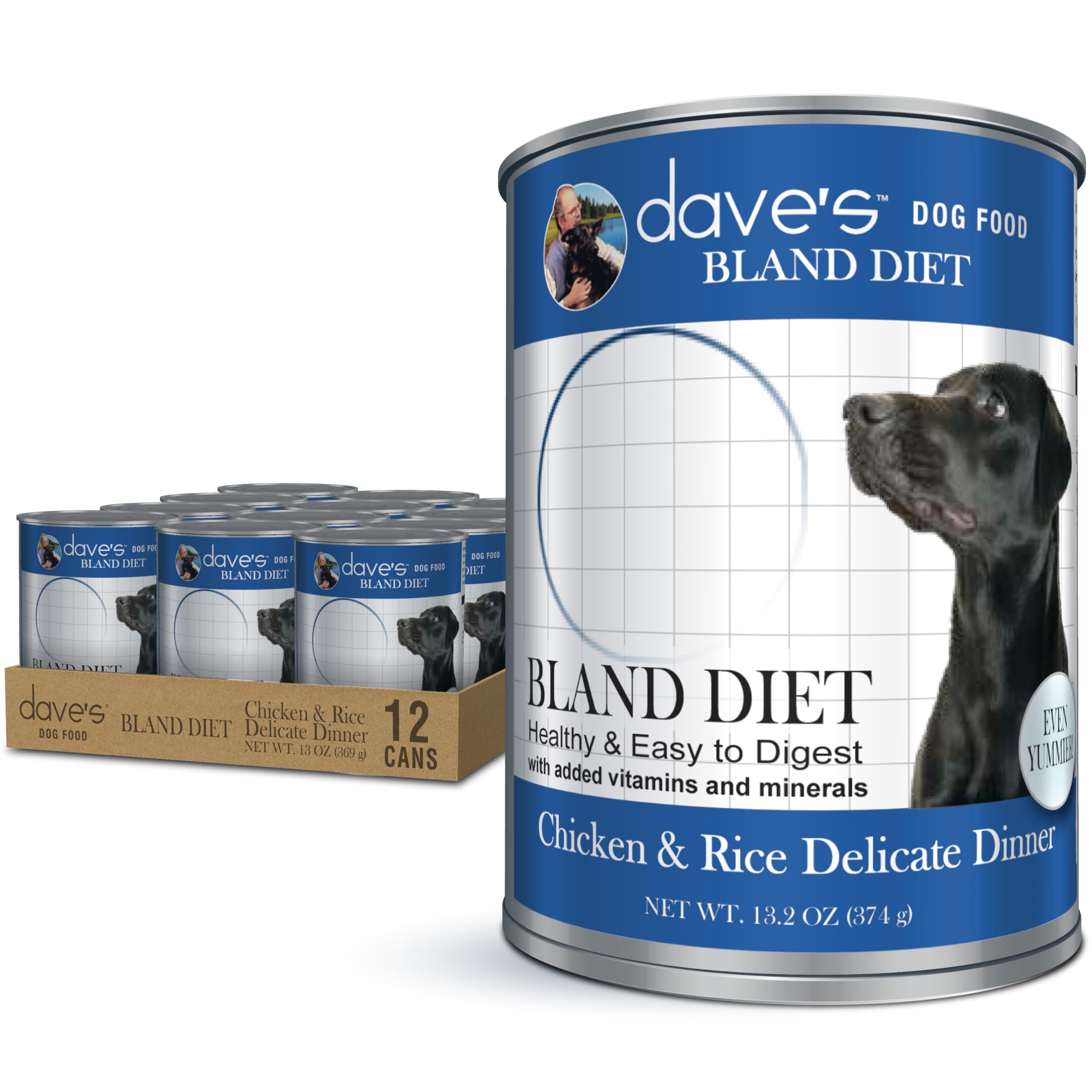
Dave’s has quietly become a trusted name for pet owners managing chronic digestive issues. This bland diet is a low-fat, limited-ingredient pate that’s remarkably affordable, proving you don’t have to break the bank to provide quality care for a PLE dog.
With a guaranteed 6% crude fat, it’s explicitly formulated for gentle digestion. The pate texture is fantastic for senior dogs or those recovering from surgery who need to eat easily. It’s AAFCO-compliant for adult maintenance, meaning it’s safe for long-term feeding, unlike some temporary bland diets. Aquarium hobbyists and multi-dog households often stock this in bulk because it solves so many digestive “whoopsies” safely.
For the price point, this is a highly effective, low-fat maintenance diet that doesn’t compromise on ingredient quality. A solid backup or primary option for PLE management.
Why we love it
- Very affordable per can
- Guaranteed low 6% crude fat content
- Easy-to-eat pate texture for seniors
Good to know
- Chicken-based formula (common protein allergen)
- Less sophisticated gut microbiome support than prescription lines
Safety & Care Tips
The Slow Transition Method
Switching foods too quickly can trigger a severe flare-up in a PLE dog. Always transition over a 7 to 10 day period, mixing 25% new food with 75% old food for the first few days, then gradually increasing the proportions. If you see a return of soft stool or vomiting, pause the transition and consult your veterinarian.
Monitoring Stool & Symptoms
Keep a daily log of your dog’s stool consistency, appetite, and energy levels. PLE is a condition that requires constant vigilance. A sudden return to diarrhea or the appearance of swelling in the limbs or under the chin (edema) indicates a drop in protein levels and requires immediate veterinary attention.
FAQ
What is protein losing enteropathy in dogs?
Can I treat PLE with diet alone?
Is hydrolyzed protein necessary for every PLE dog?
Final Thoughts: The Verdict
For most pet parents managing this complex condition, the clear winner in the best dog food for protein losing enteropathy category is the Royal Canin HP Hypoallergenic Hydrolyzed Protein because it addresses the root cause of gut inflammation with precision. If you want a highly palatable wet food backed by cutting-edge microbiome research, grab the Hill’s i/d Low Fat Digestive Care. And for a reliable, budget-friendly maintenance option, nothing beats the simplicity of KOHA’s Limited Ingredient Bland Diet.