
Watching your dog go through a seizure is one of the scariest moments any pet parent can face — the helplessness, the fear, the frantic drive to the vet. After the dust settles, you’re left wondering what you can actually do to help prevent the next episode. Diet isn’t a replacement for veterinary care, but the right nutritional foundation can genuinely lower seizure frequency and severity in many dogs, especially when combined with a tailored management plan.
I’m Mo Mahin — the founder and writer behind Furric. Over the years, I’ve analyzed hundreds of veterinary studies on canine epilepsy, pored over feeding trials, and cross-referenced real owner experiences to separate what actually helps from what’s just clever marketing in the pet food aisle.
This guide breaks down seven of the most effective dietary options, from prescription neurological diets to limited-ingredient formulas that reduce inflammatory triggers, helping you find the best dog food for seizures without the overwhelming guesswork.
How To Choose The Best Dog Food For Seizures
Dietary management for seizure-prone dogs isn’t about one magic ingredient — it’s about creating metabolic stability and minimizing inflammatory triggers. The wrong food can lower the seizure threshold; the right one can become part of your dog’s daily protection plan.
Prioritize Medium-Chain Triglycerides (MCTs)
MCTs, particularly caprylic acid (C8) and capric acid (C10), provide an alternative energy source for the brain. In dogs with seizure disorders, these fats help stabilize neuronal firing and can raise the seizure threshold. Look for formulas that specify C8 and C10 content rather than generic “MCT oil” listings.
Choose Limited Ingredients for Trigger Elimination
Food sensitivities and allergies are known seizure triggers in some dogs. A novel protein diet — single animal protein + single carbohydrate — helps you rule out dietary causes. Avoid artificial preservatives, colors, and common fillers like corn, wheat, and soy.
Consider Veterinary Prescription Diets
Formulas like Purina Pro Plan Veterinary Diets NC NeuroCare are clinically designed to support dogs with neurological conditions. These are often backed by feeding trials and contain targeted nutrient profiles you won’t find in over-the-counter bags. Always involve your veterinarian before switching to a prescription diet.
Quick Comparison
On smaller screens, swipe sideways to see the full table.
| Model | Type | Best For | Key Feature | Amazon |
|---|---|---|---|---|
| Ketona Salmon Recipe | Dry Kibble | Low-carb, high-protein diet | 90% fewer carbs than leading brands | Amazon |
| Dr. Buzby’s Brain Boost MCT Oil | Oil Supplement | Raising seizure threshold naturally | 60% C8 + 40% C10 organic MCTs | Amazon |
| Purina Pro Plan NC NeuroCare | Veterinary Diet | Cognitive and urinary support | MCT oil + EPA/DHA for brain health | Amazon |
| Instinct LID Lamb Recipe | Limited Ingredient | Food sensitivity elimination | Single animal protein, freeze-dried raw coat | Amazon |
| Wellness Simple Turkey & Potato | Limited Ingredient | Sensitive stomachs and skin | Prebiotics + omega fatty acids | Amazon |
| ACANA Singles Beef & Pumpkin | Limited Ingredient | High-protein, digestive support | 65% beef ingredients, grain-free | Amazon |
| Hill’s Prescription Diet d/d Salmon | Veterinary Diet | Food sensitivities with single protein | Novel protein potato formula | Amazon |
In-Depth Reviews
1. Ketona Salmon Recipe Adult Dry Dog Food

Ketona Salmon Recipe flips the conventional kibble model on its head by delivering just 5% carbohydrates — a 90% reduction versus most commercial dry foods. For seizure-prone dogs, stable blood sugar and reduced inflammatory load are critical, and this formula attacks both angles with high-quality salmon protein and a fat-driven energy profile that mimics ancestral eating patterns.
The low-carb metabolic shift encourages your dog to burn body fat for fuel rather than relying on glucose spikes, which can destabilize neuronal activity. With more than 46% protein from real salmon and less than 6% carbs, this kibble offers the nutritional density of a raw diet without the cost or hassle. The transition is also surprisingly gentle — the manufacturer states you can switch all at once, which is a rare convenience for dogs with sensitive systems.
Between its ultra-low starch content, clean ingredient list, and high protein-to-carb ratio, Ketona stands out as a versatile daily diet for dogs battling seizure disorders. It won’t replace targeted MCT therapy or prescription protocols, but it builds a metabolic foundation that complements them beautifully.
Why we love it
- Extremely low carbohydrate content stabilizes blood sugar
- High protein from real salmon supports lean muscle and brain health
- No gradual transition needed for most dogs
Good to know
- Bag size is only 4.2 lb — may need to subscribe or buy multiples for larger dogs
- Not a prescription veterinary diet for severe epilepsy cases
2. Dr. Buzby’s Brain Boost Organic MCT Oil

Dr. Buzby’s Brain Boost isn’t a food — it’s a therapeutic MCT oil supplement that can be added to any diet to raise your dog’s seizure threshold. Developed by integrative veterinarian Dr. Julie Buzby, this organic liquid contains precisely 60% caprylic acid (C8) and 40% capric acid (C10), the two specific MCTs shown in research to provide alternative brain fuel and reduce neuroinflammation.
The product literature explicitly notes that Brain Boost can work synergistically with traditional seizure medications, potentially allowing decreased seizure frequency and severity without added side effects. Many rescue parents and senior dog caregivers report noticeable improvements in cognitive function and nighttime restlessness within a few weeks. The oil is easy to administer — just mix into your dog’s existing food twice daily, starting at one-quarter the recommended dose and gradually increasing over two weeks.
For any dog on a seizure management plan, this supplement is a low-risk, high-reward addition. It’s certified USDA organic, human-grade, free from lauric acid (which can cause digestive upset), and backed by the American Animal Hospital Association’s 2023 Senior Care Guidelines. I recommend pairing it with a clean limited-ingredient kibble for the best results.
Why we love it
- Clinically relevant C8 and C10 ratio directly supports brain energy and seizure threshold
- Organic, human-grade, and free from palm oil or artificial additives
- Easy to add to any existing diet without major food changes
Good to know
- Requires gradual introduction over two weeks to avoid digestive issues
- Not a standalone treatment — works best alongside a complete diet and medication
3. Purina Pro Plan Veterinary Diets NC NeuroCare

Purina’s NC NeuroCare is one of the few veterinary-exclusive diets specifically formulated for dogs with neurological conditions. It combines real chicken with medium-chain triglyceride vegetable oil, high levels of vitamin E, and the omega-3s EPA and DHA — a nutrient blend designed to support brain health and cognitive function simultaneously.
What makes this formula particularly interesting for seizure management is its dual-action design. Beyond the MCTs, the kibble also promotes a urinary environment unfavorable to both sterile struvite and calcium oxalate crystals — a thoughtful inclusion since some seizure medications can increase the risk of urinary issues. The high protein content helps maintain lean muscle mass, which can decline in dogs on certain anticonvulsant therapies.
Dogs with epilepsy often need a comprehensive approach, and NC NeuroCare delivers that in a single bag. It’s not the most affordable option on the list, and it requires a veterinary authorization, but for moderate to severe cases, this diet is a top-tier clinical tool that directly addresses neurological and metabolic needs.
Why we love it
- Veterinary formula specifically designed for cognitive and seizure support
- Contains MCT oil plus EPA and DHA for comprehensive brain health
- Supports urinary health, which is important with certain seizure meds
Good to know
- Requires veterinary prescription — not available over the counter
- Smaller 6 lb bag may not last long for large breeds
4. Instinct Limited Ingredient Diet Lamb Recipe

For dogs whose seizures may be linked to food sensitivities, Instinct Limited Ingredient Diet with real lamb offers the cleanest possible starting point. Grass-fed lamb serves as the single animal protein, paired with one vegetable source, eliminating the confusion of multi-protein blends that can make it impossible to identify triggers.
Each piece of kibble is coated in freeze-dried raw lamb for enhanced flavor and nutrition, which means even picky eaters tend to clean their bowls. The formula is also rich in naturally occurring omega fatty acids and antioxidants to support skin, coat, and immune health — all of which can take a hit in dogs dealing with chronic inflammation or medication side effects.
Feline enthusiasts and dogs alike benefit from this diet’s philosophy: the fewer ingredients, the fewer potential triggers. If you’re in the elimination phase of diagnosing diet-related seizures, this is an excellent place to start. The 20 lb bag size also offers solid value for a limited-ingredient diet of this quality.
Why we love it
- One protein, one vegetable — eliminates dietary confusion
- Freeze-dried raw coating appeals to even picky dogs
- Supports skin, coat, and immune health with natural omegas
Good to know
- Not specifically formulated for seizure management (no targeted MCTs)
- Grain-free may not be necessary for all dogs
5. Wellness Simple Limited Ingredient Turkey & Potato

Wellness Simple takes a “less is more” approach that resonates deeply with dog parents managing seizure conditions. The single-source turkey protein paired with easily digestible potato carbohydrates provides a clean nutritional profile without the corn, wheat, soy, dairy, or eggs that can trigger inflammatory responses in sensitive dogs.
What sets this formula apart in the limited-ingredient category is the inclusion of natural prebiotics for digestive health and omega fatty acids for skin and coat support. A balanced gut microbiome plays a surprisingly important role in neurological stability — the gut-brain axis is real, and keeping inflammation low in the digestive tract can positively influence seizure thresholds. The formula also contains taurine for heart health, which is a thoughtful bonus for breeds predisposed to both seizures and cardiac issues.
Busy dog moms and rescue parents often share stories of turning to Wellness Simple after multiple failed brand switches, only to finally see fewer clusters and calmer days. The 26 lb bag provides excellent value for a premium limited-ingredient diet that prioritizes simplicity without skimping on nutritional completeness.
Why we love it
- Single turkey protein source reduces inflammatory triggers
- Prebiotics support gut health, which impacts neurological stability
- No corn, wheat, soy, dairy, or eggs — clean allergen profile
Good to know
- Not grain-free (contains potatoes) — fine for most but check with your vet
- Turkey may not be novel enough for dogs with poultry sensitivities
6. ACANA Singles Limited Ingredient Beef & Pumpkin
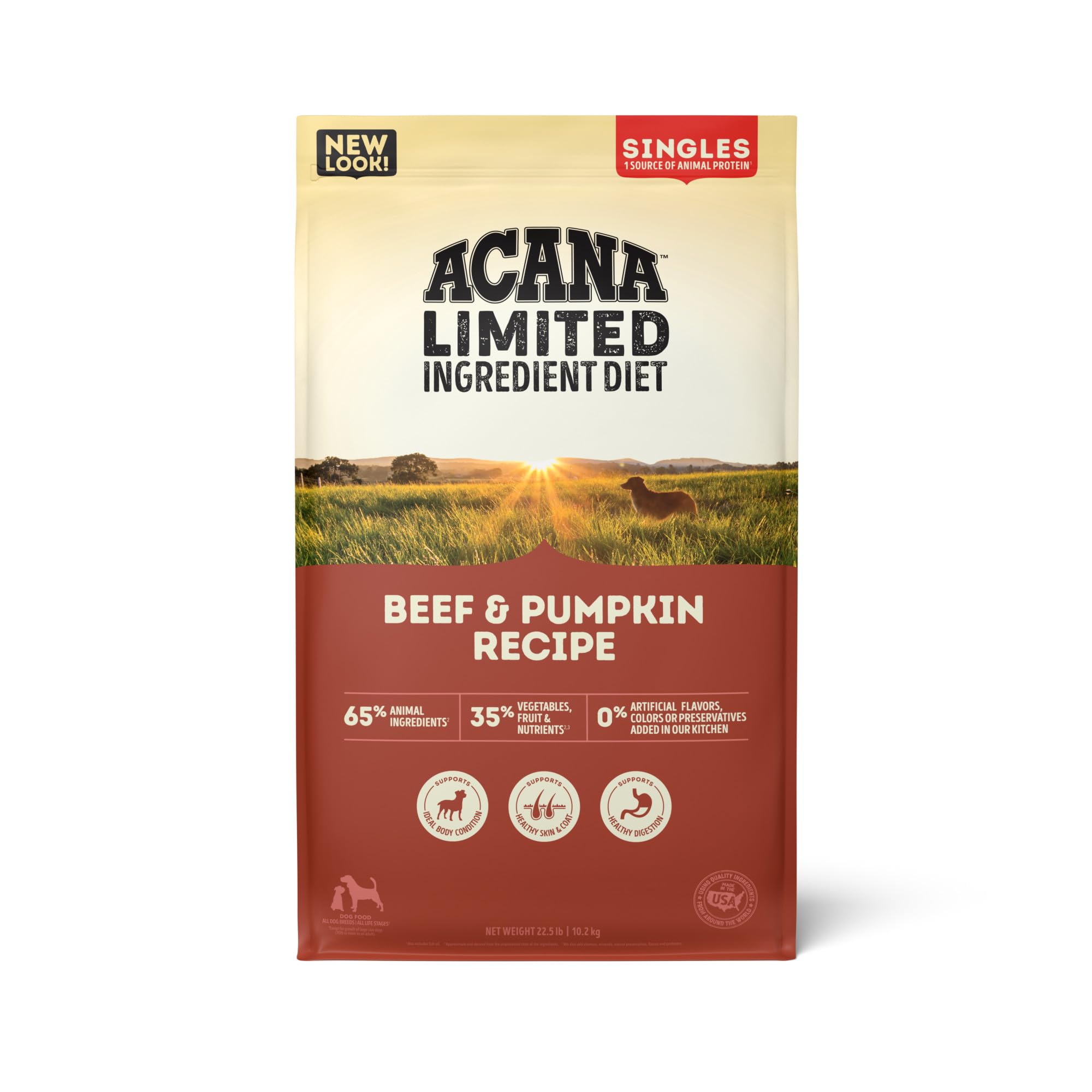
ACANA Singles delivers a bold 65% beef ingredient inclusion rate, making it one of the highest-protein limited-ingredient options available. For dogs with seizure disorders, protein quality matters because it supports neurotransmitter production and muscle maintenance during anticonvulsant therapy. The addition of pumpkin and sweet potato provides gentle fiber for digestive support without spiking blood sugar.
This formula is grain-free, which can be helpful for dogs with grain sensitivities, though it’s worth noting that grain-free isn’t automatically superior for seizure management — the real win here is the short ingredient list and the freeze-dried coating that makes the kibble highly palatable. Omega-3 and omega-6 fatty acids support skin and coat health, which is often compromised in dogs on long-term medication protocols.
Aquarium hobbyists and pet parents with multiple species will appreciate the straightforward ingredient philosophy that ACANA brings: real food, minimal processing, clear labeling. If your dog thrives on beef and doesn’t react to legumes, this is a robust daily diet that can hold its own against more expensive fresh-food alternatives.
Why we love it
- Extremely high meat content fuels lean muscle and brain function
- Pumpkin provides gentle fiber for digestive regularity
- Freeze-dried coating ensures even picky eaters finish meals
Good to know
- Beef is a common allergen — not ideal for dogs with known beef sensitivity
- Grain-free formulation may not be appropriate for all dogs without vet guidance
7. Hill’s Prescription Diet d/d Food Sensitivities Salmon

Hill’s Prescription Diet d/d is the gold standard for veterinary-supervised elimination diets. The Potato & Salmon formula provides a single novel protein source — salmon — paired with potato as the sole carbohydrate, creating the cleanest possible nutritional profile for dogs with suspected food-triggered seizures. Since it’s a prescription diet, your vet will guide you through a controlled feeding trial to confirm whether dietary sensitivities are contributing to your dog’s episodes.
What makes this formula especially valuable is the peace of mind that comes with Hill’s rigorous quality control and the fact that it’s the #1 US Vet Recommended therapeutic pet food brand. The limited ingredient list helps maintain a healthy skin barrier, which reduces overall inflammatory load, and the absence of soy protein eliminates another common trigger. Devoted cat owners and dog parents alike trust this brand because it’s designed for precise therapeutic outcomes rather than broad-market appeal.
If you and your veterinarian suspect that food sensitivities are playing a role in your dog’s seizure disorder, this is the most reliable tool for getting a definitive answer. It’s not a budget-friendly option, and it requires veterinary authorization, but for diagnostic clarity and targeted nutrition, Hill’s d/d is unmatched in this category.
Why we love it
- Single novel salmon protein is ideal for elimination diets
- Veterinary prescription ensures professional oversight during feeding trials
- #1 US Vet Recommended therapeutic food brand
Good to know
- Requires a veterinary prescription — cannot purchase without vet approval
- Premium price point reflects its therapeutic nature
Safety & Care Tips
Transition Slowly to Avoid Stress
Even dogs with seizure disorders need a gradual food transition — typically over 7–10 days — unless a product like Ketona explicitly states otherwise. Sudden dietary changes can stress the digestive system and potentially trigger breakthrough seizures in sensitive dogs. Mix increasing amounts of the new food with decreasing amounts of the old food, and keep a log of any behavioral changes.
Track Seizure Frequency on a Calendar
Start a seizure log before you switch foods and continue for at least 8–12 weeks after. Note the date, time, duration, and severity of each episode, along with any changes in diet, environment, or medication. This data is invaluable for your veterinarian to determine whether the new diet is genuinely helping raise the seizure threshold.
FAQ
Can diet alone stop my dog’s seizures?
How long does it take for a new diet to affect seizure frequency?
Is grain-free food better for seizure-prone dogs?
Can MCT oil be given alongside seizure medication?
Final Thoughts: The Verdict
For most pet parents seeking the best dog food for seizures, the winner is the Ketona Salmon Recipe because it provides an ultra-low-carb metabolic foundation that stabilizes blood sugar and reduces inflammatory load without requiring a prescription. If you want targeted MCT support, grab the Dr. Buzby’s Brain Boost — it’s the most versatile add-on for any diet. And for clinical-grade neurological support with veterinary oversight, nothing beats the Purina Pro Plan NC NeuroCare.