
Chronic yeast infections in dogs can turn mealtime and snuggle time into a cycle of ear scratching, paw licking, and musty odors. The underlying cause is often dietary: sugars from carbohydrates and starches in low-quality kibble feed the yeast, while certain proteins can trigger inflammatory flare-ups. Switching to a diet low in simple carbs and high in single-source animal protein is the most effective strategy for breaking this cycle.
I’m Mo Mahin — the founder and writer behind Furric. My process for finding the best food to combat canine yeast issues involves comparing ingredient panels for fermentable fiber sources, verifying the carbohydrate content through guaranteed analysis, and cross-referencing owner feedback for reported improvements in skin and ear health.
After analyzing dozens of formulas on their ability to starve yeast while supporting the immune system, these are the top contenders for the best dog food to prevent yeast infections in 2025.
How To Choose The Best Dog Food To Prevent Yeast Infections
Yeast (Malassezia) thrives on sugar. Any dog food that lists potatoes, sweet potatoes, tapioca, peas, rice, or corn high on the ingredient list is providing the carbohydrate fuel for the yeast to multiply. You’re looking for a formula that starves the yeast and soothes the skin simultaneously.
Single Animal Protein Source
Most yeast issues are secondary to food allergies. A limited-ingredient diet with one novel protein (salmon, lamb, or venison) eliminates common chicken and beef triggers. If your dog is sensitive to chicken, avoid formulas with “chicken meal” or “chicken fat” hidden in the ingredient list.
Low Glycemic Carbohydrate Profile
Look for carbohydrates that rank low on the glycemic index. Legumes like lentils and chickpeas are preferable to white potatoes or rice because they release glucose more slowly, reducing the sugar spike that feeds yeast. The guaranteed analysis should show crude fiber around 3.5%–5% to support gut motility without adding starch.
Gut-Healthy Probiotics and Omega Fatty Acids
A strong gut microbiome crowds out yeast. Look for a named probiotic strain (like BC30) and prebiotic fibers (chicory root, dried fermentation products). Omega-3 and Omega-6 fatty acids from fish oil reduce skin inflammation and strengthen the skin barrier, making it harder for yeast to colonize the surface.
Quick Comparison
On smaller screens, swipe sideways to see the full table.
| Model | Category | Best For | Key Spec | Amazon |
|---|---|---|---|---|
| Nulo FreeStyle Salmon & Peas | Mid-Range | Active dogs needing skin & coat support | 80% animal protein, BC30 probiotic | Amazon |
| Nulo FreeStyle Limited+ Salmon | Mid-Range | Dogs with chicken/egg sensitivities | Single animal protein, 30% crude protein | Amazon |
| ACANA Singles Lamb & Apple | Mid-Range | Dogs needing digestive + skin support | 65% animal ingredients, freeze-dried coating | Amazon |
| Zignature Lamb Limited Ingredient | Premium | All life stages, rotational diet | Probiotics, Vitamin B12-rich lamb | Amazon |
| Hill’s Prescription Diet Derm Complete | Veterinary | Severe environmental & food sensitivities | Clinically tested for skin healing in 21 days | Amazon |
In‑Depth Reviews
1. Nulo FreeStyle Adult Dry Dog Food – Salmon & Peas
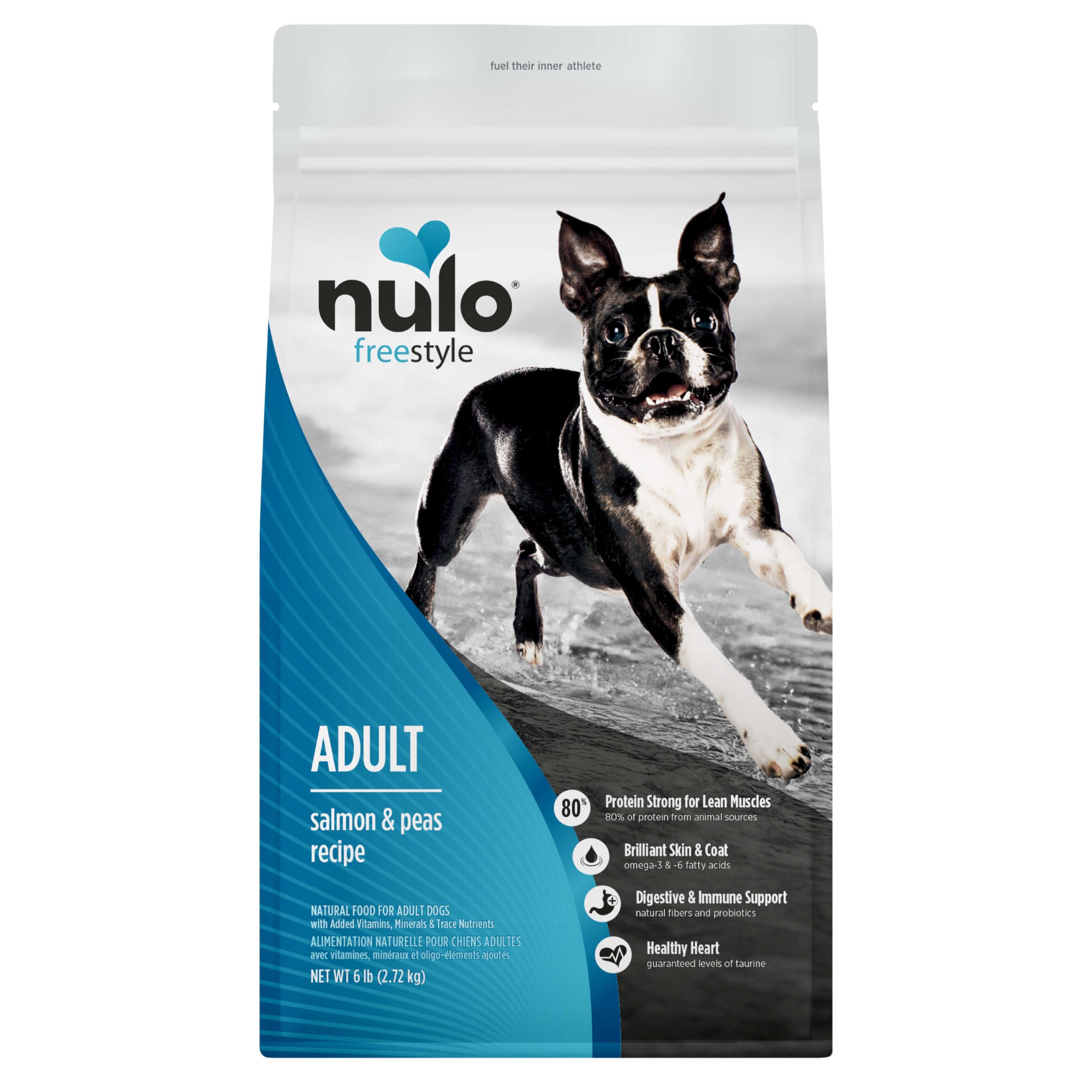
This formula leads with deboned salmon as the first ingredient, delivering a concentrated 80% animal-based protein profile that provides essential amino acids without the starch load that feeds yeast. The absence of chicken and egg protein removes two of the most common dietary triggers for inflammatory skin reactions, making it a safe starting point for elimination trials. Prebiotic fibers paired with the patented BC30 probiotic strain actively support a competitive gut environment where beneficial bacteria can outcompete yeast populations.
Omega-3 and Omega-6 fatty acids from fish work alongside biotin, zinc, and copper to fortify the skin’s natural barrier function. A stronger barrier means fewer cracks and less inflammation for yeast to exploit. The grain-free carbohydrate base uses peas instead of high-glycemic potatoes or rice, which helps keep blood sugar — and therefore yeast fuel — at a more stable level throughout the day.
Owner feedback consistently notes improvements in coat shine and reduced itching within three to four weeks of transition. The kibble size is appropriate for small, medium, and large breeds, though the 6-pound bag size is best suited for single-dog households or initial trial periods. For dogs with existing yeast-related ear infections, this formula provides the nutritional foundation to complement topical treatments.
Why we love it
- Deboned salmon is the #1 ingredient — low glycemic impact
- BC30 probiotic clinically shown to survive digestion
- Free of chicken, egg, corn, wheat, soy, rice, and tapioca
Good to know
- 6lb bag may be small for multi-dog homes
- Some dogs need a slower transition due to high protein content (30%+)
2. Nulo FreeStyle Limited Ingredient Salmon Recipe
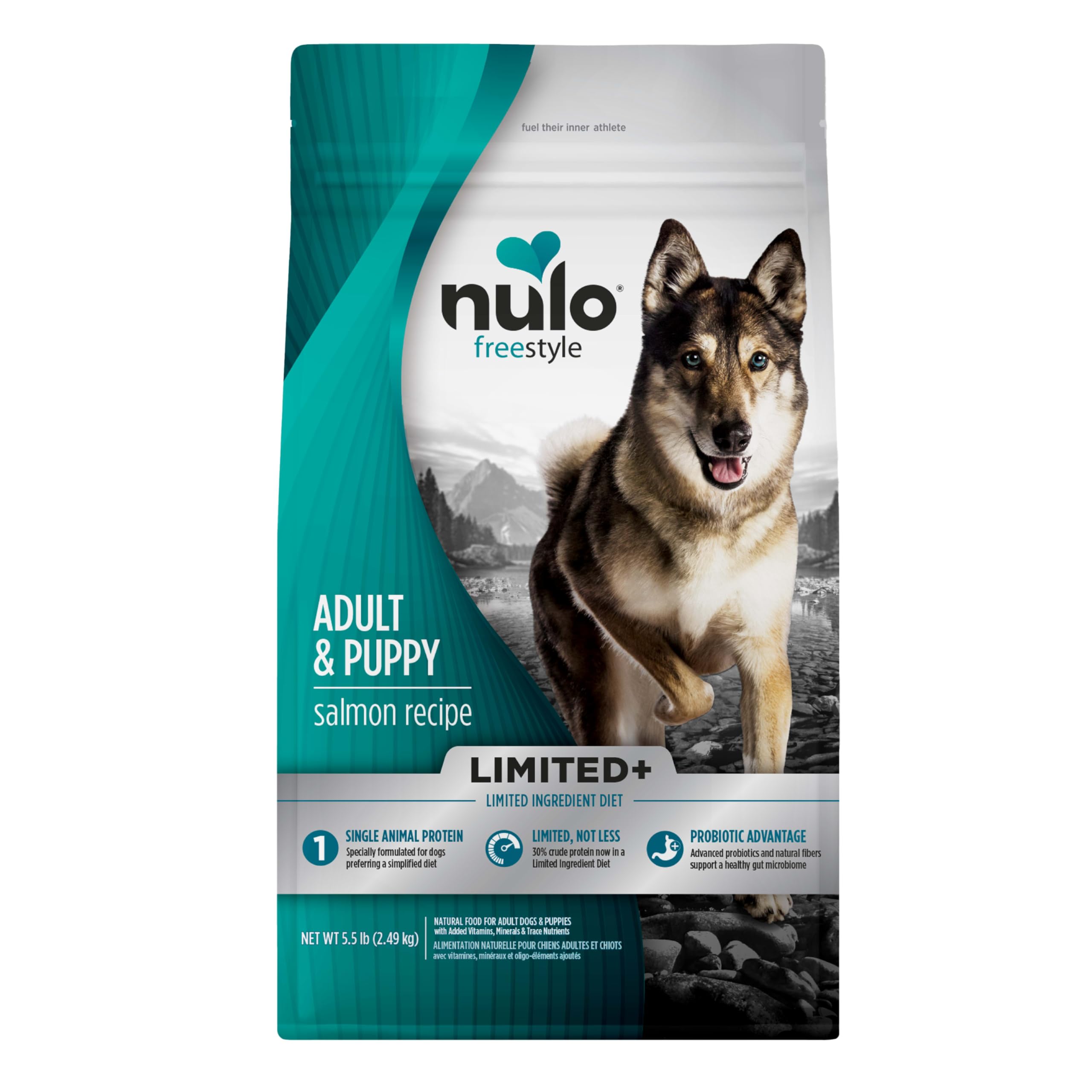
Where yeast management meets true elimination dieting, this limited-ingredient recipe strips the ingredient list down to one single animal protein source — salmon. There are no chicken, eggs, or peas in this bag, which eliminates three common allergens and two potential carbohydrate sources that could contribute to yeast growth. Real customer reports document visible improvements in dogs with chronic yeast problems, with one owner noting “the yeast flare-ups have really calmed down since switching.”
The protein content hits 30% crude protein, providing the building blocks for tissue repair without excessive carbohydrate filler. Salmon oil delivers a concentrated dose of Omega-3 fatty acids (EPA and DHA) that directly reduce levels of inflammatory cytokines in the skin. The limited ingredient list makes this formula an ideal candidate for a 6-to-8-week food trial to determine if dietary triggers are the root cause of your dog’s yeast issues.
This recipe also avoids tapioca and white potato, relying instead on a minimally processed carbohydrate profile that supports stable glucose levels. The inclusion of BC30 probiotics — a strain patented for its survivability through the digestive tract — ensures that beneficial bacteria reach the colon alive, where they can help crowd out Malassezia yeast populations. Owners of dogs with “sensitive stomachs” and chicken allergies report this formula resolves loose stools and skin irritation concurrently.
Why we love it
- True single protein source (salmon) — ideal for elimination diets
- No chicken, eggs, or peas — removes major yeast triggers
- Verified owner reports of reduced yeast flare-ups
Good to know
- 5.5lb bag is trial-sized; larger bags may be needed for long-term feeding
- Not suitable for dogs with fish allergies
3. ACANA Singles Lamb & Apple Recipe

ACANA’s Singles line uses lamb and lamb liver as the sole animal ingredients, comprising 65% of the recipe — a high meat-to-carb ratio that naturally limits the starch content yeast would otherwise feed on. The inclusion of apple provides natural prebiotic fiber (pectin) without spiking sugar levels, and the freeze-dried coating adds a layer of palatability that helps transition picky dogs off their old, potentially yeast-promoting kibble. Customer feedback from owners of dogs with “chicken, egg, and unknown allergies” confirms that vomiting and digestive distress resolved after switching.
The carbohydrate base avoids grains, corn, soy, and wheat, but it’s the addition of both prebiotics and probiotics that makes this formula stand out for yeast management. A balanced microbiome suppresses opportunistic yeast growth, and the fiber blend helps regulate stool quality — a frequent concern when dogs are on elimination diets. Omega-3 and Omega-6 fatty acids are present at levels that support the skin barrier without relying on fish (which can be a problem for dogs with fish allergies).
Owners of dogs with known food sensitivities frequently cite this recipe as the one that ended chronic “crop dusting” (excess gas), a common side effect of yeast overgrowth in the gut. The lamb protein is a novel source for many dogs who have been on chicken- or beef-based diets for years, making it less likely to trigger an allergic cascade that weakens the skin defenses. The 4.5-pound bag is a practical trial size, though committed users often wish for bulk packaging.
Why we love it
- Lamb and lamb liver single-protein focus — novel for many dogs
- Freeze-dried coating boosts palatability during transitions
- Prebiotics + probiotics dual-action for gut health
Good to know
- 4.5lb bag is relatively small for multi-dog households
- Not ideal if your dog is allergic to lamb
4. Zignature Lamb Limited Ingredient Formula

Zignature’s Lamb formula is built around a single, low-fat protein source that is naturally rich in Vitamin B12 and lamb liver, providing essential nutrients for skin repair without the inflammatory potential of common proteins. The limited ingredient philosophy means fewer variables for the immune system to react against, which directly reduces the histamine-driven itching that often precedes yeast infections. Owners of brachycephalic breeds like French Bulldogs and Pit Bulls report this formula as the only one that doesn’t trigger skin flare-ups.
The recipe is fortified with probiotics to support gut health, and it is formulated to be nutritionally complete for all life stages — from puppies to seniors. This is an advantage for multi-dog households where one dog has yeast issues and others have different dietary needs. The kibble is available in a “Small Bites” format, which is easier for smaller breeds or dogs with dental sensitivities to chew, reducing the risk of undigested particles contributing to gut dysbiosis.
Customer reviews consistently highlight the food’s “wonderful smell” compared to other limited-ingredient diets — a practical detail when you’re feeding a dog with a finicky appetite. The 12.5-pound bag offers better per-pound value than the trial-sized bags of other limited-ingredient options, making it a more economical long-term choice for yeast management. However, the formula does contain peas, which, while lower on the glycemic index than potatoes, may still be problematic for dogs with severe yeast overgrowth who need an ultra-low carbohydrate profile.
Why we love it
- Low-fat lamb is rich in B12 for skin health
- All life stages formula simplifies multi-dog feeding
- 12.5lb bag delivers strong long-term value
Good to know
- Contains peas — may not be low enough carb for severe cases
- Lamb flavor may not appeal to all dogs
5. Hill’s Prescription Diet Derm Complete Rice & Egg

When environmental allergies compound food sensitivities, the result is an overworked immune system that struggles to keep yeast in check. Hill’s Derm Complete is a veterinary therapeutic diet formulated with a hydrolyzed protein system and a single carbohydrate source (rice) to minimize allergen exposure. Clinical data from open-label studies shows 82% of adult dogs experienced less itching, and visible skin healing occurred in as little as 21 days in dogs with confirmed food allergies.
The rice and egg base is carefully calibrated to provide complete nutrition while avoiding the common allergens (chicken, beef, corn, soy, wheat) that trigger inflammatory cascades. The formula is designed to support the skin’s natural barrier against environmental irritants year-round, which is critical because a compromised skin barrier is more susceptible to secondary yeast infections. The study data also showed reduced night scratching, improved sleep quality, and more owner-reported “snuggles” — meaningful quality-of-life metrics.
This is not an over-the-counter food; it requires veterinary authorization because it is intended for diagnosed cases of environmental or food sensitivities. The 6.5-pound bag is priced at a premium consistent with prescription-grade nutrition. For dogs whose yeast infections persist despite limited-ingredient over-the-counter diets, this formula represents the next clinical step. Owners should consult their veterinarian to confirm that food sensitivity is the correct diagnosis before committing to this regimen.
Why we love it
- Clinically proven skin healing in 21 days for food allergies
- 82% of owners reported less itching in clinical trials
- Supports skin barrier against environmental triggers
Good to know
- Requires veterinary prescription to purchase
- Higher price point reflects therapeutic-grade formulation
FAQ
Can switching food alone cure my dog’s yeast infection?
What ingredients should I actively avoid to prevent yeast?
Is grain-free dog food always better for yeast prevention?
How quickly should I see results after changing food?
Do I need a veterinary prescription for the Hill’s Derm Complete food?
Final Thoughts: The Verdict
For most dog owners managing chronic yeast issues, the best dog food to prevent yeast infections overall is the Nulo FreeStyle Salmon & Peas because it pairs a high-protein, low-glycemic profile with a clinically studied probiotic that directly supports gut competition against yeast. If you need a true single-protein elimination diet for a dog with suspected chicken or egg allergies, the Nulo FreeStyle Limited Ingredient Salmon delivers with verified owner results. And for dogs with complex environmental plus food sensitivities that refuse to clear on OTC diets, the clinically proven Hill’s Prescription Diet Derm Complete (with veterinary guidance) is the appropriate escalation path.