
Stepping into a chicken coop should not be an assault on your senses. The difference between a musty, ammonia-heavy hen house and a pleasantly aromatic one often comes down to what you put inside the nesting boxes and scatter across the bedding — and a targeted blend of dried botanicals does more than just mask odors, it actively supports your flock’s respiratory health and natural foraging instincts.
I’m Mo Mahin — the founder and writer behind Furric. My research focuses on parsing ingredient lists, verifying sourcing claims, and cross-referencing hundreds of owner reports to identify which premixed herb blends actually deliver measurable benefits like mite deterrence and nest box acceptance rather than just looking like fancy potpourri.
Whether you are fighting a persistent fly issue, coaxing a broody hen off her box, or simply trying to elevate the daily environment for your layers, finding the right dried herbs for chickens to eat simplifies coop management and supports natural behavior with zero chemical additives.
How To Choose The Best Dried Herbs For Chickens To Eat
Not all dried herb blends are created equal. Some are formulated primarily for aromatic nest box freshening, while others are intended as a nutritional feed supplement that your chickens will actively consume. Understanding the difference between a calming nest mix and a dietary additive is the first step toward a purchase that actually matches your flock’s daily needs.
Ingredient Variety and Synergy
Look for blends that include at least five to eight distinct herbs and flowers. A mix containing lavender, calendula, rose petals, peppermint, chamomile, lemongrass, rosemary, and wormwood offers a broader spectrum of volatile oils and trace nutrients than a simple two‑ or three‑ingredient bag. Each herb contributes something different — calm (chamomile, lavender), digestive health (peppermint, rosemary), or immune support (calendula, rose petals).
Bag Size vs. Resealability
The volatile oils that give dried herbs their scent and biological activity degrade quickly once exposed to air and light. A 10‑ounce bag that is not resealable will lose potency within a week. Prioritize brands that use custom resealable pouches or vacuum‑sealed packaging. Bulk sizes (16 oz, 21 oz) offer better cost‑per‑ounce ratios, but only if you can keep the contents sealed between uses.
Organic Certification and Sourcing
Since your chickens will ingest these herbs directly from the ground or their feeder, chemical residues matter. USDA Organic certification provides a third‑party guarantee that no synthetic pesticides, herbicides, or irradiation were used during growth or processing. Smaller brands may claim “natural” without certification — this does not guarantee the same purity standard. Always verify the certification stamp on the packaging.
Quick Comparison
On smaller screens, swipe sideways to see the full table.
| Model | Category | Best For | Key Spec | Amazon |
|---|---|---|---|---|
| HoazHoald 21 OZ | Premium Bulk | Largest volume for multi‑coop setups | 8‑herb blend / 21 oz net weight | Amazon |
| Sassafras & Pumpernickel 10 oz | USDA Organic | Certified organic small flock use | 7 organic herbs / 10 oz resealable bag | Amazon |
| Slote 14 oz | Value Mid‑Size | Subscription‑friendly value blend | 6 dried herbs / 14 oz bag | Amazon |
| JUSONEY 16 oz | Cinnamon Infusion | Unique scent profile with added cinnamon | 8 herbs + cinnamon / 16 oz | Amazon |
| MEWTOGO 7 oz | Sample‑Size Split | Trying new blends without commitment | 6 herbs / 2 x 3.5 oz resealable bags | Amazon |
In‑Depth Reviews
1. HoazHoald 21 OZ Chicken Nesting Herbs
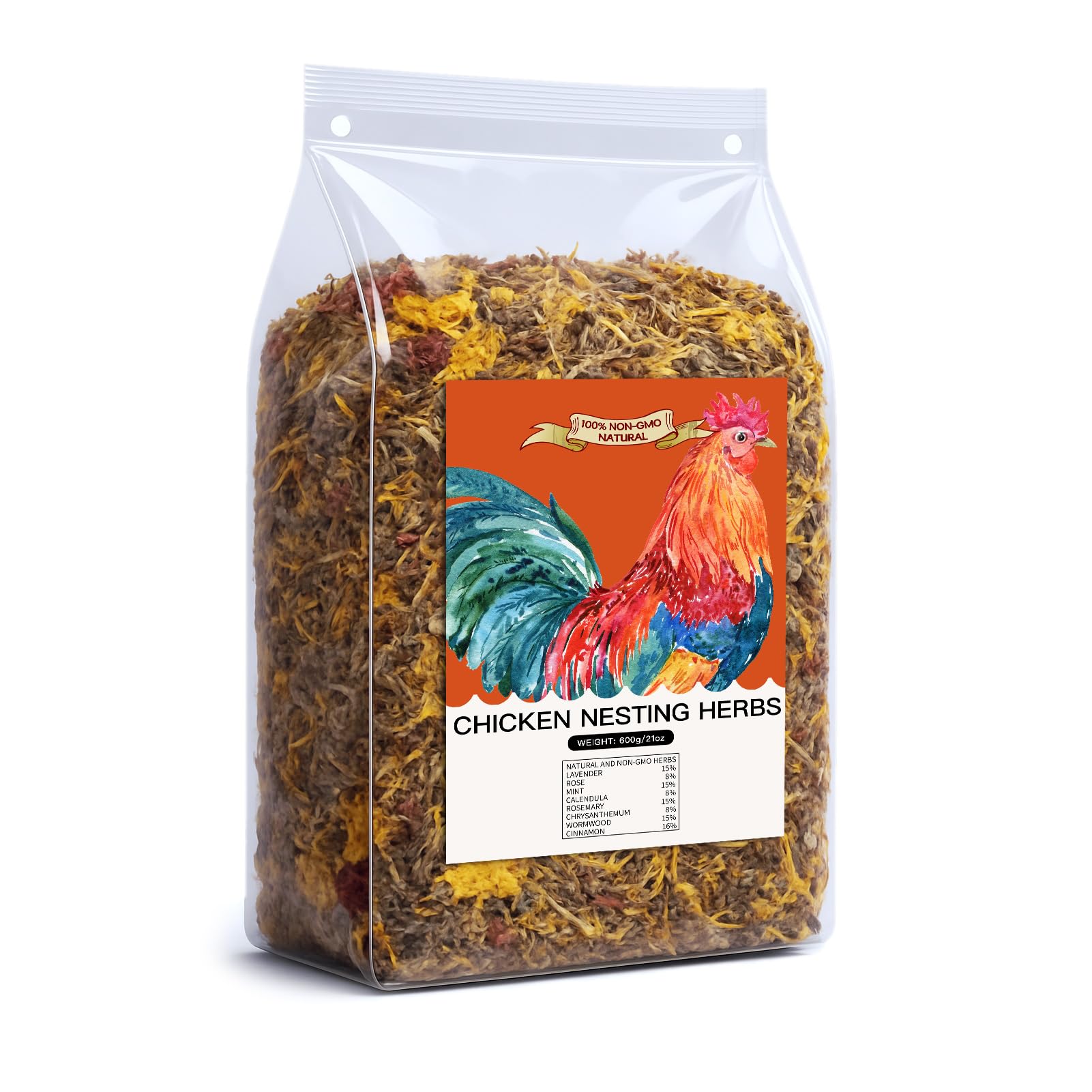
This 21‑ounce bag from HoazHoald dominates the category on volume per dollar, delivering a full 0.76 kilograms of premixed, naturally air‑dried herbs and flowers. The eight‑ingredient roster — lavender, rose, mint, calendula, rosemary, chrysanthemum, wormwood, and cinnamon — covers the full spectrum of aromatic calming, natural mite deterrence, and nutritional supplementation in one container. Owners consistently report that the blend encourages hens to use nesting boxes that were previously ignored.
The inclusion of wormwood and cinnamon sets this mix apart from simpler blends. Wormwood is traditionally used in poultry husbandry for its pest‑repelling properties, while cinnamon adds a warm scent that seems to appeal to both keepers and birds. Customer reviews highlight how the blend keeps the coop smelling fresh between cleanings and that chickens actively eat the herbs directly from the bedding and feeder, indicating palatability is not an issue even at this scale.
Because the packaging is a simple plastic bag without a built‑in reseal mechanism, you will want to transfer the contents to an airtight container after opening to preserve the volatile oils. For keepers managing multiple coops or a large flock, the 21‑ounce size justifies the small extra step — you will be refilling nesting boxes for weeks rather than days.
Why we love it
- Largest bag size in the review — 21 oz covers multiple coops for weeks
- Eight‑ingredient variety includes wormwood and cinnamon for added pest deterrence
- Owners confirm hens eagerly consume the herbs and accept nesting boxes faster
Good to know
- Bag is not resealable — plan to store in an airtight jar or clip after opening
- No organic certification listed; relies on “natural” and “non‑GMO” claims
2. Sassafras & Pumpernickel USDA Organic Chicken Nesting Herbs

This is the only USDA Certified Organic blend in our lineup, sourced and packaged in a certified organic facility in Washington State. The seven‑herb formula — organic rose petals, lavender, lemon balm, calendula, lemongrass, peppermint, and chamomile — is intentionally curated for both aroma and bird health. Lemon balm and chamomile are particularly noted for their mild calming effects on nervous or newly integrated hens.
The custom resealable pouch is a serious quality‑of‑life feature that most competitors at this price point skip. You can open the bag, sprinkle a handful into each nesting box, seal it shut, and trust that the herbs will retain their fragrance and biological activity for the entire 10‑ounce supply. Customer reviews frequently mention that the smell is pleasant without being overpowering and that the blend appears fresh, hearty, and free from dust or powder.
At 10 ounces, this bag is better suited to small flocks of four to six hens than to large operations. If you need to fill multiple coops or plan to use the herbs as a daily feed topper, you will repurchase more frequently. Still, the organic certification and packaging quality make it the safest choice for keepers who prioritize chemical‑free husbandry above all else.
Why we love it
- USDA Organic certified — guarantees no synthetic pesticides or irradiation
- High‑quality resealable pouch preserves volatile oils between uses
- Seven organic herbs including calming lemon balm and chamomile
Good to know
- 10 oz bag is modest — best for flocks under six hens
- Premium price per ounce compared to non‑organic blends of similar size
3. Slote 14 oz Chicken Nesting Herbs
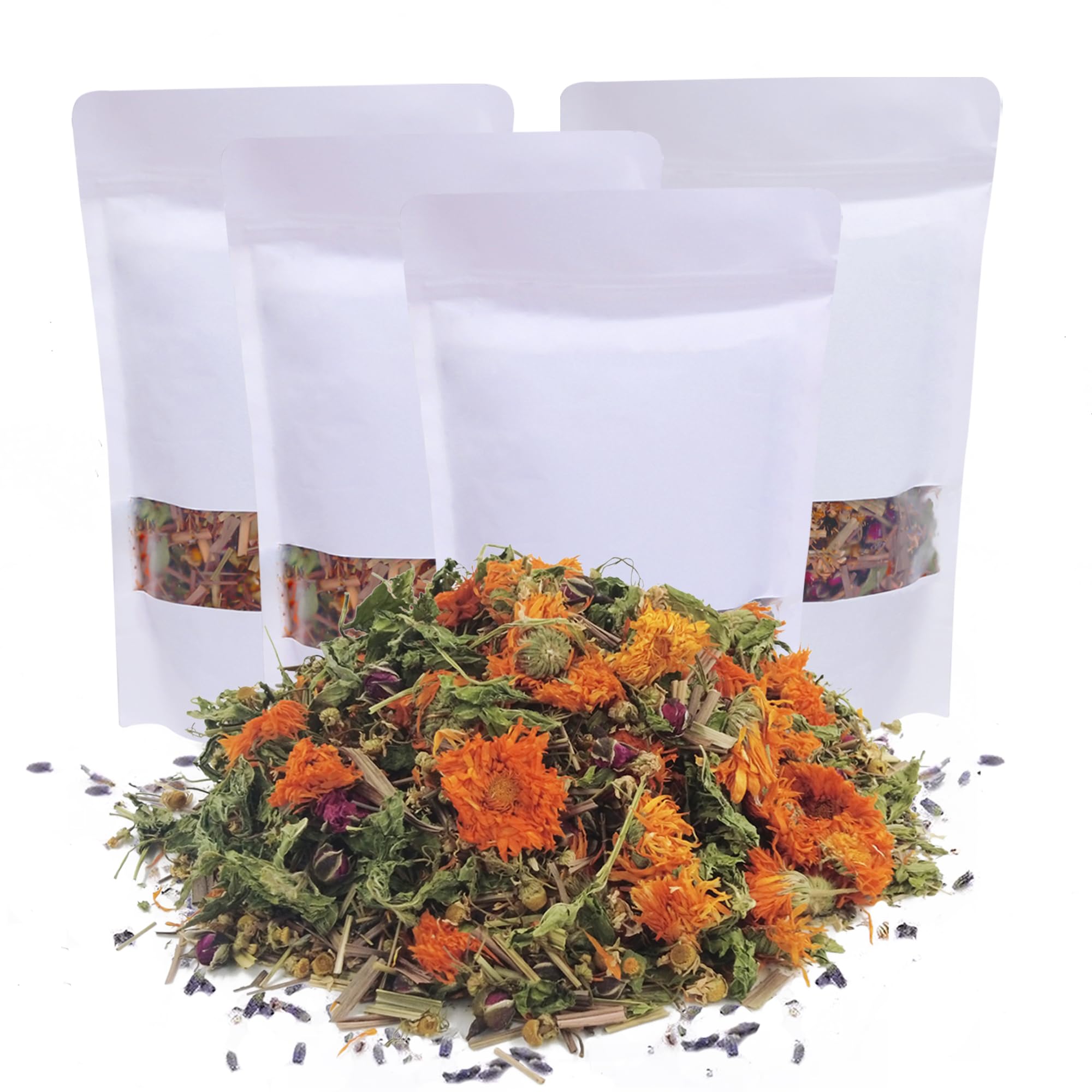
The Slote blend strikes a strong balance between bag size and cost, offering 14 ounces of six all‑natural dried herbs — lavender, rose petals, peppermint, chamomile, lemongrass, and calendula. This is a straightforward, no‑gimmick mix that covers the classic poultry‑herb bases without introducing controversial ingredients like wormwood or strong spices that some keepers prefer to avoid.
Customer feedback is notable for one recurring detail: the blend arrives with small extra bags that allow you to portion out servings for separate coops or to share with fellow chicken keepers. This practical packaging choice is rarely mentioned in product listings but receives consistent praise in reviews. Several long‑term purchasers have set up subscriptions for this product, confirming that it holds up to repeated use without losing appeal to the birds.
The herbs are described as visually appealing and smelling like high‑quality potpourri rather than stale filler. Keepers report that hens pick through the mix, selecting favorite flowers first, and that the coop stays noticeably fresher between cleanings. If you want a dependable, mid‑volume blend at a fair per‑ounce rate, this is the most practical everyday option.
Why we love it
- 14 oz provides good volume for medium flocks — several weeks of coverage
- Comes with portioning bags for easy distribution across multiple nest boxes
- Strong owner loyalty — multiple reviews mention running subscription orders
Good to know
- No USDA organic certification — relies on “100% natural” claim
- Six‑ingredient variety is solid but less diverse than eight‑herb blends
4. JUSONEY 16 oz Nesting Herbs with Cinnamon
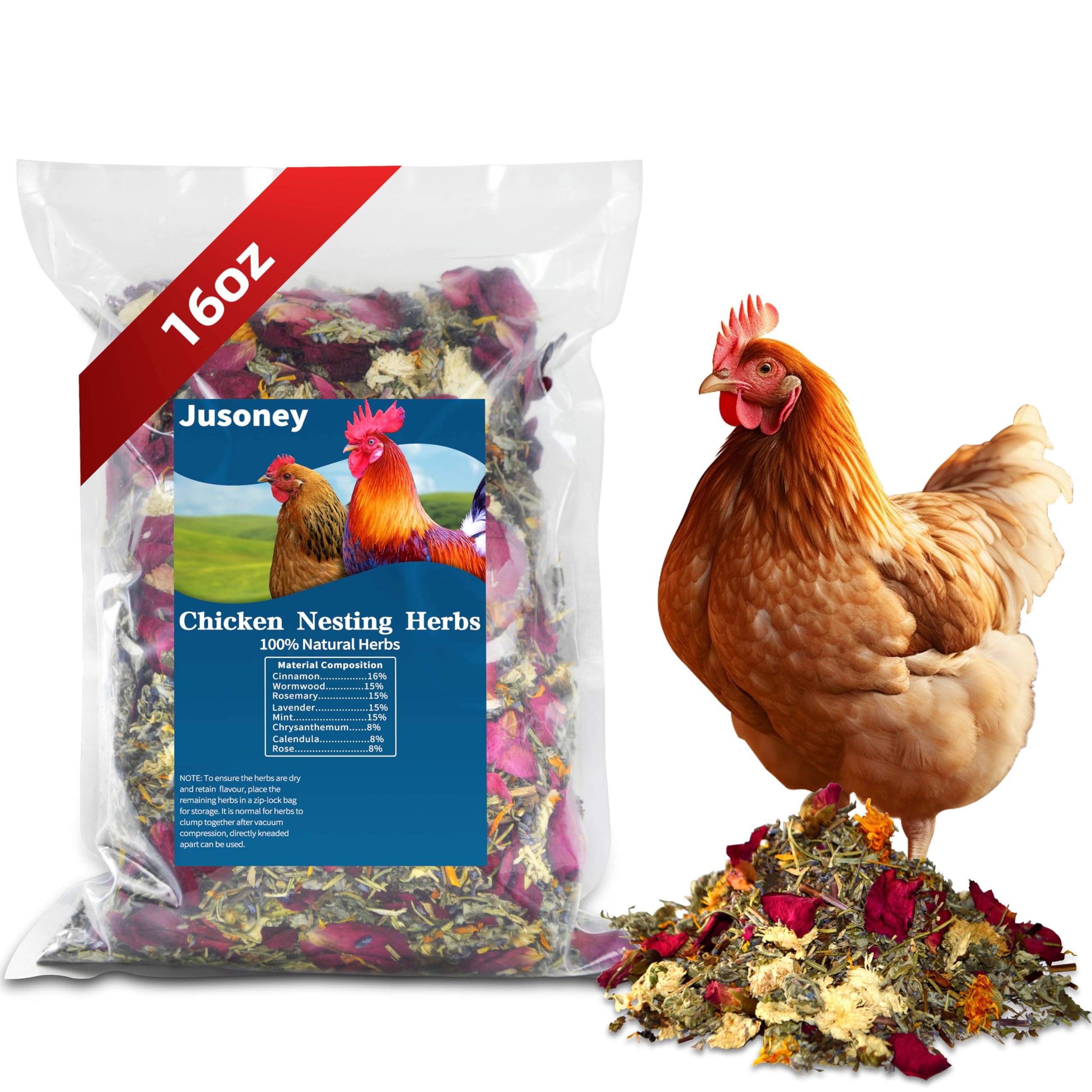
JUSONEY’s blend distinguishes itself with the deliberate inclusion of cinnamon alongside lavender, rose petals, mint, calendula, rosemary, chrysanthemum, and wormwood. The result is an aroma that multiple verified buyers compare to a “delicious tea blend” — warm, sweet, and noticeably different from the standard floral‑forward mixes on the market. The vacuum‑sealed packaging ensures that the cinnamon and herbs arrive with their full scent intensity intact.
The 16‑ounce bag is a strong middle‑ground size, offering more volume than the 10‑ounce organic option while remaining smaller and easier to store than the 21‑ounce bulk bag. The ingredient list includes both wormwood and chrysanthemum, two botanicals traditionally used in poultry husbandry to deter mites and lice. This makes the mix functionally dual‑purpose: it freshens the environment while providing a natural pest‑management layer.
Reviews note that the blend works well in chick brooders as well as adult nesting boxes, and that the pleasant scent lingers for days after application. One minor point — keepers with extremely sensitive chickens may want to introduce the cinnamon gradually, as the strong scent can be initially unfamiliar to birds accustomed to unscented bedding.
Why we love it
- Unique cinnamon‑infused scent profile is a standout among floral‑heavy blends
- Vacuum‑sealed packaging preserves freshness and volatile oil potency
- Eight herbs including wormwood and chrysanthemum for natural mite deterrence
Good to know
- Cinnamon may be off‑putting to some chickens when first introduced
- No organic certification; ingredient sourcing is described only as “natural materials”
5. MEWTOGO 7 oz Chicken Nesting Herbs (2 Pack)
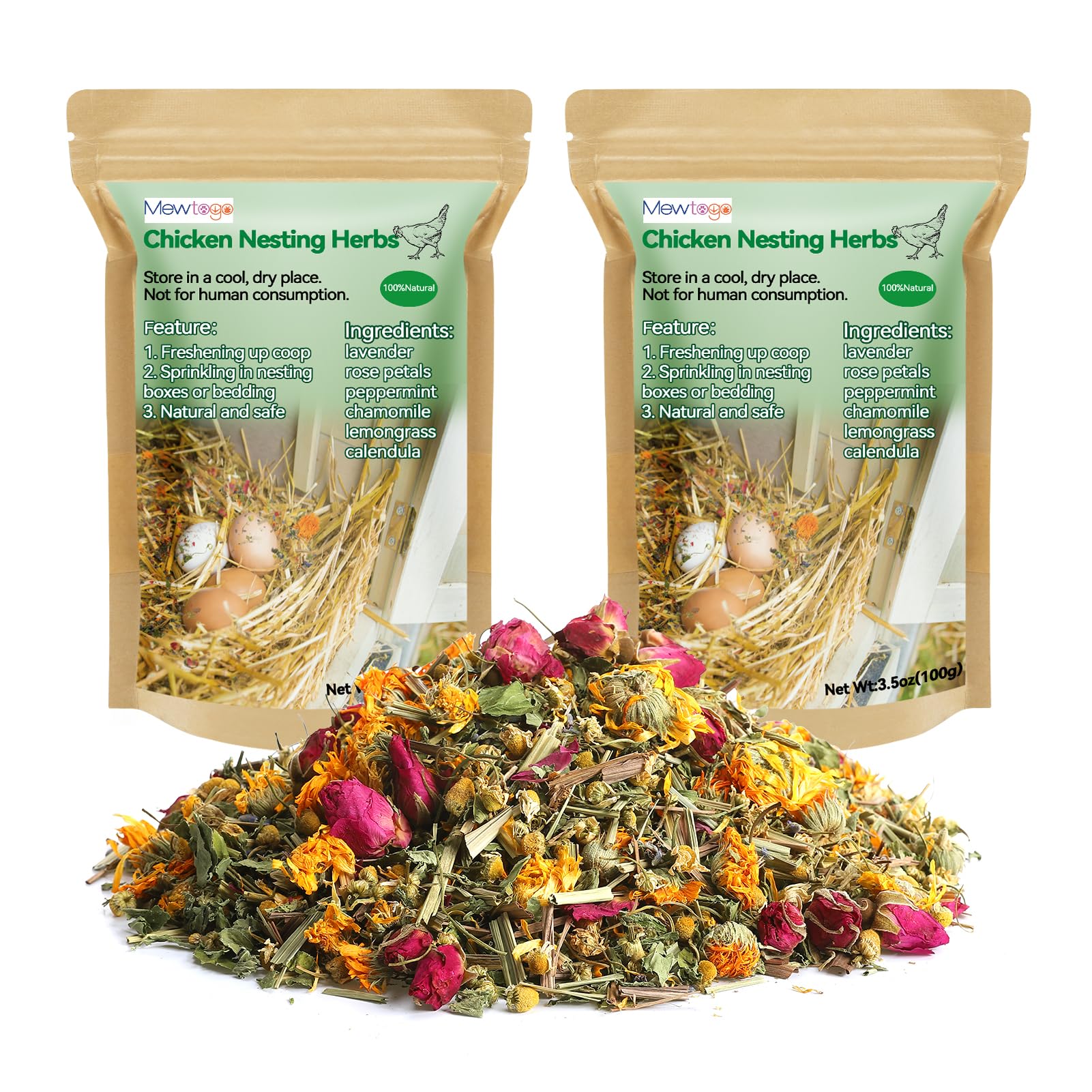
MEWTOGO packages its 7‑ounce total supply as two separate 3.5‑ounce resealable bags, each sized to serve exactly one standard nesting box. This split format is ideal for keepers who want to test a new brand without committing to a full pound, or for those who maintain a single small coop and dislike storing partially used bulk bags. The six‑herb formula — lavender, rose petals, peppermint, chamomile, lemongrass, and calendula — sticks to the trusted core ingredients without any novelty additives.
The resealable bags are a genuine advantage at this size. You open one pouch, use it for a box or two, seal the rest, and the second pouch remains factory‑sealed until you need it. Customer reviews confirm that the herbs smell “amazing” straight out of the bag and that the individual pouches are the perfect quantity to pour directly into a single nest without having to measure. Several owners mention using the herbs to encourage hens to lay in boxes they previously avoided.
At 7 total ounces, this is the smallest volume option in the review. It will not be cost‑effective for larger flocks or for keepers who want to use the herbs as a daily feed supplement across multiple birds. But for the single‑coop owner who values zero waste and maximum freshness per use, the twin‑pouch format is a smartly designed solution.
Why we love it
- Two separate resealable bags eliminate waste — use one, store the other sealed
- Each 3.5 oz pouch is precisely sized for one standard nesting box
- Reviews confirm fresh, potent scent and enthusiastic hen acceptance
Good to know
- Total volume is only 7 oz — requires frequent repurchase for larger flocks
- Six‑herb variety is solid but lacks wormwood or rosemary for pest deterrence
FAQ
Can chickens eat all dried herbs intended for nesting boxes?
How often should I replace the dried herbs in the nesting boxes?
Do dried herbs actually prevent mites and lice in chickens?
Is there a difference between nesting herbs and herbal chicken feed supplements?
Final Thoughts: The Verdict
For most gardeners and backyard flock keepers, the dried herbs for chickens to eat winner is the HoazHoald 21 OZ blend because it delivers the best volume‑to‑ingredient diversity ratio, covering eight herbs including wormwood for natural pest management at a price that makes daily scattering affordable. If you want certified organic peace of mind with a truly resealable pouch, grab the Sassafras & Pumpernickel 10 oz. And for keepers testing the waters with a single small coop, the MEWTOGO 7 oz twin‑pouch set offers the freshest introduction with zero waste.