
When your cat receives a kidney disease diagnosis, every meal becomes a carefully considered decision. The right dry food can help preserve kidney function, maintain appetite, and extend quality time together — but the wrong choice can accelerate decline.
I’m Mo Mahin — the founder and writer behind Furric. I’ve spent months analyzing veterinary nutritional guidelines, ingredient profiles, and real owner experiences to separate the clinically proven kidney diets from the marketing noise.
I carefully evaluated leading veterinary kidney diets and analyzed real owner feedback to bring you this definitive guide to the best dry cat food for kidney disease.
How To Choose The Best Dry Cat Food For Kidney Disease
Selecting a kidney-supportive dry food isn’t about picking the most expensive bag on the shelf — it’s about understanding three key nutritional levers that directly impact renal health. Every ingredient decision should prioritize lowering the workload on your cat’s kidneys while still delivering a meal they’ll actually eat.
Phosphorus Restriction Is Non-Negotiable
Elevated phosphorus levels accelerate kidney damage in cats with chronic kidney disease. The best renal diets keep phosphorus significantly lower than standard adult maintenance foods. Look for values below 0.6% on a dry matter basis, or rely on veterinary prescription diets that strictly control this mineral. Even a modest reduction can slow disease progression and improve quality of life.
Protein Quality Over Quantity
Kidney diets typically reduce total protein, but the protein they do include must be highly digestible and rich in essential amino acids. The goal is to minimize nitrogenous waste products that kidneys must filter while still maintaining lean muscle mass. Hill’s and Purina both use high-quality chicken and egg-based proteins that deliver maximum nutrition per gram of protein fed.
Appetite Triggers and Omega-3 Support
Many cats with kidney disease develop nausea and lose interest in food. The best formulas include Enhanced Appetite Trigger (E.A.T.) technology or highly palatable fat coatings to encourage consistent eating. Omega-3 fatty acids from fish oil provide anti-inflammatory benefits for kidney tissue and support blood flow — look for DHA and EPA specifically listed on the guaranteed analysis.
Quick Comparison
On smaller screens, swipe sideways to see the full table.
| Model | Type | Best For | Key Feature | Amazon |
|---|---|---|---|---|
| Hill’s k/d Early Support Chicken | Veterinary Diet | Early-stage CKD management | ActivBiome+ Kidney Defense prebiotics | Amazon |
| Hill’s k/d Kidney Care Ocean Fish | Veterinary Diet | Picky eaters needing appetite stimulation | Enhanced Appetite Trigger technology | Amazon |
| Purina Pro Plan NF Kidney Function | Veterinary Diet | Budget-friendly renal support | Restricted phosphorus plus omega-3 EPA/DHA | Amazon |
| Royal Canin Urinary Care | Veterinary Diet | Urinary health alongside kidney care | Mineral balance for urine concentration | Amazon |
| Farmina N&D Quinoa Urinary Duck | Premium Diet | Grain-free, novel protein kidney support | Quinoa and duck for low-glycemic nutrition | Amazon |
In-Depth Reviews
1. Hill’s Prescription Diet k/d Early Support Kidney Care Dry Cat Food, Chicken

Hill’s Prescription Diet k/d Early Support is the food your veterinarian thinks of first — and for good reason. This chicken-based formula is built around ActivBiome+ Kidney Defense, a proprietary blend of prebiotics clinically shown to activate the gut microbiome and help protect kidney function. It also features Enhanced Appetite Trigger (E.A.T.) technology, which is a lifesaver for cats who start turning up their noses at mealtime as kidney disease progresses. The kibble size and texture are designed for easy chewing and palatability, making it a reliable option even for finicky felines.
The nutritional profile is precisely calibrated: restricted phosphorus and sodium to reduce kidney workload, high levels of amino acids and L-carnitine to maintain lean muscle mass, and clinically proven antioxidants that support immune health. Hill’s also formulates this diet to promote a urinary environment that reduces the risk of developing struvite and calcium oxalate crystals — a common comorbidity in cats with compromised kidneys. Each 4-pound bag delivers consistent nutrition that cat owners report seeing results from within the first few weeks of feeding.
For most cats in the early to moderate stages of chronic kidney disease, this is the gold standard. The prebiotic technology sets it apart from older renal diets, and the appetite trigger genuinely helps cats maintain a healthy calorie intake. Busy cat parents and rescue volunteers consistently rank this as their go-to kidney diet because it works without requiring fussy preparation or toppers. If your vet gives the green light, this is the one to start with.
Why we love it
- ActivBiome+ prebiotics actively support kidney function
- Enhanced Appetite Trigger helps picky eaters stay fed
- Reduces risk of urinary crystals alongside kidney care
- Backed by decades of Hill’s veterinary research
Good to know
- Requires a veterinary prescription to purchase
- Chicken protein may not suit cats with poultry sensitivities
- Smaller bag size means more frequent reordering
2. Hill’s Prescription Diet k/d Kidney Care Dry Cat Food, Ocean Fish

When your cat with kidney disease starts refusing chicken-based renal diets, the Ocean Fish variant of Hill’s k/d becomes an absolute lifeline. This formula shares the same clinically proven ActivBiome+ Kidney Defense prebiotic technology and reduced-phosphorus profile as the chicken version, but swaps the protein source for ocean fish — a flavor that many cats find irresistibly aromatic. The Enhanced Appetite Trigger (E.A.T.) is especially effective here, as the fish scent tends to cut through the nausea that often accompanies advanced CKD.
Beyond palatability, this formula delivers more essential amino acids than AAFCO minimum requirements to help your cat maintain lean muscle despite reduced protein intake. The omega-3 fatty acids from fish oil provide direct anti-inflammatory support to kidney tissue, and the reduced sodium and phosphorus levels are precisely controlled to slow disease progression. It’s also formulated to support a healthy urinary environment, addressing both kidney function and urinary tract health in one bag. The 4-pound size is manageable for cats who eat smaller volumes due to reduced appetite.
Feline enthusiasts with multi-cat households report that this fish-based option is often the one that keeps their CKD cat eating consistently while the other cats barely notice the swap. It’s slightly more expensive than the chicken version, but for a cat who turns up their nose at everything else, it’s worth every penny. Rescue organizations specializing in senior cats frequently stock this variety as their go-to for appetite-challenged renal patients.
Why we love it
- Ocean fish flavor strongly appeals to picky or nauseated cats
- Same ActivBiome+ prebiotic kidney defense as chicken version
- Omega-3 from fish oil provides renal anti-inflammatory benefits
- Clinically proven to improve quality of life in CKD cats
Good to know
- Fish protein may not suit all cats — some develop a preference they won’t switch from
- Prescription required — cannot buy over the counter
- Strong fish smell may be off-putting to some owners during feeding
3. Pro Plan Veterinary Diets Purina NF Kidney Function Advanced Care Feline Formula

Purina’s Pro Plan Veterinary Diets NF Kidney Function formula proves that effective renal nutrition doesn’t have to break the bank. This 3.15-pound bag delivers a reduced-protein, restricted-phosphorus profile specifically designed for cats with kidney conditions, and it includes omega-3 fatty acids as a source of EPA and DHA — the same anti-inflammatory fats found in priceier fish-based diets. The kibble is formulated to be highly palatable, and antioxidants are added to support immune function in cats whose defenses are compromised by kidney disease.
What makes this diet stand out in the value category is its transparent nutritional science. Purina uses a reduced amount of high-quality protein rather than cheap fillers, ensuring that every gram of protein your cat eats is highly digestible and bioavailable. The restricted phosphorus level is comparable to leading competitors, and the omega-3 content provides tangible anti-inflammatory support for kidney tissue. Many cat owners report stable bloodwork values and maintained appetite after switching to this formula, making it a reliable choice for long-term management.
For budget-conscious pet parents or those managing multiple cats with kidney concerns, this Purina formula offers the best balance of price and clinical efficacy. It’s a prescription diet, so you’ll need vet approval, but once you have it, the cost per pound is significantly lower than the premium competitors. Experienced cat rescue volunteers often recommend this as a starter renal diet because it’s effective enough to see results while being affordable enough to sustain over months and years of care.
Why we love it
- Excellent value for a clinically proven renal diet
- Omega-3 EPA and DHA provide direct kidney support
- Reduced high-quality protein minimizes waste load on kidneys
- Antioxidants boost immune health in compromised cats
Good to know
- 3.15-pound bag is smaller than some competitors’ offerings
- Requires veterinary prescription
- Unflavored — may need appetite topper for very picky cats
4. Royal Canin Feline Care Nutrition Urinary Care Adult Dry Cat Food
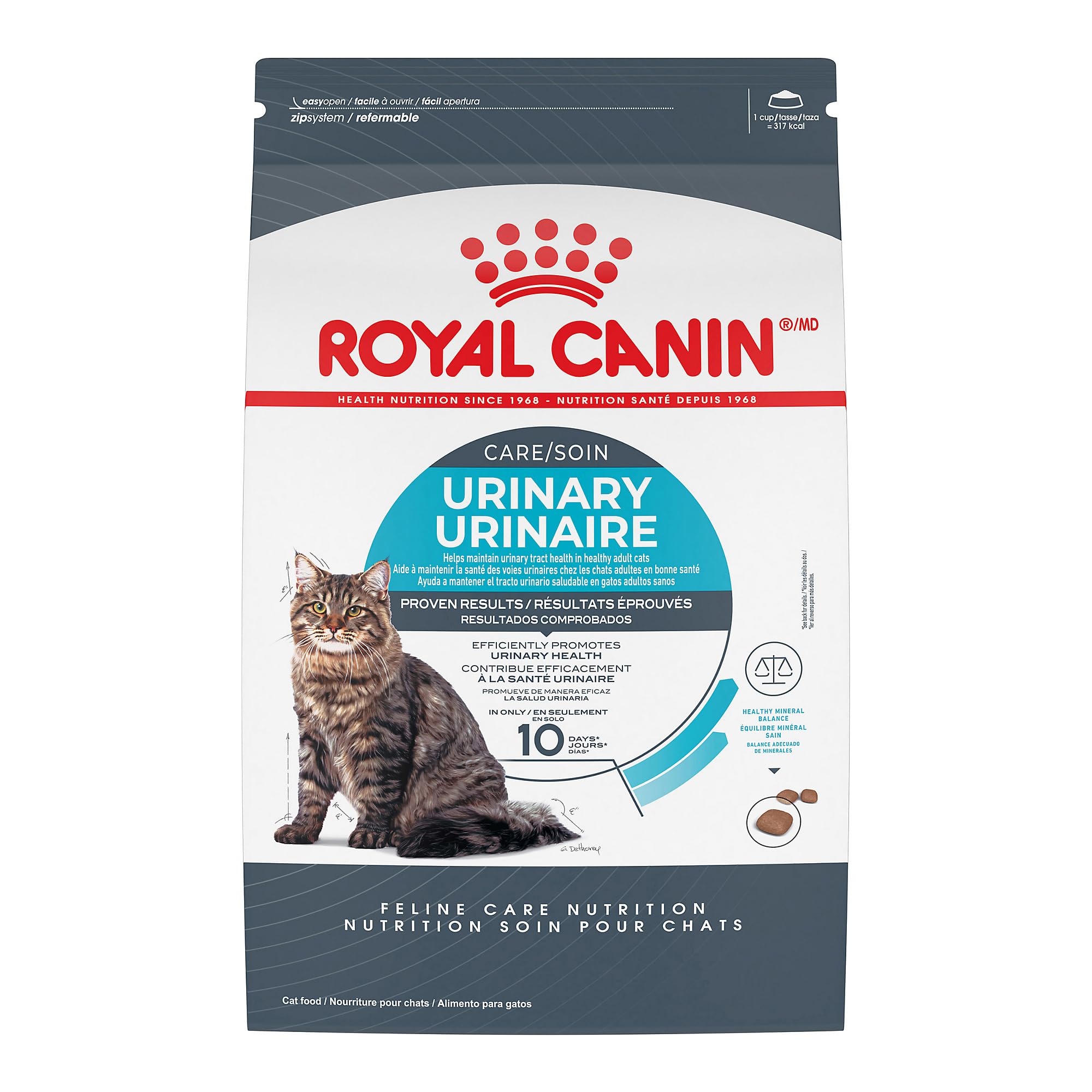
Royal Canin’s Urinary Care formula is designed primarily for urinary tract health, but its carefully balanced mineral profile makes it a smart supporting option for cats with early-stage kidney concerns who also struggle with urinary crystals or blockages. The formula regulates mineral balance to maintain healthy urine concentration — a feature that directly benefits kidney function by reducing the workload on the nephrons. In internal studies, Royal Canin demonstrated that this diet supports urinary health in as little as ten days when fed consistently.
This is a veterinary diet, meaning it’s formulated with precise nutritional specifications rather than general retail standards. The chicken-based kibble is highly palatable, and the pellet shape encourages chewing, which supports dental health — a bonus for senior cats who often have both kidney and dental issues. It pairs well with Royal Canin’s wet Urinary Care formula for mixed feeding, allowing you to increase moisture intake while maintaining mineral balance. The 6-pound bag offers better value per pound than many smaller prescription bags on the market.
This isn’t a full renal replacement diet for advanced CKD, but for cats in early-stage kidney disease who also have urinary issues, it’s an excellent choice. Busy cat parents appreciate that it’s widely available and doesn’t require the same strict phosphorus restriction as advanced renal diets. If your veterinarian gives the go-ahead for a maintenance diet that supports both urinary and kidney health, this Royal Canin formula delivers consistent, research-backed nutrition.
Why we love it
- Balanced mineral content supports both urinary and kidney health
- Proven to improve urinary health in 10 days
- Larger 6-pound bag offers better value than many prescription diets
- Pairs seamlessly with wet food for increased hydration
Good to know
- Not formulated for advanced or late-stage kidney disease
- Requires veterinary prescription
- Chicken flavor may not work for cats with poultry allergies
5. Farmina N&D Quinoa Urinary Duck Formula Adult Dry Cat Food

Farmina N&D brings a completely different approach to kidney-supportive nutrition with its Quinoa Urinary Duck Formula. This grain-free, gluten-free diet uses duck as a novel protein source — ideal for cats who have developed sensitivities to chicken or fish over years of eating standard renal diets. The inclusion of quinoa provides a low-glycemic carbohydrate source that promotes stable blood sugar and supports digestion, while the cold infusion technology preserves the nutritional integrity of the ingredients without high-heat degradation.
The urinary health focus of this formula comes from its ability to help prevent cardiovascular problems and maintain a healthy mineral balance, both of which are relevant to cats with kidney concerns. Quinoa is rich in balanced essential amino acids, minerals, and natural antioxidants that support overall metabolic health, and the low glycemic index helps prevent the insulin spikes that can stress a compromised system. The duck and cranberry flavor profile is unique and highly appealing to cats who have grown bored with standard chicken and fish renal diets.
For cat owners who prefer a more natural, grain-free approach to kidney care and are willing to pay a premium for novel ingredients, this Farmina formula is a standout. It’s not a traditional prescription renal diet with strict phosphorus restriction, so it’s best suited for early-stage support or as a rotational option alongside a veterinary renal diet. Feline nutrition enthusiasts who prioritize ingredient sourcing and minimal processing consistently rank Farmina among the top premium brands available.
Why we love it
- Novel duck protein ideal for cats with poultry or fish sensitivities
- Quinoa provides low-glycemic, antioxidant-rich nutrition
- Cold infusion technology preserves ingredient quality
- Grain-free and gluten-free formula
Good to know
- Not a strict prescription renal diet — best for early-stage support
- Premium price point is higher than most veterinary renal diets
- Duck flavor may not appeal to all cats
Safety & Care Tips
Pair Dry Food With Ample Fresh Water
Dry kibble contains roughly 10% moisture, so cats eating a dry renal diet must have constant access to fresh, clean water. Consider a pet fountain to encourage drinking, as moving water appeals to cats’ natural instincts and can significantly increase daily water intake, which helps flush toxins and reduces kidney workload.
Transition Slowly Over 7 to 10 Days
Abrupt food changes can cause gastrointestinal upset and food aversion — especially in cats with CKD who may already have sensitive stomachs. Mix increasing amounts of the new renal diet with the current food over a week to ten days. If your cat refuses to eat, consult your veterinarian about appetite stimulants or warming the food slightly to enhance aroma.
FAQ
Can I feed over-the-counter dry food to a cat with kidney disease?
How much dry food should I feed my cat with kidney disease?
Can I mix wet and dry renal diets together?
Is grain-free dry food better for cats with kidney disease?
Final Thoughts: The Verdict
For most pet parents, the dry cat food for kidney disease winner is the Hill’s Prescription Diet k/d Early Support Chicken because it combines ActivBiome+ prebiotic kidney defense with an appetite trigger that keeps CKD cats eating consistently. If your cat needs stronger appetite stimulation and prefers fish flavors, grab the Hill’s k/d Ocean Fish variant. And for budget-friendly yet clinically effective renal support, nothing beats the Purina Pro Plan NF Kidney Function formula.