
You know that hollow feeling when your horse goes off feed, drops manure production, or starts showing those subtle signs of gut discomfort. It is gut-wrenching because their digestive health affects everything — energy, attitude, coat shine, and performance. Finding a reliable equine probiotic should not feel like a gamble.
I’m Mo Mahin — the founder and writer behind Furric. My approach blends deep market research, veterinary safety standards, and real-world owner feedback to separate effective formulas from expensive marketing.
After evaluating dozens of gut health supplements across multiple price tiers, I have assembled this straightforward guide to help you confidently choose the best equine probiotic for your horse’s unique digestive needs and lifestyle demands.
How To Choose The Best Equine Probiotic
A horse’s digestive system is remarkably delicate. The hindgut relies on a balanced microbial population to break down fiber, produce volatile fatty acids, and maintain overall health. When stress, antibiotics, feed changes, or travel upset that balance, a targeted probiotic can help restore order. But not all supplements are created equal.
Understand CFU Counts and Strain Diversity
Colony-forming units measure the number of live microorganisms in each dose. Look for products that guarantee viability through the manufacturing date, not just at the time of production. A blend of Lactobacillus, Bifidobacterium, and Enterococcus species often provides broader digestive support than a single strain.
Prebiotics Matter Just as Much
Probiotics need fuel to thrive. Prebiotic fibers like chicory inulin, psyllium husk, or fructooligosaccharides pass through the stomach undigested and feed beneficial bacteria in the hindgut. A formula that pairs probiotics with prebiotics creates a more sustainable environment for gut health.
Consider Your Horse’s Lifestyle and Diet
Performance horses under training stress, seniors with reduced digestive efficiency, and easy keepers on restricted forage all have different needs. A high-CFU formula with added gastric support works well for ulcer-prone horses, while a simple psyllium-based fiber supplement suits those needing routine sand clearance.
Quick Comparison
On smaller screens, swipe sideways to see the full table.
| Model | Type | Best For | Key Feature | Amazon |
|---|---|---|---|---|
| SmartEquine Gut Powder | Probiotic Powder | Gastric & Hindgut Balance | Soothing herbs plus probiotics | Amazon |
| Ramard Total Pre & Probiotic | Prebiotic Powder | High-Potency Digestive Support | 50 million CFU per gram | Amazon |
| Corta-Flx U-Gard Pellets | Gastric Pellet | Ulcer Prevention | Calcium & magnesium for pH balance | Amazon |
| VETS PLUS Probios Granules | Feed Granule | Daily Maintenance | Live microorganisms in easy granules | Amazon |
| Farnam Equi Aid Psyllium | Fiber Pellet | Sand Clearance | Natural psyllium husk fiber | Amazon |
| Nutramax Cosequin Optimized | Joint Pellet | Joint & Mobility Support | Glucosamine chondroitin MSM formula | Amazon |
| Health-E Vitamin E Powder | Vitamin Powder | Immune & Muscle Wellness | High-potency dl-alpha tocopherol | Amazon |
In-Depth Reviews
1. SmartEquine Gut Powder
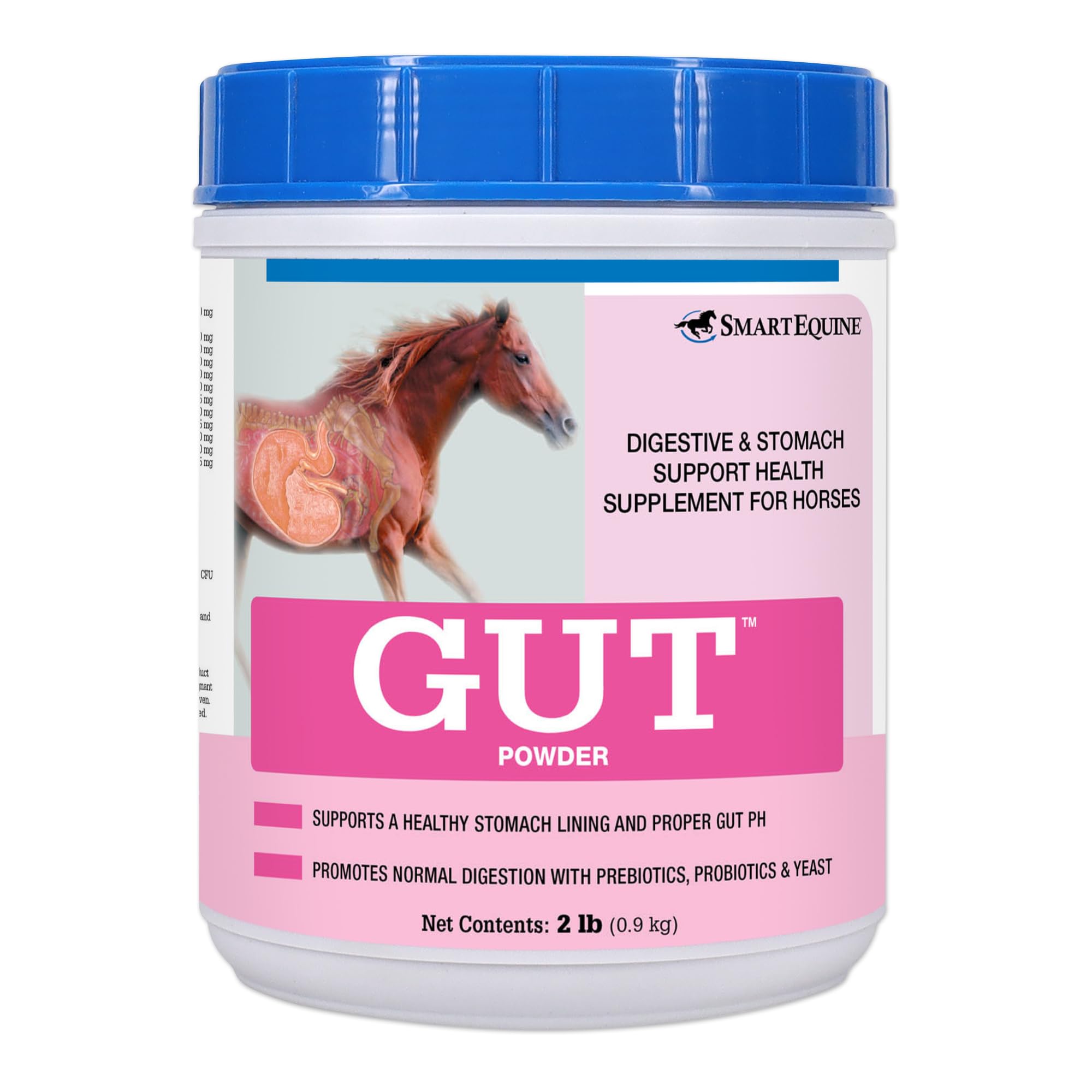
SmartEquine Gut Powder brings a thoughtful combination of prebiotics, probiotics, and gastric-soothing herbs into one scoopable formula. Marshmallow root, slippery elm bark, and aloe vera gel extract work alongside the microbial blend to calm stomach lining irritation while supporting healthy gut flora. It is designed for horses that face digestive stress from travel, training, or feed transitions.
The 2-pound bucket provides a solid supply for daily feeding, and the powder mixes easily into wet or dry grain. Several owners reported noticeable improvements in coat quality, manure consistency, and overall comfort within two to three weeks. A few picky eaters needed a small amount of molasses or applesauce to mask the herbal taste initially.
For a mid-range formula that balances gastric protection with comprehensive probiotic support, this is a well-researched choice. The inclusion of prebiotic fiber sources helps the beneficial bacteria establish and thrive, making it suitable for both maintenance and recovery periods.
Why we love it
- Herbal blend adds stomach-soothing benefits
- Easy-to-mix powder format
- Trusted brand with 25-plus years in equine health
Good to know
- Some horses may refuse the taste initially
- Only available in a single bucket size
2. Ramard Total Prebiotic & Probiotic Equine Formula

Ramard delivers a high-potency formula with 50 million colony-forming units per gram, which is significantly higher than many standard equine probiotics. The inclusion of chicory inulin as a natural prebiotic source ensures the probiotics have adequate fuel to colonize the hindgut. Veterinarians, trainers, and biochemists developed the formula, and it comes with a straightforward money-back guarantee.
The 5-pound jar provides excellent value for multi-horse barns or owners who want long-term digestive support. A citrus-flavored dispersible powder mixes cleanly into feed without clumping. Users reported improvements in manure quality, appetite, and overall vitality, with some noting its effectiveness for goats and sheep as well.
While the price point sits higher than basic maintenance supplements, the CFU concentration and prebiotic content justify the investment for horses with chronic digestive sensitivity or those recovering from illness. It is also suitable for foals needing gut development support.
Why we love it
- Very high CFU count for potent support
- Chicory inulin prebiotic feeds good bacteria
- Money-back guarantee reduces risk
Good to know
- Higher price per container
- Citrus flavor may not appeal to all horses
3. Corta-Flx U-Gard Pellets

Corta-Flx U-Gard Pellets target gastric health specifically, using calcium and magnesium to help maintain proper stomach pH and reduce the risk of ulcer formation. While not a traditional probiotic, the formula supports an environment where healthy digestion can occur by buffering excess acid. This makes it a valuable addition for performance horses under training stress or those prone to gastric discomfort.
The 10-pound bucket offers generous volume at a reasonable cost per serving. Horses generally accept the pellet form readily, and many owners use it as a preventative measure during intense training or travel periods. Research conducted on racehorses showed reduced ulcer severity and frequency with consistent use.
If your horse exhibits signs of gastric irritation — girthiness, poor appetite, or behavioral changes — this pellet provides targeted acid-buffering support that complements a broader probiotic regimen. It is not a complete probiotic on its own but works well alongside other gut health products.
Why we love it
- Calcium and magnesium buffer stomach acid
- Large 10-pound bucket for extended use
- Research-backed effectiveness on ulcers
Good to know
- Not a probiotic — focuses on pH balance
- May not address hindgut issues directly
4. VETS PLUS Probios Feed Granule

Probios has been a staple in equine digestive health for years, and this feed granule format delivers live, naturally occurring microorganisms in a simple top-dress application. The 5-pound bag provides a two- to three-month supply for a single horse at the recommended 5-gram daily rate. Owners of picky eaters frequently report that horses accept the granules without hesitation.
The straightforward formula focuses on maintaining normal digestive function rather than treating specific conditions. It works well as a daily maintenance supplement for horses on consistent routines, and the granule texture blends into grain or pelleted feed without dust or clumping. Several long-term users mentioned they have relied on Probios for years without issues.
For owners seeking an affordable, no-fuss probiotic for daily gut maintenance, this granule delivers reliable support without elaborate ingredients or high costs. It is also suitable for foals, making it a versatile option for breeding operations.
Why we love it
- Simple, proven formula with live cultures
- Highly palatable for picky horses
- Long-lasting 5-pound bag
Good to know
- Lower CFU concentration than premium options
- No added prebiotic fiber sources
5. Farnam Equi Aid Natural Horse Psyllium Pellets

Farnam Equi Aid uses natural psyllium husk fiber to support the removal of sand and dirt from the ventral colon, reducing the risk of sand colic. While this is a fiber supplement rather than a live probiotic, it plays a crucial role in digestive health by increasing bulk and promoting normal bowel function. The apple and molasses flavor makes it highly palatable for horses of all ages.
The 5-pound bag provides about 16 scoops, and many owners use it in weekly cycles — seven days on, then a break — to manage sand accumulation in sandy turnout environments. Veterinarians frequently recommend psyllium as part of a complete digestive program, and this NASC-certified formula delivers consistent quality at a competitive price point.
If your horse lives on sandy soil, eats off the ground, or has a history of sand-related digestive discomfort, this pellet offers an inexpensive and effective preventive measure. It works well alongside a probiotic to address both fiber intake and microbial balance.
Why we love it
- Veterinarian-recommended for sand clearance
- Palatable apple-molasses flavor
- NASC-certified quality
Good to know
- Not a probiotic — fiber supplement only
- Requires cycling for best results
6. Nutramax Cosequin Optimized Pellets with MSM

Nutramax Cosequin Optimized Pellets target joint health with a researched combination of glucosamine hydrochloride, chondroitin sulfate, and MSM. While this is not a digestive probiotic, joint comfort and mobility directly affect a horse’s willingness to move, eat, and maintain healthy digestion. Older horses and those with past injuries often show marked improvement in gait and activity levels.
The flavored pellet format makes administration straightforward, though some picky eaters may require thorough mixing into their regular feed. Owners of senior horses frequently report dramatic turnarounds — a 27-year-old no longer limping, a 28-year-old thoroughbred walking comfortably after a stifle injury. The FCHG49 glucosamine and TRH122 chondroitin are patented ingredients with research backing.
For horses whose digestive issues stem from reduced mobility or age-related stiffness, supporting joint health can indirectly improve feeding behavior and gut motility. This supplement pairs well with a quality probiotic for comprehensive senior care.
Why we love it
- Veterinarian-formulated with patented ingredients
- Rapid results reported for senior horses
- Easy-to-feed pellet form
Good to know
- Not a probiotic — joint health focus
- Higher cost per container
7. Health-E Vitamin E Supplement Powder
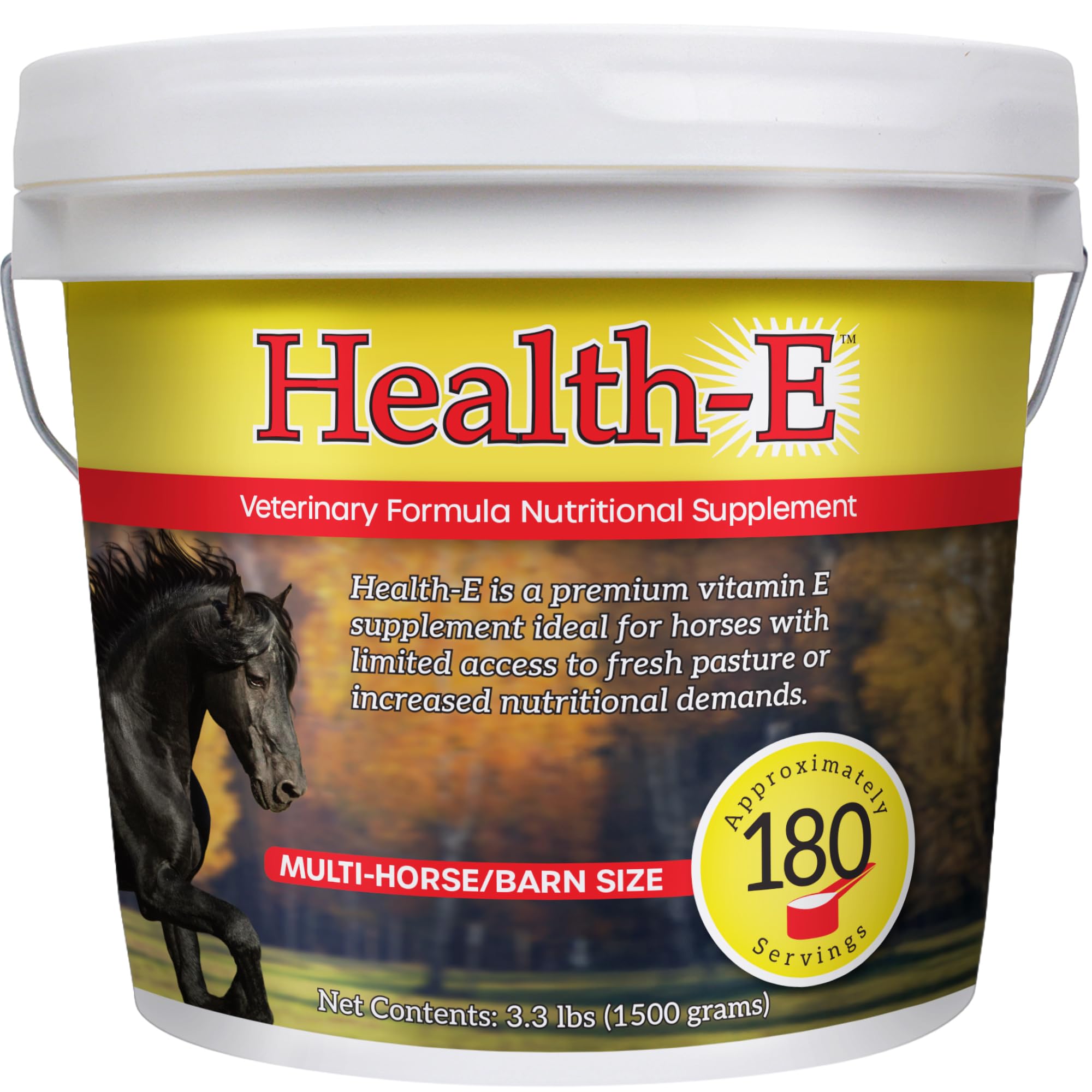
Health-E Vitamin E Powder delivers over 14,000 IU of dl-alpha tocopherol per ounce, offering concentrated antioxidant support for immune function, muscle integrity, and nerve health. Formulated by equine veterinarian Dr. Frank Reilly, this supplement suits horses with metabolic concerns because it is low in sugar, starch, and fructans. University testing confirms the vitamin E content for consistency.
The fine-textured powder mixes smoothly into feed without altering the taste significantly, and horses readily consume it. Owners managing horses with EPM, tying-up episodes, or limited grazing access frequently choose this formula for its clean ingredient list and reliable potency. The 3.2-pound container provides approximately 180 servings.
While not a probiotic, vitamin E plays a vital role in cellular health and immune defense, which supports overall digestive wellness. For horses on restricted diets or those recovering from neurological conditions, this powder offers targeted nutritional support that complements a gut health program.
Why we love it
- Veterinarian-developed and university-tested
- Low sugar and starch for metabolic diets
- Excellent for EPM recovery and maintenance
Good to know
- Not a probiotic — vitamin supplement only
- Higher upfront investment per container
Safety & Care Tips
Introduce Probiotics Gradually
When starting any new equine supplement, begin with half the recommended dose for the first three to five days. This allows the hindgut microbial population to adjust without causing gas, loose manure, or appetite changes. Monitor your horse’s behavior and stool consistency closely during the transition period.
Store Supplements Properly
Live probiotics are sensitive to heat, moisture, and light. Store containers in a cool, dry place below 77 degrees Fahrenheit. Avoid leaving scoops inside the bucket where condensation can introduce moisture. Always check the expiration date and discard any product that smells off or shows clumping.
FAQ
How long does it take for an equine probiotic to work?
Can I feed a probiotic with other medications or supplements?
Should I use a probiotic year-round or only during stress periods?
What is the difference between a probiotic and a prebiotic?
Final Thoughts: The Verdict
For most horse owners, the best equine probiotic winner is the SmartEquine Gut Powder because it combines targeted probiotic strains with gastric-soothing herbs at a reasonable price point. If you want maximum CFU potency and prebiotic fiber, grab the Ramard Total Prebiotic & Probiotic. And for daily maintenance on a budget, nothing beats the reliable simplicity of the VETS PLUS Probios Feed Granule.