
Standing in the feed aisle staring at bags of corn, protein blocks, and seed blends can leave anyone second-guessing. Deer nutrition isn’t as simple as tossing out whatever is cheapest — the difference between a thriving herd and one that merely survives often comes down to what you put in your feeders and food plots.
I’m Mo Mahin — the founder and writer behind Furric. My recommendations come from deep analysis of wildlife nutrition research, veterinary-approved dietary standards for cervids, and extensive evaluation of feedback from experienced land managers and hunters across North America.
After carefully analyzing dozens of nutritional profiles, here’s how to choose the best feed for deer that builds stronger herds and produces bigger antlers.
How To Choose The Best Feed For Deer
Deer are selective feeders with complex nutritional needs that shift dramatically between spring green-up, summer antler growth, fall rut, and winter survival. Choosing the right feed means matching protein levels, energy density, and delivery method to your specific herd goals and land conditions.
Protein Content Drives Antler & Body Growth
Research consistently shows that deer benefit from 14% to 20% crude protein during spring and summer when antlers are developing and does are lactating. Higher protein feeds support faster growth, better fawn survival, and noticeably larger racks. Look for feeds with plant-based protein sources like soybeans, clover, and sunflower seeds rather than fillers with minimal nutritional value.
Form Factor Affects Intake & Waste
Blocks resist weather and last weeks in humid conditions, but limit how much each deer can consume at once. Whole corn is cheap and highly attractive but offers minimal protein — it works best as a winter energy supplement rather than a year-round solution. Food plot seeds create living forage that provides the most natural nutrition, but require proper soil preparation and seasonal timing.
Attractant Power vs. Nutritional Value
Molasses, apple flavoring, and grain blends pull deer from long distances, but sweetness alone doesn’t build healthy herds. The most effective products balance strong attractant properties with genuine nutritional density. A block that deer love but offers minimal protein is a treat, not a supplement. Prioritize products that score high on both palatability and nutrient content.
Quick Comparison
On smaller screens, swipe sideways to see the full table.
| Model | Type | Best For | Key Feature | Amazon |
|---|---|---|---|---|
| Antler King Grainiac Block | Protein Block | Year-round supplemental feeding | Apple flavor with molasses, 16% protein | Amazon |
| Whitetail Institute FUSION | Food Plot Seed | High-protein perennial plots | Up to 44% antler-building protein | Amazon |
| Whitetail Institute No-Plow | Food Plot Seed | Remote areas without tillage | Grows in 3-4 hours filtered sunlight | Amazon |
| CountryMax Whole Corn | Whole Grain | Winter energy supplement | 50 lbs, USA family farm sourced | Amazon |
| JCs Wildlife Dried Corn | Whole Corn Cob | Attracting diverse wildlife | Breathable bag prevents spoilage | Amazon |
In-Depth Reviews
1. Antler King Apple Flavored Grainiac Block

This 20-pound block packs corn, soybeans, black oil sunflower seeds, and peanuts into a dense, weather-resistant form that deer can work on for weeks. The apple flavoring and molasses infusion create a long-range aroma that pulls deer from staging areas, trails, and water sources. With 16% protein and 5% fat, it delivers meaningful nutrition rather than empty calories.
What sets the Grainiac Block apart is how hard it wears. Real buyers report that after a full month on the ground, less than a quarter of the block gets eaten by deer, while squirrels, bunnies, and crows clean up the crumbs. That means your investment stretches further than a bag of loose grain that disappears in days. The block format also eliminates waste from rain and wind scattering.
For land managers who want a set-it-and-forget-it supplement that works year-round, this is the most reliable option on the market. It attracts consistently, lasts longer than anything loose, and provides real nutritional value during every season.
Why we love it
- Dense block lasts 3-4 weeks even with heavy deer pressure
- Apple-molasses aroma draws deer from long distances
- Balanced 16% protein supports antler growth and overall herd health
Good to know
- Can attract non-target wildlife like raccoons and squirrels
- Not a complete diet — works best as a supplement to natural browse
2. Whitetail Institute FUSION Food Plot Seed
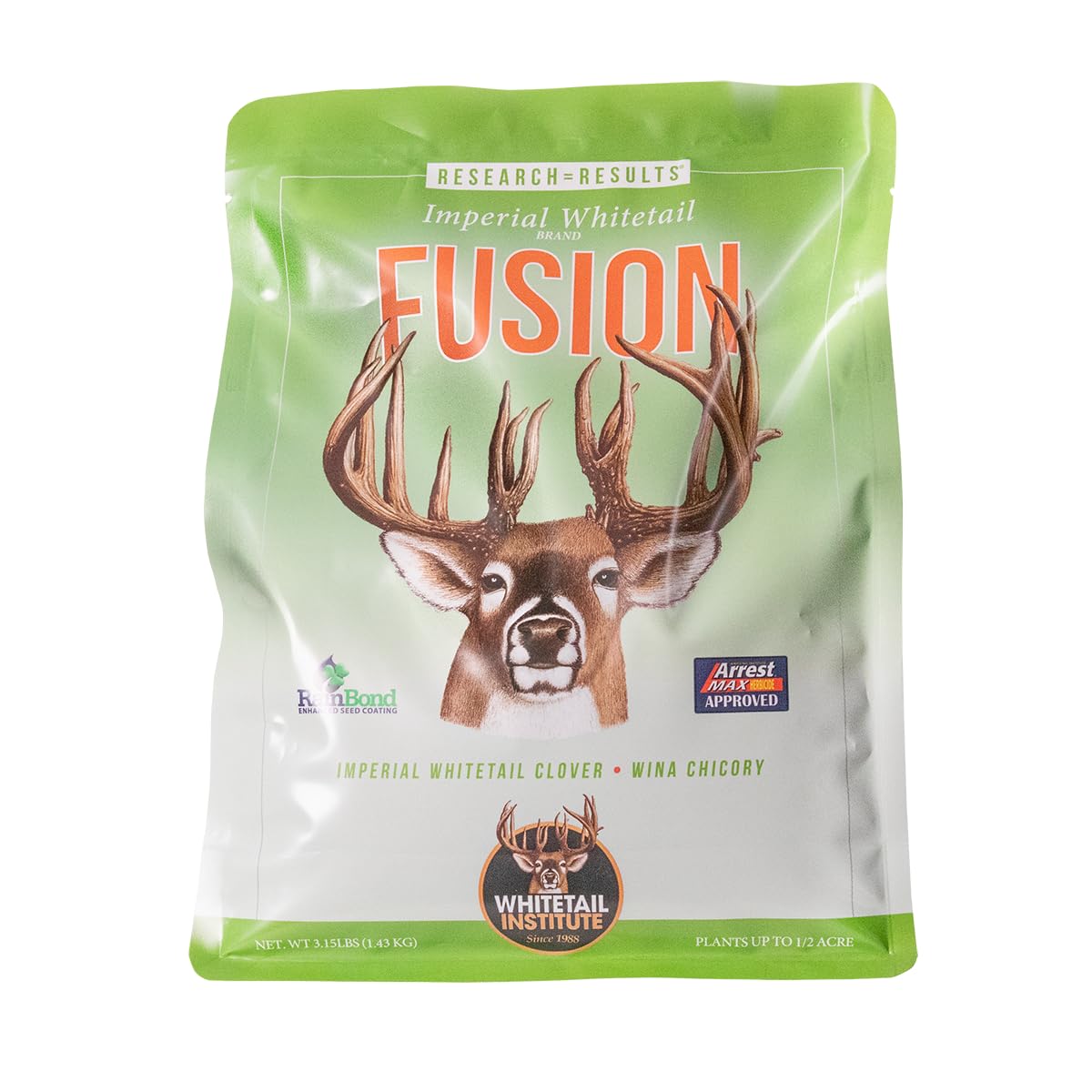
FUSION combines proprietary clovers with WINA perennial forage chicory to create a food plot that delivers up to 44% antler-building protein — more than double what most supplemental blocks provide. The blend is coated with RainBond technology, which dramatically improves seedling survivability during dry spells. It thrives in heat, cold, and drought conditions that would kill lesser plots.
The clover varieties in FUSION are scientifically developed specifically for deer food plots, not repurposed agricultural seed. That means they regrow aggressively after browsing, tolerate heavy grazing pressure, and stay palatable longer into the season. The chicory component adds variety to the deer’s diet and provides a second forage layer that stays productive when clover slows down.
This is the right choice for land managers willing to invest in soil preparation for a plot that returns years of high-quality forage. The protein levels are unmatched, the plant resilience is exceptional, and the deer usage data speaks for itself.
Why we love it
- Up to 44% protein for serious antler development
- RainBond coating improves germination in tough conditions
- Perennial blend regrows year after year with proper management
Good to know
- Requires soil testing and proper seedbed preparation for best results
- Higher upfront cost per bag compared to annual blends
3. Whitetail Institute No-Plow Food Plot Seed
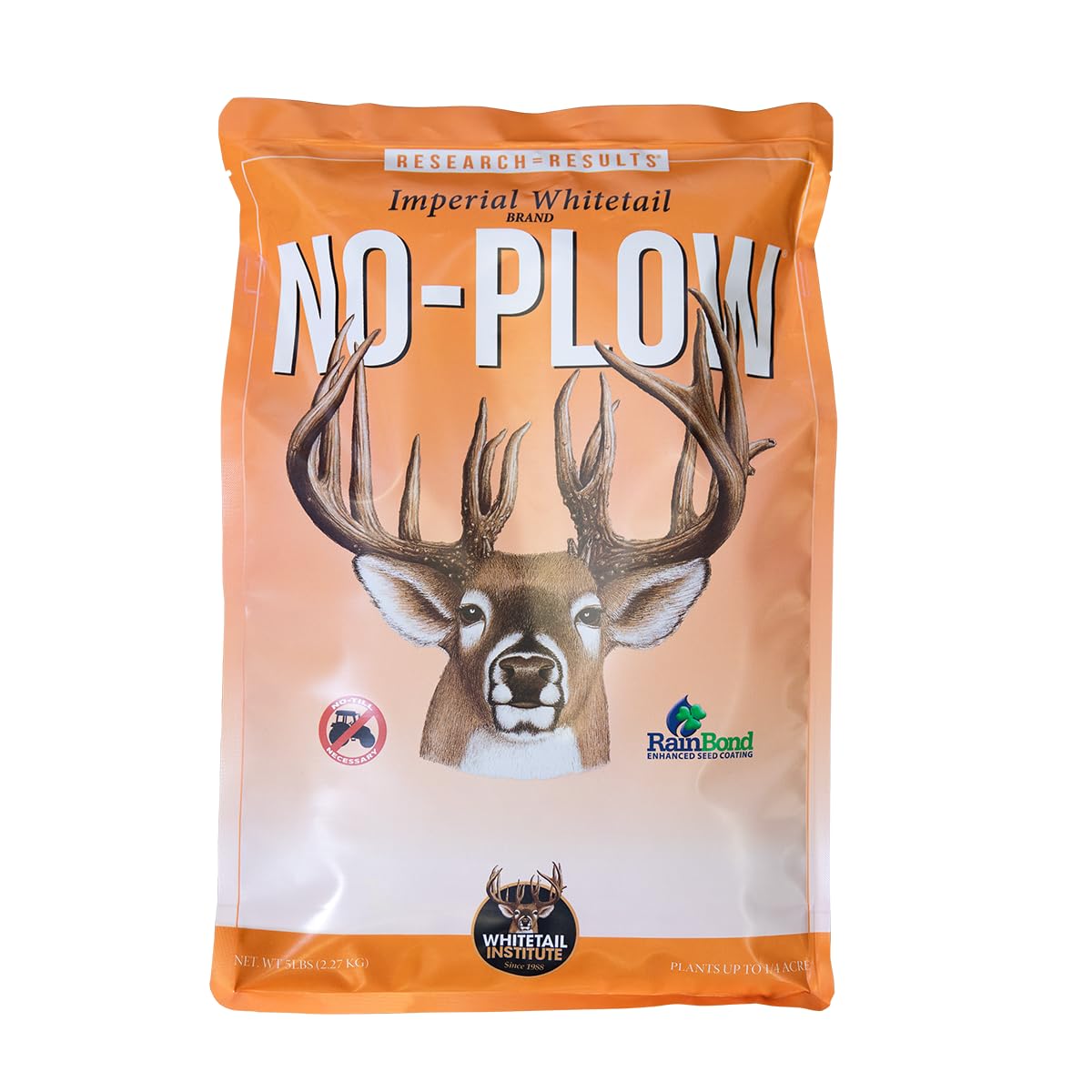
No-Plow was designed for the hard-to-reach spots — logging roads, remote clearings, and steep hillsides where you cannot get a tractor or tiller. The blend includes cereal grains, annual clovers, brassica, radish, and lettuce, creating a diverse salad buffet that deer find irresistible. It establishes quickly with minimal ground prep and tolerates as little as 3-4 hours of filtered sunlight daily.
Buyers consistently confirm that No-Plow shows visible growth within one week of planting, and after a month it stands ankle-deep in fertile soil. Even without lime or soil testing, the blend performs well, though adding fertilizer dramatically improves density. The drought and cold tolerance means this plot keeps producing when native forage dries up or goes dormant.
For anyone managing remote property without heavy equipment, this seed takes the headache out of food plotting. It grows fast, attracts hard, and requires the absolute minimum effort to establish.
Why we love it
- Visible growth in as little as one week after planting
- Thrives in partial shade and marginal soil conditions
- Diverse blend keeps deer coming back all season
Good to know
- Slower germination than some annuals if soil temperatures are low
- Best results still come from soil testing and lime application
4. CountryMax Backyard Seeds Whole Corn 50 lbs
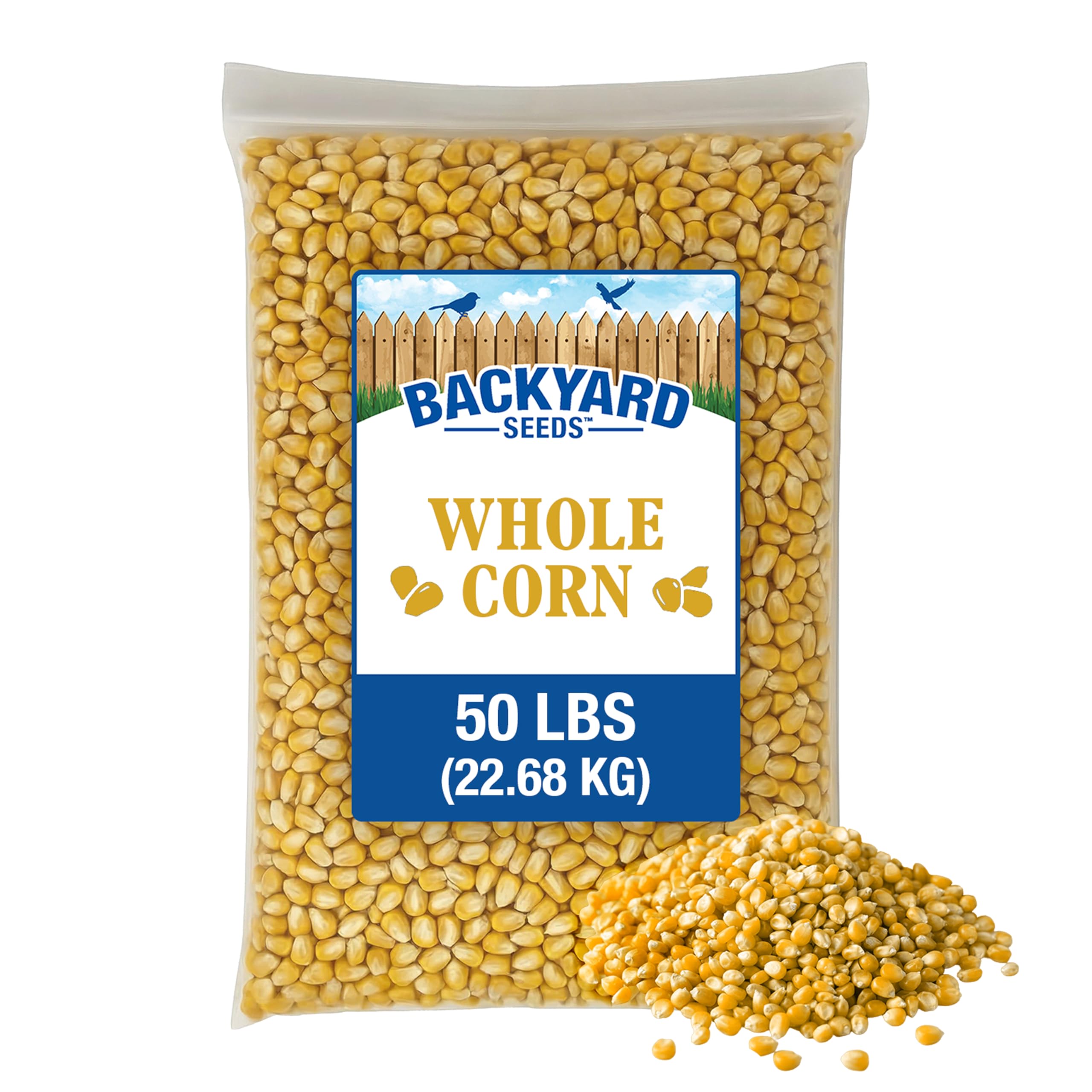
Whole corn is the backbone of winter deer feeding across North America, and this 50-pound bag from CountryMax delivers exactly what you need — clean, high-energy kernels with no debris or filler. Grown on a family farm in New York State, it provides the dense carbohydrates deer crave when temperatures drop and natural forage becomes scarce. It also attracts ground-feeding birds, squirrels, and turkeys, turning your property into a wildlife hub.
The protein content in whole corn sits around 8-9%, which is lower than blocks or food plots, so this works best as a cold-weather energy supplement rather than a year-round protein source. During winter, deer burn enormous calories staying warm, and corn delivers that energy efficiently. The 50-pound bag size means fewer trips to the feed store and less packaging waste.
For budget-conscious land managers looking to support their herd through harsh winters without breaking the bank, this is the most cost-effective option available. Pair it with a protein block during spring and summer for a complete year-round feeding strategy.
Why we love it
- 50 pounds of clean, debris-free whole corn at a reasonable cost
- Sourced from a small family farm in New York State
- High energy density ideal for winter supplemental feeding
Good to know
- Low protein content limits its value during antler growth season
- Whole corn can spoil if exposed to moisture without proper feeder setup
5. JCs Wildlife Dried Corn on the Cob 14 lbs
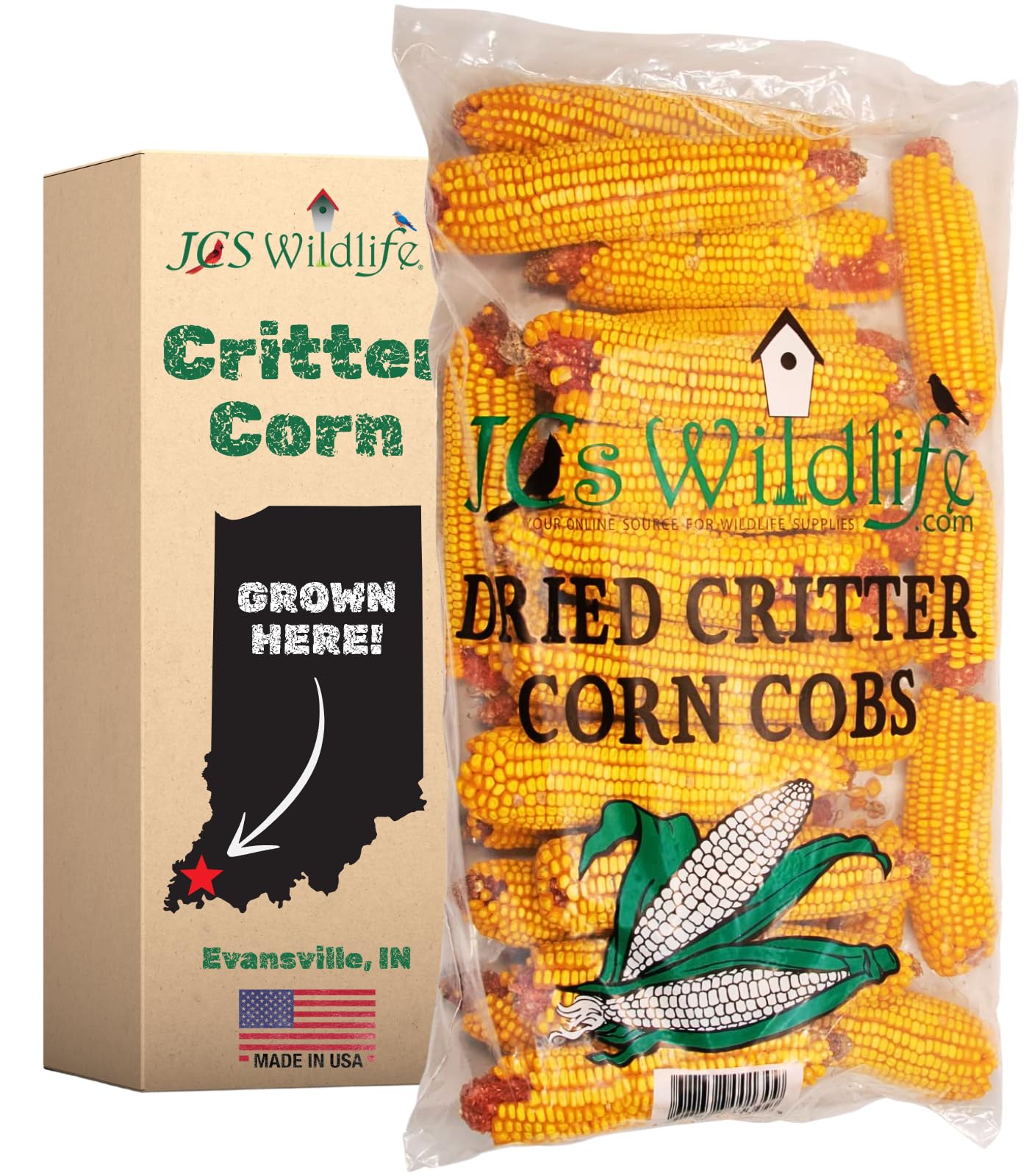
Dried corn on the cob offers something whole kernels cannot — a feeding experience that slows down consumption and gives every animal a fair shot. JCs Wildlife sources their corn locally from Evansville, Indiana, and packages it in breathable bags that prevent moisture buildup and mold growth. This corn attracts not just deer, but squirrels, raccoons, rabbits, geese, ducks, and turkeys, making it a fantastic choice for property owners who enjoy watching a variety of wildlife.
The cob format naturally reduces waste because animals cannot scatter the kernels as easily as loose corn. It also discourages dominant bucks from hogging the entire food source, since each cob limits how much one animal can eat in a single visit. The breathable packaging is a thoughtful touch — it keeps the product fresh even when stored in sheds or garages with fluctuating humidity.
If your goal is to create a lively backyard wildlife area while still providing quality nutrition for deer, this dried corn delivers the best of both worlds. It is not a high-protein solution, but it excels as an attractant and winter energy source.
Why we love it
- Cob format reduces waste and slows down feeding
- Breathable bag prevents mold and spoilage during storage
- Attracts a wide variety of wildlife beyond just deer
Good to know
- 14-pound bag is smaller than bulk whole corn options
- Lower protein content limits nutritional value for antler growth
Safety & Care Tips
Proper Feeder Placement & Hygiene
Position feeders and blocks in areas where deer naturally travel, such as staging sites near bedding areas, along well-used trails, or close to water sources. Keep feed off the ground using troughs or gravity feeders to reduce soil contamination and prevent mold growth. Rotate feeding locations every few weeks to avoid concentrating waste and parasites in one spot, which can lead to disease transmission within the herd.
Seasonal Feeding Strategy
Deer nutritional needs shift dramatically across the year. Provide high-protein feeds and food plots from early spring through late summer to support antler development and fawn growth. Transition to high-energy carbohydrates like whole corn during late fall and winter when deer burn calories to stay warm. Avoid sudden diet changes — introduce new feeds gradually over 7-10 days to prevent digestive upset, especially when moving from low-protein to high-protein options.
FAQ
What is the best feed for deer during winter?
Can I feed deer corn year-round?
How much protein do deer need in their feed?
Final Thoughts: The Verdict
For most land managers, the feed for deer winner is the Antler King Grainiac Block because it combines solid 16% protein with a long-lasting block format that resists weather and attracts deer consistently. If you want the highest possible protein content for antler development, grab the Whitetail Institute FUSION seed and establish a perennial food plot. And for a budget-friendly winter energy source, nothing beats the CountryMax Whole Corn 50-pound bag.