
Every rooster owner knows the sound of a truly content bird—a deep, resonant crow that says the flock is thriving. But behind that healthy call is a carefully balanced diet. Finding the right nutrition can feel overwhelming with so many bags, blends, and labels lining the shelves. You aren’t looking for just any feed; you need a formula that supports strong legs, glossy plumage, and the natural vitality that makes your rooster the undisputed king of the coop.
I’m Mo Mahin — the founder and writer behind Furric. I’ve spent countless hours examining veterinary nutritional standards for poultry, analyzing ingredient sourcing practices, and studying real owner feedback to understand what truly works for breeding roosters.
After thoroughly analyzing dozens of poultry nutrition options and vet recommendations, I present this definitive guide to the absolute best feed for roosters for healthy, thriving flocks on the market today.
How To Choose The Best Feed For Roosters
Roosters have distinct nutritional needs that differ from laying hens or growing chicks. While they can eat layer feed, a diet too high in calcium can strain their kidneys over time. The ideal rooster diet focuses on moderate protein, balanced amino acids, and clean ingredients without artificial additives.
Cracking the Protein Code
Protein is the building block for muscle tone and feather regrowth during molting. Look for feeds offering around 15% to 18% protein. If you raise active or free-range roosters, consider supplementing with high-protein treats like mealworms or black soldier fly larvae to maintain their energy levels without overloading on calcium.
Understanding Ingredient Labels
Soy and corn are common fillers that some birds struggle to digest. Whole grains like barley, oats, and peas provide better nutrition and mimic a rooster’s natural foraging diet. Certifications like Non-GMO Project Verified or USDA Organic offer transparency, but many independent mills produce excellent feed without the official seal—trust your flock’s reaction as much as the label.
Quick Comparison
On smaller screens, swipe sideways to see the full table.
| Model | Type | Best For | Key Feature | Amazon |
|---|---|---|---|---|
| Scratch and Peck Whole Grain Grower Mash | Mash | Rooster growth and feathering | Corn-free organic whole grains | Amazon |
| Purina Start and Grow Crumbles | Crumbles | Young roosters and pullets | Prebiotics and probiotics for digestion | Amazon |
| Hatortempt Dried Black Soldier Fly Larvae | Treat | Protein and calcium boost | 40% protein and 4% calcium | Amazon |
| SANSECT Dried Mealworms | Treat | Premium high-protein snack | 51.2% protein, sustainably raised | Amazon |
| Buff Clucks Herb Supplement | Supplement | Daily wellness and mite defense | Non-GMO culinary-grade herbs | Amazon |
In-Depth Reviews
1. Scratch and Peck Whole Grain Grower Mash

This isn’t your average bag of dusty crumbles. Scratch and Peck delivers a visible mix of whole grains, peas, and grubs that looks more like human-grade muesli than poultry feed. The 17% protein level hits the sweet spot for growing roosters without overshooting into high-calcium territory. What sets this mash apart is its fermentability—add water and apple cider vinegar, and you create a probiotic-rich feed that cuts waste and improves digestion dramatically.
Poultry enthusiasts who ferment this feed report noticeably less potent droppings and better nutrient absorption from their birds. The corn-free and soy-free formula means fewer allergens for sensitive roosters, and the Non-GMO Project seal offers peace of mind. Some keepers note that their birds sift out the larger pieces and leave behind a fine powder, but this is easily solved by offering the mash in a shallow dish or mixing it with a splash of water to create a sticky consistency.
While the price per pound sits higher than conventional feed, you are paying for transparency and quality. The visible whole ingredients let you see exactly what your rooster is eating—no mystery fillers. For backyard flock owners who prioritize organic, non-medicated nutrition, this mash is the gold standard.
Why we love it
- Visible whole grains with no corn or soy
- Excellent fermentability for gut health
- USDA Organic and Non-GMO verified
- Supports balanced growth without excess calcium
Good to know
- Birds may leave behind some powdered residue
- Higher cost compared to commodity feeds
- Best used as a complete feed, not a supplement
2. Purina Start and Grow Non-Medicated Chick Feed Crumbles
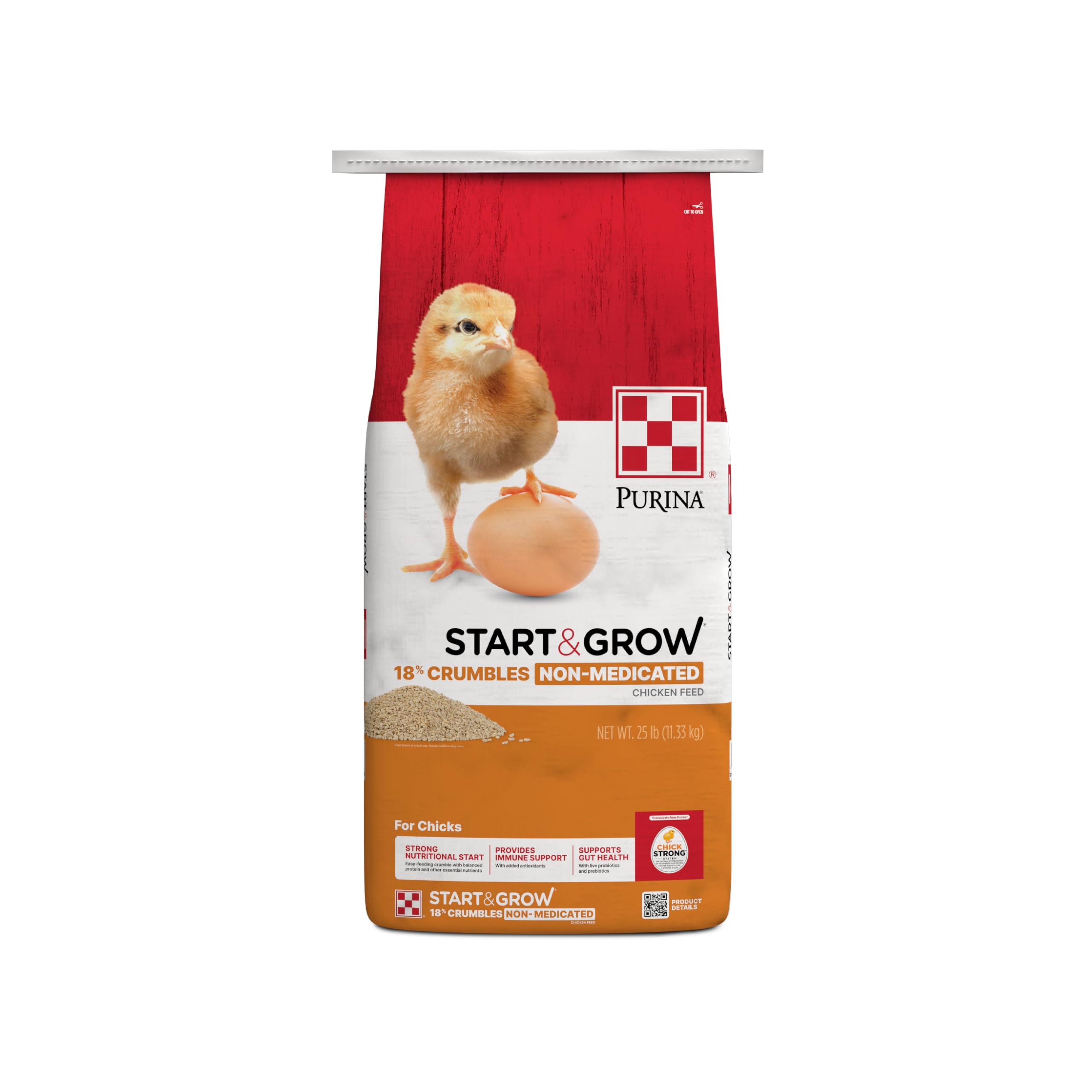
Purina brings decades of poultry nutrition research into this correctly balanced crumble. Designed for chicks from hatch to 18 weeks, it works beautifully for young roosters who need steady growth without the calcium load of layer feed. The 18% protein is enhanced with lysine and methionine—essential amino acids that support robust muscle and skeletal development. Added marigold extract gives beaks and feathers a vibrant, healthy color.
What truly makes this feed stand out is the inclusion of prebiotics and probiotics. These support the delicate gut flora of growing birds, reducing the risk of pasty vent and other digestive upsets. This is a limited-ingredient formula with no added antibiotics, which aligns well with natural flock management practices. Rooster owners consistently report enthusiastic feeding behavior and excellent feather condition when using this crumble.
The crumble texture is ideal for young birds but can be fed to adult roosters as a maintenance diet if you supplement with whole grains. It’s widely available and competitively priced for the quality. The bag size offers great value for multi-bird flocks. A dependable workhorse that delivers exactly what it promises without gimmicks.
Why we love it
- Clinically balanced amino acid profile
- Probiotics promote digestive health
- No added antibiotics or artificial colors
- Budget-friendly for the quality
Good to know
- Contains corn and soy, may not suit all birds
- Not suitable as a complete adult rooster feed
- Crumbles can create dust in the feeder
3. Hatortempt Dried Black Soldier Fly Larvae
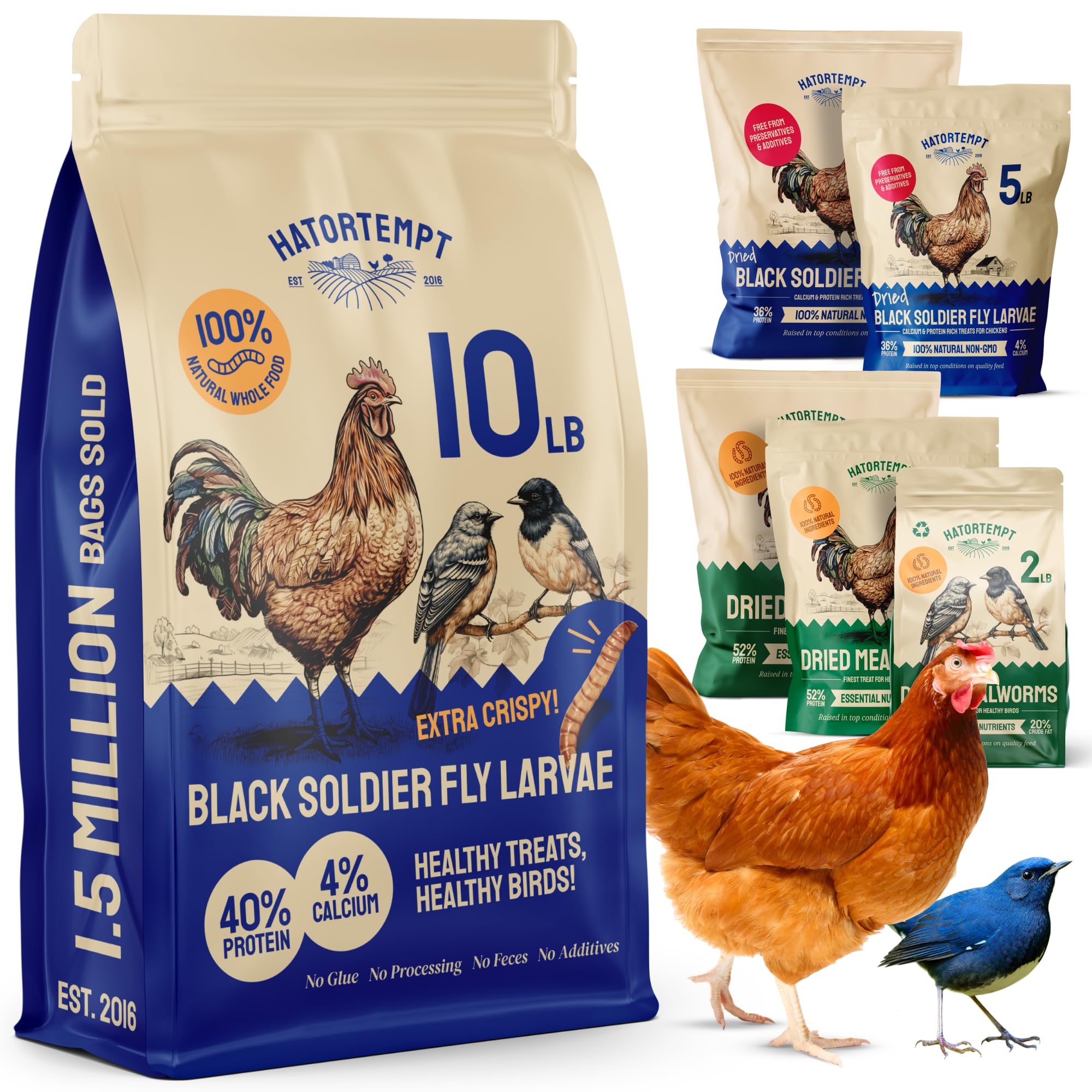
Black soldier fly larvae are nature’s multivitamin for poultry, and Hatortempt delivers them in premium form. Each batch is hand-inspected to remove empty shells and debris, ensuring you get plump, nutrient-dense grubs. The 40% protein content is ideal for supporting roosters through molting, cold weather, or breeding season. The calcium content also helps maintain strong bones and sturdy eggshells if your hens share the treat.
What seasoned flock owners appreciate is the lack of unpleasant odor—a common complaint with lesser-quality insect products. These larvae have a clean, earthy smell, and the 10-pound resealable bag keeps them fresh without refrigeration. A happy medium between a supplement and a treat, they can be scattered on the ground to encourage natural foraging behavior or mixed into the daily feed ration. Birds often go absolutely wild for them, which makes training and positive reinforcement much easier.
The biggest advantage over mealworms is the calcium-to-phosphorus ratio, which is naturally higher. This makes BSF larvae a smarter choice for roosters housed with laying hens who need extra calcium. A versatile, sustainable protein source that turns your rooster’s diet into a powerhouse of natural nutrition.
Why we love it
- Excellent calcium-to-phosphorus ratio
- Hand-inspected, no dust or debris
- Minimal odor compared to other insect treats
- Supports molting and winter condition
Good to know
- Should supplement, not replace, complete feed
- Larger larvae may need crushing for small chicks
- Resealable bag requires careful closure
4. SANSECT Dried Mealworms
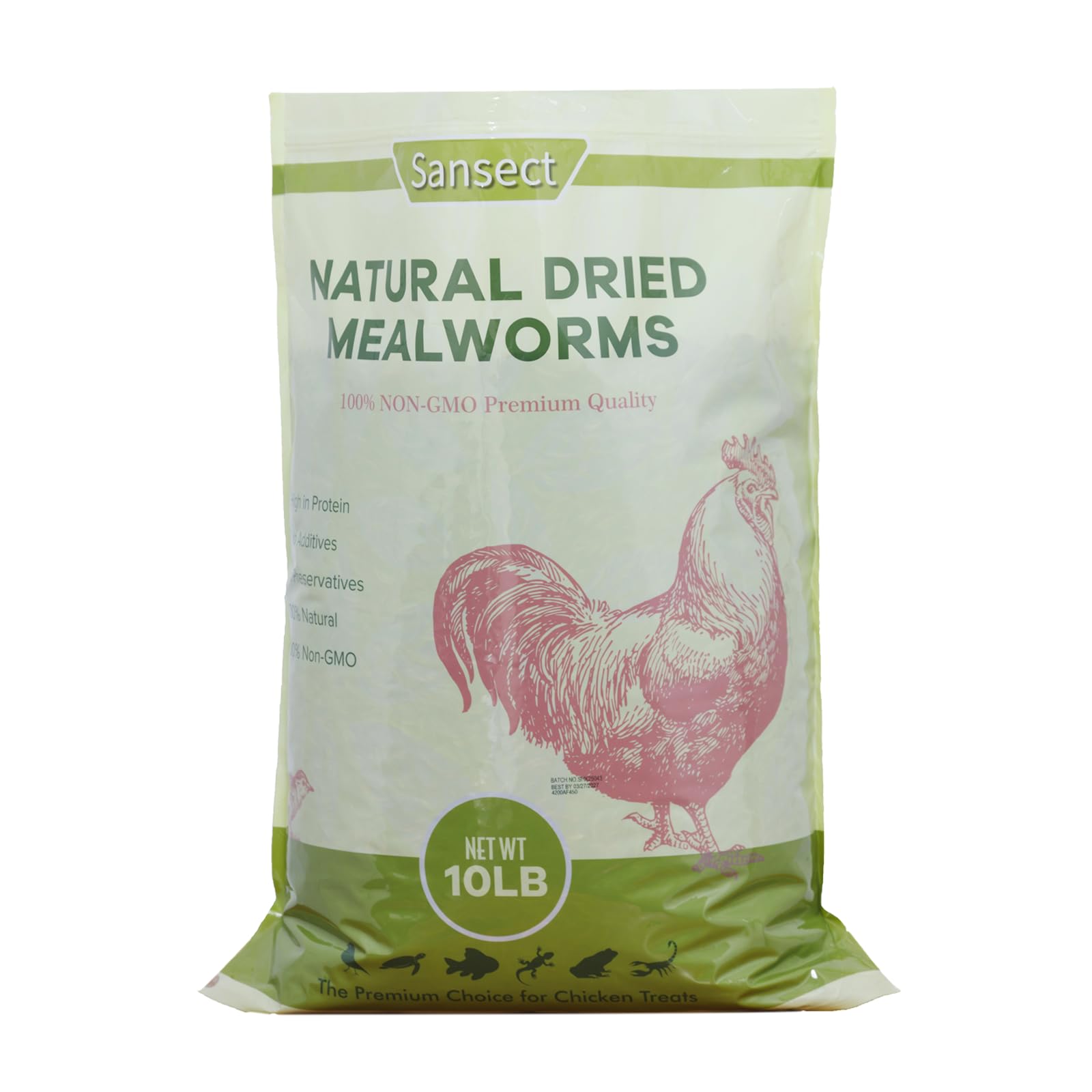
When your rooster needs a serious protein boost, SANSECT mealworms deliver with an impressive 51.2% protein content—10% higher than most black soldier fly larvae. These are raised on an organic diet of wheat, corn, and vegetables, ensuring the nutrient profile is as clean as it is potent. The quick-drying process locks in flavor and texture, making them irresistible to poultry, wild birds, and even turtles.
Flocks that eagerly anticipate treat time will come running when they hear the rustle of this bag. The mealworms are hard and crunchy, with no stale or rancid smell—a testament to the quality control. The zip-top pouch is thick and durable, designed to keep the contents fresh even after multiple openings. This 10-pound bag offers excellent value for keepers who go through treats quickly.
One of the standout features is the sustainability promise: raised on an organic diet with hand-picked quality control. The company removes empty shells and low-quality larvae, so every worm you serve is plump and nutritious. Perfect as a high-value training reward or a winter supplement when natural forage is scarce. Your roosters will not only thrive but also adore you for it.
Why we love it
- Ultra-high 51.2% protein content
- Sustainably raised on organic feed
- Thick, durable zip-top bag
- No artifical additives or preservatives
Good to know
- Mealworms have a lower calcium ratio than BSF larvae
- Birds may develop strong treat-seeking behavior
- Should not exceed 10% of daily diet
5. Buff Clucks Herb Supplement for Backyard Chickens
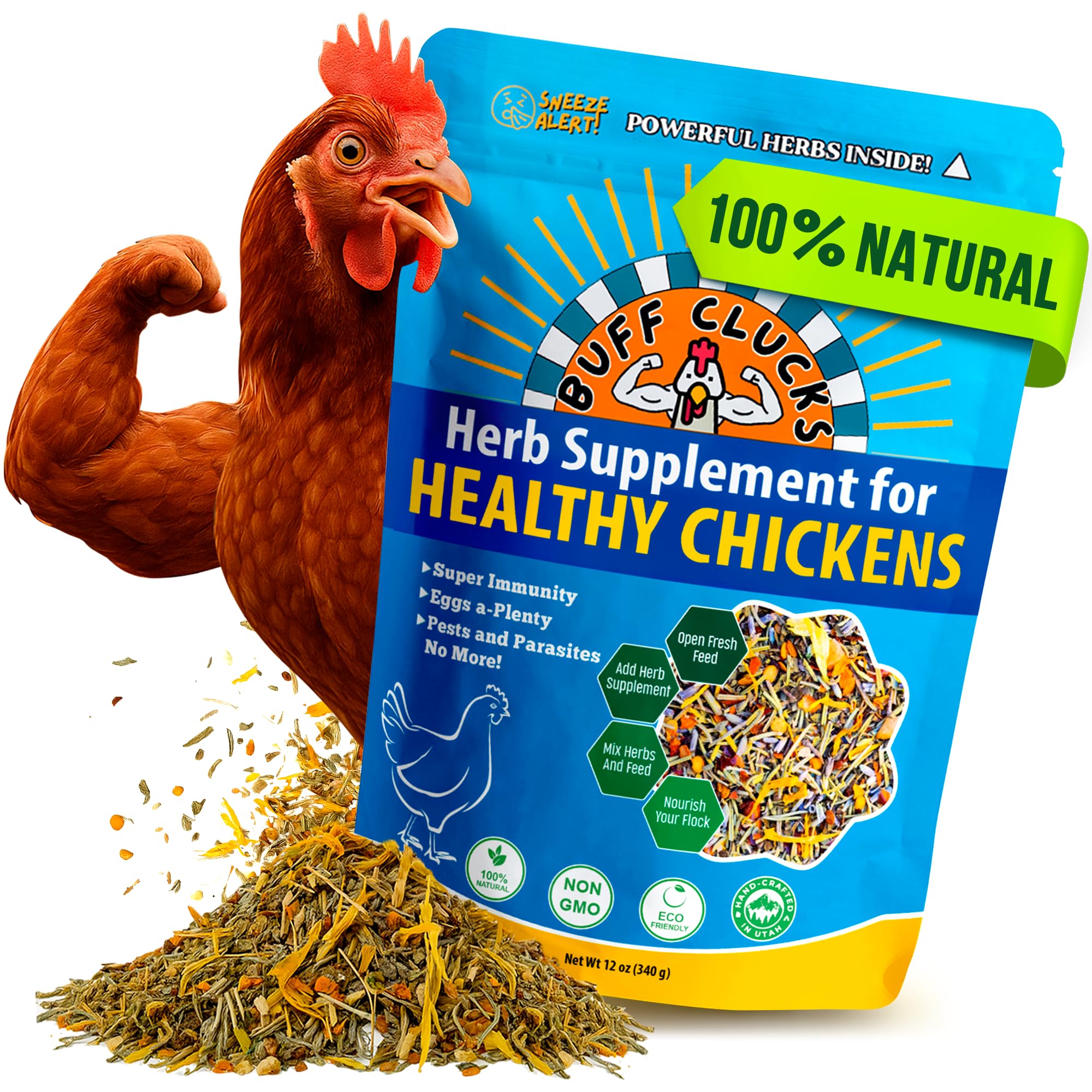
Buff Clucks takes herbal poultry care seriously. This blend of oregano, basil, garlic, rosemary, lavender, and calendula is crafted from culinary-grade, non-GMO herbs with zero synthetic additives. Each small bag is designed to mix into 30 to 50 pounds of feed, providing a month’s worth of daily wellness for up to eight birds. The herbs support immune function, respiratory health, and calm nesting behavior.
Keepers dealing with persistent mite problems have reported dramatic results after using this as a bedding additive in nesting boxes and dust baths. The aromatic blend naturally deters pests while promoting shiny feathers and healthy egg yolk color. Since it’s appropriate for all life stages, you can use it from chickhood through adulthood without worrying about over-supplementation.
The fresh, potent smell is a testament to the quality—one owner jokingly warned about sneezing when pouring. While this is a supplement, not a complete feed, it fills a unique niche for rooster owners who want to address specific health concerns naturally. For a budget-friendly addition that tackles everything from digestion to pest control, Buff Clucks is an asset to any first aid kit.
Why we love it
- Natural mite and pest deterrent
- Supports respiratory and immune health
- Safe for all poultry species and ages
- Handcrafted in the USA
Good to know
- Not a complete feed, only a supplement
- Strong scent may be overwhelming when pouring
- Small 12 oz bag requires frequent reordering for large flocks
Safety & Care Tips
Store Feed to Prevent Spoilage
Whole grain and mash feeds are more prone to mold and pest infestation than pelleted feeds. Always store opened bags in a sealed metal or heavy-duty plastic container in a cool, dry location. If you ferment feed, use a dedicated glass or food-grade plastic container and rinse it between batches to prevent harmful bacterial growth.
Gradually Transition New Feeds
Sudden diet changes can cause digestive upset in roosters. When introducing a new feed, mix it with the old formula over 5 to 7 days, gradually increasing the ratio. Watch for any signs of reduced appetite or loose droppings. For high-protein treats like mealworms or BSF larvae, limit initial portions to no more than 10% of total daily intake.
FAQ
Can roosters eat layer feed designed for hens?
How often should I feed treats to my rooster?
Is organic feed always better for roosters?
Final Thoughts: The Verdict
For most flock owners, the feed for roosters winner is the Scratch and Peck Whole Grain Grower Mash because it combines certified organic whole ingredients with the unique ability to be fermented for enhanced digestion. If you need a reliable budget-friendly starter feed for young birds, grab the Purina Start and Grow Crumbles. And for adding a potent protein punch during molting or cold weather, nothing beats the Hatortempt Black Soldier Fly Larvae.