
Managing a cat with pancreatitis means navigating a minefield of dietary triggers that can send their digestive system into chaos. The wrong protein source or fat content can reignite inflammation, leading to vomiting, diarrhea, and pain that sets back weeks of recovery.
I’m Mo Mahin — the founder and writer behind Furric. My work involves comparing veterinary diet formulations, analyzing hydrolyzed protein particle sizes, and studying feline gastroenterology research to understand which nutritional profiles genuinely stabilize an inflamed pancreas.
After evaluating the leading hydrolyzed protein and limited-ingredient diets, I’ve assembled the most reliable options for sensitive felines. Read on for my definitive guide to the best food for cats with pancreatitis that prioritizes digestive rest and nutrient absorption.
How To Choose The Best Food For Cats With Pancreatitis
Selecting the right food for a cat recovering from or managing pancreatitis requires understanding how the digestive system processes nutrients. The primary goal is to provide adequate nutrition while minimizing the stimulation of pancreatic enzyme release, which can aggravate inflammation.
Hydrolyzed Protein Sourcing
Hydrolyzed proteins are broken down into molecular fragments so small that the immune system and digestive tract are less likely to recognize them as a threat. This reduces the risk of adverse food reactions that can trigger pancreatic flare-ups. Look for diets where the primary protein source is explicitly listed as hydrolyzed — chicken, salmon, or soy protein hydrolysate are common options that serve this purpose.
Fat Content and Digestibility
Pancreatitis impairs the organ’s ability to produce lipase, the enzyme responsible for fat digestion. A diet with controlled, moderate fat levels — typically under 15% on a dry matter basis for maintenance — reduces the digestive burden. Ultra-low-fat diets are often necessary during acute episodes, but for long-term management, a moderately restricted fat level combined with highly digestible carbohydrates supports steady energy without overwhelming the pancreas.
Low-Residue Formulation
A low-residue diet minimizes the amount of indigestible material reaching the colon, which reduces stool volume and gastrointestinal motility. This is crucial for cats with concurrent exocrine pancreatic insufficiency (EPI) or inflammatory bowel disease (IBD), conditions that frequently accompany pancreatitis. Single carbohydrate sources and prebiotic fibers like those found in veterinary hydrolyzed diets promote a healthier gut microbiome while keeping the digestive workload light.
Quick Comparison
On smaller screens, swipe sideways to see the full table.
| Model | Category | Best For | Key Spec | Amazon |
|---|---|---|---|---|
| Purina Pro Plan Veterinary HA | Hydrolyzed Dry | Single-carb source stability | St/Ox Defense urinary support | Amazon |
| Hill’s z/d Skin/Food Sensitivities | Hydrolyzed Dry | Chronic vomiting & itching | ActivBiome+ prebiotic fibers | Amazon |
| Blue Buffalo HF Hydrolyzed | Hydrolyzed Dry | Poultry-free protein preference | Hydrolyzed salmon first ingredient | Amazon |
| Hill’s c/d Multicare Stress | Urinary Wet | Hydration & concurrent urinary care | Dissolves struvite in 7 days avg. | Amazon |
| Royal Canin Hydrolyzed Protein HP | Hydrolyzed Dry | Severe food protein sensitivities | Hydrolyzed soy protein base | Amazon |
In‑Depth Reviews
1. Purina Pro Plan Veterinary Diets HA Hydrolyzed Feline Formula Dry Cat Food

The Purina Pro Plan Veterinary HA formula uses hydrolyzed protein isolated from a single animal source, combined with a single carbohydrate source to minimize antigenic stimulation. This design is specifically intended for cats whose pancreatitis is triggered or worsened by adverse food reactions to common proteins like chicken or beef. The dry kibble formulation includes St/Ox Defense technology, which promotes a urinary environment unfavorable to struvite and calcium oxalate formation — a significant benefit since pancreatitis patients often have altered water intake and urine concentration.
Customer feedback consistently highlights resolution of chronic vomiting and diarrhea after transitioning to this diet. Multiple verified purchasers report cats that had been “puking daily” or suffering from “profuse diarrhea” stabilizing within a week. The kibble is small and easy to chew, suitable for cats recovering from periods of poor appetite. The formula is also highly digestible, resulting in noticeably less stool odor and firmer bowel movements compared to standard commercial foods.
One trade-off is the inclusion of soy protein isolate as the primary ingredient, which some owners prefer to avoid due to its status as a common but less studied allergen. A few cats may still exhibit mild scratching or skin irritation despite the hydrolyzed processing. The 4-pound bag size is practical for an elimination diet trial but may require frequent repurchasing for multi-cat households. Still, for a first-line veterinary hydrolyzed option backed by consistent clinical results, this formula offers exceptional value.
Why we love it
- Single carbohydrate source reduces digestive variables during recovery
- St/Ox Defense technology provides dual urinary crystal protection
- High palatability reported even among cats with rejection history
Good to know
- Contains soy protein isolate which may not suit all cats
- Limited to 4 lb bag size, requiring frequent reorders
2. Hill’s Prescription Diet z/d Skin/Food Sensitivities Dry Cat Food

Hill’s Prescription Diet z/d employs highly hydrolyzed chicken protein sources that are enzymatically broken down into fragments small enough to evade immune detection. The formula is enriched with ActivBiome+, a proprietary blend of prebiotic fibers clinically shown to rapidly activate beneficial gut bacteria, supporting digestive health and improving stool quality. This is particularly valuable for cats with pancreatitis-related diarrhea or loose stools, as the prebiotic matrix encourages a healthier colonic environment without increasing insoluble fiber that could irritate an inflamed gut.
Owner reports frequently describe a dramatic turnaround in cats that had been vomiting multiple times weekly for years. One reviewer noted their 15-year-old cat stopped daily vomiting after switching to this food, a change that persisted after lifelong failed attempts with other diets. The kibble has a consistent size and texture that senior cats with dental issues find manageable. The formula also includes omega-6 and omega-3 fatty acids to support skin barrier repair, addressing both gastrointestinal and dermatological symptoms of food sensitivity simultaneously.
A potential consideration is that the hydrolyzed protein base is chicken-derived, which some cats with extreme poultry allergies may still react to, though the hydrolysis process typically mitigates this risk. The 4-pound bag is on the smaller side for larger cats or multi-pet homes. The cost reflects its prescription status and specialized formulation, but for cats with chronic undiagnosed vomiting that other diets could not resolve, the clinical improvement reported by owners justifies the investment in this specific hydrolyzed chicken formulation.
Why we love it
- ActivBiome+ prebiotic blend supports rapid microbiome recovery
- Proven to stop chronic vomiting in senior cats with food sensitivities
- Dual-action formula addresses both gastrointestinal and skin symptoms
Good to know
- Hydrolyzed chicken base may still trigger rare extreme poultry allergies
- Small bag size for the price point requires regular reordering
3. Blue Buffalo Natural Veterinary Diet HF Hydrolyzed for Food Intolerance Dry Cat Food
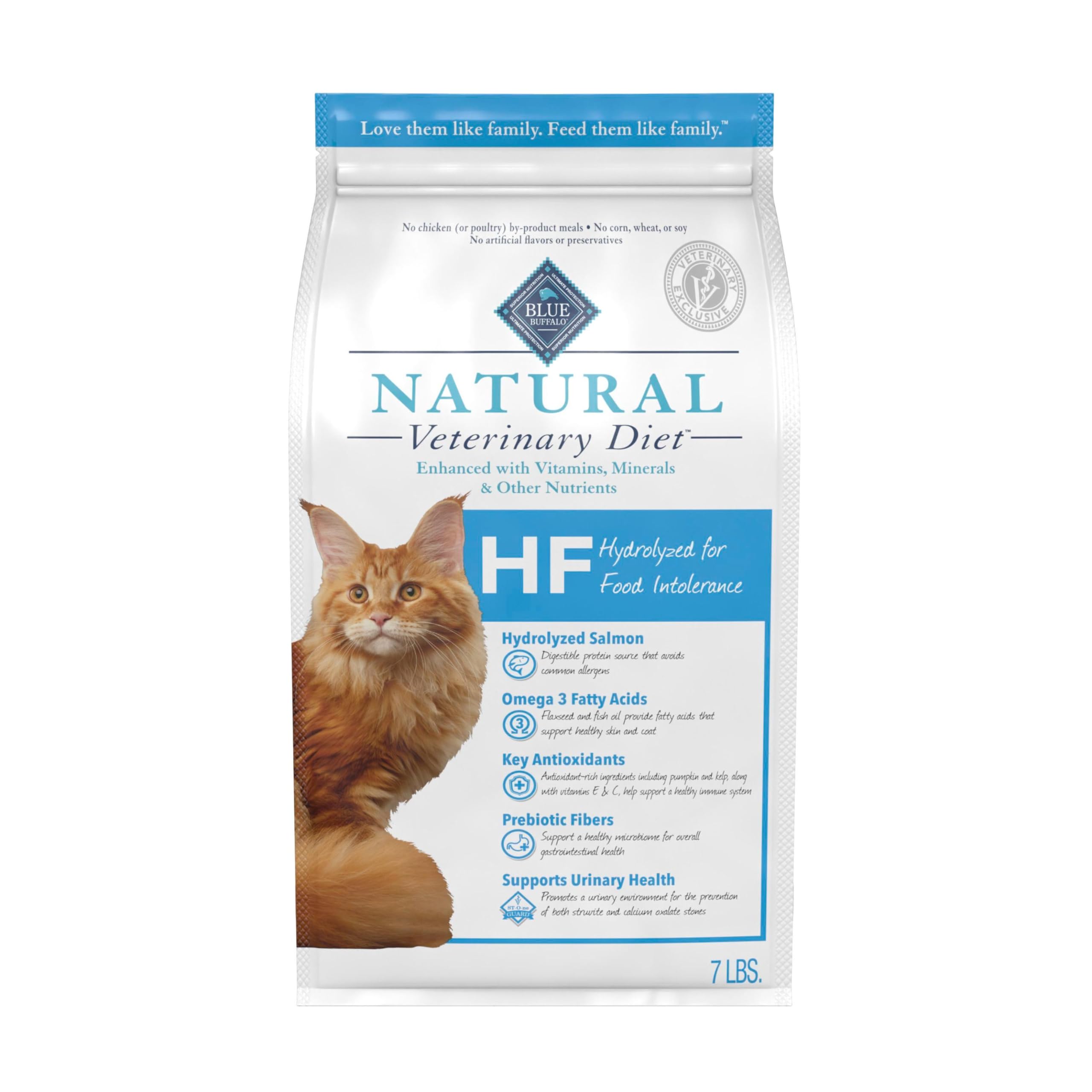
Blue Buffalo’s HF Hydrolyzed formula is distinguished by using real hydrolyzed salmon as the first ingredient, making it the only product in this lineup that avoids poultry and poultry by-product meals entirely. For cats with confirmed or suspected hypersensitivity to chicken or turkey, this salmon-based hydrolysate offers a novel protein pathway that still delivers the digestive benefits of broken-down protein fragments. The formula is also free of corn, wheat, and soy, which aligns with the goal of reducing potential antigenic triggers in cats with pancreatitis and concurrent food intolerance.
The 7-pound bag size offers roughly double the volume of the other hydrolyzed options listed here, making it a more economical choice per feeding for those who have confirmed this diet works for their cat. The kibble formulation is designed to be easily digestible, with a focus on limiting ingredients that could provoke an immune response. The absence of added antibiotics and the “natural” labeling appeal to owners seeking a cleaner ingredient panel within the prescription diet category. The larger bag also means fewer ordering cycles, reducing the risk of running out during a critical dietary transition period.
The lack of extensive customer reviews on this specific product makes it harder to gauge real-world palatability and stool response compared to the more established Hill’s and Royal Canin options. Some cats may find the salmon flavor less palatable than chicken-based hydrolyzed diets. Additionally, while the formula avoids common allergens, it still contains ingredients like potato starch as a carbohydrate source, which may not suit every cat’s digestive tolerance. It remains a strong mid-range option for owners specifically seeking a poultry-free hydrolyzed prescription diet.
Why we love it
- Hydrolyzed salmon as first ingredient avoids poultry protein entirely
- 7-pound bag size provides better volume-to-price ratio than competitors
- Free from corn, wheat, soy, and poultry by-product meals
Good to know
- Limited customer review data makes long-term palatability uncertain
- Potato-based carbohydrate may not suit all digestive systems
4. Hill’s Prescription Diet c/d Multicare Stress Urinary Care Wet Cat Food

While primarily formulated for urinary health, Hill’s c/d Multicare Stress wet food serves a dual purpose for cats with pancreatitis who also struggle with hydration and urinary crystal formation — common comorbidities in stressed or dehydrated felines. The 2.9-ounce can size is ideal for controlled portion feeding during acute pancreatitis recovery, where small, frequent meals are preferred to avoid overstimulating the pancreas. The chicken and vegetable stew texture provides moisture that supports kidney function and helps prevent the concentrated urine that exacerbates struvite and calcium oxalate formation.
The formula is clinically tested to lower the recurrence rate of most common urinary signs by 89%, which is relevant because cats with pancreatitis often experience increased stress levels that can trigger flare-ups of lower urinary tract disease. The controlled levels of magnesium, calcium, and phosphorus reduce the building blocks of both struvite and calcium oxalate stones. The stew format is highly palatable and can be easily mixed with water to further increase fluid intake — a critical factor for cats that are reluctant drinkers during illness.
This is not a primary pancreatitis management diet, as its protein and fat profile are not specifically designed for pancreatic rest. The chicken-based protein may trigger reactions in cats with confirmed poultry sensitivities, even though it is not hydrolyzed. It is best used as a supplemental wet food option for cats who need both hydration support and urinary care alongside a primary hydrolyzed dry diet. The 24-pack is convenient for multi-cat households or for establishing a consistent feeding routine, but the per-can cost places it in the premium tier of therapeutic wet foods.
Why we love it
- Stew texture encourages hydration critical for pancreatitis recovery
- Clinically proven 89% reduction in urinary sign recurrence
- Controlled mineral levels reduce crystal formation risk
Good to know
- Not formulated for primary pancreatitis dietary management
- Chicken protein may not suit cats with poultry sensitivities
5. Royal Canin Veterinary Diet Feline Hydrolyzed Protein Adult HP Dry Cat Food
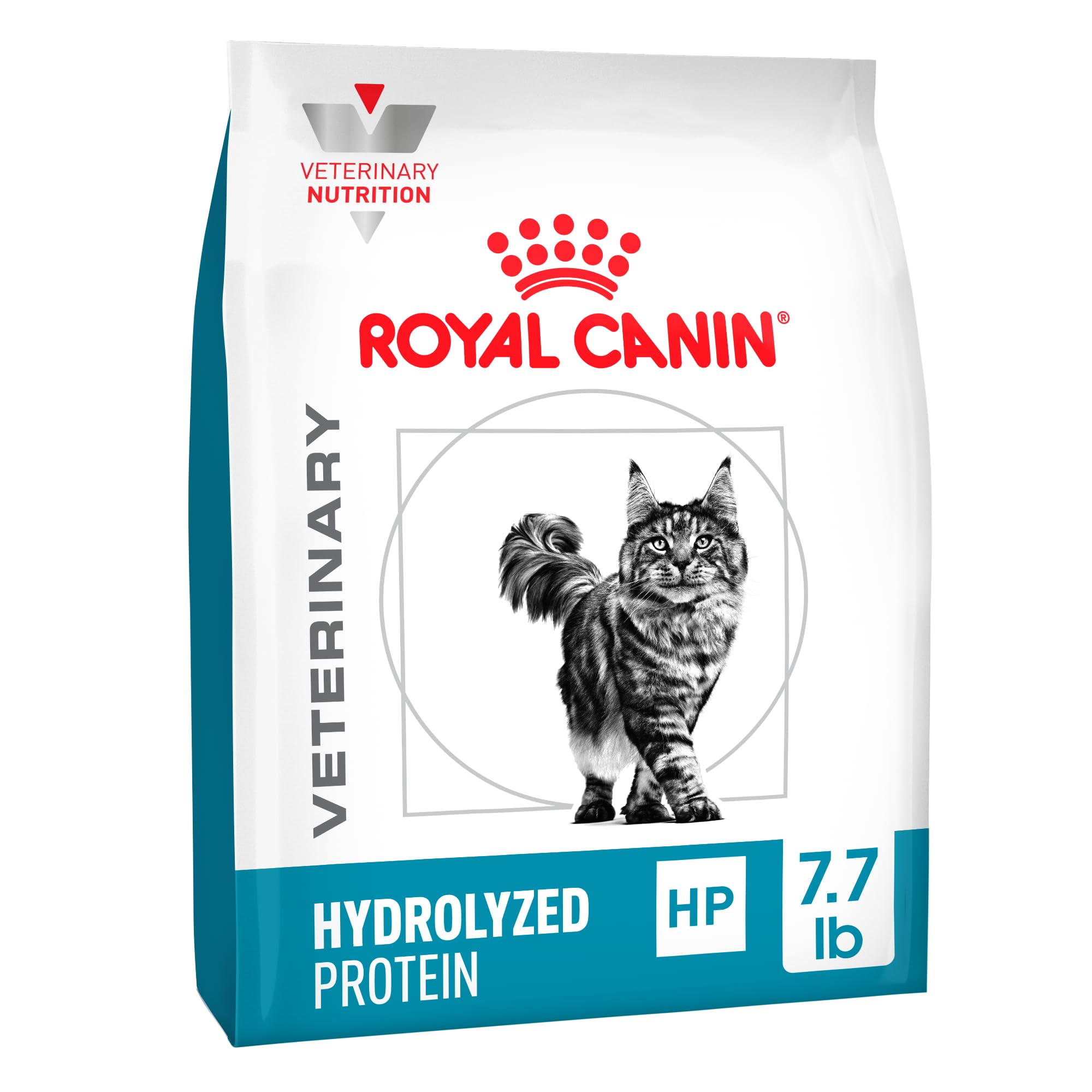
Royal Canin’s hydrolyzed protein HP formula uses hydrolyzed soy protein as its exclusive protein source, broken down to a molecular weight designed to minimize immune recognition. This makes it a valuable option for cats with pancreatitis triggered by allergic reactions to animal-based proteins. The kibble formulation includes a proprietary blend of fibers and prebiotics specifically selected to support healthy digestion and promote beneficial gut bacteria, addressing the gastrointestinal upset that often accompanies pancreatic inflammation. The 7.7-pound bag is the largest dry offering in this review, providing a longer interval between purchases.
Long-term users frequently report that their cats have maintained stable weight and solid stool consistency for years on this diet. One verified owner mentioned a cat that had been successfully managed on this food for nearly five years, with “stools still on the soft side but manageable” — a realistic outcome for cats with chronic pancreatitis and EPI. The taste appears to be surprisingly palatable given the soy protein base, with many reviewers noting that their cats “scarfed down the first bowl,” contradicting the expectation that hydrolyzed diets are inherently unappetizing. The formula also includes essential nutrients that reinforce the skin barrier, benefiting cats with concurrent dermatological food reactions.
The primary drawback is that a small but meaningful number of customers have reported receiving incorrect product shipments from Amazon — bags that look identical but lack the “hypoallergenic” labeling, which can cause vomiting in cats strictly managed on the hydrolyzed formula. This supply chain issue necessitates careful inspection upon delivery. Additionally, the soy protein base may not be appropriate for cats with known soy sensitivities, though such cases are relatively rare. The premium price point reflects its veterinary-exclusive status, but for cats with confirmed animal-protein allergies, the clinical reliability justifies the cost.
Why we love it
- Proven five-year track record in managing protein-sensitive cats
- Largest bag size (7.7 lb) reduces reorder frequency
- Prebiotic fiber blend supports consistent stool quality long-term
Good to know
- Shipment errors reported with non-hydrolyzed versions
- Soy protein base may not suit cats with soy sensitivities
FAQ
Can I feed non-prescription limited-ingredient food to my cat with pancreatitis?
How long does it take for a hydrolyzed diet to show results in a cat with pancreatitis?
Is wet or dry food better for a cat recovering from pancreatitis?
Final Thoughts: The Verdict
For most cats with pancreatitis, the food for cats with pancreatitis winner is the Royal Canin Hydrolyzed Protein HP because its proven five-year track record, largest bag size, and soy-based hydrolyzed protein make it a reliable long-term solution for the widest range of protein sensitivities. If you need a poultry-free hydrolyzed option with a clean ingredient panel, grab the Blue Buffalo HF Hydrolyzed. And for cats whose pancreatitis is complicated by chronic vomiting that other diets could not resolve, nothing beats the clinical consistency of Hill’s z/d with ActivBiome+.