
A diagnosis of Cushing’s disease in your dog means navigating a complex set of dietary restrictions: low fat to protect the pancreas, moderate protein to support weakened organs, and tightly controlled phosphorus to preserve kidney function. Standard commercial kibble, with its high fat content and broad nutrient profiles, often worsens symptoms rather than manages them. The right food directly addresses these overlapping needs without requiring a prescription for every option.
I’m Mo Mahin — the founder and writer behind Furric. I’ve spent years cross-referencing veterinary nutritional data with owner-reported outcomes to identify which formulas actually deliver on their phosphorus, fat, and protein claims.
Whether your dog has concurrent pancreatitis, early-stage kidney disease, or simply needs a lower-calorie profile to manage Cushing’s-related weight gain, this guide breaks down the best options. Finding the right food for dogs with cushings disease requires matching specific lab values to ingredient formulations that won’t trigger new health crises.
How To Choose The Best Food For Dogs With Cushing’s Disease
Cushing’s disease (hyperadrenocorticism) elevates cortisol, which increases thirst, appetite, and the risk of pancreatitis while accelerating muscle wasting and kidney strain. Selecting the right diet means evaluating three primary metrics on the guaranteed analysis panel — fat, phosphorus, and protein — and understanding how each interacts with your dog’s specific blood work.
Prioritize Low Fat Content to Prevent Pancreatitis
Elevated cortisol directly raises blood lipids, making Cushing’s dogs highly susceptible to pancreatitis — a painful and potentially fatal inflammation. Aim for dry kibble with a crude fat percentage of 8% or lower on an as-fed basis. Wet foods should stay under 3% crude fat. Formulas labeled “low fat” or “reduced fat” that hover around 6% to 7% fat are ideal. Anything above 12% crude fat in dry food is a meaningful risk that can trigger an episode.
Control Phosphorus to Protect Kidneys
Cushing’s dogs are at increased risk for chronic kidney disease, and excess dietary phosphorus accelerates renal decline. Look for a phosphorus content below 0.8% on a dry matter basis. Many standard commercial foods run 1.0% to 1.5% phosphorus, which is too high for long-term feeding in this population. Veterinary renal diets typically drop phosphorus to 0.5% or lower, but several OTC brands now hit safe levels without a prescription.
Moderate Protein for Muscle Maintenance Without Kidney Overload
Cushing’s disease breaks down muscle tissue, so adequate high-quality protein is necessary — but excessive protein can stress compromised kidneys. Target a protein level between 18% and 25% on an as-fed basis for dry food, paired with restricted phosphorus. The protein should come from single, highly digestible sources like whitefish, turkey, or pork to minimize gastrointestinal irritation. Avoid chicken-based foods if your dog has concurrent food sensitivities or GI upset.
Quick Comparison
On smaller screens, swipe sideways to see the full table.
| Model | Category | Best For | Key Spec | Amazon |
|---|---|---|---|---|
| SquarePet Low Fat Whitefish | Dry Kibble | Dogs needing prescription-level low fat without a vet script | Crude Fat: 6.5% | Amazon |
| SquarePet VFS Low Phosphorus | Dry Kibble | Cushing’s with early kidney involvement | Phosphorus: <0.7% | Amazon |
| Dave’s Bland Diet Chicken & Rice | Wet Pate | Acute GI flare-ups or pancreatitis recovery | Crude Fat: 6% | Amazon |
| Royal Canin GI Low Fat | Dry Kibble | Vet-prescribed digestive and low-fat management | Crude Fat: 5.5% | Amazon |
| Forza10 Renal Support | Dry Kibble | Non-prescription kidney support with hydrolyzed protein | Phosphorus: 0.5% | Amazon |
| Hill’s k/d Kidney Care Stew | Wet Food | Advanced kidney disease with picky appetites | Phosphorus: 0.4% | Amazon |
| Eagle Pack Reduced Fat | Dry Kibble | Weight management with pancreatitis history | Crude Fat: 7.0% | Amazon |
In‑Depth Reviews
1. SquarePet VFS Low Phosphorus Turkey & Egg

This formula specifically targets the dual-organ strain common in Cushing’s dogs — low phosphorus for kidney protection (<0.7%) and moderate protein (around 22%) to counteract muscle wasting without overworking compromised kidneys. The cage-free turkey and whole eggs supply taurine and L-carnitine, which support heart function and energy metabolism respectively. Owner reports from dogs with concurrent chronic kidney disease and pancreatitis show it maintained stable creatinine values over months of feeding.
Unlike many veterinary renal diets, SquarePet includes added omega-3 fatty acids from salmon oil (DHA and EPA) to reduce systemic inflammation — a key concern when cortisol levels are chronically elevated. The proprietary fiber blend with prebiotics and probiotics addresses the loose stool that frequently accompanies Cushing’s-related digestive upset. It’s also corn-free, soy-free, and wheat-free, reducing the risk of food sensitivity reactions that complicate symptom management.
The primary drawback is palatability: some dogs reject it initially because it lacks the high-fat coating common in standard kibble. A gradual 10-day transition is essential. The 4.4 lb bag is also small for large breeds, though the lower feeding volume (due to its nutrient density) partially offsets the frequency of repurchase. For owners managing both kidney and pancreatic risks, this is the most comprehensive single-bag solution available without a prescription.
Why we love it
- Phosphorus below 0.7% protects kidneys without a vet script
- Omega-3s from salmon oil reduce systemic inflammation
- Turkey and egg provide high-quality protein for muscle maintenance
Good to know
- Some dogs need coaxing during the transition period
- Small bag size (4.4 lb) requires frequent repurchase for large breeds
2. SquarePet Low Fat Whitefish

At 6.5% crude fat, this kibble sits in the sweet spot for Cushing’s dogs who need to avoid triggering pancreatitis but don’t yet require the ultra-low fat levels of prescription-only diets. The primary protein is wild-caught Pacific cod and ocean whitefish meal, a single, highly digestible animal source that minimizes gastrointestinal distress. Owners of mini schnauzers — a breed disproportionately affected by both Cushing’s and pancreatitis — report that this formula ended chronic vomiting and gassiness within two weeks.
The proprietary dietary fiber blend includes both soluble and insoluble fibers, plus prebiotics and probiotics, which help bind loose stool caused by high cortisol levels. The omega-3 DHA and EPA content supports the inflammatory response, while the absence of chemical preservatives, fillers, and ingredients from China addresses the sourcing concerns many owners have when feeding a long-term therapeutic diet. Multiple verified reviews note that even picky eaters cleaned their bowls for the first time on this food.
One consistency concern appeared in a single review where a batch appeared lighter than expected and caused vomiting, though the majority of feedback is strongly positive. The 4.4 lb bag size is reasonable for small to medium breeds but runs out quickly for larger dogs. Additionally, the fish-based smell can be off-putting to owners, though dogs generally find it very palatable. For the price point, it delivers prescription-level fat restriction without the prescription markup.
Why we love it
- 6.5% crude fat prevents pancreatitis without requiring a vet script
- Single whitefish protein source reduces allergy and sensitivity risks
- Strong owner feedback from pancreatitis-prone breeds like Mini Schnauzers
Good to know
- Fish odor may be noticeable to humans
- Isolated batch color variation reported in one verified review
3. Forza10 Renal Support Dry Dog Food
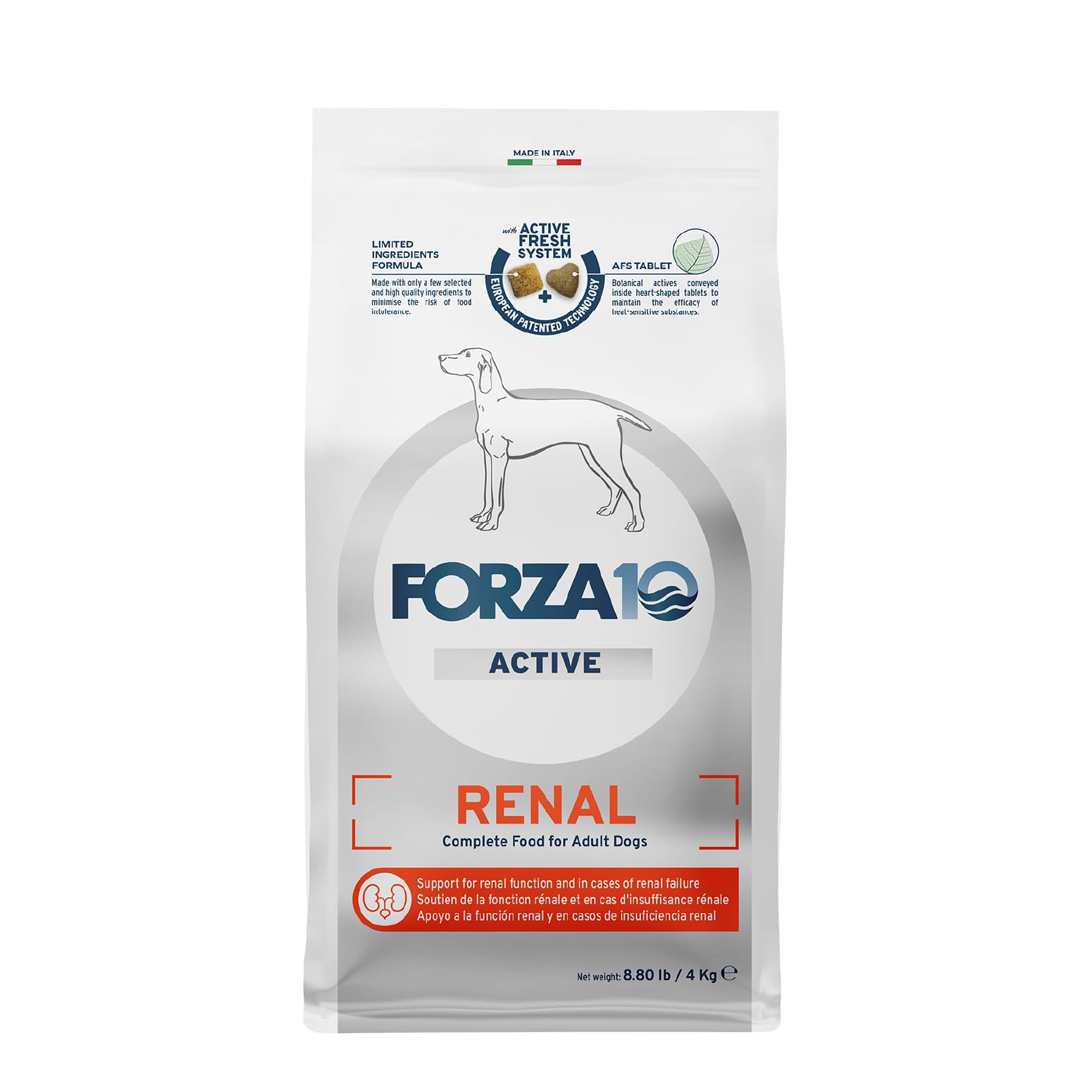
For Cushing’s dogs who have progressed to stage 2 or 3 kidney disease, this Italian-made formula drops phosphorus to approximately 0.5% — matching the levels found in leading prescription renal diets. It uses hydrolyzed fish protein, which breaks proteins into small peptides less likely to trigger immune reactions — valuable when Cushing’s-related immune dysregulation has created new food sensitivities. Added cranberry and dandelion root provide natural support for urinary tract and kidney function.
Owner feedback consistently highlights that dogs who flat-out refused prescription renal foods (Hill’s k/d and Royal Canin Renal) accepted Forza10 without hesitation. This is a meaningful advantage because calorie intake is critical in Cushing’s management; a food the dog won’t eat provides zero therapeutic benefit. The non-GMO claim and absence of by-products, wheat, soy, and artificial additives align with the stricter ingredient profiles many owners seek for chronic disease management.
The compromises are cost and bag size. At 8.8 lb, this is one of the lower-volume bags in its price tier, and owners of large breed Cushing’s dogs will go through it in two to three weeks. Several reviewers noted improvements in blood work — specifically reduced creatinine and BUN — after three months of exclusive feeding. If your dog’s lab values are trending upward despite other low-phosphorus foods, this is the non-prescription formula most likely to reverse the trend.
Why we love it
- 0.5% phosphorus matches prescription renal diet levels
- Hydrolyzed protein minimizes food sensitivity reactions
- High palatability even for dogs rejecting prescription diets
Good to know
- Premium pricing with a smaller 8.8 lb bag
- Fish-based flavor may not suit all dogs
4. Royal Canin Veterinary Diet Gastrointestinal LF Low Fat
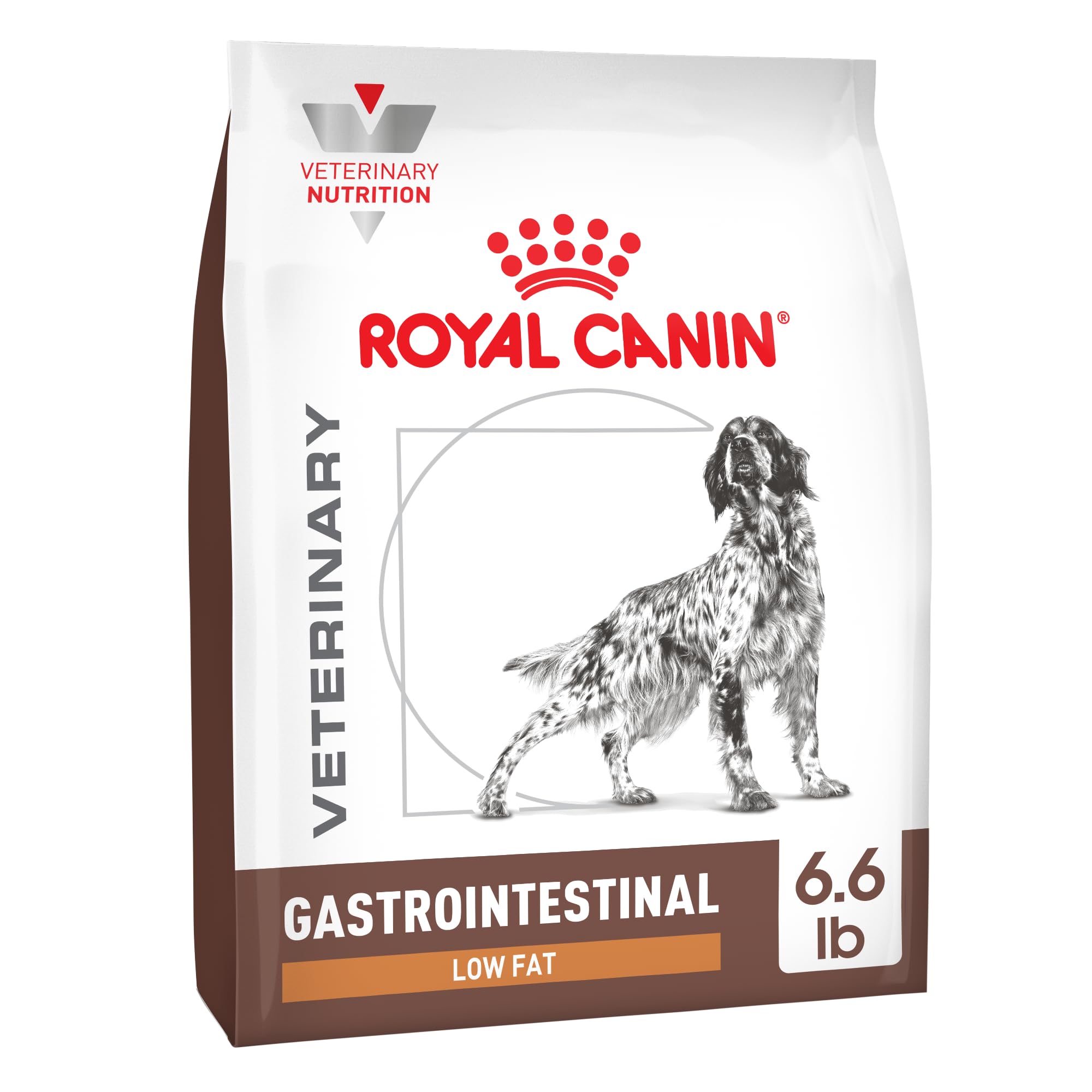
At 5.5% crude fat, this veterinary-exclusive kibble is one of the lowest-fat dry options available — a critical margin of safety for Cushing’s dogs who have already had a pancreatitis episode. The formula is built on highly digestible proteins and prebiotic fibers (including FOS and beet pulp) that stabilize stool quality even when digestive enzymes are compromised by elevated cortisol. The kibble texture is intentionally small and high in palatability enhancers to encourage intake in dogs with reduced appetite from concurrent illness.
Multiple verified reviews specifically mention this as the only food their dogs could tolerate after pancreatitis attacks. The addition of EPA and DHA from fish oil supports the anti-inflammatory cascade, while the restricted fat minimizes pancreatic stimulation. Owners transitioning from bland chicken-and-rice home cooking report that the kibble formulation helped normalize stool firmness within three to five days — a pace that suggests the fiber blend is precisely calibrated for this population.
This is a prescription-only diet, so you’ll need veterinary authorization before purchasing. One reviewer noted the bag was nearly double what their vet charges, so shop veterinarians first. For Cushing’s dogs with active or recurrent pancreatitis, this formula provides the lowest-fat margin available in a complete and balanced kibble form.
Why we love it
- 5.5% crude fat is among the lowest for dry kibble
- Prebiotic fiber blend rapidly normalizes stool quality
- Clinically formulated for post-pancreatitis recovery
Good to know
- Requires veterinary prescription to purchase
- Amazon pricing may exceed local vet clinic costs
5. Hill’s Prescription Diet k/d Kidney Care Chicken & Vegetable Stew

When a Cushing’s dog’s kidney values have progressed into IRIS Stage 2 or beyond, the phosphorus restriction in standard low-fat foods is insufficient. Hill’s k/d Chicken & Vegetable Stew delivers approximately 0.4% phosphorus on a dry matter basis — roughly half that of most OTC low-fat options. The ActivBiome+ Kidney Defense prebiotic blend is designed to shift gut microbiome activity toward pathways that reduce the production of uremic toxins, directly lowering the workload on compromised kidneys.
The wet stew format provides critical hydration, which is especially important for Cushing’s dogs who already drink and urinate excessively due to cortisol-induced polyuria. The high moisture content (~78%) helps flush dilute urine through the kidneys more efficiently, reducing the concentration of waste products. The bite-sized chunks in gravy formulation also appeals to dogs whose appetite has declined from nausea associated with azotemia — a common scenario in late-stage Cushing’s with renal involvement.
This is a veterinary prescription diet requiring approval from your veterinarian. The 12.5 oz can size is generous for wet food, providing roughly two meals for a 40-pound dog. Some Cushing’s dogs may need the lower fat profile of the k/d formula with decreased fat — check your vet’s recommendation for the specific variant. It’s also significantly more expensive per calorie than dry kibble, so owners often use it as a topper or mix with a compatible dry renal food to extend the supply without diluting the phosphorus restriction.
Why we love it
- Ultra-low phosphorus (0.4%) for advanced kidney disease
- High moisture content aids hydration and kidney flushing
- Appealing stew texture for dogs with reduced appetite
Good to know
- Veterinary prescription required for purchase
- Higher cost per calorie compared to dry kibble
6. Dave’s Pet Food Bland Diet Chicken & Rice
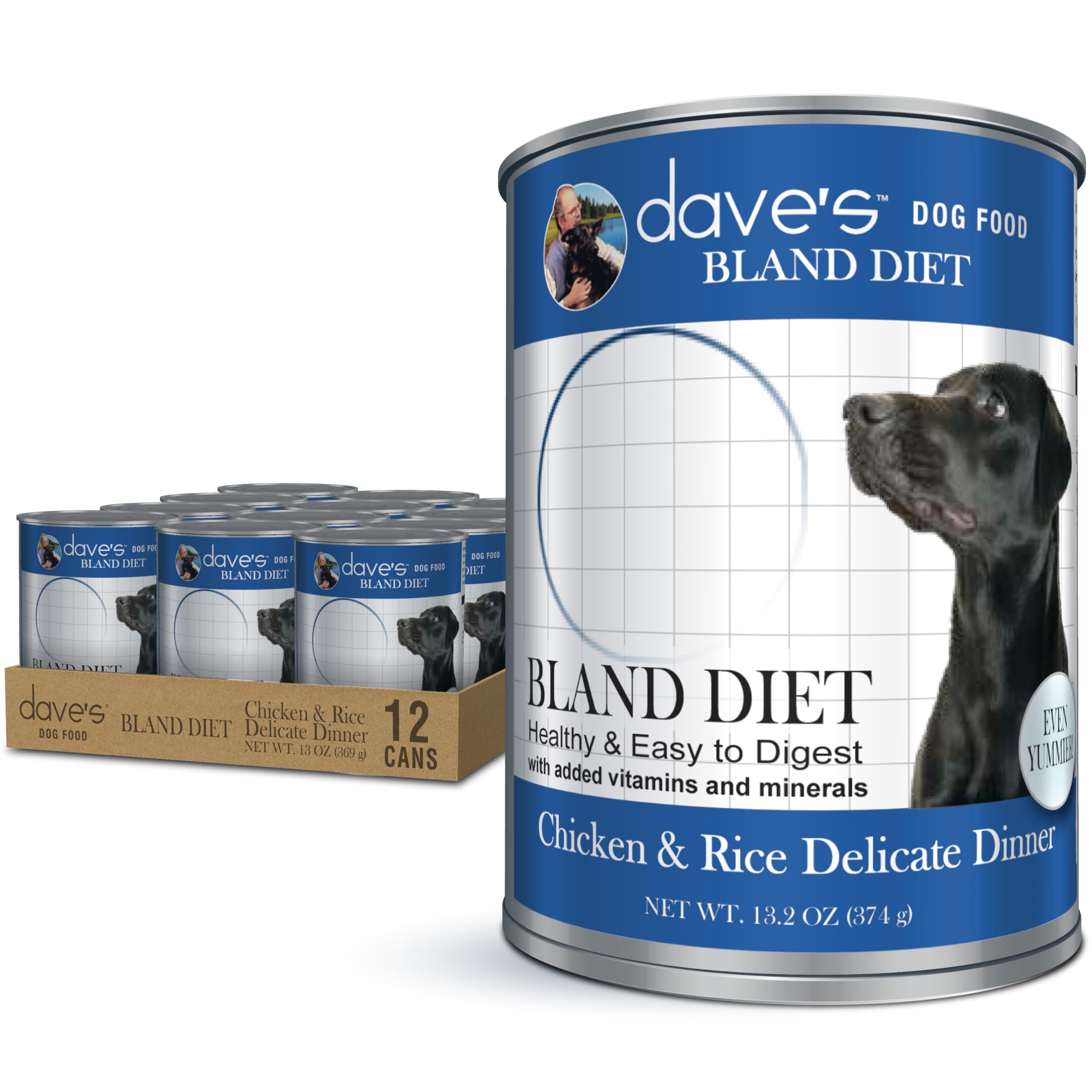
Dave’s Bland Diet pate is specifically designed for the acute management of gastrointestinal distress — the exact scenario a Cushing’s dog faces during a pancreatitis flare-up or dietary indiscretion episode. At 6% crude fat, it is low enough to be safe during recovery, but it is the limited ingredient structure (single protein: chicken, single carbohydrate: white rice) that makes it exceptional for resetting a stressed digestive tract. Owners describe it as a “lifesaver” that resolved vomiting and bloody diarrhea in under 24 hours.
The smooth pate texture is ideal for senior Cushing’s dogs with dental sensitivity or reduced jaw strength, and the mild chicken flavor is rarely refused even by dogs with suppressed appetites. It is AAFCO-compliant for adult maintenance, so it can be fed as a complete meal long-term, not just as a transitional diet. Multiple verified reviews note that it helped dogs hide medication (pills crushed and mixed in) without the strong smell that deters them from eating medicated food.
The chicken protein base is a potential problem for Cushing’s dogs with existing chicken sensitivities — in those cases, Dave’s also offers a lamb and rice variant with the same nutritional profile. At 13.2 oz per can, the case of 12 provides about 18 to 24 meals for a small to medium breed, making it a cost-effective option for owners who need a palatable, low-fat staple they can keep on hand for sudden GI episodes. It requires refrigeration after opening and has a 2-3 day shelf life once exposed.
Why we love it
- Single protein and carbohydrate minimizes digestive triggers
- Low fat content (6%) is safe for pancreatitis-prone dogs
- Smooth pate works well for medicating and senior dogs
Good to know
- Chicken base may not suit dogs with poultry allergies
- Requires refrigeration after opening; 2-3 day lifespan
7. Eagle Pack Reduced Fat Pork & Chicken

For owners managing Cushing’s disease on a budget, the 30-pound Eagle Pack Reduced Fat formula provides the lowest cost-per-pound among all options reviewed while maintaining a respectable 7% crude fat ceiling. The protein blend of pork and chicken offers amino acid variety, and the inclusion of glucosamine supports joint health — relevant because Cushing’s dogs often suffer from muscle weakness that exacerbates arthritis. Owner feedback is particularly strong from those with multiple dogs or large breeds needing bulk feeding.
One verified review describes switching a Boston Terrier from Hill’s Science Diet to this formula and achieving steady weight loss for the first time in a year, plus a significant reduction in flatulence — a proxy for improved digestibility. Another owner of a 175-pound Anatolian Shepherd with chylothorax (a fat-triggered condition) reports successful weight management without pancreatitis recurrence. The formula avoids corn, wheat, and artificial preservatives, though it does contain chicken, which may be problematic for Cushing’s dogs with confirmed poultry sensitivities.
The key limitation is that 7% fat is the upper boundary of what we recommend for Cushing’s dogs — it is not as conservative as the 5.5% of Royal Canin GI Low Fat or the 6.5% of SquarePet Whitefish. Dogs with active or recent pancreatitis should choose a lower-fat option. The large bag requires proper storage to prevent rancidity (transfer to an airtight container), and the kibble size is large, which may be difficult for small breeds or dogs with dental issues.
Why we love it
- 30-pound bag offers the best value per pound for bulk feeding
- 7% fat level is effective for weight management in Cushing’s dogs
- Glucosamine and omega fatty acids support joint and coat health
Good to know
- 7% fat is at the high end of safe range for pancreatitis history
- Large kibble size may not suit small breeds or senior dogs
FAQ
What crude fat percentage is safe for a Cushing’s dog?
Can I feed my Cushing’s dog a limited ingredient diet?
How do I know if a food has too much phosphorus for my dog?
Should I use wet or dry food for a Cushing’s dog with kidney issues?
Do I need a veterinary prescription for Cushing’s disease dog food?
Final Thoughts: The Verdict
For most gardeners, the food for dogs with cushings disease winner is the SquarePet VFS Low Phosphorus Turkey & Egg because it simultaneously addresses the three highest-risk nutritional parameters — fat, phosphorus, and protein — without requiring a prescription. If you need the absolute lowest fat margin for a dog with active pancreatitis, grab the Royal Canin Gastrointestinal LF Low Fat (with your vet’s approval). And for advanced kidney involvement combined with Cushing’s, nothing beats the hydration and ultra-low phosphorus of Hill’s Prescription Diet k/d Kidney Care Stew.