
The constant runs to the litter box, the worry about dehydration, and the desperate hope the next meal won’t trigger another episode create a stressful cycle. The right nutritional choice can break that cycle fast, turning loose stools into firm, healthy deposits your kitten passes with zero strain.
I’m Mo Mahin — the founder and writer behind Furric. I’ve spent thousands of hours cross-referencing veterinary nutrition guidelines, analyzing ingredient lists for gut-specific prebiotics and protein sources, and studying aggregate owner feedback on which formulas actually solve loose-stool problems for growing kittens.
Whether you’re dealing with a sensitive-stomach Persian or an orphaned rescue with an unpredictable belly, choosing the right food for kittens with diarrhea comes down to digestible protein, prebiotic fiber, and a formula free from common irritants.
How To Choose The Best Food For Kittens With Diarrhea
When your kitten has loose stools, the wrong food can worsen the problem within hours. The key is selecting a formula built for easy digestion and minimal gut irritation — not just any kitten food on the shelf.
Prioritize Highly Digestible Protein Sources
A kitten experiencing diarrhea needs protein that breaks down easily in a sensitive gastrointestinal tract. Salmon, chicken, and turkey are typically well-tolerated, while exotic proteins or unnamed meat meals can trigger more irritation. Look for formulas where the first ingredient is a named, single-source animal protein.
Prebiotic Fiber and Probiotic Support
Prebiotic fibers such as inulin or beet pulp feed the beneficial bacteria already in your kitten’s gut, helping them outcompete the bacteria causing the loose stools. Some formulas also include added probiotics to introduce more good bacteria directly. Both help accelerate a return to firm stools.
Kibble Size and Texture for Tender Gums and Stomachs
Very young kittens (4–8 weeks) sometimes struggle with oversized kibble, leading to improper chewing and undigested pieces that pass through too quickly. Extra-small kibble shapes or rehydratable formulas reduce this risk. Wet food also offers higher moisture content, which can be gentler on an irritated gut.
Avoid Common Irritants
Artificial flavors, preservatives, carrageenan, and high levels of certain grains can prolong diarrhea in a sensitive kitten. Stick to formulas that advertise limited ingredients, or at minimum avoid the fillers and chemical additives that offer no nutritional value and frequently provoke digestive upset.
Quick Comparison
On smaller screens, swipe sideways to see the full table.
| Model | Category | Best For | Key Spec | Amazon |
|---|---|---|---|---|
| Royal Canin Mother & Babycat | Dry Kibble | Newborn & weaning kittens | Rehydratable kibble, 1-4 mo formula | Amazon |
| Hill’s Science Diet Sensitive Stomach | Dry Kibble | Chronic sensitive stomachs | Prebiotic fiber + Omega-3/6 | Amazon |
| Wellness CORE Kitten | Dry Kibble | High-protein, grain-free diet | 55% animal protein + probiotics | Amazon |
| Tiki Cat Baby Wet Food | Wet Food | Picky kittens & high moisture | Prebiotics + DHA, 2.4 oz cans | Amazon |
| Weruva Fur Baby Favorites | Wet Food | Variety & low-odor digestion | Human-grade, grain & carrageenan free | Amazon |
In‑Depth Reviews
1. Royal Canin Feline Health Nutrition Mother & Babycat Queen Dry Cat Food
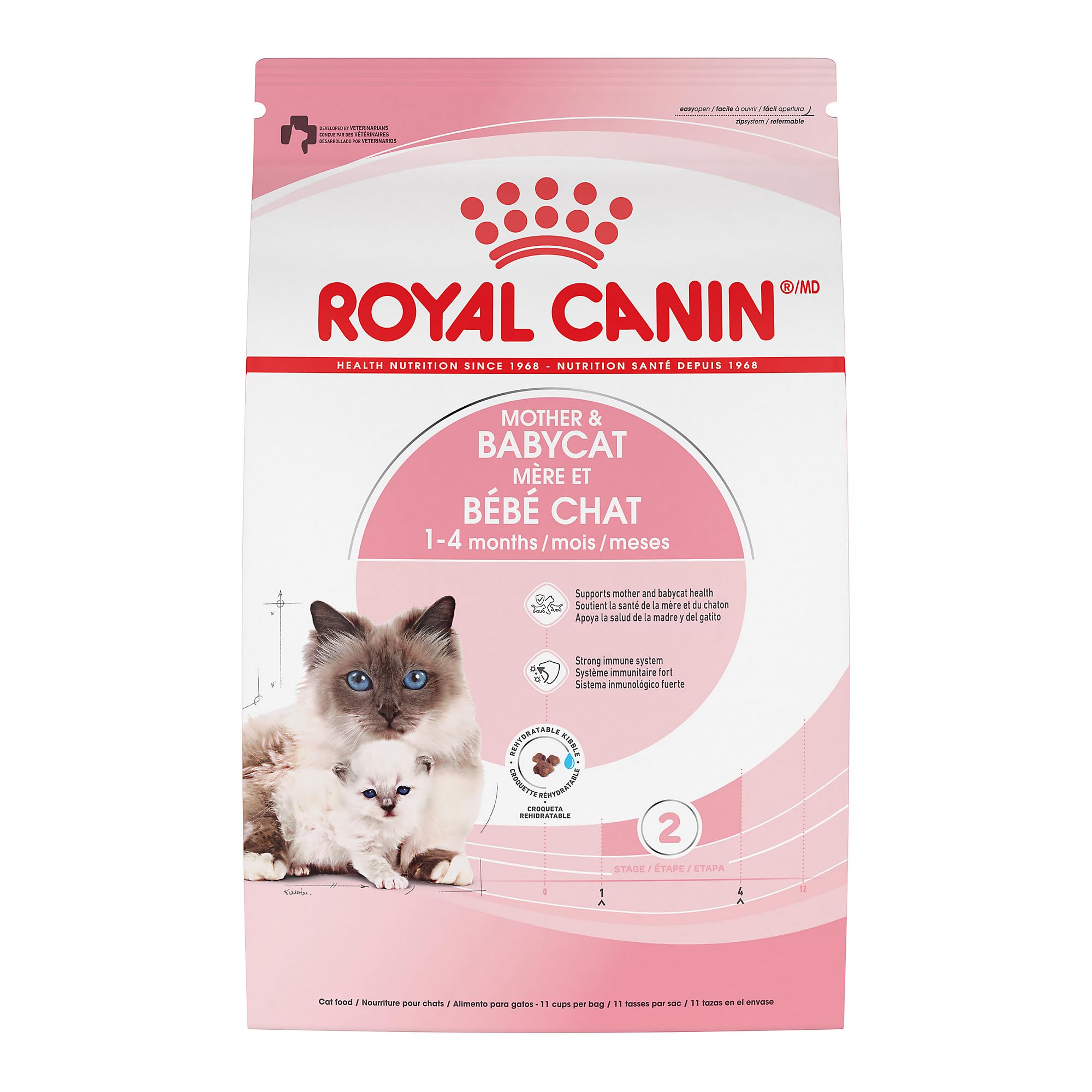
This bag is built for the most fragile digestive phase a kitten ever faces — the transition from mother’s milk to solid food. The kibble is exceptionally small, roughly the size of a grain of rice, and designed to soften instantly when mixed with warm water, creating a porridge-like texture that barely challenges a 4-week-old’s teeth or a tender stomach. The formula includes a proprietary blend of prebiotics and highly digestible proteins that directly target microbiome balance.
Owner reports consistently mention that this food resolves loose stools in orphaned kittens and those recovering from weaning within 48 to 72 hours. The antioxidant blend (vitamins E and C) adds immune support during a period when digestive upset can quickly lead to overall weakness. Many breeders keep a bag on hand specifically as a go-to solution for gastrointestinal distress in their youngest litters.
The price per pound runs higher than any other option on this list, but the targeted nutritional profile delivers results that standard kitten formulas cannot match for very young or medically sensitive kittens. If your kitten is under 4 months and struggling with persistent diarrhea, this is the most veterinary-recommended solution available.
Why we love it
- Rehydratable kibble reduces digestive stress for weaning kittens
- Clinically proven antioxidant blend for vulnerable immune systems
- Breeder and vet favorite for resolving loose stools in newborns
Good to know
- Higher per-pound cost than other dry foods on this list
- Formulated only for kittens up to 4 months of age
2. Hill’s Science Diet Kitten Sensitive Stomach & Skin Dry Cat Food
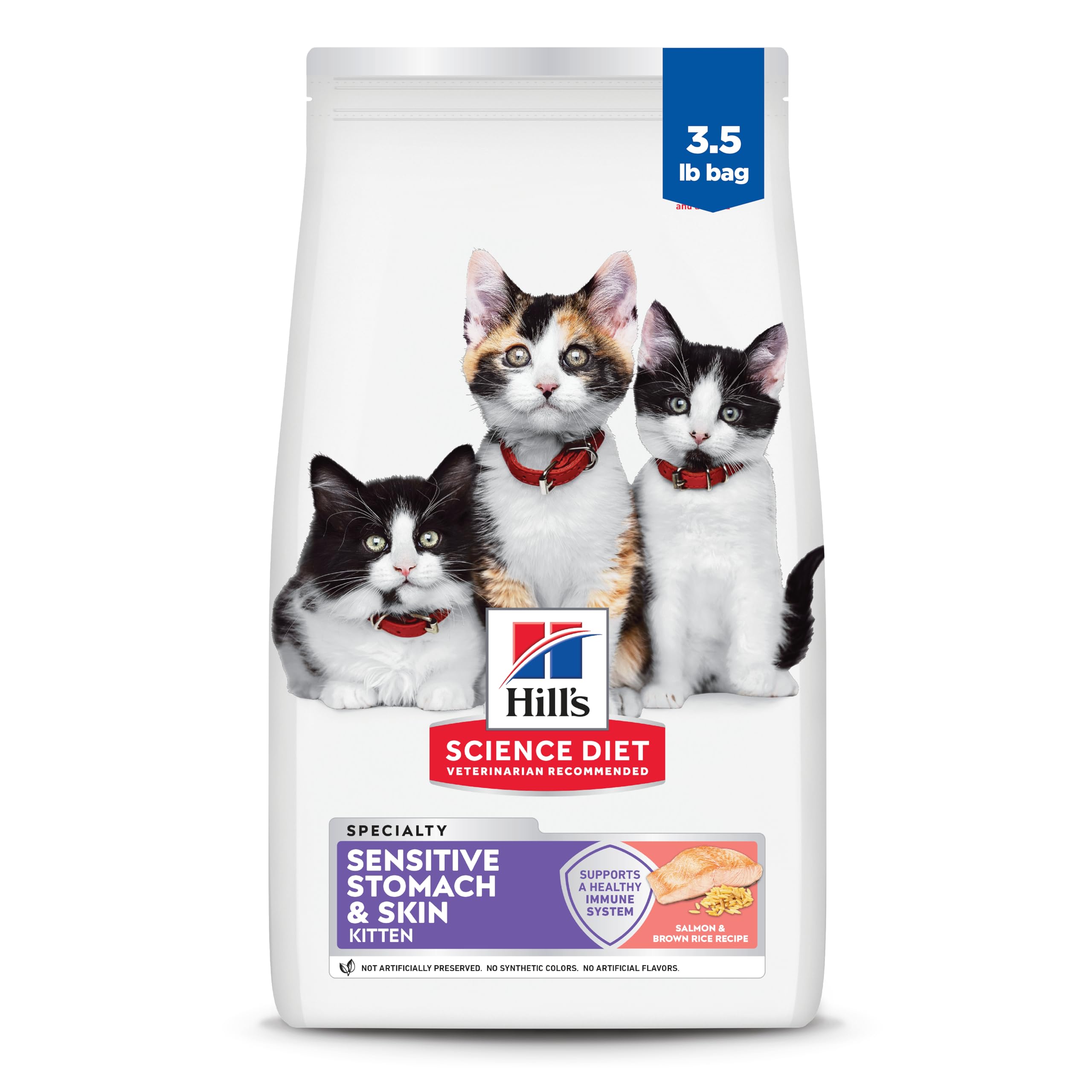
This is the formulation you turn to when your kitten’s digestive trouble has become a recurring pattern rather than a one-time incident. The salmon-and-brown-rice base is naturally lower in common allergens than chicken-based foods, and the added prebiotic fiber helps bulk up stool consistency without relying on fillers. Owners of tailless bobtail kittens and other breeds prone to constipation-diarhhea cycles report this food normalizes bowel movements within a week.
The dual-action approach — prebiotic fiber for gut health plus Omega-3 and Omega-6 fatty acids for skin and coat — means your kitten isn’t just recovering from diarrhea but is getting nutritional support for overall resilience. Multiple owners noted that their kittens’ stools became well-formed by day six or seven with no further episodes of loose stool. The kibble size is very small, appropriate for newly weaned kittens as well as adolescents.
This is a dry food, so ensure your kitten also has access to fresh water or supplement with wet food to maintain hydration if diarrhea has been severe. The 3.5-pound bag is a manageable entry size to test whether the salmon formula works before committing to a larger purchase.
Why we love it
- Salmon protein is gentle on sensitive stomachs
- Prebiotic fiber firms stools without harsh additives
- Omega fatty acids improve coat condition during recovery
Good to know
- Dry formula requires careful hydration monitoring
- Some kittens may need transition period from chicken to salmon
3. Wellness CORE Kitten Dry Cat Food

This grain-free formula packs 55 percent high-quality animal protein from turkey, chicken, and salmon oil — a protein profile that mimics what a kitten would eat in the wild. For kittens whose diarrhea stems from poor-quality fillers or grain sensitivities, switching to this dense meat-based kibble often produces immediate improvement. The added probiotics and DHA from salmon oil support both gut flora and brain development simultaneously.
Customer feedback highlights that kittens with chronic loose stool issues resolved after transitioning to this food, with one owner specifically noting “no diarrhea, no getting sick” after their cat refused multiple other brands. The kibble is small enough for kittens under 6 months, and the high protein content helps maintain muscle mass even when a kitten’s appetite is variable due to digestive discomfort. The 5-pound bag offers a good volume for the price range.
The 18 percent fat content is higher than some sensitive-stomach formulas — this is beneficial for active growing kittens but could be a factor if your kitten is prone to weight gain or pancreatitis. Monitor stool frequency for the first few days after switching to ensure the richness doesn’t overwhelm a very sensitive system.
Why we love it
- High protein supports muscle development during recovery
- Grain-free formulation avoids common filler irritants
- Probiotics help repopulate gut bacteria
Good to know
- Higher fat content may be too rich for some sensitive kittens
- Not designed specifically for digestive issues like dedicated formulas
4. Tiki Cat Baby Wet Cat Food for Kittens

When a kitten has diarrhea, the extra moisture in wet food can be a critical advantage — it helps prevent dehydration while delivering easily digestible nutrition. Tiki Cat Baby’s shredded texture is noticeably soft and fresh-smelling, which makes it appealing even to kittens who have lost interest in eating due to stomach upset. Each 2.4-ounce can provides prebiotics to aid digestion plus DHA and taurine for developmental support.
Owners of picky kittens and those with sensitive stomachs report that this food produces no tummy issues at all. The variety pack includes chicken and salmon, chicken and egg, and duck and liver recipes, allowing you to identify which protein your kitten tolerates best. The lack of grains, fruits, vegetables, and carrageenan eliminates the most common dietary triggers for loose stools in sensitive cats.
The small can size is a double-edged sword: it reduces waste because you open a fresh can for each meal, but you’ll go through the 12-count pack relatively quickly. This food works best as a primary or supplementary wet option alongside a gentle dry formula for kittens who need both moisture and slow-digesting kibble to firm up their stools.
Why we love it
- High moisture content combats dehydration risk
- Prebiotics soothe irritated digestive tract
- No fillers, grains, or carrageenan
Good to know
- Small 2.4 oz cans require frequent repurchasing
- Some kittens prefer certain flavors over others in variety pack
5. Weruva Kitten, Fur Baby Favorites Variety Pack

Weruva stands apart because it’s produced in human food facilities under B.R.C. Global Standards — the same quality benchmarks used for food meant for people. For kittens with diarrhea, this level of ingredient oversight means zero artificial flavors, preservatives, carrageenan, or by-products sneaking into the can. Each 3-ounce portion is packed in gravy, which provides both moisture for hydration and a texture that most kittens find irresistible.
Owner reports consistently note that this food produces less odor during digestion and leads to firmer, less smelly stools compared to supermarket brands. The variety of flavors and textures (shreds, minces, gravy) helps prevent flavor fatigue while you figure out which single protein your kitten handles best. Multiple reviewers with extremely picky kittens confirmed their cats eagerly licked the plates clean and maintained healthy digestion on this diet.
The gravy-based format delivers good moisture content but may be slightly less calorie-dense than pâté-style wet foods. If your kitten is underweight due to diarrhea, you may need to offer larger portions or supplement with a calorie-dense dry food to ensure adequate growth. The 12-can variety pack is an excellent entry point for testing tolerance across multiple recipes.
Why we love it
- Human-grade production eliminates contaminant risks
- Low-odor digestion and firmer stool results
- Variety pack helps identify best-tolerated protein
Good to know
- Gravy format may need supplementing for underweight kittens
- Small 3 oz cans require multiple feedings per day for older kittens
FAQ
Can I give my kitten pumpkin with their food for diarrhea?
How long does it take for kitten food to fix diarrhea?
Should I choose wet or dry food for a kitten with diarrhea?
Is grain-free food better for a kitten with an upset stomach?
Final Thoughts: The Verdict
For most kittens with diarrhea, the food for kittens with diarrhea winner is the Hill’s Science Diet Kitten Sensitive Stomach & Skin because its salmon-based, prebiotic-fiber formula specifically targets chronic loose stools while supporting overall skin and coat health. If you need a solution for a very young kitten under 4 months, grab the Royal Canin Mother & Babycat. For a budget-friendly wet option that boosts hydration and provides human-grade ingredient safety, nothing beats the Weruva Fur Baby Favorites Variety Pack.