
Caring for a pregnant dog means her nutritional needs skyrocket—sometimes requiring up to 50% more caloric intake by the final weeks of gestation to support healthy fetal development and a robust milk supply after delivery. The wrong food can lead to underweight puppies, a depleted mother, or even birth complications.
I’m Mo Mahin — the founder and writer behind Furric. I’ve spent years analyzing veterinary nutritional studies, digging into feed-guarantee analyses of dozens of brands, and cross-referencing thousands of owner-reported outcomes to identify which formulas actually deliver during the critical gestation and lactation windows.
Whether you’re a first-time breeder or an experienced guardian, selecting the right fuel is a medical decision. This guide walks you through the non-negotiable specifications of premium food for pregnant dogs and reviews five top-tier options that meet the unique metabolic demands of motherhood.
How To Choose The Best Food For Pregnant Dogs
A pregnant dog’s nutrient partitioning shifts entirely toward fetal development and milk production. Generic adult maintenance food simply lacks the density of calories, specific fatty acids, and minerals required during this window. Here’s what separates safe choices from risky ones.
Protein and Fat Density: The First Filter
Look for a minimum of 30% crude protein and 20% crude fat on a dry matter basis. Lower numbers force the mother to eat massive volumes just to meet energy needs, which can compress stomach space already crowded by the growing litter. The 30/20 ratio is the industry gold standard for gestation and lactation.
DHA for Puppy Brain Development
Docosahexaenoic acid, an omega-3 fatty acid, is critical for the developing retina and cerebral cortex of puppies. A maternal diet enriched with DHA leads to measurable improvements in trainability and cognitive function. Avoid formulas that list “fish oil” vaguely without specifying the DHA content.
Kibble Size and Palatability
Late-gestation dogs often have reduced appetite due to physical pressure on their stomach. Smaller kibble pieces are easier to chew and encourage consistent intake. Wet food or mousse textures can also help maintain calorie intake when dry kibble becomes unappealing. This is especially important during the first two weeks postpartum.
Calcium and Phosphorus Balance
Calcium must be present in controlled amounts—typically 1.0% to 1.5%—with a balanced calcium-to-phosphorus ratio of about 1.2:1. Over-supplementing calcium can trigger eclampsia (milk fever) or skeletal deformities in puppies. The right food already contains this balance without needing a separate bone-meal additive.
Quick Comparison
On smaller screens, swipe sideways to see the full table.
| Model | Category | Best For | Key Spec | Amazon |
|---|---|---|---|---|
| Bully Max Pro 2X | High-Calorie Dry | Maximizing weight gain in underweight mothers | 600 calories per cup, 31% protein | Amazon |
| Diamond Puppy 31/20 | All-Life Stage Dry | Budget-friendly large-breed mothers | Small kibble, DHA-enriched | Amazon |
| Royal Canin Mother & Babydog Mousse | Wet Mousse | Transitioning puppies and picky mothers | Prebiotics + highly digestible protein | Amazon |
| Purina Pro Plan Sport 30/20 Chicken | Performance Dry | Active working breed mothers | Chicken #1, DHA + EPA, 30% protein | Amazon |
| Purina Pro Plan Sport 30/20 Beef & Bison | Novel Protein Dry | Mothers with poultry sensitivities | Probiotics, glucosamine, 30% protein | Amazon |
In‑Depth Reviews
1. Bully Max Pro 2X High Calorie & High Protein Dry Dog Food
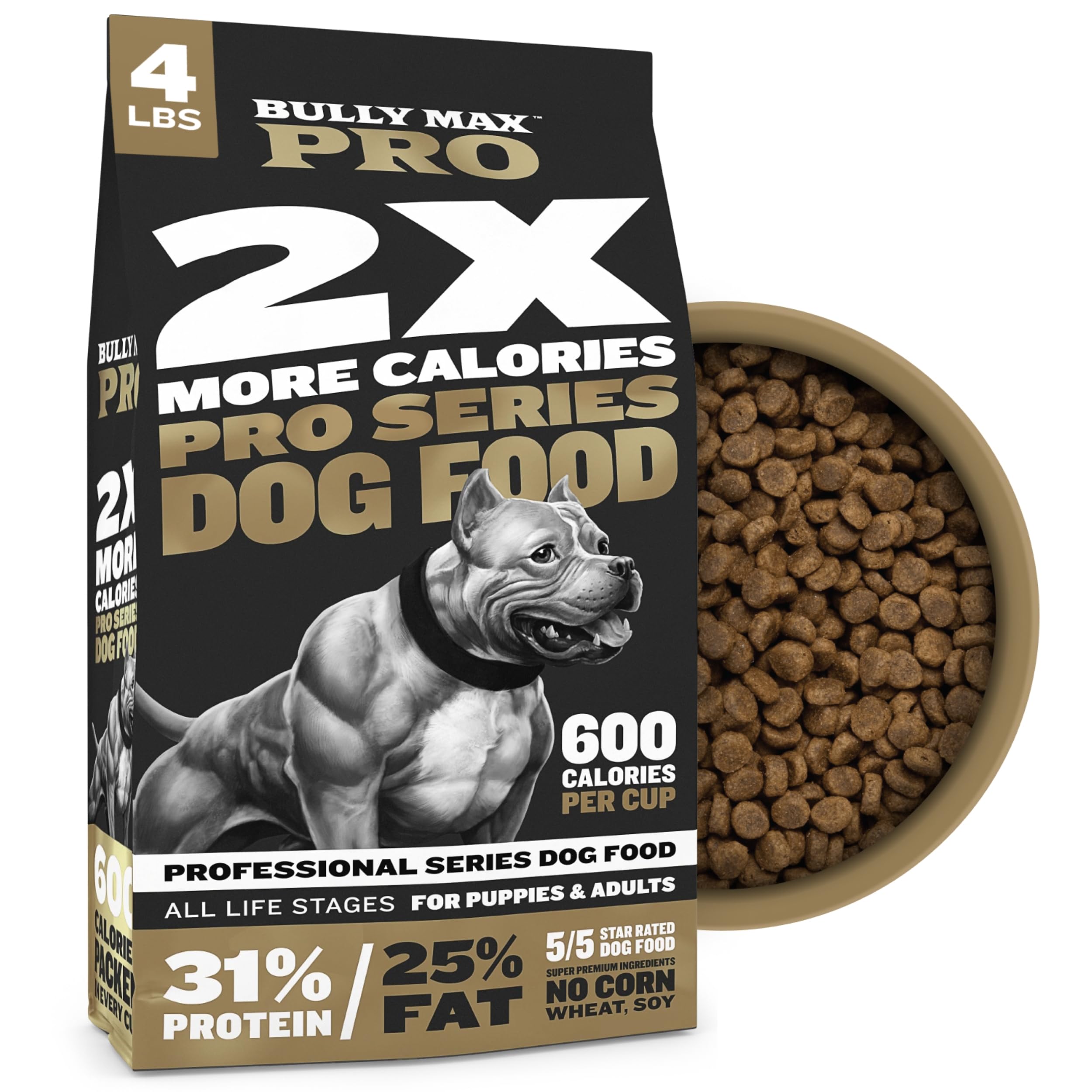
This slow-cooked formula posts an extraordinary 600 calories per cup—roughly double the caloric density of standard puppy kibble—allowing a late-gestation dog to consume less volume while still meeting the massive energy demands of fetal development. With 31% protein and 25% fat, the ratio is deliberately tilted toward the anabolic state required for building puppy tissue and supporting heavy lactation.
The formulation is free from corn, wheat, soy, and artificial preservatives, which minimizes the risk of food sensitivity flare-ups during a sensitive period. Real-world owners report that this food reversed failure-to-thrive trajectories in both the mother and her litter, with one French Bulldog tripling in size over two months on this diet. The 4-pound bag size is modest, but the density makes it last longer than equivalent volumes of lower-calorie kibble.
It is worth noting that higher-fat diets can occasionally cause transient loose stool as the gut microbiome adapts—a minor transition issue mentioned by several early reviewers. However, the probiotic support built into the formula typically resolves this within a few days. For any pregnant dog that is underweight or struggling to maintain condition, this is the highest-calorie-dense tool in this lineup.
Why we love it
- Highest caloric density of any product listed; ideal for underweight mothers
- All-natural ingredients with zero recalls in brand history
Good to know
- High fat content may cause temporary digestive adjustment in some dogs
- Bag size is smaller than bulk options, requiring more frequent reordering for large breeds
2. Purina Pro Plan Sport Development 30/20 Chicken and Rice Formula
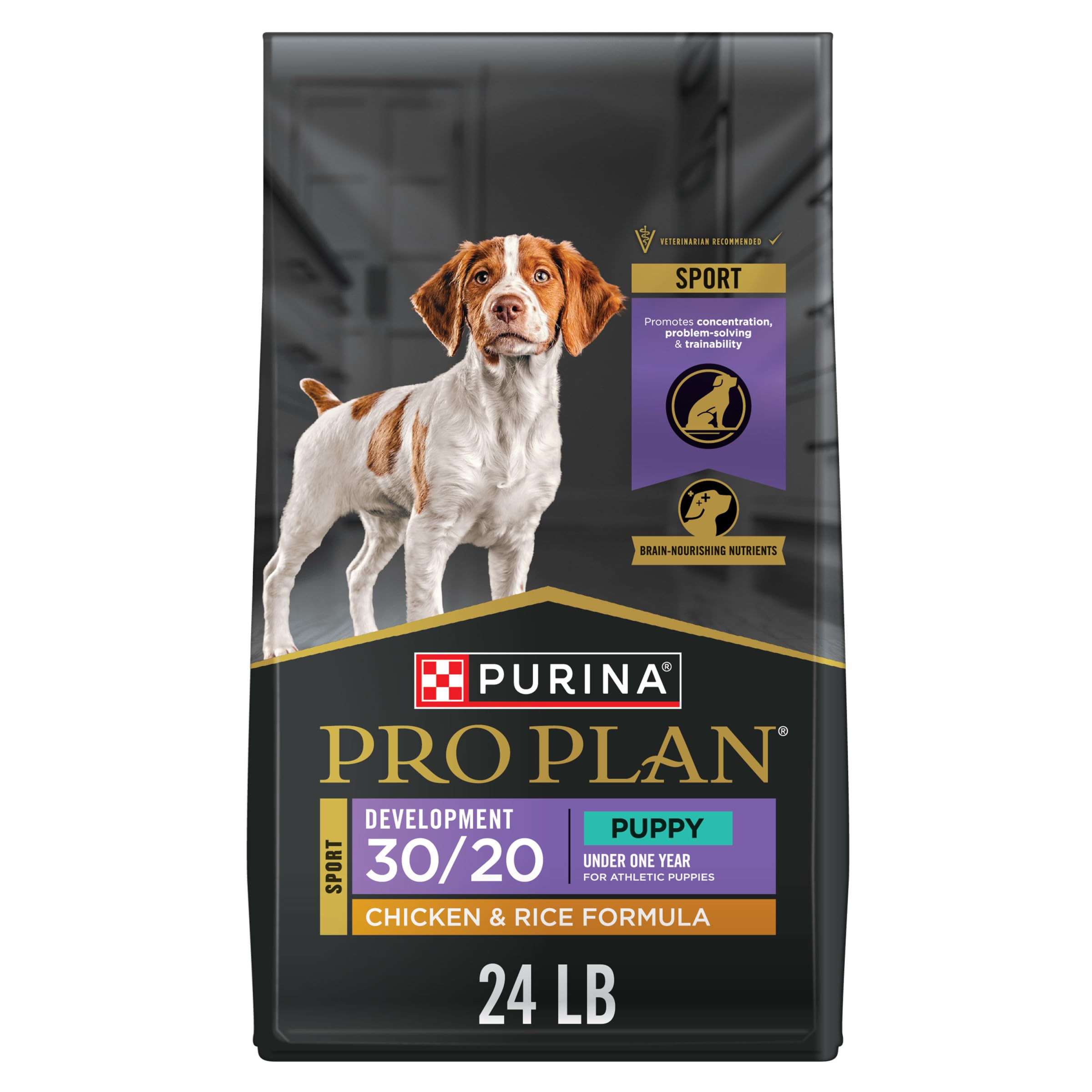
Real chicken as the first ingredient provides a clean, highly digestible protein source that supports muscle development in both the mother and her rapidly growing puppies. The 30% crude protein and 20% crude fat deliver the exact density recommended by veterinary nutritionists for the gestation and lactation window, without overshooting into the extremes that can cause digestive imbalance.
This formula includes DHA for brain and vision development, plus EPA, choline, and vitamin C to support trainability and cognitive function—a scientifically backed edge for breeders who plan to start early neurological stimulation. The calcium and phosphorus levels are calibrated to bone growth without the risk of over-supplementation, and the kibble size is moderate enough for large-breed mothers to eat comfortably.
Breeder feedback is consistent: a Llewellin Setter on this food delivered eight healthy puppies with uncomplicated births, and the mother maintained excellent body condition throughout nursing. The 24-pound bag provides a practical ration for a full gestation cycle plus the first weeks of lactation for most medium-sized mothers. This is the balanced, research-backed choice for the majority of pregnant dogs who are starting at a healthy weight.
Why we love it
- Broadly recommended by professional breeders for its consistent results
- Includes DHA and EPA for neurological and visual development in puppies
Good to know
- Chicken-based formula will not suit dogs with poultry allergies
- Not as calorie-dense as the Bully Max option for severely underweight mothers
3. Purina Pro Plan Sport Performance 30/20 Beef and Bison Formula
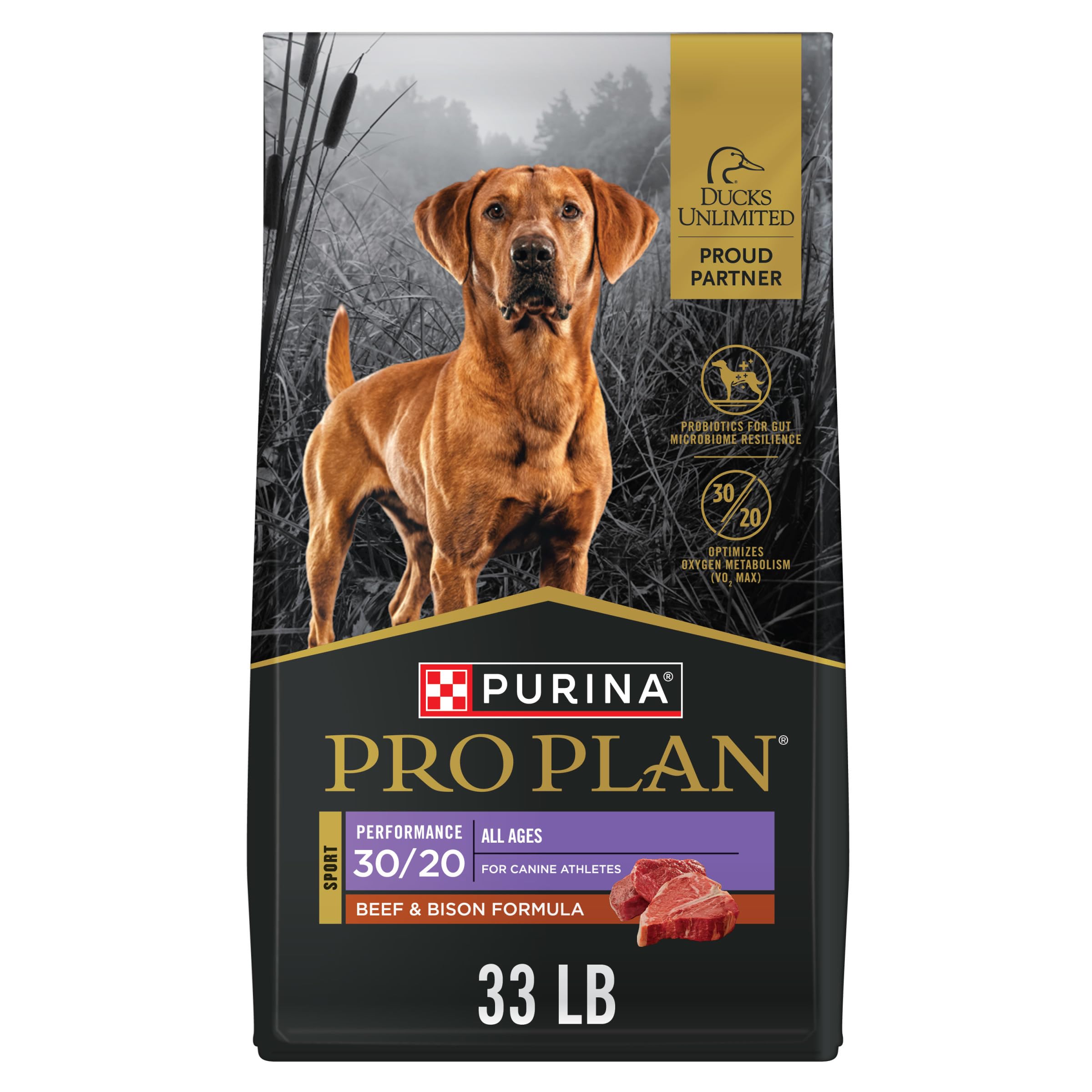
When a pregnant dog has developed a sensitivity to chicken or poultry-based proteins—which is not uncommon during the hormonal shifts of pregnancy—this beef and bison formula offers a novel protein alternative without sacrificing the 30/20 ratio. Real beef is the first ingredient, providing the amino acid profile needed for lean muscle maintenance in the mother and structural growth in the litter.
Beyond the protein source, this food is fortified with live probiotics to stabilize the gut microbiome during a period when digestive upset is common, and glucosamine plus omega-3 fatty acids to support joint and hip health. Pregnancy puts significant strain on the mother’s hips and back; this joint-support addition is a practical differentiator for large-breed mothers or those with prior orthopedic stress.
The 33-pound bag size yields a lower cost-per-pound than many competitive performance foods, and the formula is highly palatable—even picky mothers tend to clean their bowl. Breeders of high-energy working lines, such as German Shepherds and Standard Poodles, report that this food maintains body condition through heavy lactation without energy crashes. The beef/bison flavor profile is distinct and strong, which can help stimulate appetite in a reluctant mother.
Why we love it
- Excellent alternative for mothers with poultry sensitivities
- Added glucosamine supports joint health during the physical strain of pregnancy
Good to know
- Does not specify DHA content, so additional omega-3 supplementation may be beneficial
- Kibble size is on the larger side, potentially difficult for small-breed mothers
4. Diamond Puppy Dry Dog Food 31/20 for All Life Stages
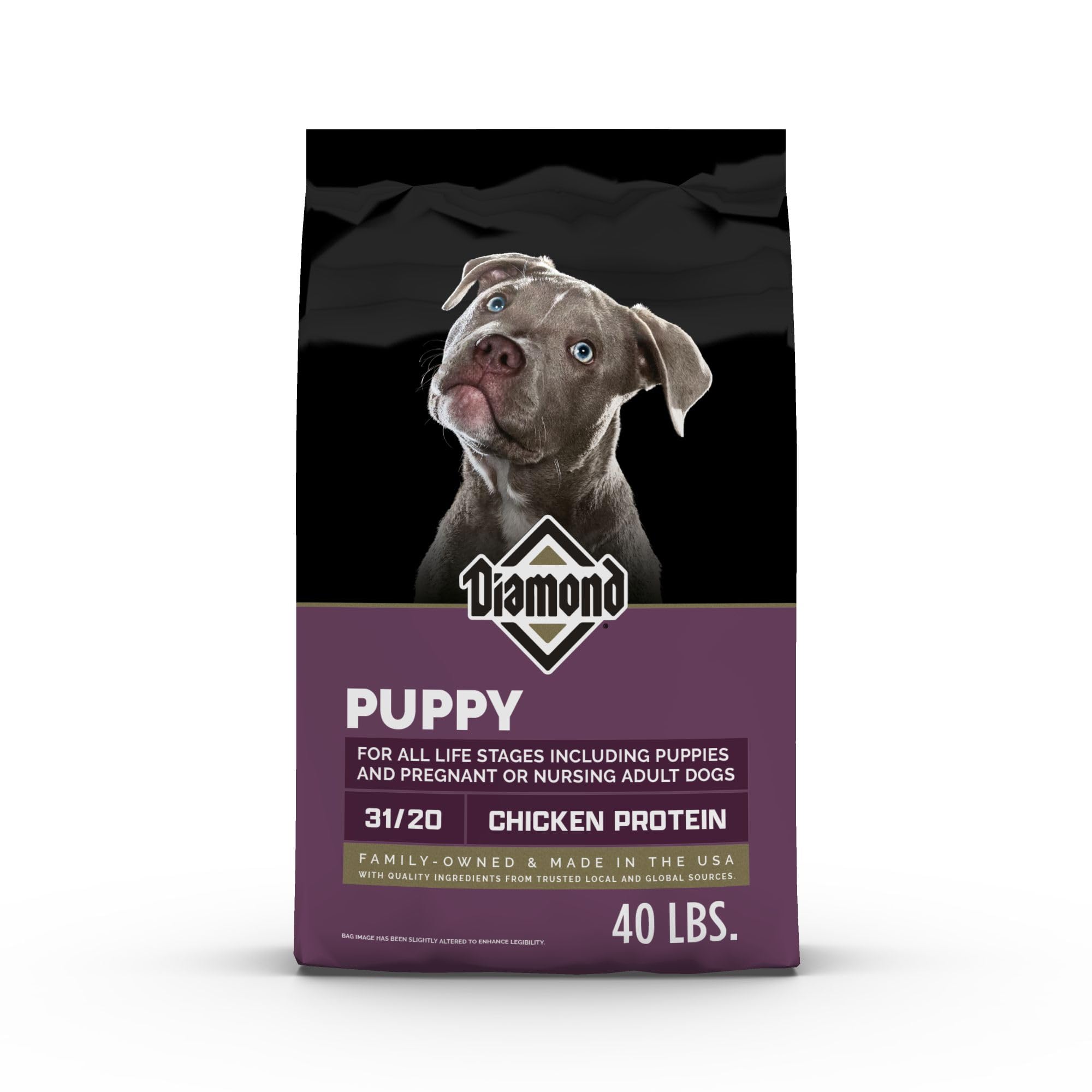
Diamond Puppy offers a 31% protein and 20% fat profile that mirrors the premium tier in nutritional density, but at a price point that makes it accessible for multi-dog breeders or large-breed mothers who require bulk feeding. The first ingredient is chicken, supporting muscle development, while DHA is added to support brain and vision development in the puppies. The calcium levels are appropriate for all life stages, meaning it is safe for the mother throughout gestation and also for the weaning puppies.
The defining physical feature here is the small kibble size. Late-gestation dogs often experience reduced appetite due to abdominal crowding; the smaller pieces are significantly easier to chew and swallow, encouraging consistent caloric intake. The formula is supplemented with a science-backed blend of probiotics and antioxidants to support digestive health and immune function—both of which are taxed during pregnancy.
Owners of brachycephalic breeds like pugs and Boston terriers specifically praise the small kibble design, noting that it prevents gagging and makes mealtime more comfortable. The 40-pound bag represents the highest volume option in this lineup, providing enough food to cover a full gestation cycle and early lactation without needing a second purchase. While the ingredient sourcing is not as premium as boutique brands, the nutrient profile is validated by decades of use in breeding kennels.
Why we love it
- Exceptionally small kibble size reduces feeding difficulty in late gestation
- 40-pound bag offers the best cost-per-pound for high-volume feeding
Good to know
- Chicken-based formula excludes mothers with poultry allergies
- Fat content is slightly lower than the 25% found in high-calorie specialist formulas
5. Royal Canin Size Health Nutrition Starter Mother & Babydog Mousse

This wet mousse texture fills a unique role that dry kibble cannot: providing a soft, palatable food that stimulates eating in mothers who have lost their appetite in late gestation, and serving as the transition medium for puppies moving from milk to solid food. The formula is built around highly digestible proteins and prebiotics for microbiome support, and clinically proven antioxidants including vitamins E and C to help develop the puppies’ natural defenses.
The packaging works for two distinct use cases: feeding the mother during the final week of gestation when she may refuse dry food, and introducing the puppies to solid food at around three to four weeks of age. The mousse consistency is easy for tiny mouths to lap up without choking, and the 5.1-ounce cans are portioned to minimize waste. Real owners of toy breeds like Yorkies report that this is the only food their pregnant dog will reliably eat during the picky period.
For the price per case of 24 cans, this is not a budget-friendly primary ration—it is a strategic tool for specific windows of need. Used in combination with a high-quality dry food, it ensures that the mother never goes through a voluntary fast during the energy-expensive period of milk production. The soft texture also works well for elderly or dental-compromised mothers who may struggle with crunchy kibble.
Why we love it
- Essential for weaning; soft texture encourages puppy self-feeding
- Highly digestible with prebiotics to support sensitive digestive systems
Good to know
- Not calorie-dense enough to serve as the sole food for a pregnant mother
- Case of 24 cans is expensive per serving compared to dry kibble
FAQ
Can I feed my pregnant dog regular adult maintenance food during the first trimester?
How do I know if my pregnant dog is getting enough calories from her food?
Is it safe to feed a protein level higher than 30% to a pregnant dog?
Should I switch back to maintenance food immediately after the puppies are weaned?
Final Thoughts: The Verdict
For most gardeners, the best food for pregnant dogs winner is the Bully Max Pro 2X because its 600-calorie-per-cup density solves the core problem of getting enough energy into a mother whose space and appetite are shrinking. If you want DHA-enriched prenatal support with breeder-tested consistency, grab the Purina Pro Plan Sport Development 30/20. And for the critical weaning window when puppies need a soft first meal, nothing beats the Royal Canin Mother & Babydog Mousse.