
Bringing home a new eight‑week‑old puppy is pure joy — but also a whirlwind of decisions. The very first choice you make for your little one is what goes into their bowl, and with so many bags stacked on store shelves, it’s easy to feel overwhelmed. You want something that’s gentle on a tiny tummy, packed with the nutrients a growing body demands, and, of course, something your pup will actually eat.
I’m Mo Mahin — the founder and writer behind Furric. I’ve spent hundreds of hours studying veterinary nutrition guidelines, digging through ingredient panels, and reading real owner feedback to separate truly puppy‑appropriate foods from overhyped bags.
For your new eight‑week‑old puppy, choosing the right nutrition is vital for growth, so we thoroughly analyzed the market to find the best food for puppies 8 weeks old that ensures healthy development.
How To Choose The Best Food For Puppies 8 Weeks Old
At eight weeks, a puppy’s digestive system is still developing, and their immune system is just beginning to mature. The wrong food can lead to loose stools, gas, or even refusal to eat. Here’s what to prioritize.
Protein First, Not Fillers
Look for a named animal protein (chicken, turkey, beef, fish) as the first ingredient. Puppies need high‑quality amino acids for rapid muscle and organ growth. Avoid vague “meat meal” or “by‑product” listings.
DHA for Brain and Eyes
Docosahexaenoic acid (DHA) is an omega‑3 fatty acid that supports cognitive development and vision. A puppy food that guarantees DHA levels gives your pup a head start on training and learning.
Kibble Size Matters
Eight‑week‑old puppies have tiny teeth and small mouths. Oversized kibble can be difficult to chew and may cause gagging or reluctance to eat. Look for “small breed” formulas or clearly described small‑sized pieces.
Sensitive Stomach Formulations
Many puppies experience digestive upset during the transition from mother’s milk to solid food. Foods with limited ingredients, probiotics, or gentle fiber sources (like oatmeal or sweet potato) can ease the transition.
Quick Comparison
On smaller screens, swipe sideways to see the full table.
| Model | Type | Best For | Key Feature | Amazon |
|---|---|---|---|---|
| Wellness CORE Small Breed Puppy | Dry Kibble | Overall nutrition & sensitive tummies | 53% high‑quality protein + DHA | Amazon |
| Merrick Lil’ Plates Puppy | Dry Kibble | Active puppies & joint development | Glucosamine, chondroitin & probiotics | Amazon |
| Solid Gold Small & Toy Breed | Dry Kibble | Tiny mouths & digestive health | 90 million probiotics per pound | Amazon |
| Bil‑Jac Small Breed Puppy | Dry Kibble | Budget‑friendly & easy chewing | Soft, porous bites + oatmeal & yams | Amazon |
| Nature’s Protection Small Breed | Dry Kibble | White‑coated puppies & tear stains | Tear‑stain prevention + Microzeogen | Amazon |
In-Depth Reviews
1. Wellness CORE Small Breed Puppy Dry Dog Food
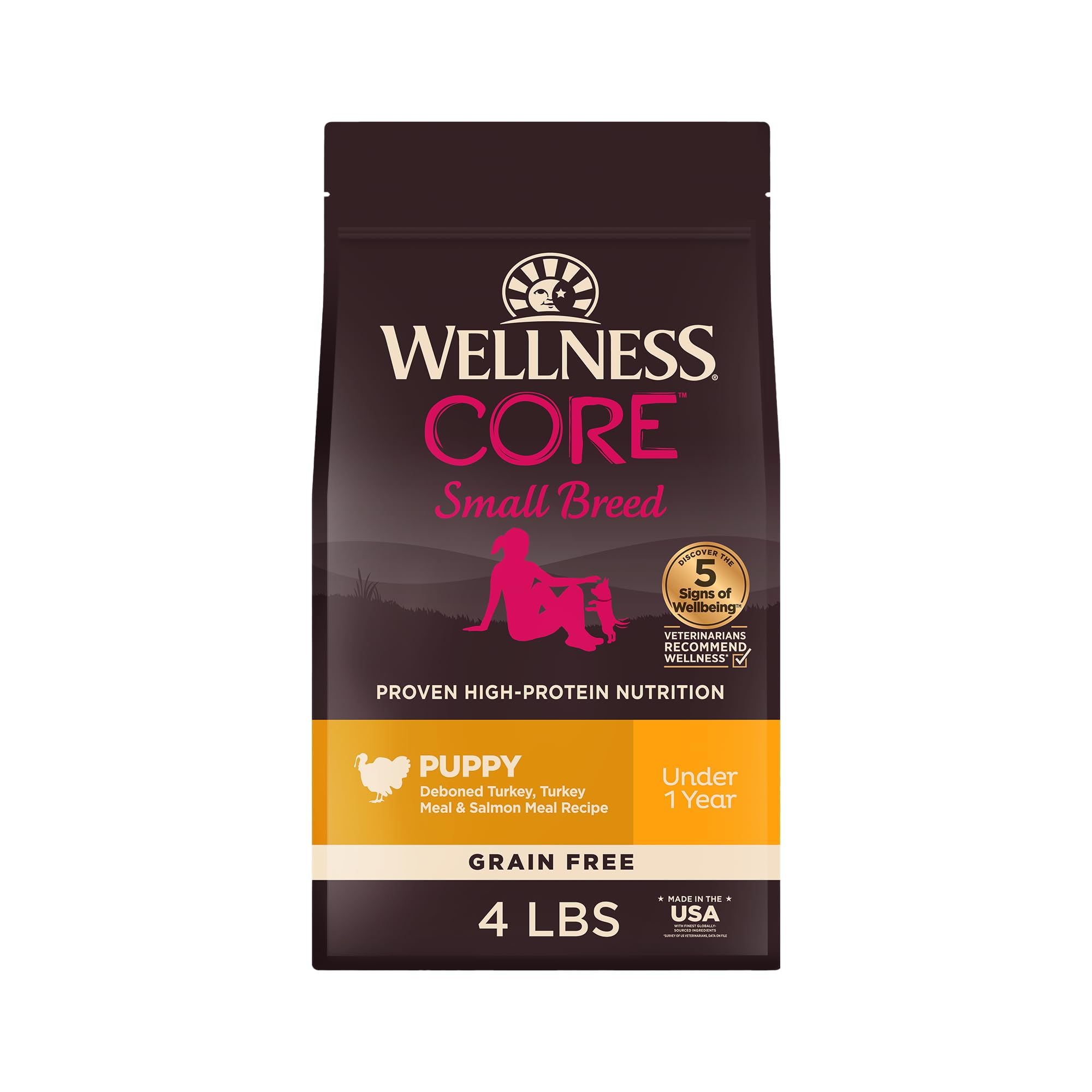
Wellness CORE Small Breed Puppy is a grain‑free formula loaded with 53% high‑quality protein from turkey and salmon, plus guaranteed DHA for brain development. The kibble is appropriately sized for tiny mouths, and the inclusion of probiotics helps settle sensitive stomachs. Owners of dachshunds, Yorkies, and other small breeds consistently report firm stools and shiny coats after switching.
The recipe avoids corn, wheat, soy, and artificial additives. Antioxidant‑rich superfoods like blueberries and spinach provide immune support, while calcium and phosphorus promote healthy bone growth. Many rescue parents mention that even the pickiest eaters clean their bowl with this food. One long‑time reviewer noted “the best puppy food for sensitive stomachs” thanks to a short adjustment period.
A few puppies did experience increased thirst or urination initially, but this usually resolves after a few days. The 4‑pound bag is a good trial size, and the resealable packaging keeps the kibble fresh. For a complete, science‑backed option that covers all nutritional bases, this is our top pick.
Why we love it
- High meat content (53%) with DHA
- Probiotics for digestive comfort
- No corn, wheat, or soy
Good to know
- Some puppies may experience temporary increased thirst
- Grain‑free may not suit all dietary preferences
2. Merrick Lil’ Plates Premium Grain Free Dry Puppy Food

Merrick Lil’ Plates is a grain‑free puppy food specifically designed for small breeds, with real deboned chicken as the first ingredient. It includes glucosamine and chondroitin to support developing hips and joints — a key advantage for breeds prone to mobility issues. The kibble is small, crunchy, and helps reduce plaque while your puppy chews.
Omega‑6 and omega‑3 fatty acids nourish the skin and coat, and probiotics aid digestion. Miniature dachshund owners praise the “perfect kibble size” and note that picky pups who turned up their noses at other brands eagerly eat Merrick. One owner with two 4‑month‑old puppies said “stool quality improved dramatically” and the food smells much less strong than other premium brands.
The main drawback is the cost: at this size, the price per pound is higher than some alternatives. However, for families who prioritize joint health and want a transparent, US‑based company with high manufacturing standards, Merrick delivers. If your puppy is very active or belongs to a long‑backed breed, this is a smart investment.
Why we love it
- Joint‑supporting glucosamine & chondroitin
- Small kibble for dental health
- High‑quality protein from deboned chicken
Good to know
- Premium price point for the bag size
- Not all puppies prefer chicken‑based recipes
3. Solid Gold Toy & Small Breed Dry Dog Food
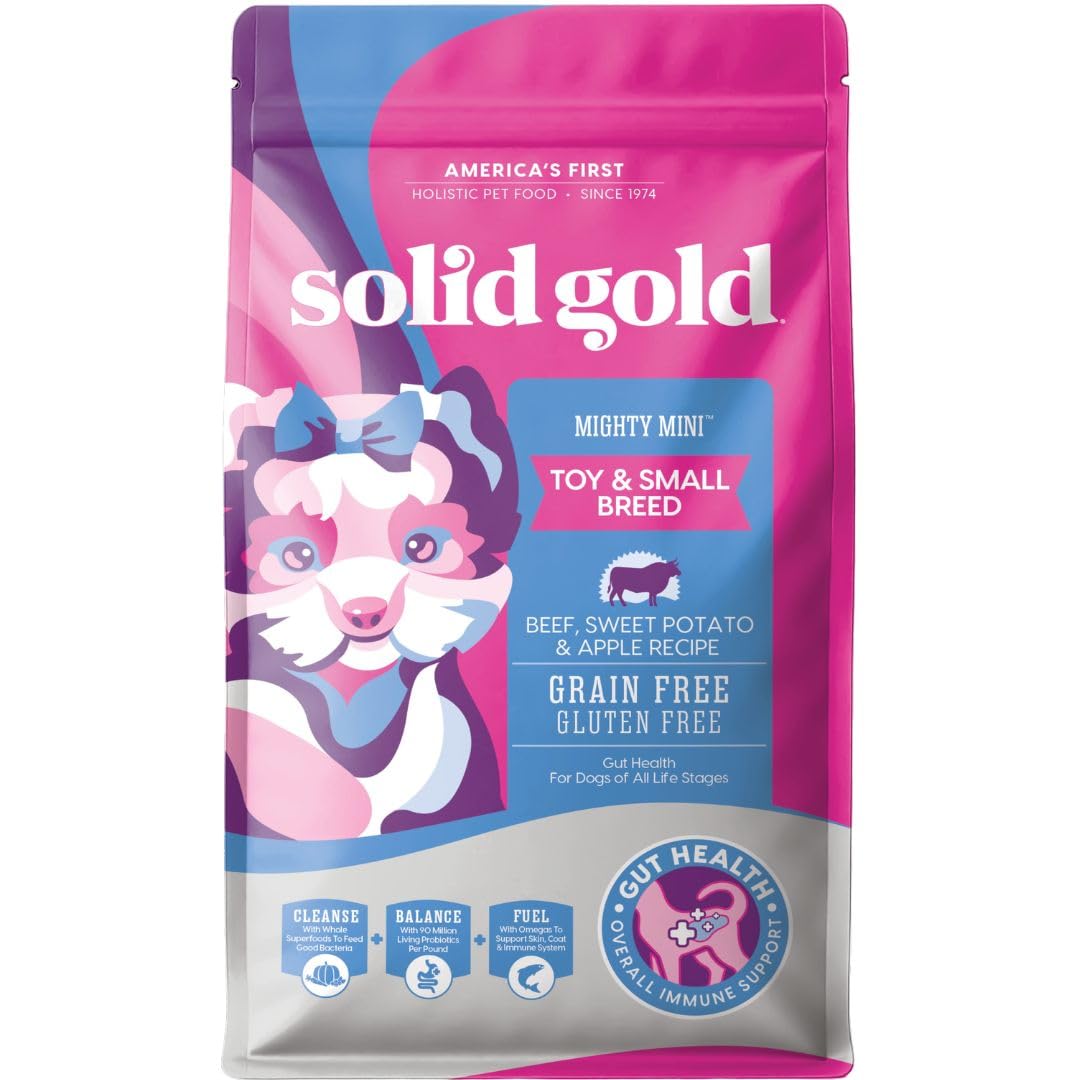
Solid Gold Small & Toy Breed formula boasts real beef as the first ingredient and a whopping 90 million probiotics per pound. This makes it an excellent choice for puppies with sensitive digestive systems or those transitioning from a bland diet. The kibble is shaped like tiny hearts, which appeals to owners of toy breeds like Chihuahuas and Maltese.
The recipe is grain‑free, gluten‑free, and free from soy and corn. Omega fatty acids promote a healthy skin barrier and glossy coat. Many long‑term users have been feeding this to their small dogs for years, noting that it keeps teeth clean and energy levels stable. A senior poodle mix who had lost several teeth found the tiny kibble easy to chew and gobbled it up eagerly.
One consideration: this food is formulated for all life stages, so it meets AAFCO standards for puppies as well. However, some puppies may need higher protein levels than this recipe provides. The 4‑pound bag is a great starter size, and the resealable pouch helps maintain freshness.
Why we love it
- High probiotic count for gut health
- Very small heart‑shaped kibble
- Single animal protein (beef)
Good to know
- Not specifically formulated for puppies (all life stages)
- Beef may not suit all protein preferences
4. Bil‑Jac Small Breed Puppy Dry Dog Food
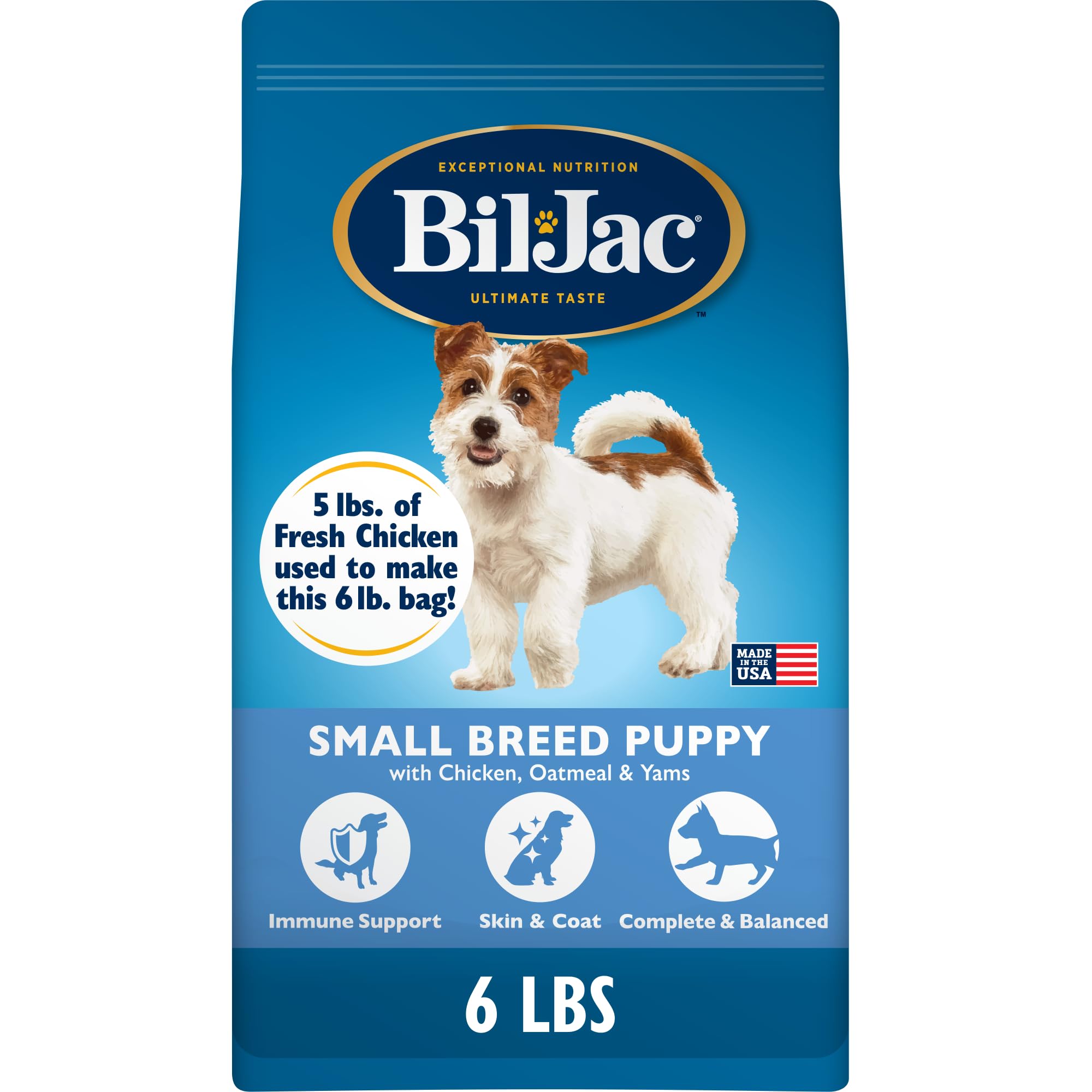
Bil‑Jac Small Breed Puppy is a budget‑friendly option that doesn’t skimp on quality. It uses fresh chicken as the primary protein source and incorporates oatmeal and yams for gentle fiber. The “soft and porous” kibble is easy for tiny teeth to crunch, making it ideal for puppies still learning to chew solid food.
Vitamin C and E are added to support the developing immune system. Picky eaters seem to love the taste and texture — one owner said their “picky eater dog loves this food.” Several reviewers commented on the funny shape that seems to engage puppies during mealtime. The 6‑pound bag offers a better price per pound than many competitors.
On the downside, some owners reported that their puppies had loose stools or undigested kibble in their poop. This suggests that the formula may be too rich or the fiber balance isn’t perfect for every pup. It’s also worth noting that the ingredients are not grain‑free, which could be a concern for some families. For the price, it’s a solid starter but may require a transition period.
Why we love it
- Very affordable price per pound
- Soft, easy‑to‑chew kibble shape
- Added immune vitamins C & E
Good to know
- Some puppies experience digestive upset
- Not grain‑free
5. Nature’s Protection Puppy Food Small Breed
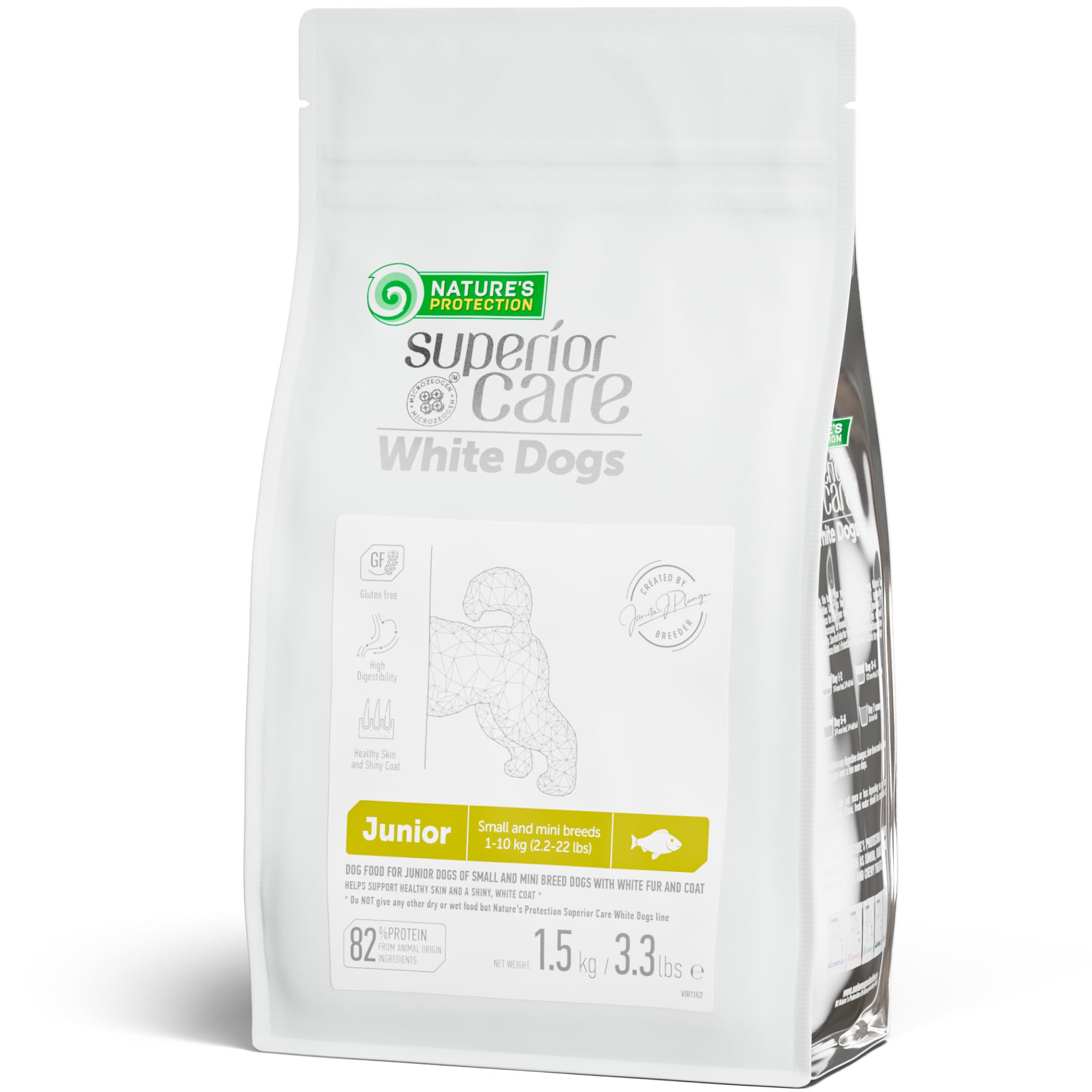
Nature’s Protection is a niche formula designed for small breed puppies with white or light coats. It features white fish as the #1 ingredient and a unique Microzeogen ingredient that helps prevent tear stains around the eyes and mouth. Owners of Bichons, Maltese, and Westies report noticeable fading of existing stains within weeks.
The recipe is grain‑free and hypoallergenic, making it a good choice for puppies with food sensitivities. It’s also enriched with DHA for brain health and calcium for strong bones. The 3.3‑pound bag is convenient for trial, and the company is known for European manufacturing standards.
The main limitation is the small bag size and premium cost. Additionally, the fishy smell may be off‑putting for some picky pups — one owner of a Maltese said their dog eventually stopped eating it. For owners specifically battling tear stains, this is the top contender, but for general feeding, there are more versatile options.
Why we love it
- Effective tear stain reduction
- Single animal protein (white fish)
- Grain‑free & hypoallergenic
Good to know
- Small 3.3 lb bag – less value per pound
- Strong fish scent; some picky puppies refuse it
Safety & Care Tips
Transition Slowly
Abruptly switching a puppy’s food can cause diarrhea and upset stomach. Over 7–10 days, gradually mix increasing amounts of the new food with the old. Start with 25% new / 75% old and increase by 25% every few days.
Portion Control
Eight‑week‑old puppies have tiny stomachs. Feed them three to four small meals per day rather than one large bowl. Use the feeding guide on the bag as a starting point, then adjust based on your puppy’s body condition and activity level.
Keep Fresh Water Available
Puppies dehydrate much faster than adult dogs. Always have a clean bowl of water nearby, especially when introducing dry kibble. Some formulas may increase thirst, so check the bowl frequently.
Watch for Allergic Reactions
If your puppy develops red ears, excessive scratching, or loose stools after starting a new food, the protein source may be a problem. Switch back to the previous food and consult your vet before trying a novel protein (like fish or lamb).
FAQ
Can I feed adult dog food to my 8‑week‑old puppy?
How often should I feed my 8‑week‑old puppy?
Should I mix wet food with dry kibble for added nutrition?
Final Thoughts: The Verdict
For most pet parents, the best food for puppies 8 weeks old winner is the Wellness CORE Small Breed Puppy because it combines premium protein, DHA for brain health, and probiotics for gentle digestion in a trusted grain‑free formula. If you want joint support for an active pup, grab the Merrick Lil’ Plates Puppy. And for picky eaters or sensitive stomachs, nothing beats the Solid Gold Small & Toy Breed with its high probiotic content.