
Bringing a freshwater aquarium to life with live plants is one of the most rewarding steps in fishkeeping, creating a natural sanctuary for your aquatic friends and a stunning visual centerpiece for your home.
I’m Mo Mahin — the founder and writer behind Furric. My process involves deep market research, analyzing aquatic horticulture standards, and synthesizing thousands of real aquarist experiences to separate the truly resilient plants from the problematic ones.
The right plants can make your aquarium thrive, but choosing wrong leads to melt and algae—discover our meticulously researched picks for the best freshwater aquarium plants.
How To Choose The Best Freshwater Aquarium Plants
Selecting the right plants is more than just aesthetics; it’s about creating a stable, healthy environment. The best choices are those that match your tank’s specific conditions and your level of experience.
Understand Your Light Levels
Light is the engine of plant growth. Low-light plants like Java Fern and Anubias are forgiving and perfect for standard aquarium hoods. Medium to high-light plants, such as Dwarf Hairgrass, often require dedicated full-spectrum LED fixtures to thrive and may need supplemental CO2.
Consider Plant Placement and Type
Think about your aquascape layout. Foreground plants stay short for carpeting, mid-ground plants add bulk, and background plants like Amazon Swords provide height. Floating plants, like Frogbit, create shade and security for fish but need open surface area.
Evaluate Substrate and Nutrient Needs
Rooted plants like Swords and Crypts draw nutrients from a nutrient-rich substrate. Rhizome plants like Anubias must have their rhizome above gravel or attached to driftwood. Floating plants absorb nutrients directly from the water column, helping to reduce algae-causing nitrates.
Start with Hardy, Beginner-Friendly Species
If you’re new to planted tanks, begin with robust, low-demand plants. Species like Java Moss, Amazon Sword, and Anubias are exceptionally tolerant of varying water conditions and less prone to “melting” when introduced to a new tank, setting you up for success.
Quick Comparison
On smaller screens, swipe sideways to see the full table.
| Model | Type | Best For | Key Feature | Amazon |
|---|---|---|---|---|
| Amazon Sword | Rosette | Background Centerpiece | Extremely Hardy & Fast Growing | Amazon |
| Red Root Floaters | Floating | Color & Surface Cover | Vibrant Red Roots & Leaves | Amazon |
| Anubias Nana | Rhizome | Beginner Hardscape | Nearly Indestructible, Low Light | Amazon |
| Rooted Plant Bundle | Variety Pack | Instant Jungle Look | 6 Snail-Free Species | Amazon |
| Tiger Lotus Lily | Bulb | Red Centerpiece | Striking Red & Green Leaves | Amazon |
| Java Moss | Moss | Attaching to Hardscape | Dense, Carpeting Growth | Amazon |
| Amazon Frogbit | Floating | Surface Shade & Fry Cover | Long, Dangling Roots | Amazon |
| 30+ Stems Package | Stem Bundle | Filling a New Tank | Massive Quantity & Variety | Amazon |
| Dwarf Hairgrass | Tissue Culture | Foreground Carpet | Pest-Free Lab Grown | Amazon |
| Giant Duckweed | Floating | Rapid Surface Coverage | Extremely Fast Propagation | Amazon |
| Java Fern | Rhizome | Low Light Beginner Tank | Attaches to Rocks & Wood | Amazon |
In-Depth Reviews
1. Amazon Sword – Echinodorus Bleheri

The Amazon Sword is the quintessential background plant, a reliable workhorse that brings instant lushness and height to any freshwater aquarium. Its broad, bright green leaves create a perfect hiding spot for fish and a beautiful, natural backdrop.
This plant is celebrated for its hardiness and adaptability to low-light conditions, making it a top choice for beginners. Aquarists consistently report that these swords arrive with well-established root systems and experience minimal melt during acclimation, often sending out new runners within weeks. It thrives when planted in a nutrient-rich substrate but doesn’t require high-tech CO2 setups to grow impressively.
For creating a foundational green scape that’s both beautiful and functional, the Amazon Sword is unmatched in its category. Its ability to grow tall and full makes it ideal for concealing equipment and providing security for a wide range of community fish.
Why we love it
- Extremely tolerant of various water conditions and light levels
- Arrives mature and healthy, with a high survival rate
- Grows quickly to provide excellent background coverage
Good to know
- Can grow very large and may require regular pruning in smaller tanks
- Being a heavy root feeder, it benefits from root tab fertilization
2. Aquarigram Red Root Floaters

If you’re looking to add a stunning pop of color beyond basic green, Red Root Floaters deliver with their distinctive reddish leaves and vibrant pink roots. This premium floating plant transforms the water’s surface into a living tapestry.
Beyond aesthetics, they are excellent natural water purifiers, absorbing excess nitrates and phosphates. Hobbyists love that these plants arrive in generous quantities, often with 40 or more leaves, and are frequently accompanied by a bonus plant. Under moderate light, the red coloration intensifies, creating a beautiful contrast against green submerged plants.
For a mid-range to premium option that boosts water quality and visual drama, Red Root Floaters are a fantastic investment. They propagate quickly, providing ample cover for shy fish and shrimp while helping to curb algae growth.
Why we love it
- Provides unique red coloration rarely found in easy-care plants
- Excellent for improving water quality by consuming excess nutrients
- Arrives in a large, healthy portion with careful packaging
Good to know
- Requires relatively calm surface water; strong filter current can drown them
- Color development depends on light intensity; lower light may result in greener leaves
3. SubstrateSource Anubias Nana
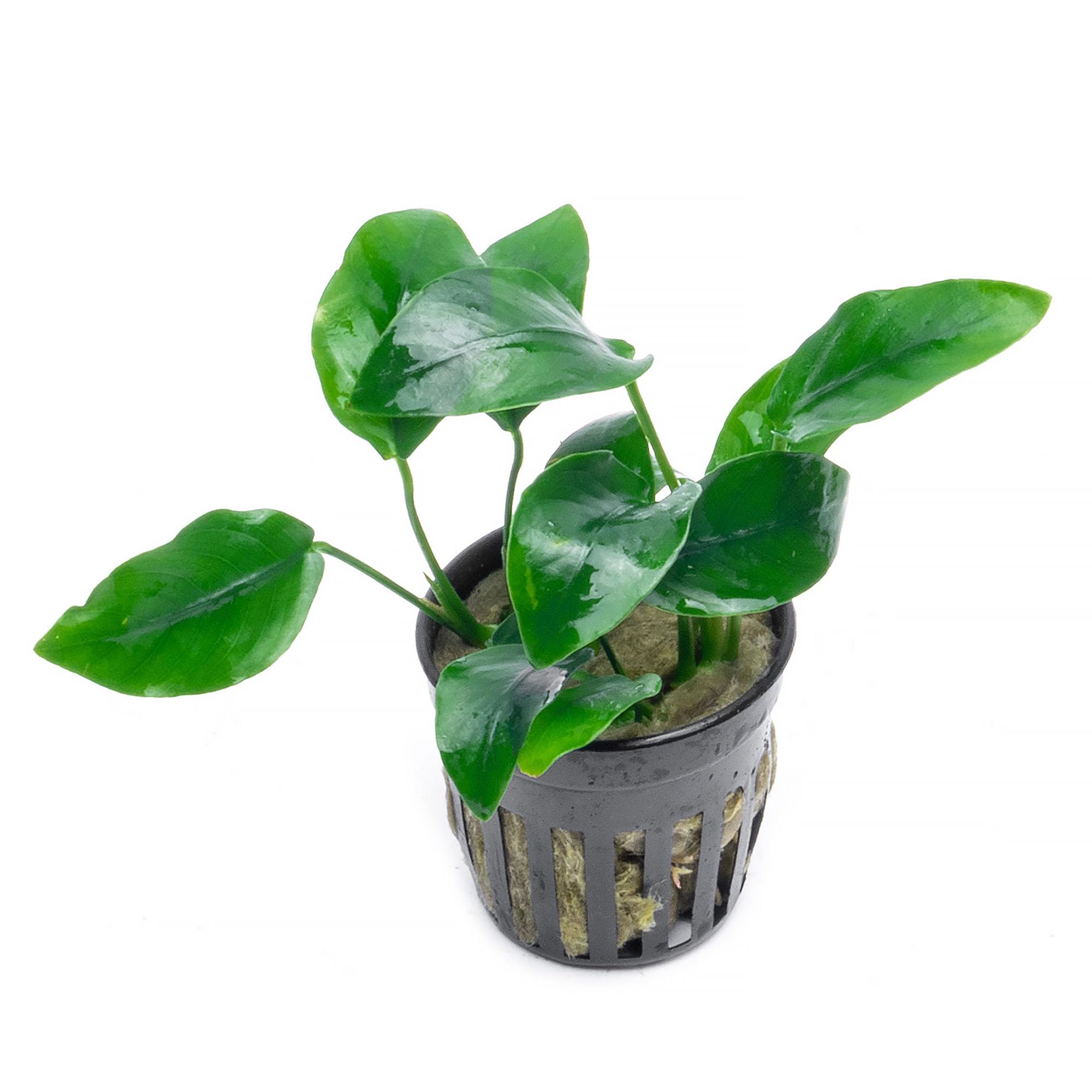
Anubias Nana is arguably the most forgiving plant in the hobby, a true beginner’s champion that thrives on neglect. Its thick, dark green leaves are resistant to melting and can survive in a wide range of water parameters.
This potted plant arrives ready for your hardscape; you simply remove the rock wool and attach the rhizome to driftwood or rock using thread or glue. Countless aquarists confirm its snail-free guarantee and note how it arrives with multiple growth points, ensuring a bushy appearance. It grows slowly, which means very little maintenance and no worry about it overtaking your tank.
For anyone dipping their toes into live plants, Anubias Nana is the safest, most reliable choice. It provides the benefits of live flora—shelter for fish and improved water stability—with almost zero chance of failure.
Why we love it
- Virtually indestructible and perfect for low-tech, low-light tanks
- Snail-free guarantee and arrives potted for easy handling
- Versatile for attaching to decorations, no substrate needed
Good to know
- The rhizome must not be buried in substrate, or it will rot
- Slow growth means it can be susceptible to algae on its leaves if light is too strong
4. Rooted Live Aquarium Plant Bundle

This curated bundle is the fastest way to transform a bare tank into a thriving planted aquarium. It offers a balanced mix of textures, heights, and growth habits, giving you an instant aquascape foundation.
You receive six distinct, rooted plants, including popular varieties like Cryptocoryne and Anubias, each selected for ease of care. Feedback from the community highlights that the plants are often larger than expected and arrive in robust health, even after shipping delays. The snail-free guarantee is a significant plus, though some seasoned aquarists still recommend a precautionary quarantine.
For the aquarist who wants to skip the piecemeal approach and establish a diverse, healthy plant colony quickly, this bundle offers tremendous value. It’s a premium solution for creating a complex, natural-looking environment from day one.
Why we love it
- Excellent value for a complete set of established, rooted plants
- Provides immediate visual impact and biological filtration
- Includes a mix of beginner-friendly species for different tank zones
Good to know
- Some plants may be grown emersed and will melt back before adapting to underwater growth
- Identification of individual species isn’t always provided, which can challenge new hobbyists
5. Marcus Fish Tanks Tiger Lotus Lily

The Tiger Lotus Lily is a show-stopping centerpiece plant that offers dynamic, colorful growth. Starting as a humble bulb, it quickly sends up stunning leaves that can range from deep red to mottled green, adding a dramatic focal point.
This plant is surprisingly adaptable, capable of growing as a compact bush or sending lily pads to the surface. Many aquascapers appreciate that it arrives pre-sprouted, reducing the guesswork. Community reports consistently mention its vigorous growth once established, with new leaves appearing regularly under moderate light. It can be easily controlled by pruning adventurous stems.
For a mid-range plant that delivers high-impact visual appeal and interesting growth behavior, the Tiger Lotus is an excellent choice. It brings a unique, almost painterly quality to the aquarium that few other plants can match.
Why we love it
- Provides fast, dramatic growth and striking red coloration
- Versatile growth habit, from bushy to tall with surface pads
- Arrives as a pre-sprouted bulb for easier establishment
Good to know
- Leaf color can vary from red to green depending on light and nutrients
- Can grow quite large and may shade smaller plants if not pruned
6. Java Moss

Java Moss is the ultimate utility player for the planted tank, a versatile green mass that can be used to create carpets, walls, or lush decorations on driftwood and rocks. Its fine, branching structure provides invaluable shelter for fry and shrimp.
This moss requires virtually no care—it grows in almost any light and water condition. Aquarists using it note its rapid growth once established, quickly covering surfaces with a vibrant green carpet. It’s typically sold in generous portions and can be easily divided to spread across multiple areas of your hardscape.
While an excellent mid-range option for adding texture and biological complexity, it’s crucial to source it carefully. Some batches have been reported to carry pests, so a thorough rinse and brief quarantine are highly recommended practices.
Why we love it
- Extremely versatile for creating natural-looking moss carpets and trees
- Provides excellent infusoria and hiding places for baby fish and shrimp
- Grows quickly and easily in low-tech setups
Good to know
- Can harbor snails or other pests; inspection and quarantine are advised
- If not maintained, it can become dense and trap detritus
7. Amazon Frogbit
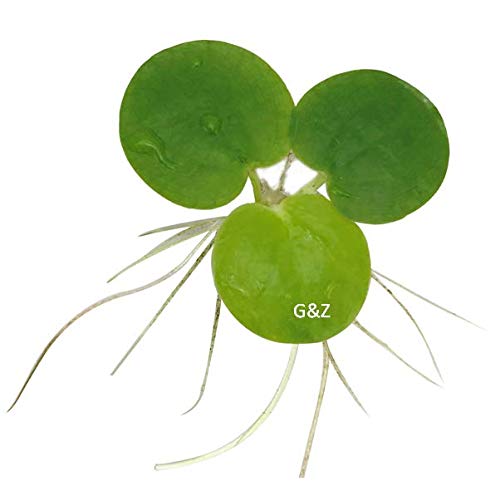
With its lily-pad-like leaves and long, dangling roots, Amazon Frogbit creates a beautiful, natural canopy at the water’s surface. It’s particularly beloved by betta keepers and those who need to diffuse bright light for shade-loving species.
This floating plant is a nutrient sponge, actively pulling nitrates and phosphates from the water, which helps inhibit algae growth below. Hobbyists frequently mention that Frogbit arrives with healthy, vibrant green leaves and impressive root systems, acclimating quickly to their new tanks. It propagates by sending out runners, steadily increasing your surface coverage.
For a reliable mid-range floating plant that offers both functional and aesthetic benefits, Amazon Frogbit is a stellar performer. Its roots provide endless exploration territory for fish and shrimp.
Why we love it
- Creates perfect shaded areas and reduces light-related stress for fish
- Long, fibrous roots are ideal for shrimp grazing and fry protection
- Effective at improving water quality by consuming excess nutrients
Good to know
- Can multiply quickly and require regular thinning to allow light penetration
- Leaves can suffer from melt if they remain wet from condensation or splashes
8. Mainam 30+ Stems Package

This stem plant bundle is designed for the aquarist who wants to densely plant a new aquarium immediately. It offers a substantial volume of plant material, featuring a mix of classic species that cater to different areas of the aquascape.
The value proposition here is quantity and variety. Buyers often express pleasant surprise at the sheer number of stems received, which allows for creating full, lush groupings from the start. The inclusion of Java Moss, Anubias, and Java Fern alongside stem plants provides textural contrast. The plants are generally noted to be healthy and pest-free upon arrival.
As a budget-friendly way to achieve a heavily planted look without waiting for slow propagation, this bundle is hard to beat. It’s an ideal starter kit for a 10 to 20-gallon tank, giving you plenty of material to experiment with planting layouts.
Why we love it
- Offers tremendous value with a large number of stems for the cost
- Provides a ready-made variety for instant aquascaping
- Great for beginners to learn plant identification and care needs
Good to know
- Plants may not be individually labeled, requiring some research to identify
- Some stems may be smaller trimmings that need time to establish and root
9. Dwarf Hairgrass Tissue Culture

For the coveted lush green carpet look, Dwarf Hairgrass is a top contender. This tissue culture version offers a critical advantage: it’s guaranteed to be free of pests, algae, and pesticides, giving your carpet a clean, healthy start.
Sold in a sterile gel within a cup, the plantlets are small but numerous. Experienced aquascapers advise that tissue culture plants often undergo a transition period (“melt”) as they adapt from emersed to submerged growth, but new shoots will emerge. The buy-two-get-one-free deal makes this a cost-effective way to get enough plantlets to cover a significant foreground area.
While it requires more light and potentially nutrient-rich substrate or CO2 to form a dense carpet compared to the easier plants on this list, this hairgrass is the premium, safe choice for dedicated hobbyists pursuing that perfect lawn.
Why we love it
- Comes pest-free in a sterile culture, eliminating quarantine worries
- Perfect for creating a classic, grassy foreground carpet
- Promotion often provides extra value per plant
Good to know
- Requires higher light and may benefit from CO2 to carpet effectively
- Will likely melt back initially before establishing new submerged growth
10. Giant Duckweed

If your goal is to quickly cover the water surface to provide shade or consume excess nutrients, Giant Duckweed is one of the most efficient plants available. Its smaller, round leaves multiply at an astonishing rate.
This is a budget-friendly powerhouse for nutrient export. Many keepers of fish ponds or fry tanks praise its rapid growth, which provides excellent cover and helps stabilize water parameters. The “giant” variety is easier to manage than common duckweed due to its larger size. However, its prolific nature is a double-edged sword.
This plant is best for those who understand and desire extremely fast-growing surface cover. It’s an entry-level workhorse, but you must be prepared to harvest and discard large amounts regularly to prevent it from completely blocking light to plants below.
Why we love it
- Unbeatable growth speed for quick surface coverage and nutrient uptake
- Inexpensive way to establish a floating plant colony
- Provides excellent cover for shy fish and vulnerable fry
Good to know
- Can become an invasive nuisance, requiring constant removal
- Often carries hitchhikers like snails or worms; quarantine is essential
11. Java Fern Bare Root

Java Fern is a cornerstone of the low-tech planted tank, renowned for its ability to thrive in low light without added CO2. This bare-root offering is the most economical way to add this classic, durable plant to your aquarium.
Like Anubias, its rhizome should not be buried but instead attached to hardscape. Once secured, it will slowly but steadily produce new leaves, eventually forming a dense, attractive clump. Community feedback confirms its hardiness, with many noting it arrives healthy and recovers well even from shipping stress. It’s a fantastic plant for adding greenery to shaded areas of the tank.
As the most budget-conscious option on this list, Java Fern proves that you don’t need to spend a lot to enjoy the benefits of live plants. It’s a foolproof first plant that will grow with you as your skills develop.
Why we love it
- The most affordable entry point into live aquarium plants
- Exceptionally hardy and tolerant of a wide range of conditions
- Perfect for attaching to decorations to create a natural, aged look
Good to know
- Very slow growth compared to stem plants or floaters
- Black spots on leaves (sorus) are normal reproductive structures, not a disease
Safety & Care Tips
Always Quarantine New Plants
Even “snail-free” guarantees can have exceptions. Before adding new plants to your main tank, quarantine them in a separate container for at least a week. Inspect for snails, snail eggs, and unusual worms. A brief dip in a diluted bleach solution (1 part bleach to 20 parts water for 90 seconds, then rinse thoroughly) can eliminate many pests and algae spores.
Manage the Melt Transition
Many plants are grown emersed (in air) and will “melt” as they transition to submerged growth. Don’t panic if leaves deteriorate. Focus on keeping the roots or rhizome healthy. Trim dead material, ensure good water quality, and be patient—new, adapted leaves will sprout.
FAQ
Do I need special substrate for aquarium plants?
How do I prevent algae on my new plants?
Why are the leaves on my new plants turning yellow or brown?
How many plants should I start with in my aquarium?
Final Thoughts: The Verdict
For most pet parents, the best freshwater aquarium plants winner is the Amazon Sword because its hardiness, fast growth, and classic beauty make it a fail-safe foundation for any community tank. If you want stunning color and premium surface coverage, grab the Red Root Floaters. And for absolute beginner-friendly, bulletproof performance, nothing beats the Anubias Nana.