
A dog with a sensitive GI tract turns every mealtime into a guessing game. One wrong bite of a kibble loaded with fillers or too much fat, and you’re dealing with loose stool, vomiting, or a grumpy pup that refuses to eat. The right diet flips that script, delivering a bland-but-balanced formula that lets the gut heal without stripping out essential nutrients. For owners managing pancreatitis, inflammatory bowel disease (IBD), or chronic dietary indiscretion, a prescription or limited-ingredient recipe often becomes the only viable long-term answer.
I’m Mo Mahin — the founder and writer behind Furric. I’ve spent years comparing the nutritional profiles, calorie densities, and prebiotic sources of veterinary gastrointestinal formulas, cross-referencing ingredient panels with real-world owner feedback to separate the foods that restore gut health from those that merely claim to.
The core issue isn’t just solubility — it’s about finding a recipe that provides high digestibility, low fat content, and targeted fiber sources to regulate stool quality. This guide ranks the top contenders in gi dog food based on veterinary backing, ingredient transparency, and proven results for dogs with sensitive stomachs and chronic digestive problems.
How To Choose The Best GI Dog Food
A GI dog food must balance three specific nutritional parameters to be effective: a fat percentage below 10% on a dry-matter basis (or an explicit low-fat claim), a protein source that is single-sourced and highly digestible, and a fiber profile that includes fermentable prebiotics rather than just insoluble filler. Many premium “sensitive stomach” kibbles fail on fat content and end up triggering pancreatitis in predisposed breeds.
Fat Content is the Gatekeeper
For dogs with a history of pancreatitis or exocrine pancreatic insufficiency (EPI), a low-fat guarantee is non-negotiable. Look for explicit “low fat” labeling from the manufacturer — Royal Canin Gastrointestinal LF and Purina EN Gastroenteric both adhere to strict low-fat thresholds. A standard maintenance dog food often sits at 15-20% fat on a dry-matter basis, which can cause a painful flare-up within hours for a susceptible dog.
Prebiotic Fiber vs. Insoluble Filler
The fiber source determines whether a formula firms stool or just adds bulk. Prebiotic fibers like inulin (from chicory root), fructooligosaccharides (FOS), and Hill’s proprietary ActivBiome+ blend feed beneficial gut bacteria, improving fermentation and stool consistency. Insoluble fibers like pea fiber or beet pulp may provide bulk but don’t actively support the gut microbiome. A therapeutic GI food should list a named prebiotic source in the first five ingredients.
Moisture Content and Palatability
During a digestive flare-up, dogs often refuse dry kibble. Wet formulas (pates, stews, or ground loaves) provide higher moisture, easier chewing, and stronger aroma triggers that encourage eating. Products like Hill’s i/d Digestive Care Wet and Purina EN Gastroenteric Wet give you the option to feed exclusively during recovery or use as a topper on dry kibble. A dog that won’t eat doesn’t recover, so palatability testing and real-world acceptance feedback matter significantly.
Quick Comparison
On smaller screens, swipe sideways to see the full table.
| Model | Category | Best For | Key Spec | Amazon |
|---|---|---|---|---|
| KOHA Limited Ingredient Bland Diet | Wet / Limited Ingredient | Acute upset stomach & travel emergencies | Single-chicken protein + pumpkin | Amazon |
| Royal Canin Veterinary GI LF | Dry Kibble | Pancreatitis & long-term weight management | Low fat (<10% DMB) | Amazon |
| Purina Pro Plan EN Gastroenteric | Wet Pate | IBD episodes & post-surgery recovery | MCT oil + Inulin prebiotic | Amazon |
| Hill’s i/d Digestive Care | Wet Stew | Weekly digestive support & picky eaters | ActivBiome+ prebiotic blend | Amazon |
| Hill’s Metabolic + Mobility | Dry Kibble | Weight loss with joint support | Metabolic blend + Omega-3s | Amazon |
In‑Depth Reviews
1. Hill’s Prescription Diet i/d Digestive Care Wet Dog Food

The Hill’s i/d formula has long been the gold standard in veterinary therapeutic GI nutrition, and the ActivBiome+ upgrade makes it even more effective for rapid gut recovery. This wet stew delivers a proprietary blend of prebiotic fibers designed to activate the gut microbiome within hours, not days, which translates to faster transit time and stool firming in adult dogs with acute or chronic digestive upset. At roughly 1.3 kcal/g (wet basis), it provides enough energy density for recovery without overtaxing inflamed intestines.
Real-world owner reports consistently highlight a dramatic turnaround: dogs with suspected IBS or inflammatory bowel disease that had been suffering from stinky, watery stools for weeks returned to normal within three to five days. The chicken and vegetable stew texture appeals even to picky Pugs and elderly mixed-breeds, making it a practical tool for owners who struggle to get medication down alongside food. The inclusion of high levels of B vitamins and electrolytes directly addresses nutrient depletion common during vomiting or diarrhea episodes.
The primary downside is packaging fragility — multiple accounts of severely dented cans due to poor shipping padding require either a local pickup option or a switch to PetCo for the same product at a similar price. Additionally, the formula is chicken-based, which can be problematic for dogs with confirmed poultry allergies, though this is uncommon in the GI-sensitivity population. For a wet food that resolves digestive chaos without an ingredient list of junky fillers, this earns the top slot.
Why we love it
- ActivBiome+ prebiotic blend firms stool noticeably faster than standard fiber sources
- Palatable stew texture accepted by picky breeds and elderly dogs
- Electrolytes and B vitamins replenish deficiencies from vomiting or diarrhea
Good to know
- Cans often arrive dented due to poor Amazon packaging — inspect upon arrival
- Chicken protein may not suit dogs with rare poultry-specific allergies
2. Pro Plan Veterinary Diets Purina EN Gastroenteric Canine Formula

Purina’s EN Gastroenteric formula occupies a critical niche between a bland diet and a full therapeutic regimen. The inclusion of medium-chain triglyceride (MCT) oil from coconut oil provides a readily absorbed energy source that bypasses the standard digestion pathway — invaluable for dogs with impaired fat absorption or exocrine pancreatic insufficiency. At a pate consistency with 13.4 oz cans, this food delivers sufficient caloric density for large breeds without causing GI overload.
Owner testimonials reveal that this formula excels specifically for dogs with inflammatory bowel disease (IBD) episodes and post-surgery recovery transitions. Greyhound owners report it normalized bowel movements in breeds notoriously prone to deep-chested digestive sensitivities. The inclusion of inulin as a prebiotic fiber directly supports the colon’s bacterial fermentation, leading to better-formed stools compared to standard canned maintenance food. One long-term user noted their dog refused human food in favor of this pate, a testament to its flavor-lock technology.
However, the ingredient panel includes unnamed animal digest sources and is not a single-protein formula, which can cause hesitation among owners who prefer fully transparent limited-ingredient lines. At its price point, it runs higher per ounce than KOHA’s bland diet, making it a specialist tool rather than an everyday rotation feed for mild cases. For true GI pathology like IBD or post-op recovery, the cost is justified by the MCT absorption advantage.
Why we love it
- MCT oil provides a quick, non-traditional energy source for compromised digestion
- Inulin prebiotic actively feeds beneficial gut bacteria for improved stool quality
- Pate texture is highly palatable even for dogs refusing other foods
Good to know
- Not a single-protein recipe — contains unnamed animal digest sources
- Higher per-can cost compared to limited-ingredient alternatives like KOHA
3. KOHA Limited Ingredient Bland Diet

KOHA’s Bland Diet is the answer to the classic vet instruction: “feed boiled chicken and white rice.” This formula eliminates the cooking step entirely while delivering a single-source chicken protein combined with white rice and pumpkin for a truly gentle meal. The pumpkin provides both soluble fiber to firm stool and insoluble fiber to promote regularity, making it a dual-action digestive aid in a ready-to-serve pouch. Marketed as ideal for loose stool, diarrhea, and post-medication flare-ups, it has found a dedicated following among owners who need an emergency food they can stock in the pantry.
Owner reports confirm that this was the only food that stopped vomiting and soft stool in a medium-sized terrier within a week. The chicken-to-rice ratio is notably higher than competing bland diets — reviewers praised the generous chicken portion compared to rice-heavy brands that skimp on protein. The absence of peas, potatoes, corn, soy, and artificial preservatives aligns with standard veterinary advice for gut-sensitive dogs, and the shelf-stable format means no refrigeration is required before opening, making it practical for travel and emergency kits.
The delivery timeline can be lengthy, with some owners reporting extended shipping times that defeat the purpose of an emergency diet. Additionally, as a limited-ingredient maintenance food rather than a formulated therapeutic diet, it lacks the precisely calibrated vitamin and electrolyte profiles found in Hill’s i/d or Purina EN. For a budget-friendly, vet-alternative that lets you skip the boiling pot, this is the most accessible entry point.
Why we love it
- No cooking required — shelf-stable, ready-to-serve chicken-and-rice base
- Pumpkin provides both soluble and insoluble fiber for balanced stool management
- Single protein source eliminates dietary confusion during flare-ups
Good to know
- Extended delivery times reported — stock in advance for emergency use
- Lacks targeted veterinary electrolytes and MCT oil found in therapeutic diets
4. Royal Canin Veterinary Diet Canine Gastrointestinal LF Low Fat
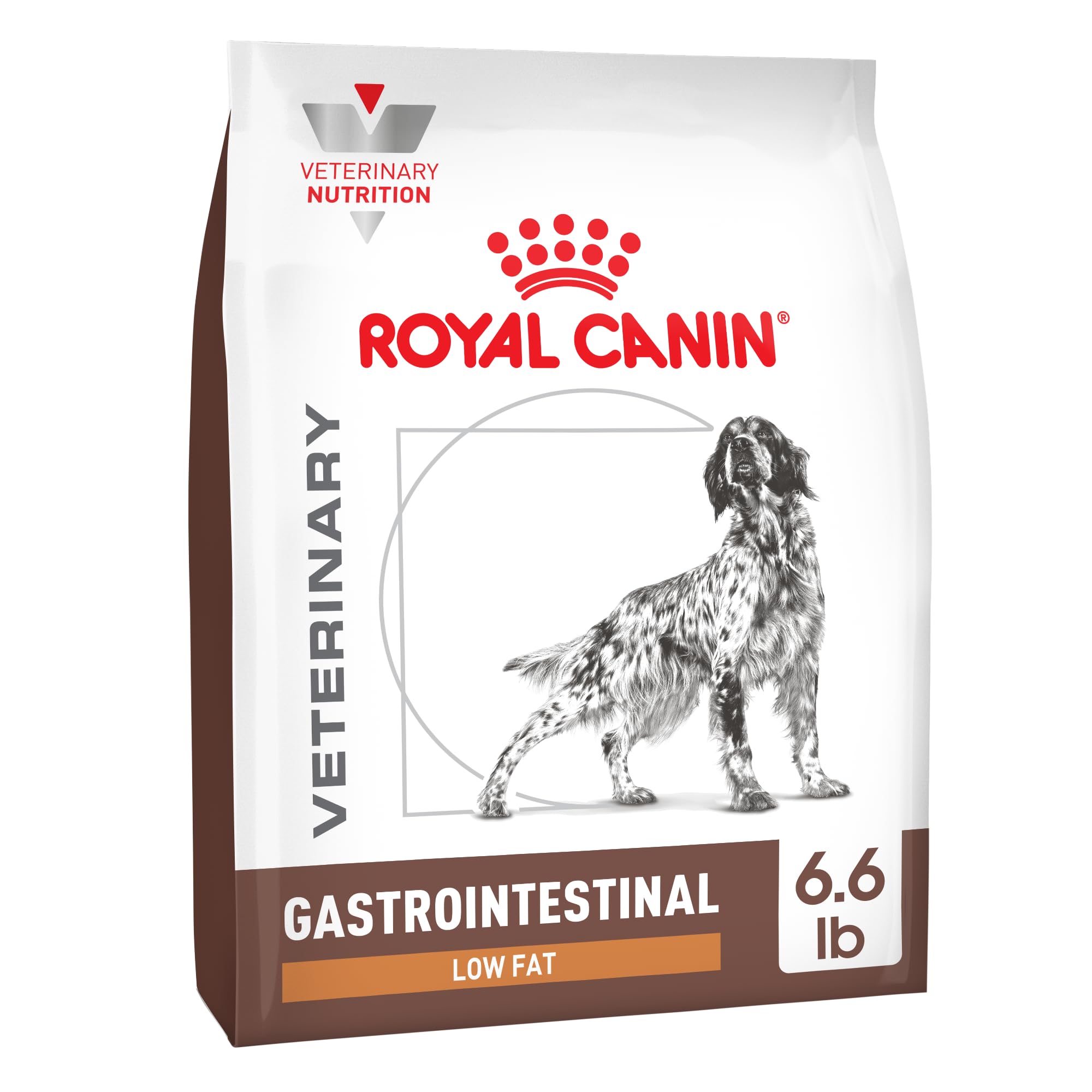
Royal Canin’s Gastrointestinal LF formula is the default veterinary recommendation for dogs with pancreatitis history, hyperlipidemia, or chronic fat intolerance. At under 10% fat on a dry-matter basis, it is one of the lowest-fat therapeutic kibbles available, and the precise calorie density of approximately 298 kcal/cup allows weight-conscious owners to calculate daily rations with confidence. The kibble texture is engineered to be highly flavorful enough to entice picky eaters, a feature that matters greatly when medication needs to be hidden within meals.
Owner feedback emphasizes its effectiveness for two distinct populations: Yorkies and other small breeds prone to pancreatitis, and overweight large breeds like Goldens requiring weight loss without triggering digestive upset. The prebiotic fiber blend supports healthy gut bacteria, and the kibble’s shape is designed for easy chewing, reducing transit time through the stomach. Multiple long-term users confirmed that this was the only food their dog could eat without vomiting or experiencing abdominal pain after years of trial-and-error with other brands.
The biggest shock for new buyers is the price variation — owners report that Amazon’s price is often double what local veterinarians charge, creating a trust issue for repeat purchases. Also, the kibble contains wheat, which may be a concern for owners aiming for a grain-free or wheat-sensitive diet, though most GI specialists do not consider wheat problematic for non-celiac populations. For dogs with a confirmed low-fat requirement, this remains the most targeted solution available.
Why we love it
- Sub-10% fat content is the gold standard for pancreatitis and fat intolerance
- Precise 298 kcal/cup allows accurate weight management dosing
- Vet-formulated flavor technology appeals to dogs with reduced appetite
Good to know
- Amazon prices can be significantly higher than direct veterinary clinic pricing
- Contains wheat — not suitable for strict grain-free or wheat-sensitive preferences
5. Hill’s Prescription Diet Metabolic + Mobility Dry Dog Food

While technically a weight-and-joint formula rather than a pure GI diet, the Hill’s Metabolic + Mobility recipe earns a place on this list because of its unique metabolic blend that works synergistically with digestive health. The formula uses a proprietary combination of nutrients that naturally interact with the dog’s metabolism to encourage fat burning while preserving lean muscle mass, which directly reduces the pancreatic strain associated with obesity. High levels of omega-3 fatty acids support joint mobility and also provide anti-inflammatory benefits that calm gut lining inflammation in overweight dogs.
Owner reports from the King Charles Cavalier Spaniel community highlight dramatic weight loss results — 5 lbs lost in 6 months without increased activity — while maintaining normal stool consistency and eliminating begging behavior. Veterinary approval for the protocol is common for senior dogs with concurrent obesity, arthritis, and mild digestive inefficiency. The kibble is large enough to encourage chewing, which slows eating speed and reduces air swallowing, a common cause of bloating in fast eaters.
This formula is not designed for acute GI flare-ups — its lower calorie density and higher fiber content can cause digestive discomfort if introduced too quickly. It is also one of the most expensive options on this list, making it a long-term investment in health rather than a short-term intervention. For owners of overweight seniors who need to address three health vectors (weight, joints, digestion) with one food, this is the most efficient tool available.
Why we love it
- Metabolic blend encourages weight loss while reducing pancreatic strain
- Omega-3 fatty acids provide anti-inflammatory benefit for gut and joints
- Large kibble size encourages chewing and reduces air swallowing
Good to know
- Not for acute GI episodes — requires slow introduction to avoid digestive upset
- Premium pricing makes it a significant long-term recurring expense
FAQ
Can I use GI dog food for a dog that doesn’t have a diagnosed GI condition?
How do I know if my dog needs a low-fat GI diet versus a regular sensitive stomach formula?
Can I mix wet GI food with dry kibble from a different brand?
What should I do if the GI food causes worse diarrhea?
Final Thoughts: The Verdict
For most dogs with chronic or acute GI sensitivity, the gi dog food winner is the Hill’s Prescription Diet i/d Digestive Care Wet because its ActivBiome+ prebiotic blend resolves stool issues faster than any other tested formula, with the palatability to ensure dogs actually eat it during a crisis. If you need a vet-endorsed low-fat dry option for a pancreatitis-prone dog, grab the Royal Canin Gastrointestinal LF. And for a budget-friendly, ready-to-serve emergency alternative that skips the boiling pot, the KOHA Limited Ingredient Bland Diet is the reliable pantry staple every GI-sensitive dog owner should stock.