
A goat’s rumen is a finely tuned fermentation vat, but even the best forage or grain ration can fall short on the trace elements your herd depends on for immune function, coat condition, and reproductive health. Selecting the right mineral supplement means understanding specific copper-to-zinc ratios, selenium levels, and the physical form—loose mineral, block, bolus—that matches your feeding setup.
I’m Mo Mahin — the founder and writer behind Furric. I’ve analyzed dozens of goat mineral formulations by cross-referencing their guaranteed analysis panels against veterinary nutrition guidelines and studying patterns in thousands of verified buyer reports to identify which products deliver consistent results across different breeds and environments.
This guide breaks down the top-rated options in the best goat mineral space, covering loose supplements, natural salt licks, and targeted boluses so you can match the right product to your management style.
How To Choose The Best Goat Mineral
Goats have unique mineral requirements that differ from sheep or cattle, especially regarding copper tolerance. Selecting the wrong supplement can lead to deficiency or toxicity, so understanding the label is critical before you buy.
Copper Content and the Sheep Warning
Goats require higher dietary copper than most other livestock—typically 10–20 ppm in a complete feed or mineral mix—but sheep are highly sensitive to copper buildup. Many mineral products are marketed as “sheep and goat” blends with copper levels safe for sheep, which will under-deliver for goats. Look for a product specifically formulated for goats, or one with copper sulfate (not oxide) at a concentration above 1,000 ppm for loose minerals.
Form: Loose Mineral vs. Block vs. Bolus
Loose minerals are the gold standard for goats because they allow free-choice consumption at the animal’s own pace. Blocks and salt licks are convenient but limit intake since goats cannot lick enough volume to meet their trace mineral needs. Copper boluses are time-release capsules administered orally twice a year to correct severe copper deficiency—not a substitute for a daily mineral program.
Ammonium Chloride for Urinary Health
Wethers and bucks are prone to urinary calculi (stones) caused by high-phosphorus diets and imbalanced calcium-to-phosphorus ratios. A quality goat mineral should contain ammonium chloride, which acidifies the urine and helps prevent crystal formation. If your mineral lacks this ingredient, you may need to supplement it separately, especially if you feed grain.
Quick Comparison
On smaller screens, swipe sideways to see the full table.
| Model | Category | Best For | Key Spec | Amazon |
|---|---|---|---|---|
| Redmond Goat Mineral (25 lb) | Loose Mineral | Daily free-choice complete mineral | 63 naturally occurring trace minerals | Amazon |
| UltraCruz Copper Bolus | Copper Bolus | Twice-yearly copper supplementation | 4 g copper oxide per bolus | Amazon |
| Redmond All Natural Sheep Mineral | Loose Mineral | Multi-species herd on sheep-safe copper | Fortified with Vitamins A, D, + E | Amazon |
| Goats Prefer Probiotic Power | Probiotic Powder | Gut health support during stress | Lactobacillus acidophilus + inulin | Amazon |
| Organo Himalaya Salt Lick (2-Pack) | Salt Lick | Mineral access for pastured herds | 7.5–8 lb each, 84 trace minerals | Amazon |
In‑Depth Reviews
1. Redmond Goat Mineral Supplement (25 lb)
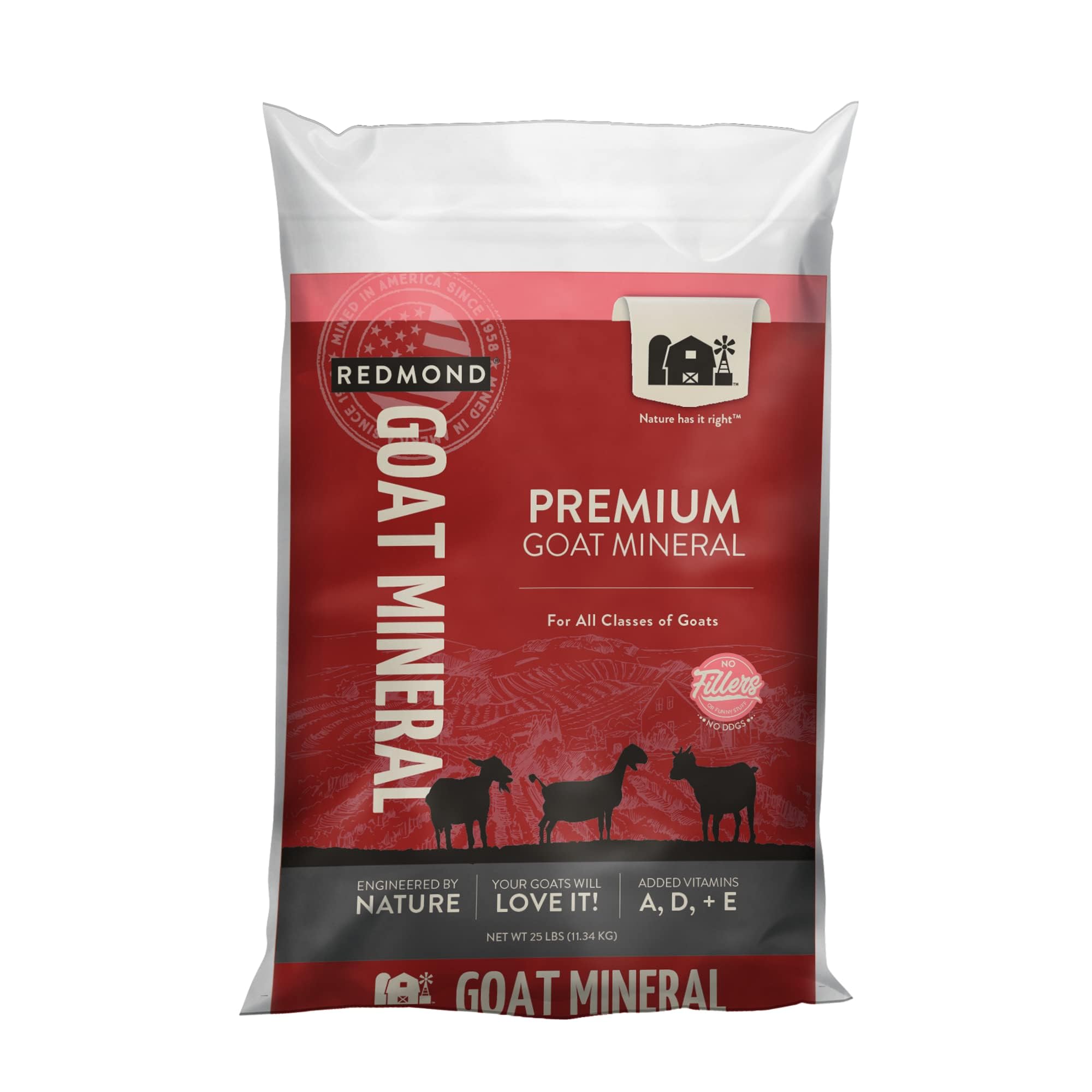
This loose mineral from Redmond is harvested from an ancient Utah seabed deposit, delivering 63 naturally occurring trace minerals in a balanced profile that goats absorb readily. The 25-pound bag supports a medium-sized herd for several months when offered free-choice, and the granular texture encourages consistent consumption compared to pressed blocks.
Buyer reports consistently note shinier coats, better weight maintenance, and improved overall vigor after switching to this formula. One reviewer with 12 Nigerian Dwarf goats confirmed the herd returns to the feeder daily, even during hot weather when appetite normally dips. The price per pound is competitive with premium mineral brands, but the value comes from the mineral diversity rather than sheer quantity.
A common caveat from experienced keepers: this product does not contain added selenium, which is critical in regions with selenium-deficient soils. If your hay or pasture tests low in selenium, you will need to supplement separately or rotate to a selenium-fortified mineral. Additionally, the lack of ammonium chloride means you should monitor wethers and bucks for urinary health.
Why we love it
- Broad spectrum of 63 trace minerals from natural deposit
- Loose form allows accurate free-choice dosing
- Consistent palatability across different goat breeds
Good to know
- No selenium added—check your local soil conditions
- Lacks ammonium chloride for urinary calculi prevention
- Heavier bag may be difficult to store in damp environments
2. UltraCruz Goat Copper Bolus (100 Count)
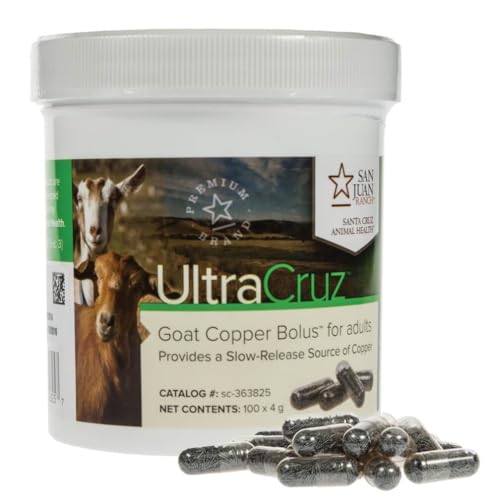
Copper deficiency is one of the most common yet overlooked issues in goats, presenting as faded coat color, poor growth, and reduced fertility. This bolus delivers 4 grams of copper oxide in a time-release capsule designed to stay in the rumen and slowly dissolve over weeks, providing sustained copper availability.
The 100-count bottle covers a herd of 50 goats for two treatments per year—a very economical approach compared to copper injections or daily supplements. Users report excellent results administering the bolus inside a fig newton or mashed banana, which eliminates the need for a specialized balling gun. One reviewer emphasized that copper becomes bioavailable only when goats have adequate sulfur and molybdenum in their diet, so bolusing alone may not resolve all deficiency symptoms.
Because copper oxide passes through the digestive system slower than copper sulfate, this bolus is safer for animals prone to sudden copper toxicity. However, it should not replace a complete mineral program—it is a targeted intervention for known copper-deficit situations, confirmed by liver biopsy or blood serum testing.
Why we love it
- Two doses per year cover long-term copper needs
- Easy to administer without a balling gun
- High count (100 boluses) suits large herds
Good to know
- Not a replacement for daily loose mineral
- Copper oxide is less bioavailable than sulfate forms
- Requires correct rumen pH for proper dissolution
3. Goats Prefer Probiotic Power (1 lb)
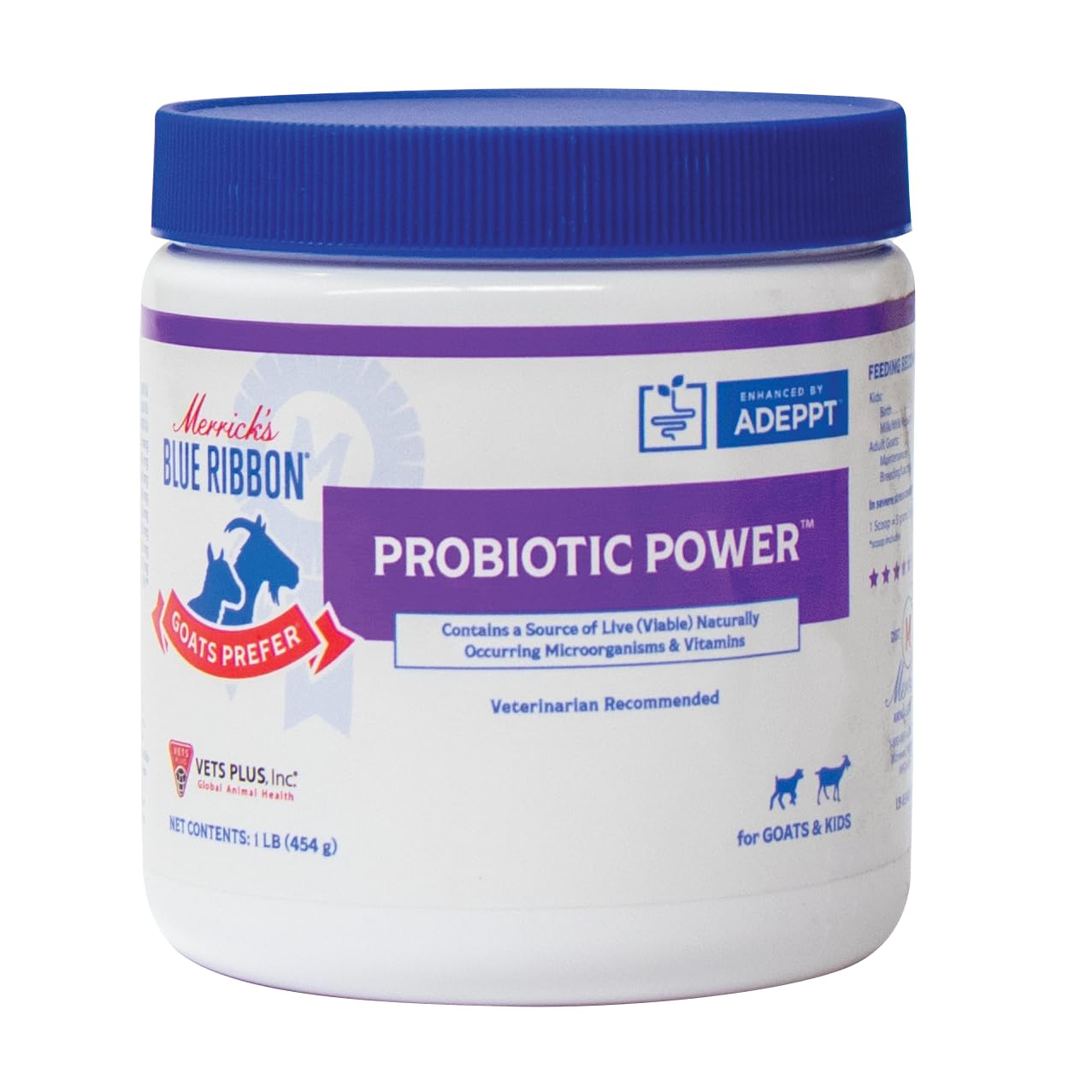
While not a standalone mineral source, this probiotic powder is a valuable companion to any goat mineral program, especially during transitions, weaning, or post-antibiotic recovery. The formula pairs Lactobacillus acidophilus with inulin (a prebiotic fiber) and supplemental vitamins to re-establish beneficial gut flora that directly impacts nutrient absorption—including mineral uptake.
Seasoned goat owners keep this on hand for emergencies like scours or loss of appetite. The powdered form mixes easily into wet grain, milk replacer for kids, or even drinking water at a recommended dose of 2.5–5 grams per head per day. Several long-term users report using it for years as a weekly gut health booster, noting improvements in coat shine and fecal consistency.
The 1-pound jar treats roughly 90 adult goat-days at the standard dose, making it a budget-friendly option for acute care. It does not contain the full mineral spectrum needed for daily maintenance—think of it as a gut-health stabilizer that helps your goats extract more value from their existing mineral and feed program.
Why we love it
- Supports mineral absorption through improved gut flora
- Versatile dosing in feed, water, or milk replacer
- Ideal for stress events like shipping or weather shifts
Good to know
- Not a complete mineral replacement
- Small jar size for multi-goat herds
- Must be stored in cool, dry conditions to maintain potency
4. Redmond All Natural Sheep Mineral (5 lb)
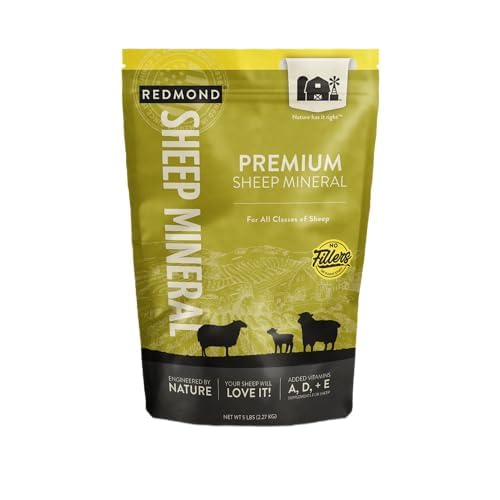
This Redmond formulation is technically labeled for sheep, but many goat owners use it successfully when grazing mixed-species pastures. The key difference: copper levels are held at a concentration safe for sheep, which means goats may not receive their optimal copper intake from this product alone. However, the full-spectrum sea mineral base with added vitamins A, D, and E provides a solid foundation for overall health.
Buyers with small herds appreciate the 5-pound size for trial purposes or for supplementing a mineral program that already includes a separate copper source. The clean ingredient list—no fillers, grain byproducts, or artificial sweeteners—appeals to homesteaders who prefer a minimalist approach. One reviewer noted that their sheep maintained excellent body condition on just grass, hay, and this mineral alone.
If your goats have access to a separate copper source (such as a free-choice copper bolus or a copper-fortified feed), this sheep mineral can serve as a complete mineral backbone. Without additional copper, purebred goats on this product may develop deficiency signs over time, particularly those with high production demands like lactating does.
Why we love it
- Clean, no-filler composition with added vitamins
- Suitable for mixed-species herds sharing mineral feeders
- Small bag ideal for testing palatability
Good to know
- Copper level formulated for sheep, not goat-optimal
- Requires additional copper source for goats
- 5 lb size may be inconvenient for large herds
5. Organo Himalaya Salt Lick On Rope (2-Pack)
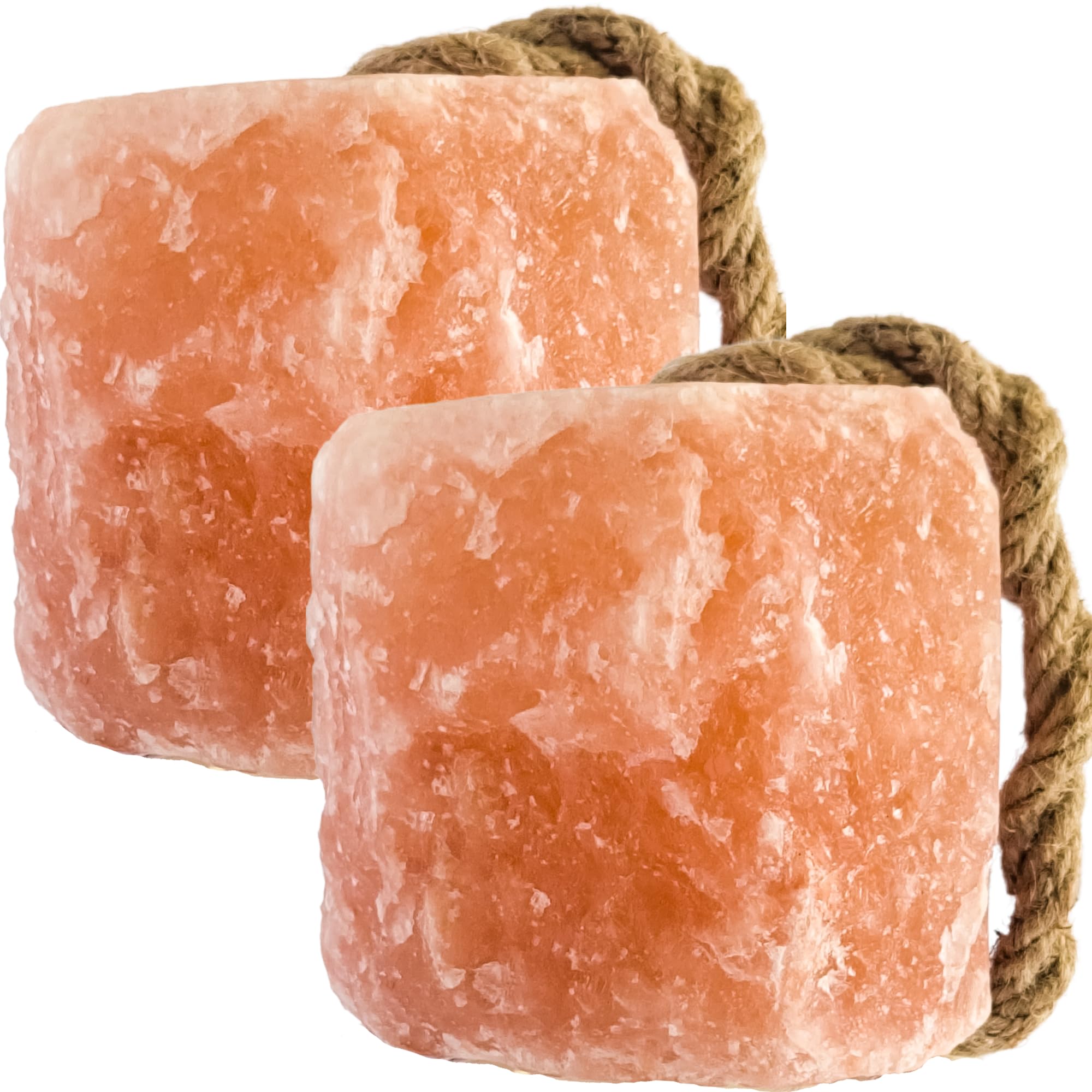
These natural Himalayan salt licks weigh 7.5–8 pounds each and come pre-strung with a rope for hanging in stalls or on pasture fences. The dense, rock-hard structure prevents goats from biting off chunks, which eliminates the choking risk associated with pressed salt blocks and encourages steady, self-regulated consumption over weeks or months.
The licks contain 84 trace minerals including calcium, magnesium, and zinc, but the concentrations are far lower than what a loose goat mineral provides. Goats will use these primarily for sodium and electrolyte balance rather than for meeting their full trace mineral requirements. Buyers using this as a primary mineral source may notice slower improvement in coat condition compared to a complete loose mineral program.
Herd owners with access to good forage and a separate loose mineral feeder often use these licks as an additional hydration supplement during hot weather or as a boredom breaker for stalled animals. The included rope is notably short (a frequent buyer complaint), so you should plan to attach your own longer rope or chain for hanging at an appropriate height.
Why we love it
- Dense natural salt prevents overconsumption and choking
- Two large blocks serve a herd for extended periods
- Hanging design keeps licks clean off the ground
Good to know
- Not a complete mineral source for goats
- Rope is too short for most hanging setups
- Weather-resistant but may degrade in persistent rain
FAQ
Can I give my goats a sheep mineral instead of a goat mineral?
How do I know if my goats are copper deficient?
What is ammonium chloride and why does it matter for goats?
How often should I offer a salt lick versus loose mineral?
Can I mix goat mineral powder directly into their daily feed?
Final Thoughts: The Verdict
For most goat owners, the best goat mineral winner is the Redmond Goat Mineral Supplement (25 lb) because its 63 naturally occurring trace minerals in a loose granule form give goats the diversity they need for optimal coat, growth, and reproductive health. If you need a targeted copper intervention for a known deficiency, grab the UltraCruz Copper Bolus for twice-yearly dosing. And for a budget-friendly gut health stabilizer that enhances mineral absorption during stress events, nothing beats the Goats Prefer Probiotic Power.