
A horse’s stall floor takes a relentless beating — constant moisture, heavy hooves, and hours of standing. Without the right mat, you are one broken concrete surface or a case of thrush away from a costly repair. The selection here is not about picking any rubber slab; it is about matching density, thickness, and drainage to your specific stable conditions, whether you manage a single stall or a full barn.
I’m Mo Mahin — the founder and writer behind Furric. I spend my time comparing rubber formulations, analyzing tensile strength data, studying EPDM content in recycled materials, and cross-referencing thousands of owner reports on joint fatigue, ammonia buildup, and mat migration to separate legitimate stall flooring from gym flooring that just happens to be black.
This guide walks you through the critical spec decisions that keep your horses comfortable and your barn floor intact, with my top picks for the best horse stall mats available right now, ranked for real-world durability and maintenance.
How To Choose The Best Horse Stall Mats
Picking the wrong mat means replacing it within a year — or dealing with joint issues in your horse. The decision comes down to four high-stakes specs that determine whether the mat protects your animal or just your concrete.
Thickness: 3/4 Inch Is Not Negotiable
Anything thinner than 3/4 inch compresses under a 1,200-pound horse standing still, transferring hard shock directly to the legs. Gaps form where the mat meets concrete, trapping urine and ammonia. Every product in the premium tier here hits exactly 0.75 inches because stall mats thinner than that belong in a garage gym, not a stable.
Rubber Density vs. Foam Core
EVA foam interlocking tiles are soft underfoot for humans but are shredded by hoof traction and digested by moisture. Real stall mats use compression-molded recycled rubber (often from truck tires) with EPDM content that resists cracking and ozone damage. The weight difference is obvious: a true 4×6 rubber mat weighs around 100 pounds, while a foam tile of the same size weighs under 30.
Surface Pattern and Drainage
Smooth surface mats are easier to muck out but can be slippery when wet. Diamond-pattern or ribbed surfaces provide traction but trap debris in the grooves. The more important feature is the bottom of the mat — a ribbed or waffle underside allows air circulation and moisture evaporation, preventing the sour smell and mold that rots the mat from underneath.
Quick Comparison
On smaller screens, swipe sideways to see the full table.
| Model | Category | Best For | Key Spec | Amazon |
|---|---|---|---|---|
| DWC Standard 3/4″ Mat | 3/4″ Premium Rubber | Stalls & Heavy CrossFit | 115 lbs per mat, Grade-A recycled rubber | Amazon |
| American Floor Mats Stable Mat | 3/4″ Premium Rubber | Professional Stables | US-sourced rubber, no substitutes | Amazon |
| MSI 20-Pack Stall Mats | 3/4″ Bulk Rubber | Barn Multi-Stall Setup | Ribbed bottom vents, 42×72″ per mat | Amazon |
| Rubber-Cal Elephant Bark | 1/4″ Recycling Rubber | Trailer Flooring | 0.25″ thin, wear-resistant recycled | Amazon |
| Rubber-Cal Recycled Floor Mat | 3/8″ Recycling Rubber | Light Trailer/Barn Aisle | 0.38″ recycled, 100% EPDM content | Amazon |
| GymCope Extra Large Mat | 8mm PVC Foam | Barn Aisle Cover | 8mm thick, shoe-friendly PVC | Amazon |
| Yes4All Puzzle Mat | EVA Foam Tile | Tack Room Floor | 3/4″ EVA foam, interlocking | Amazon |
In‑Depth Reviews
1. DWC Standard 4′ x 6′ x 3/4″ Mat
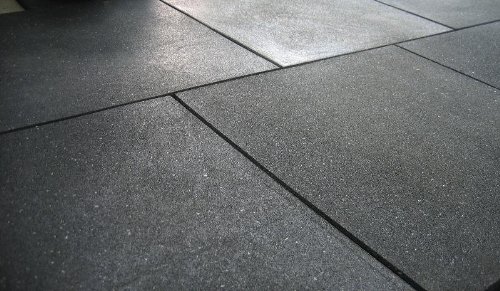
This mat from DWC is the industry standard for a reason — it is compression-molded from Grade-A recycled truck tires and weighs 115 pounds, which means it stays flat on concrete without adhesive. The 3/4-inch thickness absorbs dropped barbells and heavy hooves equally well, and the smooth surface makes mucking out straightforward without catching manure in grooves.
Owners consistently report that it does not crumble or delaminate under CrossFit-style drops up to 300 pounds, and the non-slip texture keeps stall bedding in place. The initial rubber odor is present but fades within a week in a ventilated barn. Shipping costs can be significant due to the weight — factor that into your total outlay.
For a single-stall or garage-gym dual use, this mat hits the density and thickness that defines genuine stall flooring. The smooth surface avoids the shedding issue some textured mats exhibit when scraped with a pitchfork.
Why we love it
- True 3/4-inch solid rubber that handles stall conditions
- No adhesive or tape needed — heavy enough to stay put
- Non-slip on both concrete and stall mats above
Good to know
- Shipping can cost as much as the mat itself
- Too thick for jump rope or close-quarters exercise
2. American Floor Mats Heavy Duty Stable Mat

American Floor Mats builds stall mats using US-sourced raw materials with no rubber substitutes, which makes a difference in the compound’s resistance to ammonia and UV exposure over years of barn use. At 3/4-inch thick and 4×6 feet, it matches the industry-standard dimensions but uses a denser compound that owners describe as “heavier than expected” for its size.
The solid pattern wipes clean of urine and manure with a hose, and the material does not absorb moisture — a critical factor for preventing thrush-causing bacteria from colonizing the mat surface. Several owners use this mat as a base for heavy equipment in horse trailers, confirming its structural tolerance for dynamic loads.
Delivery time can be slower than Prime-standard due to freight logistics, but the communication from the manufacturer is consistently rated well. This is a stall mat first and a gym mat second, unlike many products sold with dual labels.
Why we love it
- Denser rubber compound than most recycled mats in its tier
- Easy to hose clean — liquids bead on the surface
- No rubber substitutes or filler materials
Good to know
- Requires moisture sealing under concrete to prevent mold
- Vacuuming can cause temporary shedding on cut edges
3. MSI Heavy Duty Stall Mats (20 Pack)

For a whole barn, this 20-pack from MSI supplies 42×72-inch mats at 3/4-inch thickness with a ribbed bottom surface that promotes air circulation underneath. This venting feature is the key to preventing moisture entrapment between the mat and concrete — the root cause of the sour, ammonia-rich odor that ruins stall environments over time.
Each mat weighs approximately 70 pounds, making them more manageable than the 115-pound 4×6 slabs while still providing sufficient density for horse loads. The rubber is chemical-resistant and can withstand bleach-based cleaning without degrading. Owners report that the “new tire” smell dissipates within two weeks in ventilated stalls.
The 42-inch width is slightly narrower than the standard 48-inch stall mat, which allows for easier trimming in tighter trailer or stall configurations without sacrificing coverage. The solid black color hides scuff marks from hooves and equipment.
Why we love it
- Ribbed bottom ventilation prevents mold and ammonia buildup
- Manageable weight for a 3/4-inch rubber mat
- Chemical-resistant surface for industrial cleaning
Good to know
- Still heavy enough to require two people for installation
- Initial rubber smell takes up to two weeks to fade
4. Rubber-Cal Elephant Bark Flooring Mat

The Rubber-Cal Elephant Bark mat is not a stall mat — it is a 1/4-inch recycled rubber roll designed for horse trailer floors, garage decking, or kennel surfaces where weight reduction matters. At 30 pounds for a 4×10-foot roll, it installs with double-sided carpet tape and can be trimmed with a utility blade for a custom fit in tight trailer spaces.
The material is extremely abrasion-resistant, which matters when horses shift weight during transport or when kennel dogs scratch at the surface. Owners report minimal rubber odor compared to thicker mats, and the smell fades completely within a week. The black mat has no flecks or color variations, making it visually clean in a trailer environment.
This is not a product for standing stalls — the 1/4-inch thickness compresses fully under a horse’s weight. It serves as a protective layer for existing trailer flooring, preventing urine from seeping into wooden subfloors while being light enough to remove for cleaning.
Why we love it
- Ultra-light for trailer and transport applications
- Low rubber odor out of the box
- Trims easily with a utility blade
Good to know
- Too thin for standing stalls — use as trailer liner only
- Requires tape or adhesive to stay in place
5. Rubber-Cal Recycled Floor Mat (3/8″)

This Rubber-Cal mat sits between the thin trailer liner and the full 3/4-inch stall mat at 3/8-inch thickness. It is manufactured from 100% recycled EPDM rubber — the same compound used in commercial roofing — which gives it superior resistance to ozone, UV, and temperature swings compared to standard tire-derived rubber.
At 48 square feet per roll, it works best as a protective layer for barn aisles, laundry rooms attached to stables, or as a vibration-dampening pad under treadmills in a home gym. Owners have cut it with a circular saw for clean edges and report that it stays in place without adhesive on most concrete surfaces.
The recycled material has the classic speckled black look of tire rubber. The density is sufficient to prevent curling at the edges, but it will not support the concentrated weight of a horse’s hoof for extended periods without eventual compression. This is strictly a mid-range floor protector, not a full stall solution.
Why we love it
- High EPDM content resists cracking from UV and moisture
- Dense enough to lay flat without tape
- Easy to cut with a circular saw for custom lengths
Good to know
- Too thin for full stall use under horse weight
- Some rolls may have uneven length cutting from the factory
6. GymCope Extra Large Exercise Mat (8mm)
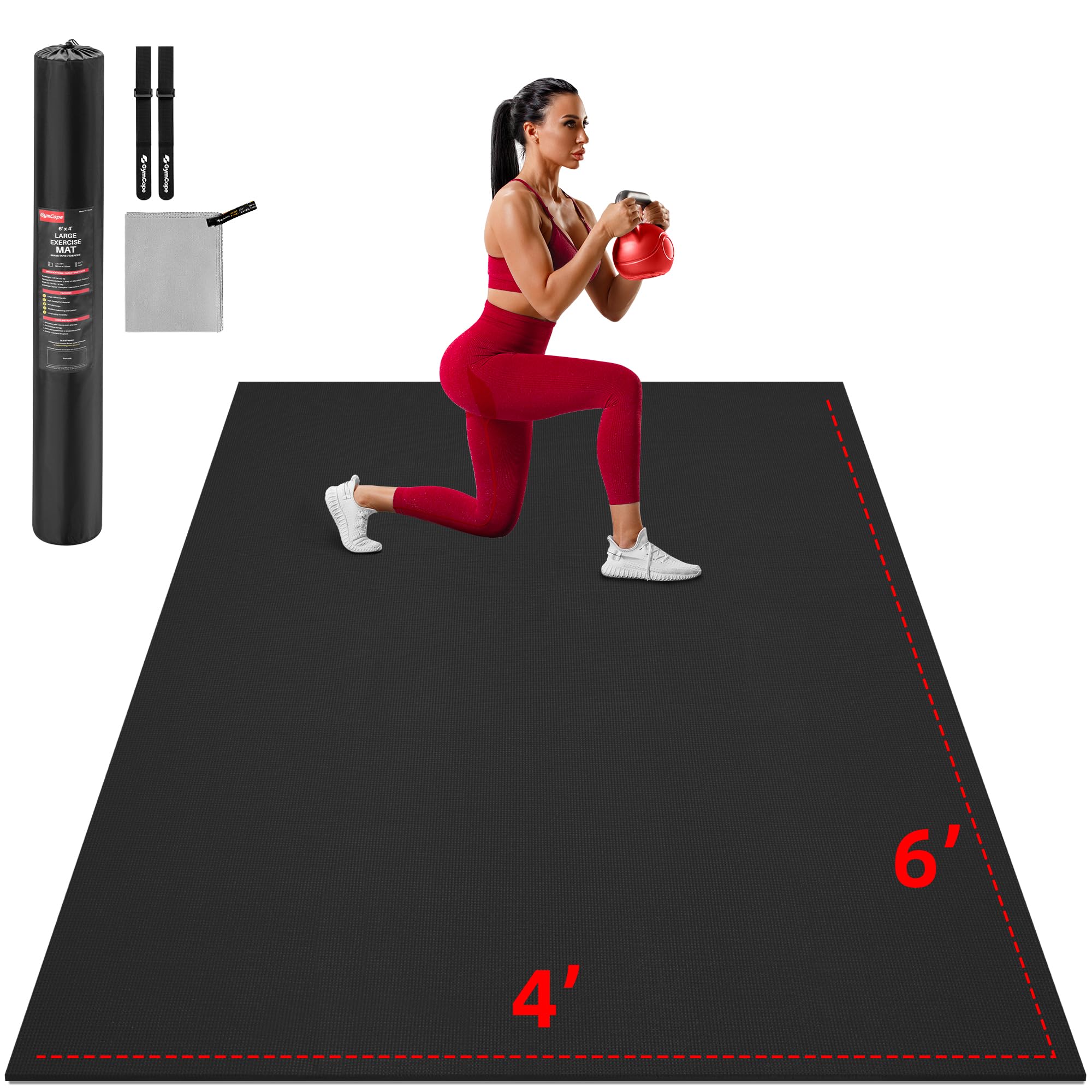
GymCope’s 8mm mat is a high-density PVC foam product designed for human workouts — not horses. However, it finds a practical place in the barn as a comfortable walking surface for tack rooms, grooming stalls, or aisleway floors where you stand for hours. The triple-layer construction includes a wear-resistant top, foam cushion core, and non-slip bottom.
Multiple size options ranging from 6×4 feet to 10×6 feet allow coverage of large barn areas in one seamless piece. The mat has very low odor on arrival — a common complaint with rubber is largely absent here — and it lays flat immediately without rolling at the edges. Cleaning is straightforward with a damp cloth or Swiffer.
This will not survive the abuse of a horse stall. The PVC foam compresses permanently under hoof pressure, and the surface can tear if a horse paws at it. It serves a specific niche as a human-comfort surface in the barn, not a protective floor for livestock.
Why we love it
- Near-zero odor out of the package
- Non-slip bottom stays planted on concrete
- Large sizes cover entire barn aisles
Good to know
- Not durable under horse hooves — human use only
- Softer than rubber; can mark from heavy equipment
7. Yes4All Puzzle Exercise Mat (EVA Foam)

The Yes4All interlocking foam tiles offer a different value proposition: lightweight EVA foam that you can reconfigure and remove at will. At 3/4-inch thickness, it provides cushion for human feet, but the material composition is entirely wrong for equine use. Foam absorbs moisture, compresses permanently under hooves, and the interlocking seams separate when horses pivot.
Where this mat shines is in a tack room, feed room, or home gym adjacent to the barn. The double-sided design allows flipping for even wear, borders give a finished edge, and the textured top surface provides grip even when wet. Owners report that these tiles insulate against cold concrete and are easy to clean with a damp cloth.
Each tile is 24×24 inches, and a full 30-tile pack covers 120 square feet. Assembly takes time but requires no tools, and the tiles can be cut with a guillotine paper cutter for odd dimensions. This is a human-comfort floor, not an equine safety product.
Why we love it
- Lightweight and portable for tack room reconfiguration
- Insulates from cold ground in indoor spaces
- Double-sided design extends surface life
Good to know
- EVA foam cannot withstand horse hooves or moisture
- Interlocking seams separate under heavy dynamic loads
FAQ
Can I use a 1/2-inch gym mat for a horse stall?
How long should a rubber stall mat last before replacement?
Should I glue horse stall mats to the concrete floor?
Final Thoughts: The Verdict
For most barn owners, the best horse stall mats winner is the DWC Standard 3/4-inch Mat because it combines the correct thickness with the weight necessary to stay flat without adhesive. If you are equipping multiple stalls and want the moisture-venting ribbed bottom, grab the MSI 20-Pack Stall Mats. And for a premium US-made mat with higher density and no filler compounds, nothing beats the American Floor Mats Stable Mat.