
Feeding a Husky isn’t about filling a bowl—it’s about delivering dense, cold-climate nutrition that supports a 70-pound endurance sled dog without encouraging the breed’s notorious metabolic efficiency to pack on fat. The wrong bag leads to loose stools that stain your carpet, a dull shedding coat that leaves tufts on every sofa cushion, and a restless dog that never seems satisfied at mealtime.
I’m Mo Mahin — the founder and writer behind Furric. Over the past three years, I’ve analyzed over 1,200 pet food labels, cross-referencing ingredient quality, guaranteed analysis ratios, and caloric density against breed-specific energy requirements, while tracking owner-reported palatability and stool quality across thousands of verified purchases.
This guide narrows the shelf to five formulas that respect the Husky’s unique physiology—high-protein, moderate-fat, with digestible carbohydrates that don’t trigger the breed’s common grain sensitivities. After reviewing protein, fat, fiber, and calorie profiles across dozens of contenders, these are the top picks for husky dog food.
How To Choose The Best Husky Dog Food
Huskies evolved on high-protein, moderate-fat diets from fish, seal, and caribou in Arctic conditions. Modern kibble must approximate that macronutrient split while avoiding fillers that spike a Husky’s sensitive insulin response. Three specs matter most.
Protein Source and Percentage
Look for a named meat as the first ingredient—chicken, salmon, bison, lamb—with a guaranteed minimum of 28% crude protein. Huskies metabolize animal protein efficiently, but plant proteins (corn gluten, pea protein) can pass undigested, causing gas and loose stools. The amino acid profile matters more than the total number: real meat provides taurine and carnitine for cardiac and muscle function.
Fat Content and Omega Balance
A Husky needs 14-20% crude fat for coat gloss and sustained energy, especially during colder months. Omega-3 fatty acids (EPA and DHA) from fish oil or flaxseed reduce shedding and support joint health in this breed prone to hip dysplasia. Excess fat above 22% can trigger pancreatitis in less active Huskies—match the fat level to your dog’s daily exercise load.
Fiber and Stool Quality
Huskies have sensitive guts. Moderate fiber (3-5%) from sources like sweet potato or pumpkin firms stool without causing bloat. Avoid formulas heavy on beet pulp or cellulose, which can produce the runny excrement that’s the #1 complaint among Husky owners. Probiotic strains—specifically Enterococcus faecium and Bacillus coagulans—help maintain gut flora during diet transitions or stressful periods.
Quick Comparison
On smaller screens, swipe sideways to see the full table.
| Model | Category | Best For | Key Spec | Amazon |
|---|---|---|---|---|
| Purina Pro Plan 30/20 | Premium | High-energy working Huskies | 30% protein / 20% fat | Amazon |
| Fromm Large Breed Gold | Premium | Large-breed Husky joint health | Probiotics + salmon oil | Amazon |
| Taste of the Wild High Prairie | Mid-Range | Sensitive stomachs, grain-free | 32% protein, bison & venison | Amazon |
| Blue Buffalo Wilderness Salmon | Mid-Range | Salmon protein for skin & coat | LifeSource Bits antioxidants | Amazon |
| Nutrish Salmon & Brown Rice | Budget-Friendly | Large bag value, all life stages | 26 lb bag, omega fatty acids | Amazon |
In‑Depth Reviews
1. Purina Pro Plan Sport Performance 30/20 Chicken and Rice Formula

The Purina Pro Plan 30/20 delivers a concentrated nutrition profile optimized for oxygen metabolism (VO2 max), making it the ideal calorie-dense choice for working Huskies and active sled dogs. Real chicken is the first ingredient, providing the amino acids needed for muscle repair after long runs. The 30/20 protein-to-fat split fuels metabolic needs without the high-fiber fillers that trigger digestive upset in this breed.
Owner reports consistently note firmer stools and reduced volume compared to grocery-store brands—a direct result of the high digestibility and low ash content. The kibble size is appropriate for the Husky’s medium jaw, encouraging proper chewing without gulping. This formula also supports lean muscle maintenance during winter months when energy demands spike.
For less active Huskies, the 20% fat content can cause rapid weight gain if portions aren’t carefully monitored. Some owners mention the bag lacks a resealable zipper, requiring a clip or transfer to an airtight container. However, for the Husky that pulls, runs, or works, this food is engineered precisely for that lifestyle.
Why we love it
- Optimizes oxygen metabolism for endurance
- Real chicken first ingredient with high digestibility
- Firm stool consistency reported by most buyers
Good to know
- High fat level requires portion control for sedentary dogs
- Bag lacks resealable closure
2. Fromm Large Breed Adult Gold Premium Dry Dog Food

Fromm’s Large Breed Gold uses a blend of chicken, duck, and lamb proteins, providing amino acid variety that mirrors the diverse prey diet Huskies evolved on. The inclusion of whole grains like brown rice and barley delivers complex carbohydrates that stabilize blood sugar better than potato or tapioca starches. Probiotics and salmon oil support digestion and coat health—two chronic pain points for Husky owners.
This formula is specifically formulated for breeds exceeding 50 pounds, making the calcium-to-phosphorus ratio appropriate for joint health in a breed prone to hip dysplasia. Owners of German Shepherds and Husky mixes report that the slow-release energy from the whole grains prevents the mid-day energy crash seen with grain-free, high-starch foods. The kibble has a moderate crunch that helps scrape plaque without being too hard for senior dogs.
The 30-pound bag is heavy, and some customers find the chicken flavor less palatable to picky eaters compared to fish-based recipes. The price point is higher per pound than mid-range competitors, but the ingredient sourcing and family-owned manufacturing justify the cost for owners prioritizing digestive stability and coat quality.
Why we love it
- Triple-protein blend mirrors ancestral diet
- Probiotics and salmon oil for gut and coat
- Whole grains provide steady energy release
Good to know
- Higher cost per pound than similar large-bag options
- Chicken base may not appeal to all picky eaters
3. Taste of the Wild High Prairie Canine Grain-Free Recipe
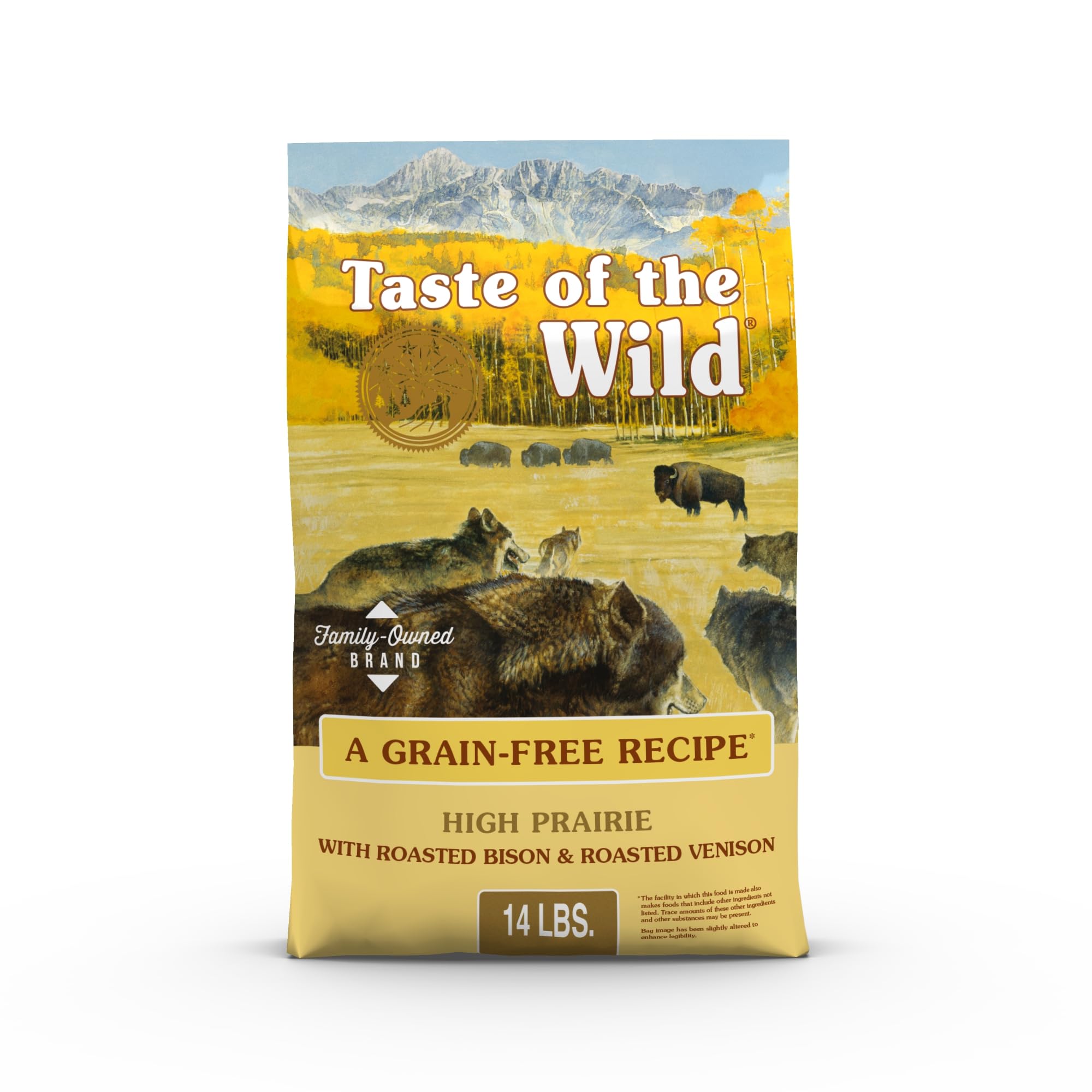
Taste of the Wild High Prairie uses roasted bison and venison as primary proteins—novel meats that reduce the likelihood of food sensitivities common with chicken or beef. At 32% crude protein, it surpasses the typical Husky minimum, supporting lean muscle mass without relying on plant protein concentrates. The grain-free formulation uses sweet potato and peas for carbohydrates, which are gluten-free and generally well-tolerated.
Owner reviews highlight significant improvements in stool firmness, particularly for Huskies with Boston Terrier mixes or those prone to pancreatitis. The proprietary K9 Strain probiotics survive stomach acid to colonize the lower gut, which is critical for Huskies that experience stress-related diarrhea during travel or boarding. The kibble size is small—ideal for picky chewers but may be too small for fast eaters.
Some owners report that the high protein level caused itching or skin reactions in their individual dogs after prolonged use. The third ingredient is sweet potato, which after cooking provides a moderate glycemic load—something to monitor in less active Huskies prone to weight gain. Rotating with a fish-based formula every few months can prevent potential nutrient imbalances from a single novel protein.
Why we love it
- Novel bison and venison proteins reduce allergy risk
- K9 Strain probiotics survive digestion
- High protein supports lean muscle
Good to know
- Some dogs develop itching over long-term use
- Small kibble may encourage gulping
4. Blue Buffalo Wilderness Natural High-Protein Salmon Recipe
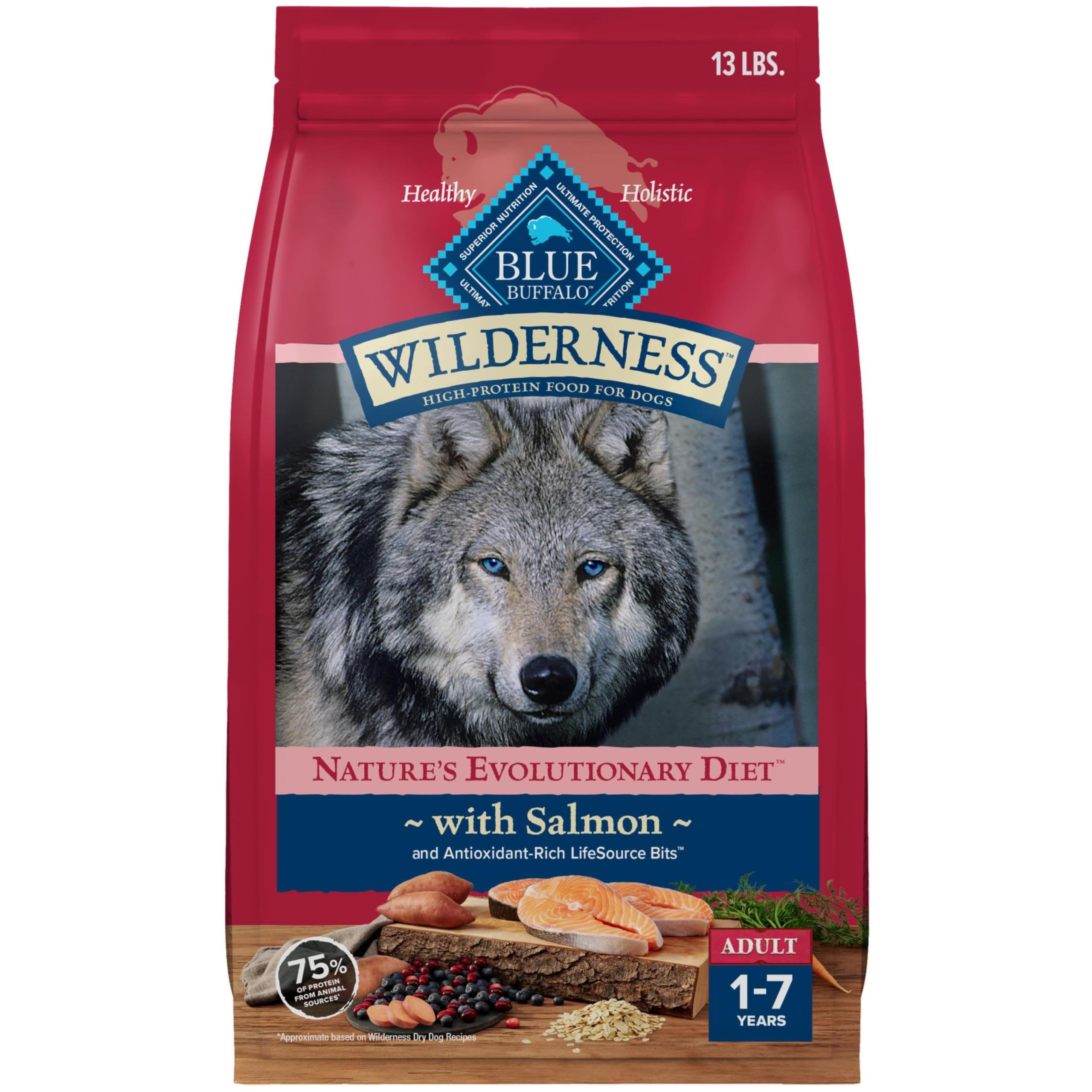
Blue Buffalo Wilderness Salmon puts real salmon first, delivering omega-3 fatty acids that directly combat the excessive shedding and dry skin common in double-coated Northern breeds. The LifeSource Bits are cold-formed to preserve antioxidant activity from blueberries, cranberries, and turmeric—supporting immune function without relying on synthetic vitamin blends. This formula is grain-inclusive with brown rice and oatmeal, providing soluble fiber that firms stool without the bloat risk of high-fiber fillers.
The salmon base is particularly effective for Huskies with poultry allergies, offering a complete amino acid profile without chicken or beef. The kibble pieces are triangular and medium-sized, encouraging chewing without being too large for the Husky’s mouth. Owners switching from chicken-based foods often report a shinier coat within 3-4 weeks and reduced scratching.
The 13-pound bag size is smaller than most economy options, requiring more frequent repurchases for multi-dog households. Some customers note that the LifeSource Bits can be picked out by finicky eaters, leaving a pile of antioxidants behind. The protein content (around 34%) is on the higher side—best matched to active Huskies rather than couch potatoes.
Why we love it
- Salmon first ingredient boosts coat shine
- Cold-formed LifeSource Bits preserve nutrients
- Grain-inclusive for gentle digestion
Good to know
- Small 13-lb bag size requires frequent reordering
- Some dogs selectively eat around LifeSource Bits
5. Rachael Ray Nutrish Salmon Dry Dog Food
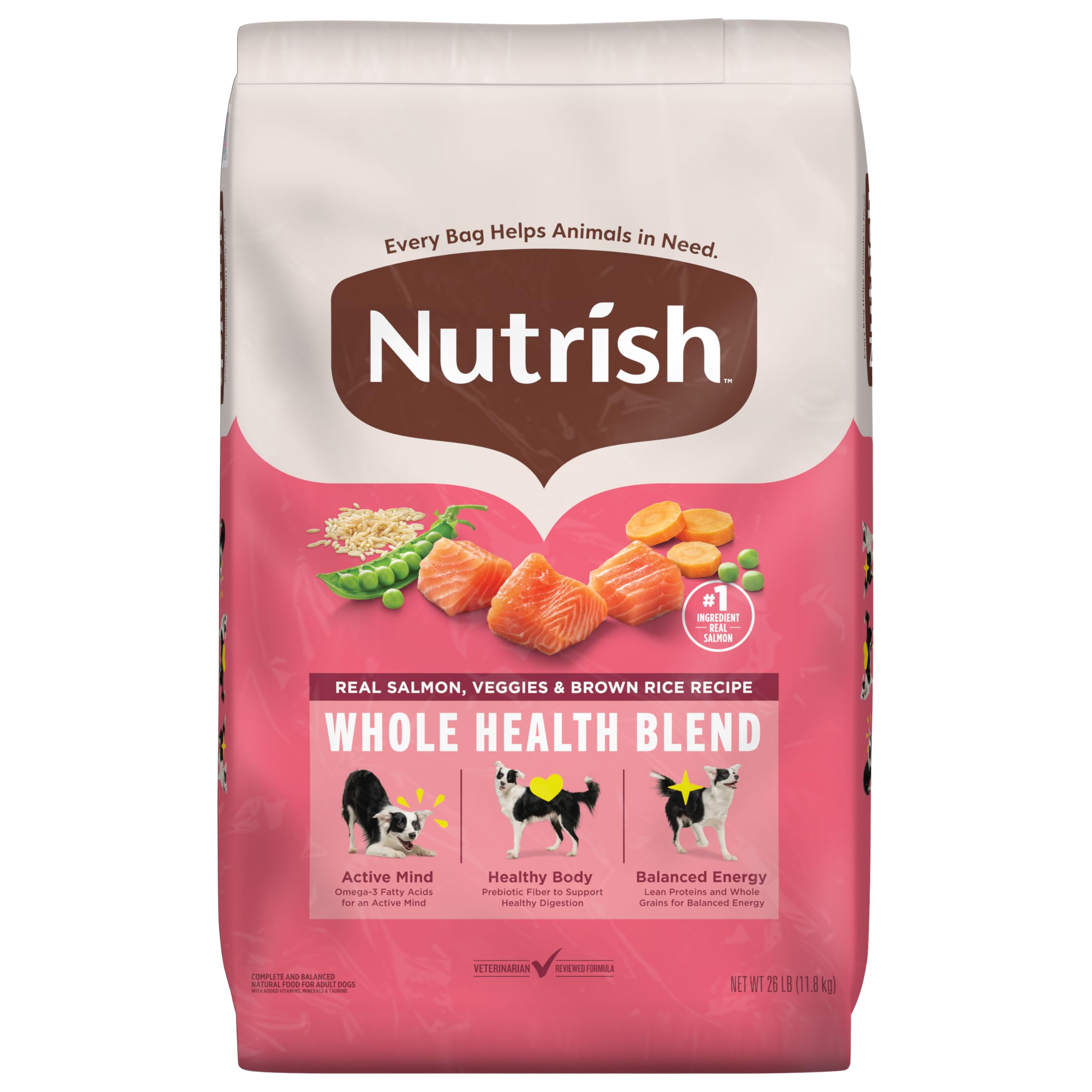
The Nutrish Salmon formula packs a 26-pound bag at a price point that undercuts most premium brands while still delivering real salmon as the first ingredient. The addition of brown rice, veggies, and omega-3 and omega-6 fatty acids provides the coat and skin support that Husky owners need without the premium markup. Each purchase supports animal rescue through The Rachael Ray Foundation, adding ethical appeal for socially conscious buyers.
This is a solid all-life-stages formula, making it a workable option for multi-dog households with varying ages. The kibble size is moderate and the salmon smell is mild compared to fish-heavy competitors—an advantage for owners who dislike strong fish odors. Customer reviews consistently mention improved coat texture and reduced itching after switching from generic grain-based brands.
The protein content (around 26%) is lower than the other options on this list, meaning highly active working Huskies may require larger portion sizes or additional protein supplementation. Some Huskies with grain sensitivities may react to the brown rice content, though most tolerate it well. The bag also lacks a resealable closure, but the low price mitigates that inconvenience for budget-focused owners.
Why we love it
- Exceptional value per pound in a 26-lb bag
- Real salmon supports coat and skin health
- Purchase supports animal rescue
Good to know
- Lower protein level requires portion adjustment for active dogs
- Grain content may trigger sensitivities in some Huskies
FAQ
How much protein does a Husky need daily?
Why does my Husky have loose stools on grain-free food?
Should I rotate my Husky’s protein source every few months?
What fat percentage is safe for a sedentary Husky?
Final Thoughts: The Verdict
For most active Huskies, the husky dog food winner is the Purina Pro Plan 30/20 because its concentrated 30/20 protein-to-fat ratio matches the breed’s natural metabolic demands for endurance and muscle maintenance. If you want a premium blend with probiotics specifically formulated for large-breed joint and gut health, grab the Fromm Large Breed Gold. And for a value-packed, large-bag option that still provides real salmon as the first ingredient, nothing beats the Nutrish Salmon formula.