
Bringing greenery indoors shouldn’t mean risking your cat’s health. Many popular houseplants contain insoluble calcium oxalate crystals or other toxins that cause drooling, vomiting, and kidney issues in felines. The right choices, however, deliver lush, sculptural height without a trip to the emergency vet.
I’m Mo Mahin — the founder and writer behind Furric. I’ve spent years cross-referencing botanical toxicity databases with market research and thousands of verified owner reports to separate genuinely pet-safe indoor trees from those that merely claim to be.
Whether you need a tall floor specimen or a compact tabletop accent, this guide focuses exclusively on options verified non-toxic by the ASPCA. Here are the best indoor trees safe for cats that combine striking form with complete peace of mind for pet parents.
How To Choose The Best Indoor Trees Safe For Cats
The line between a safe houseplant and a dangerous one often comes down to specific chemical compounds found in the leaves, stems, or sap. Felines lack certain liver enzymes to process these toxins, so even a small nibble can trigger adverse reactions. Understanding which botanical families to trust—and which to avoid—is the foundation of pet-safe indoor gardening.
ASPCA Toxicity Database — Your Primary Filter
The ASPCA maintains a searchable database of plants categorized as Toxic, Non-Toxic to Cats, or Non-Toxic to Dogs. Always verify a plant’s scientific name here before purchasing. Many common names are misleading — “Indian Rubber Plant” varies in toxicity depending on which species is sold. A tree labeled “safe” at a nursery may still be toxic if it belongs to the Ficus or Philodendron family, both of which contain irritating sap.
Leaf Texture & Chewing Risk
Cats are drawn to grass-like, dangling, or rustling leaves. Even a non-toxic plant can cause intestinal blockage if large pieces are swallowed, or stomach upset from fibrous material. Ponytail Palms and Money Trees have broad, smooth leaves that are less tempting than the wispy fronds of a Parlor Palm. For persistent chewers, consider placing any tree on a high stand or using citrus-scented deterrents around the pot rim.
Growth Rate & Pot Size
A fast-growing tree like a Pothos or Ficus requires frequent repotting and produces more leaf litter, which inquisitive cats may bat around. Slower growers like the Dwarf Jade or Ponytail Palm maintain their shape longer and drop fewer leaves. The pot diameter also matters — a 6-inch or larger base prevents cats from tipping the tree over during play, reducing soil mess and root exposure.
Quick Comparison
On smaller screens, swipe sideways to see the full table.
| Model | Category | Best For | Key Spec | Amazon |
|---|---|---|---|---|
| Money Tree (6-Inch Pot) | Premium | Tall floor accent with air-purifying benefits | 6″ pot with braided trunk | Amazon |
| Brussel’s Dwarf Jade Bonsai | Premium | Compact sculptural desk piece | 5-8″ tall ceramic bonsai pot | Amazon |
| Ponytail Palm (Large) | Mid-Range | Pet-friendly curly foliage tree | 15″ tall, minimal watering | Amazon |
| Money Tree Set of 2 (4-Inch) | Mid-Range | Matching desk or shelf pairs | 10-12″ tall braided stems | Amazon |
| Golden Pothos (4-Inch) | Mid-Range | Trailing vine for high shelves | 4″ pot, 5-8″ trailing vine | Amazon |
| Plants for Pets 6-Pack Assortment | Budget | Variety sampler for mixed décor | 6 plants, 2″ grower pots | Amazon |
| Braided Benjamina Ficus Tree | Premium | Dramatic floor-height specimen | 3-4 ft. braided trunk | Amazon |
In‑Depth Reviews
1. Live Money Tree Plant in 6 Inch Pot
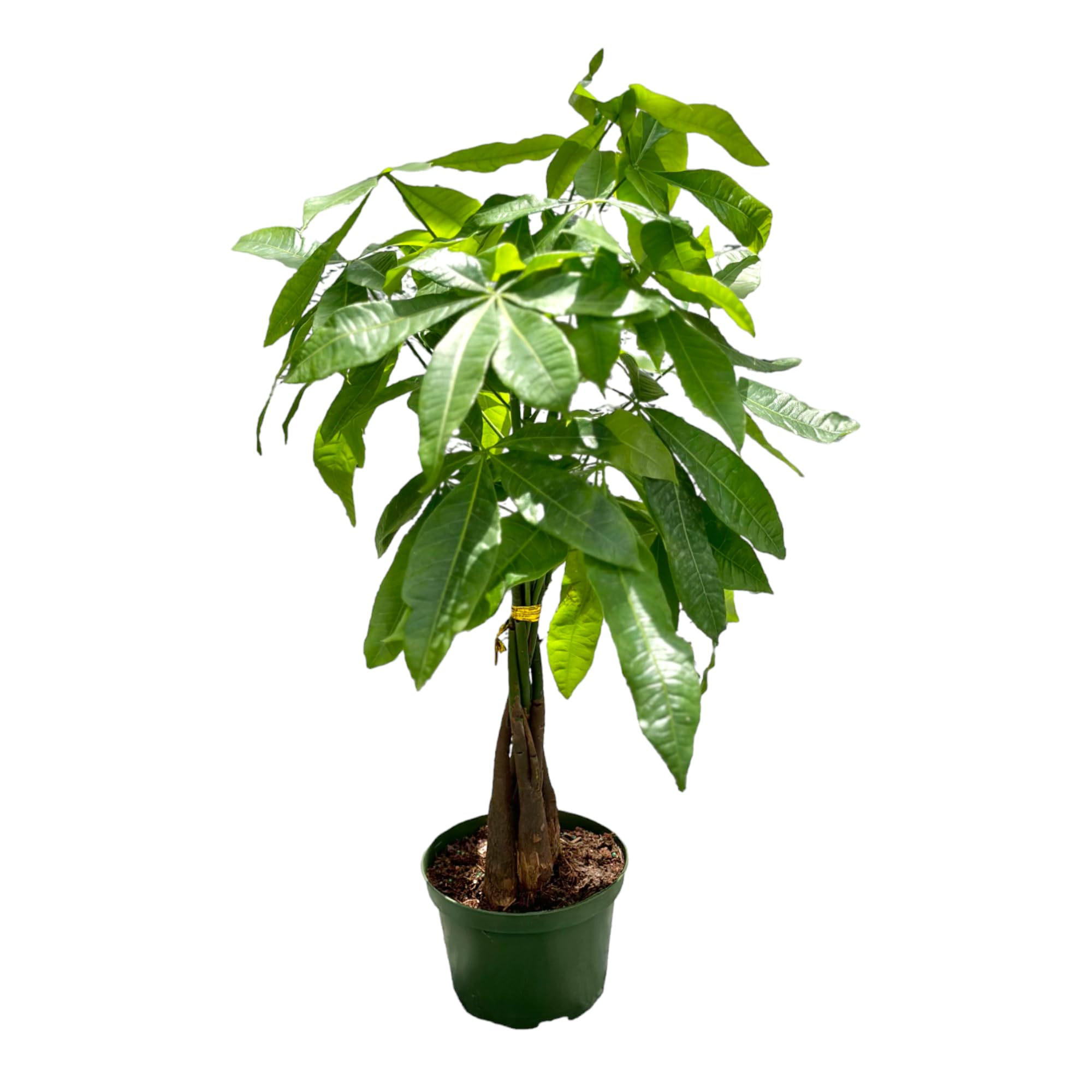
This single Money Tree from NY City Succulents arrives in a 6-inch moss-filled pot with a braided trunk and vibrant green palm-like leaves, standing tall enough to serve as a floor or tabletop statement piece. The included winter heat pack is a thoughtful addition for cold-weather shipping, protecting the root zone during transit.
The plant is widely confirmed as non-toxic to cats by multiple independent toxicity lists, and the broad, waxy leaves are less appealing to nibblers than fern-like foliage. Owners report strong resilience to low light and irregular watering, making this a genuine low-maintenance pick for busy households.
Some buyers noted that the fresh arrival size looked smaller than expected—roughly 10-12 inches in height with the pot—but praised the full, healthy leaf canopy and sturdy braiding. A few isolated reports of leaf drop upon arrival suggest checking the soil moisture immediately and allowing the plant to acclimate out of direct sun for a few days.
Why we love it
- Large single specimen with classic braided trunk
- Heat pack included for safe winter delivery
- Low-maintenance with high air-purifying reputation
Good to know
- Actual plant may be smaller than marketing images suggest
- Some early leaf drop possible during acclimation
2. Brussel’s Bonsai Dwarf Jade Indoor Bonsai Tree
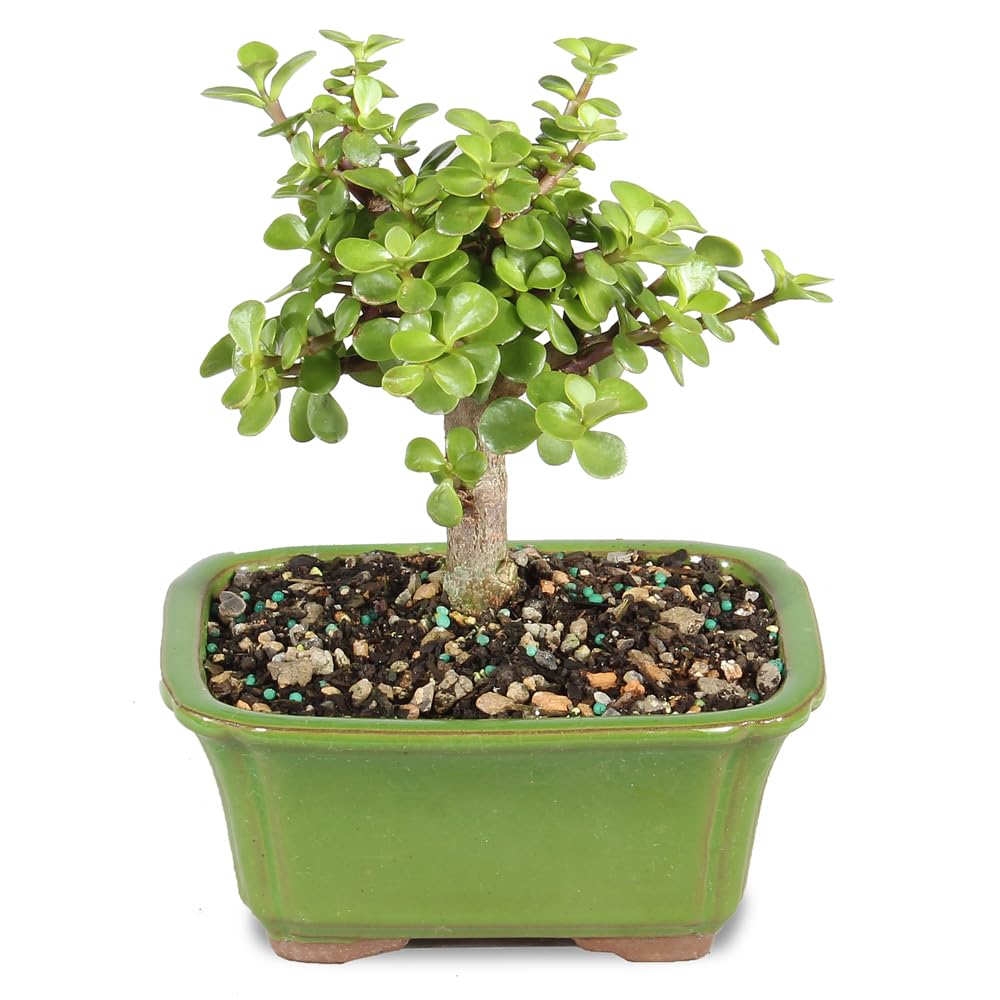
The Dwarf Jade (Portulacaria afra) is one of the few bonsai species that is completely non-toxic to cats, making this Brussel’s specimen a rare safe option for miniature tree enthusiasts. It arrives planted in a classic ceramic bonsai pot with a thick, aged-looking trunk and small glossy green leaves that resemble a full-sized tree in miniature.
Because it is a succulent, the Dwarf Jade requires very minimal watering—only when the soil is fully dry—which reduces the risk of root rot and keeps the plant compact. Its leaf structure is thick and rubbery, which cats tend to ignore compared to softer, grass-like foliage. The bonsai presentation fits naturally on desks, nightstands, or windowsills.
A few reviewers received plants with over-saturated peat soil that caused root stress and leaf drop. If the soil arrives wet, repotting into a fast-draining mix of 80% perlite or lava rock can save the plant. Overall, the specimen quality and packaging are consistently praised when shipping temperatures stay above 50°F.
Why we love it
- Authentic bonsai aesthetics with a cat-safe species
- Very low water requirements
- Ceramic pot included with attractive presentation
Good to know
- Peat soil may retain too much moisture during shipping
- Does not ship to Alaska or Hawaii
3. Nature’s Way Farms Ponytail Palm (Large)

The Ponytail Palm—botanically a Beaucarnea recurvata, not a true palm—is confirmed non-toxic to cats by the ASPCA. This large specimen from Nature’s Way Farms stands about 15 inches tall in a grower’s pot, with long, curly, glossy green leaves that spill out like a waterfall from a bulbous, water-storing trunk base.
Its extreme drought tolerance means you can water it once every two to three weeks, which reduces the chance of overwatering and fungus gnats. The thick leaves are not as enticing to cats as thin, wispy fronds, and the plant’s compact growth habit makes it suitable for shelves or side tables where cats cannot easily access the foliage.
Buyers consistently mention that the plant arrives larger and fuller than expected, with excellent packaging that protects the delicate leaves. A few noted minor cosmetic damage to the box, but the plant inside remained unscathed. The included care guide is straightforward and matches the plant’s low-maintenance reputation perfectly.
Why we love it
- Non-toxic and safe for cats, dogs, and horses
- Water-storing trunk forgives skipped waterings
- Curly leaf shape adds unique visual texture
Good to know
- Prefers bright indirect light; not suitable for dim corners
- Pot does not include drainage holes—use as cache pot
4. Live Money Tree Plants Set of 2 (4-Inch Pots)
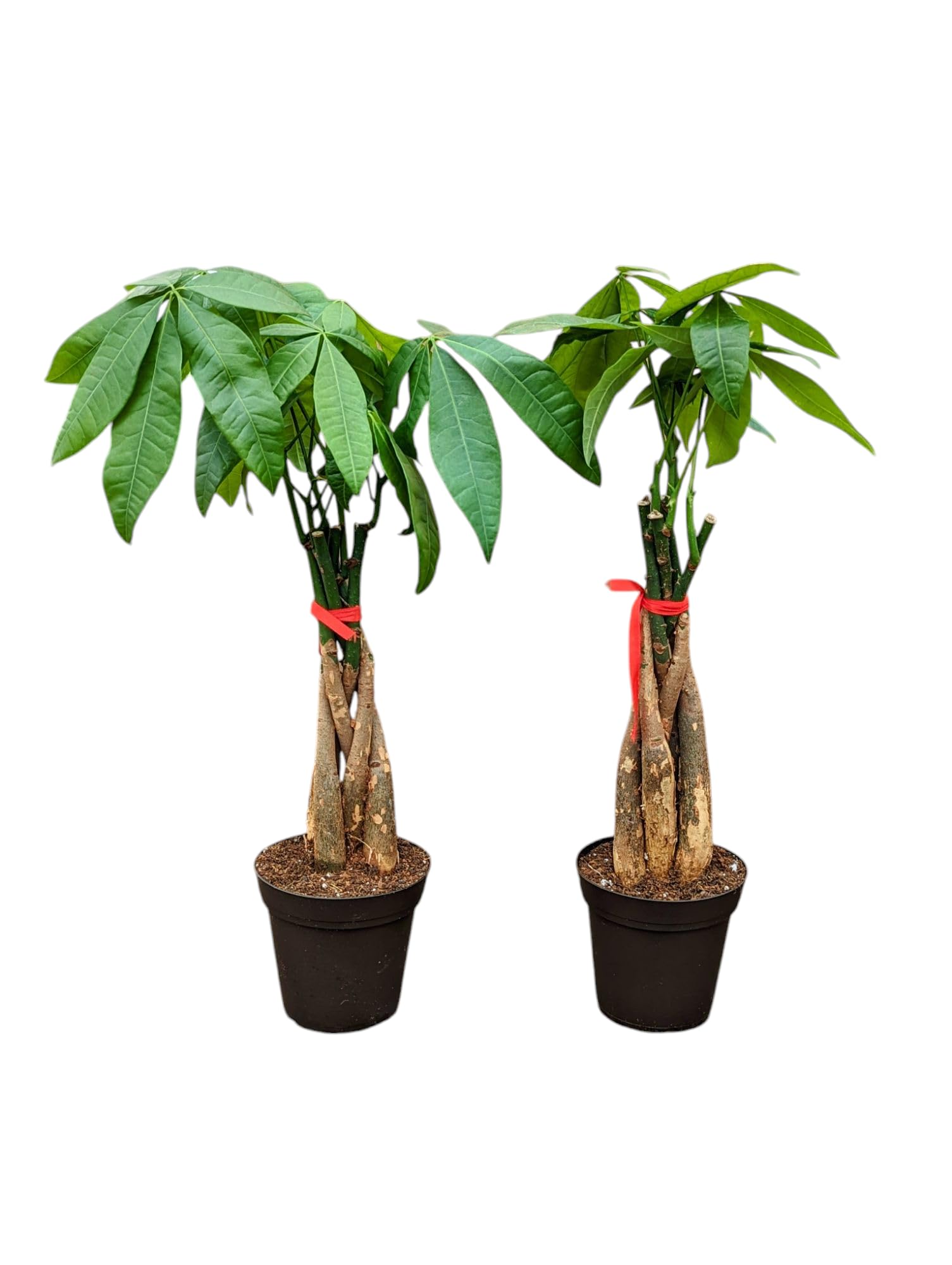
This set delivers two individual Money Trees (Pachira aquatica) in 4-inch nursery pots, each with a braided stem and star-like leaf pattern. The compact stature—10 to 12 inches tall—makes them ideal for matching pairs on opposite ends of a desk, bookshelf, or kitchen counter, and both are recognized as non-toxic to felines.
Because the plants arrive in smaller pots, they are easier to move and rearrange as your cat’s territory shifts. The braided trunk adds stability and visual interest, and the palm-like leaves are broad enough that most cats show little interest. Care is straightforward: bright indirect light and moderate watering when the top inch of soil feels dry.
Owners consistently report that both plants arrive healthy and well-packaged, even during winter shipping, with no leaf damage or broken stems. A few customers noted that the two plants may differ slightly in height or fullness, but overall satisfaction remains very high. Expect slow, steady growth rather than explosive expansion.
Why we love it
- Two plants for a balanced, symmetrical look
- Braided trunks make each plant a conversation piece
- Compact size fits small spaces without overwhelming
Good to know
- Slower growth compared to single larger Money Trees
- Variation in size between the two plants possible
5. Thorsen’s Greenhouse Golden Pothos (4-Inch Pot)
Golden Pothos (Epipremnum aureum) is frequently listed as toxic to cats due to insoluble calcium oxalates, but the ASPCA classifies it as Non-Toxic to Cats. While ingestion may cause mild mouth irritation or drooling due to the oxalate crystals, it is not systemically dangerous. This makes it a reasonable choice for pet owners who can supervise their cats and place the plant out of easy reach.
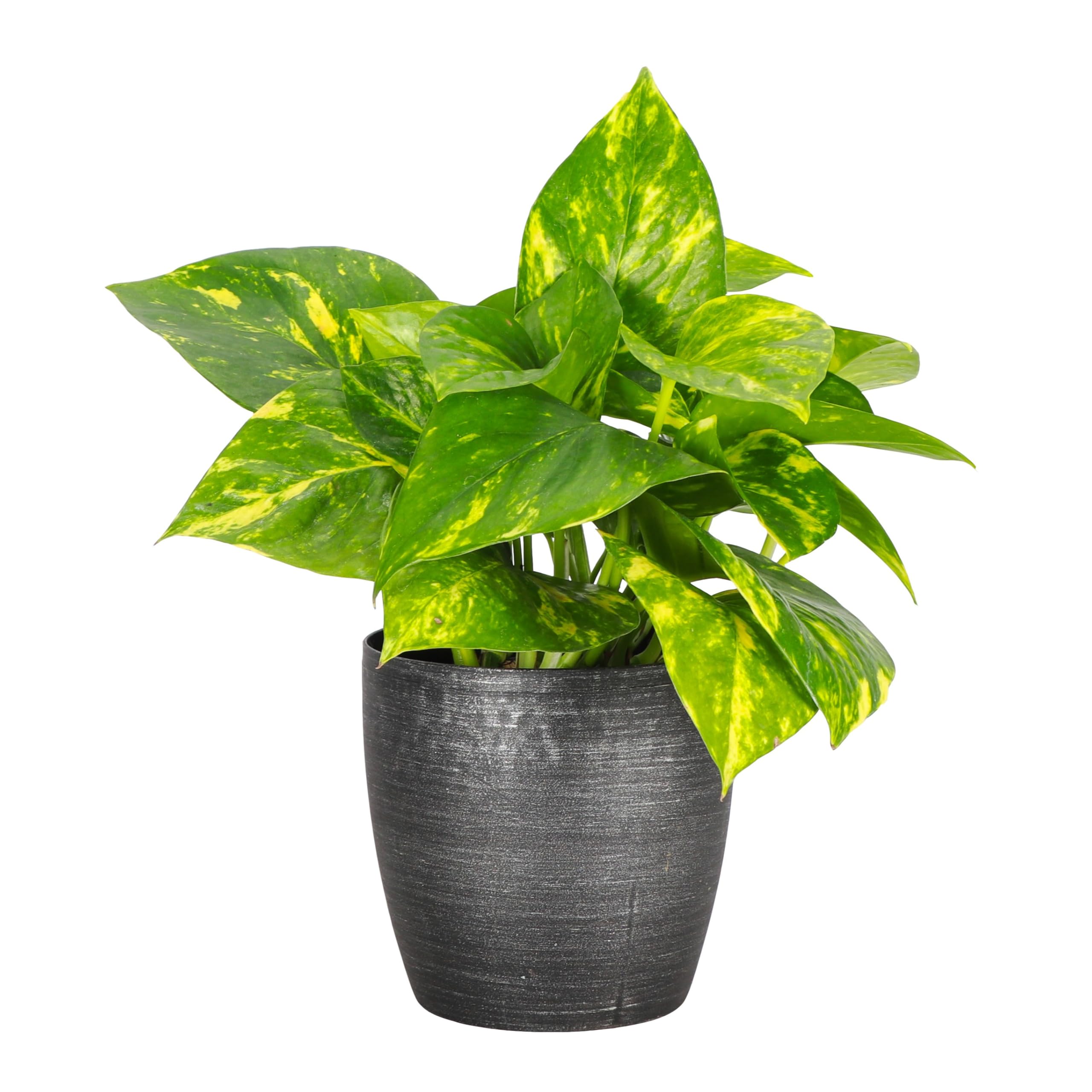
Thorsen’s Greenhouse delivers a full, bushy plant in a 4-inch growers pot with a brushed silver cache pot. The heart-shaped leaves are marbled with yellow and green variegation that becomes more pronounced in brighter light. Pothos is one of the easiest houseplants to keep alive, tolerating low light and irregular watering better than most foliage plants.
Customer reviews highlight the plant’s vigorous growth—vines can trail several feet within months—and its arrival in healthy, damage-free condition. A few received plants with slightly smaller leaf size, but the overall quality is consistently praised. The pot cover lacks drainage holes, so water sparingly and empty any runoff that collects in the cache pot.
Why we love it
- Hardy and forgiving for beginner plant owners
- Attractive cascading growth habit for high shelves
- NASA-identified air-purifying qualities
Good to know
- Still contains oxalate crystals—supervision recommended
- Cache pot has no drainage holes; watch for root rot
6. Plants for Pets Easy to Grow Houseplants (Pack of 6)
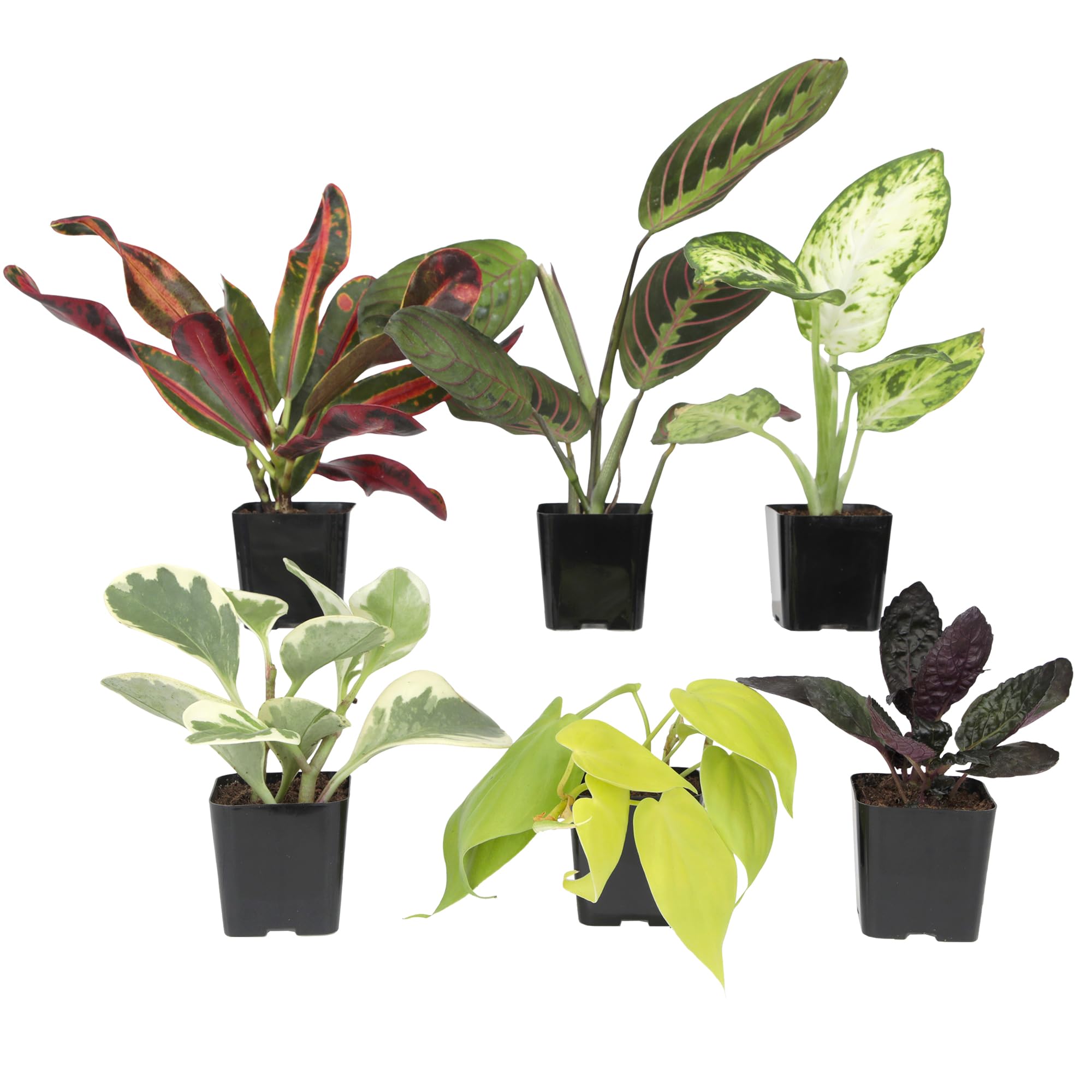
This variety pack from Plants for Pets includes six different small plants in 2-inch grower pots, with species rotating monthly among Pothos, Peperomia, Spider Plant, Croton, Ficus, Syngonium, Begonia, and others. The small format (4-6 inches tall) works well for creating a mixed indoor garden, but requires careful vetting of each species for cat safety before keeping them accessible.
Spider Plant and Peperomia are both confirmed non-toxic, and Pothos is conditionally safe as discussed. However, Croton and some Ficus species can be toxic if ingested. This means the pack is best used by a knowledgeable owner who can identify each plant and relocate any questionable ones. The lack of included plant labels adds friction for beginners.
Reviewers consistently praise the health and packaging of the plants when shipped in warm weather. A few received duplicates in a second order, and some reported that an off-brand supplier (Altman Plants) sent smaller, less healthy specimens. For the price, it remains an excellent way to test multiple species, but cat owners should proceed with awareness of the species variability.
Why we love it
- Great variety to experiment with different plants
- Compact size fits terrariums or small decorative pots
- Biodgradable pots reduce plastic waste
Good to know
- No plant labels make species identification difficult
- Some species (Croton, Ficus) may be toxic—needs sorting
- Duplicate plants possible if ordering multiple packs
7. Brighter Blooms Braided Benjamina Ficus Tree (3-4 ft.)

The Benjamina Ficus (Weeping Fig) is listed by the ASPCA as Toxic to Cats if ingested, due to the presence of ficin and ficusin—compounds that cause oral irritation, drooling, vomiting, and gastrointestinal distress. This tree is included specifically as a cautionary example for cat owners who may be drawn to its dramatic braided trunk and full canopy but must understand the risks.
Brighter Blooms sends a 3-4 foot tree with a beautifully braided trunk and glossy green foliage that instantly elevates any room. The tree arrives well-packaged, and many buyers report minimal leaf drop if kept consistently watered and placed in bright indirect light. However, the leaves are highly attractive to cats who like to nibble, and repeated exposure can lead to more serious symptoms.
If you already own a Ficus and your cat shows no interest, it may be manageable with diligent placement on high stands. But for households with curious kittens or persistent chewers, this tree presents unnecessary risk. The warranty covers tree health but not toxicity issues, so pet owners should weigh the aesthetic payoff against the potential vet visits. Significant leaf drop upon arrival is common during acclimation, which can also stress cats who find falling leaves irresistible to bat around.
Why we love it
- Imposing floor-height presence with a sculptural trunk
- Elegant weeping foliage adds softness to rooms
- Drought-tolerant once established
Good to know
- ASPCA-listed as toxic—not recommended for cat homes
- Significant leaf drop during shipping and acclimation
- Does not ship to AZ, OR, HI
FAQ
Are Money Trees truly safe for cats?
Can cats be around any type of Ficus tree?
What small cat-safe trees look like real trees?
How do I stop my cat from eating safe plant leaves?
What is the easiest cat-safe indoor tree for beginners?
Final Thoughts: The Verdict
For most pet owners, the ideal indoor trees safe for cats winner is the Live Money Tree in a 6-Inch Pot because it offers a classic tree silhouette, proven non-toxic status, and genuine air-purifying benefits without requiring a green thumb. If you prefer a compact, sculptural accent that demands virtually no water, grab the Brussel’s Dwarf Jade Bonsai. And for cat owners who want a large, floor-height specimen with curly foliage that cats ignore, nothing beats the Nature’s Way Farms Ponytail Palm.