
The first weeks of a kitten’s life are the most fragile. Without mother’s milk, the margin for error shrinks to near zero — one wrong formula choice can mean digestive distress, failure to thrive, or worse. A true kitten milk replacer must mirror the precise fat-to-protein ratio of queen’s milk while delivering bioavailable taurine for heart and eye development.
I’m Mo Mahin — the founder and writer behind Furric. I have spent years analyzing nutritional data sheets, cross-referencing veterinary feeding protocols, and mapping verified owner feedback to identify which formulas actually protect kitten health during the critical neonatal window.
This guide evaluates the five top contenders against strict biological benchmarks so you can confidently choose the right kitten formula for your foster or orphaned litter.
How To Choose The Best Kitten Formula
Not every product labeled “kitten milk replacer” meets the physiological demands of a newborn digestive system. Below are the four factors that separate a supportive formula from one that creates more problems than it solves.
Protein and Fat Profile
Queen’s milk contains roughly 6–8% fat and 8–10% protein on a dry-matter basis. A replacer falling below those ranges forces kittens to burn their own energy reserves, stunting growth. Look for formulas that list animal fat or vegetable oil (not simple sugars) as the primary calorie source.
Taurine and Arginine Inclusion
Kittens cannot synthesize taurine or arginine endogenously. A formula deficient in taurine leads to retinal degeneration and dilated cardiomyopathy later in life. Check the guaranteed analysis — taurine should appear as a direct additive, not just a trace from dairy ingredients.
Mixing Consistency and Solubility
Powdered formulas that clump or separate can cause tube-feeding blockages and uneven nutrition. The ideal powder dissolves completely in warm water with minimal whisking, producing a uniform emulsion that mimics the mouthfeel of mother’s milk.
Digestive Tolerance
Neonatal guts are sensitive to lactose overload, artificial preservatives, and thickeners like carrageenan. A premium formula includes a fiber blend or prebiotics to regulate stool firmness. Raw goat’s milk bases tend to be more forgiving for kittens with lactose sensitivity than cow’s milk-derived alternatives.
Quick Comparison
On smaller screens, swipe sideways to see the full table.
| Model | Category | Best For | Key Spec | Amazon |
|---|---|---|---|---|
| Fox Valley Day-One | Powder | Newborn digestive sensitivity | Vanilla scent, calcium/phosphorus balanced | Amazon |
| PetAg Goat’s Milk KMR | Powder | Sensitive stomachs & probiotics | Prebiotics + probiotics, goat’s milk base | Amazon |
| PetAg KMR Liquid | Liquid | Emergency feeding, convenience | 16 oz ready-to-feed, special fiber blend | Amazon |
| Revival Animal Health Shelter’s Choice | Powder | Budget-friendly batch feeding | 1 lb tub, high protein, minimizes diarrhea | Amazon |
| YoYoBay Bovine Colostrum Gel | Gel | Short-term weight gain boost | 4.2 oz, high-calorie colostrum gel | Amazon |
In‑Depth Reviews
1. Fox Valley Day-One Kitten Formula

Fox Valley Day-One is purpose-built for the most vulnerable neonates, with extra zinc for coat integrity and biotin for nail strength. Its vanilla scent is not just cosmetic — it increases palatability for kittens who refuse standard dairy-based replacers. The calcium-to-phosphorus ratio is precisely calibrated to support rapid bone ossification during the first two weeks of life.
Multiple rescue fosters report that switching from standard KMR to Fox Valley stopped persistent diarrhea within 24 hours. The powder dissolves into a silky emulsion without clumps, which matters when you’re feeding a 90-gram newborn through a syringe. Users also note that the limited ingredient list avoids preservatives that can trigger GI inflammation in sensitive litters.
One practical detail owners mention: mixing the powder with goat’s milk instead of water creates a higher-calorie slurry that helps fading kittens bounce back quickly. Store the sealed bag in the freezer for up to six months without nutrient degradation, making it a smart bulk option for long-term fosters.
Why we love it
- Superior solubility with zero clumping
- Added zinc and biotin support coat and nail health
- Preservative-free formula reduces GI upset
Good to know
- Higher price per ounce than basic replacers
- May require water ratio adjustment for stool consistency
2. PetAg Goat’s Milk KMR Kitten Milk Replacer Powder

PetAg’s Goat’s Milk KMR differentiates itself through a whole goat’s milk base that is naturally lower in lactose than cow’s milk, making it the go-to choice for kittens with sensitive stomachs or those recovering from diarrhea. The dual inclusion of prebiotics and probiotics helps populate the neonatal gut with beneficial flora, reducing the risk of dysbiosis during the first six weeks.
User reports consistently highlight that this formula resolves loose stools in kittens who failed on standard bovine-based replacers. The mixing ratio is straightforward — one part powder to two parts warm water — though experienced fosterers caution against packing the powder when measuring, as density variation can lead to excessive calorie concentration. The bag format is less convenient than a tub but reduces plastic waste.
Fosterers managing multiple kittens appreciate that this formula works well for both newborns up to six weeks and adult cats in stressful environments. One reviewer noted that a five-month-old with a congenital heart murmur and feline herpes showed improved vitality after daily supplemental feedings, suggesting the added probiotics support immune modulation beyond basic nutrition.
Why we love it
- Goat’s milk is naturally gentler on digestion
- Probiotics promote long-term gut health
- Excellent for kittens with chronic loose stools
Good to know
- Bulk powder can settle; requires proper whisking
- Measure loosely to avoid accidental overfeeding
3. PetAg KMR Kitten Milk Replacer Liquid
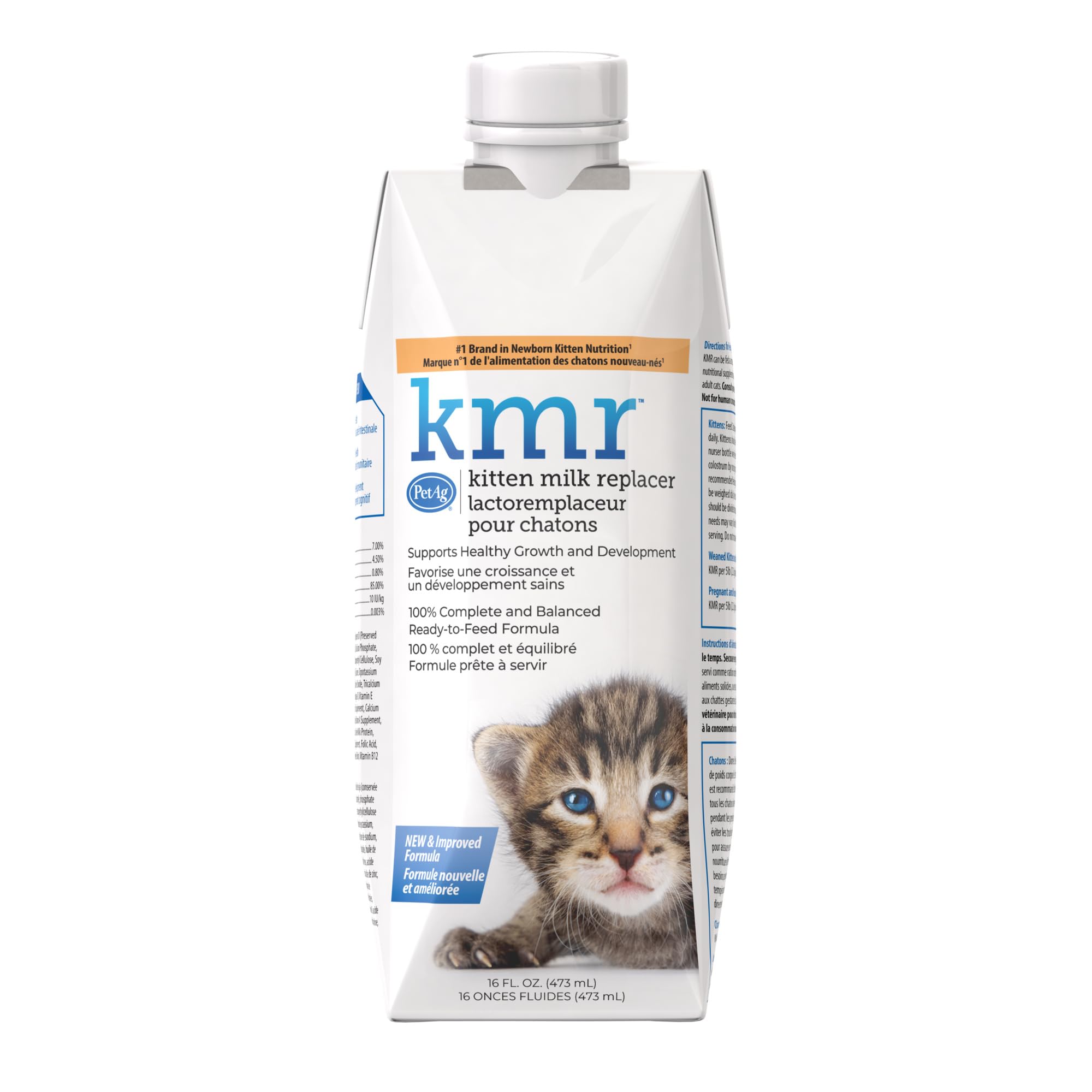
PetAg’s liquid KMR eliminates the guesswork of mixing ratios — shake gently, warm to body temperature, and serve. This is the formula to keep in your emergency kit when you find an abandoned kitten at night and don’t have time to mix powder. The 16-ounce Tetra Pak reseals well, though the clock starts ticking once opened: refrigerated leftovers must be discarded after 72 hours due to bacterial risk.
The liquid format has a noticeably creamier mouthfeel than reconstituted powders, and kittens weaned from bottle to gruel transition more readily to this texture. The special fiber blend helps regulate stool formation, though owners of very young neonates (under one week) should monitor for constipation and dilute slightly if needed. Reviewers note that the new packaging is smaller than previous quart-sized containers, which increases cost per ounce.
Multiple verified purchasers mention that kittens who turned their noses up at powdered alternatives drank this liquid without hesitation. The high palatability is a double-edged sword — once kittens taste this rich emulsion, they may refuse to switch back to powdered mixes during weaning. Use this strategically as a bridge, not a permanent solution.
Why we love it
- Zero preparation time — ideal for emergency feeding
- Creamy texture mimics mother’s milk closely
- High acceptance rate even from picky kittens
Good to know
- Must discard 72 hours after opening
- Higher cost per ounce than powdered equivalents
4. Revival Animal Health Shelter’s Choice Kitten Milk Replacer Powder
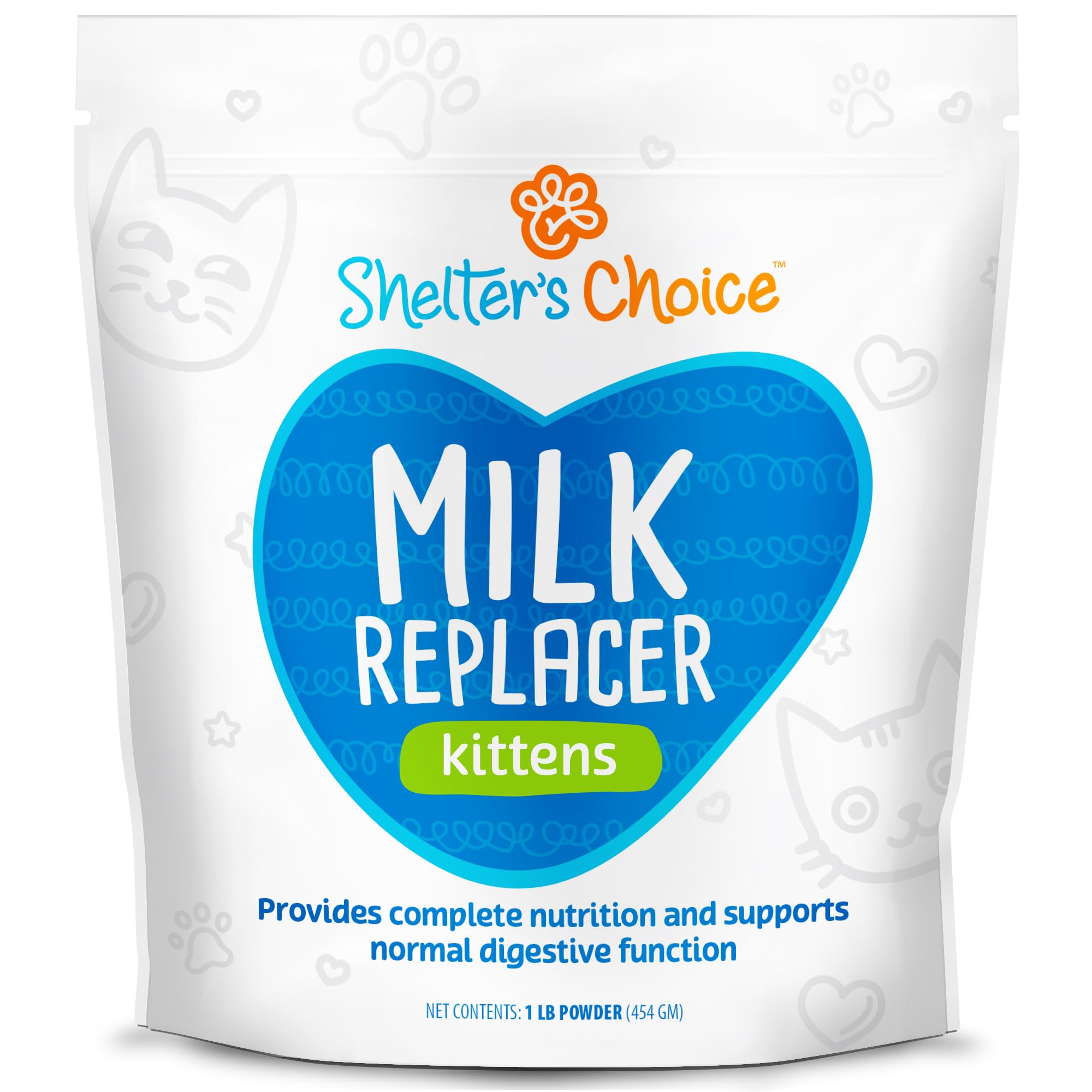
Shelter’s Choice from Revival Animal Health is formulated specifically for high-volume feeding environments where consistency and cost efficiency matter. The 1-pound tub provides enough powder to sustain a litter through the first four weeks without constant reordering. The formula is rich in animal fat and vegetable oil to deliver the calorie density that growing kittens demand, and the protein profile supports lean tissue development.
Rescue workers report that this mix minimizes the incidence of kitten diarrhea compared to budget grocery-store brands, though it lacks the prebiotic enhancement found in premium options. The mixing instructions are clear — one part powder to three parts water — and the powder blends smoothly with minimal agitation. Several fosterers note that this formula can be mixed into wet food to boost calorie intake for nursing mothers and convalescing adult cats.
One practical limitation: the resealable tub is sturdy but the powder does not stay fresh as long as bagged formulas when exposed to humidity. Storing the tub in a cool, dry cabinet and using a clean scoop every time prevents clumping. For shelter operations or large fosters, this is the most economical entry point that still meets basic nutritional benchmarks.
Why we love it
- Excellent value for high-volume feeding
- Low incidence of digestive upset
- Versatile for kittens, nursing moms, and convalescing cats
Good to know
- No added probiotics or prebiotics
- Tub can absorb moisture if not sealed tightly
5. YoYoBay Bovine Colostrum Nutritional Gel
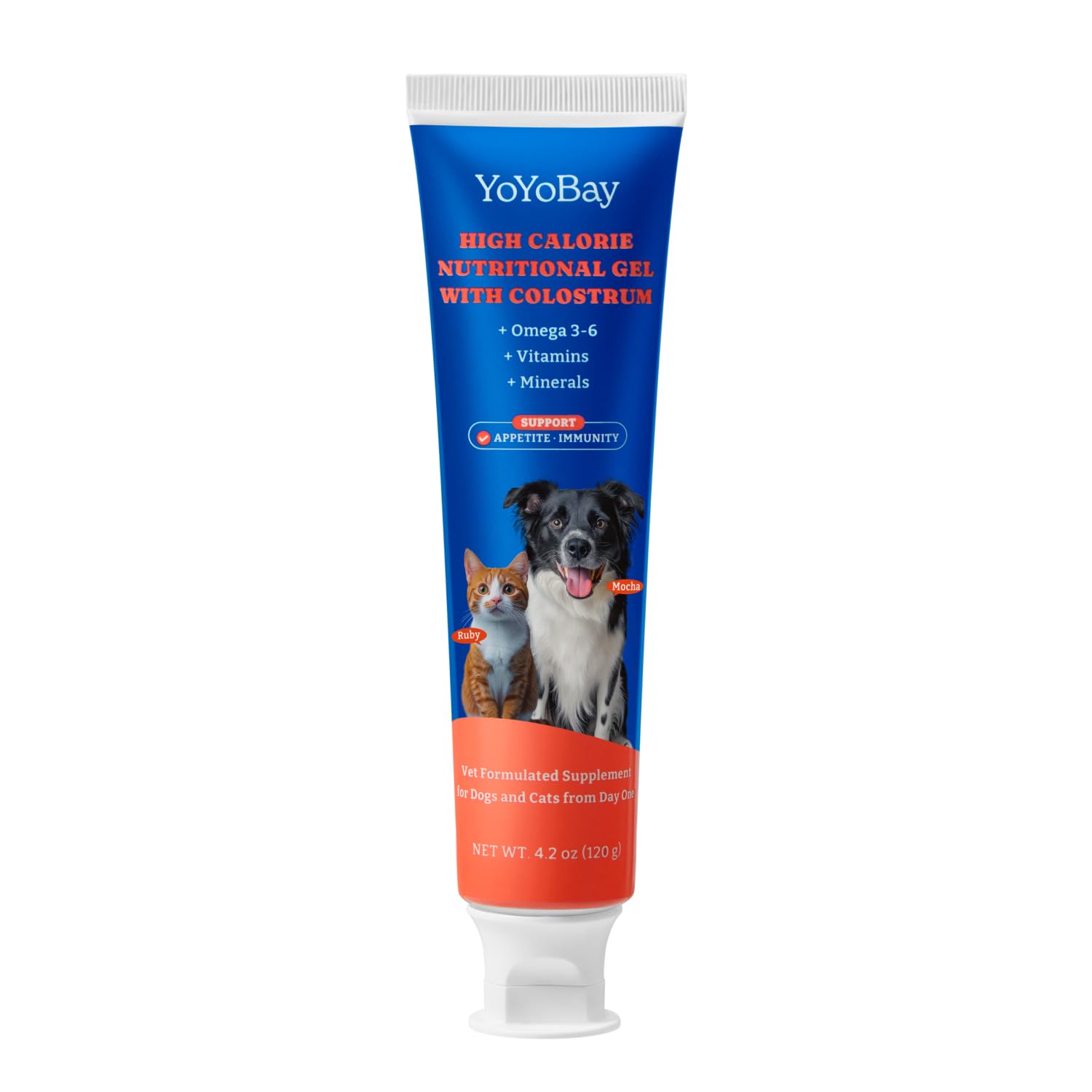
YoYoBay’s colostrum gel is not a primary milk replacer — it is a high-calorie supplement designed for short-term intervention when kittens or senior cats need an immediate energy boost. The gel format is easy to squeeze directly onto food or into the mouth, making it useful for fading kittens who lack the strength to suckle. Colostrum provides immunoglobulins that support passive immunity transfer.
Reviewers who TNR feral colonies found this gel effective for putting weight on undernourished cats within days. However, the ingredient list includes vegetable oil, corn syrup, and molasses, which means it is high in simple sugars. One experienced fosterer noted that prolonged use triggered sugar addiction and subsequent liver concerns in a cat, recommending it strictly as a short-term appetite stimulant rather than a daily nutritional foundation.
Start with one-third of the suggested dose and monitor stool consistency before increasing, especially in kittens with unknown metabolic tolerance. The 4.2-ounce tube is small — ideal for emergency kits but not economical for sustained feeding. Pair this with a complete powdered replacer for balanced nutrition during recovery.
Why we love it
- Immediate calorie dense energy for fading kittens
- Colostrum provides natural immune support
- Gel format is easy to administer to weak animals
Good to know
- High sugar content limits long-term use
- Not a complete milk replacer — must supplement with balanced formula
FAQ
How often should I feed a newborn kitten formula?
What causes diarrhea when switching kitten formulas?
Can I use cow’s milk straight from the refrigerator?
How do I mix powdered formula without clumps?
Final Thoughts: The Verdict
For most fosterers and rescuers, the kitten formula winner is the Fox Valley Day-One Kitten Formula because it combines superior digestibility with a preservative-free profile that minimizes neonatal GI distress. If you need a probiotic boost for a sensitive stomach, grab the PetAg Goat’s Milk KMR. And for emergency situations where preparation time is zero, nothing beats the convenience of PetAg KMR Liquid.