
A bearded dragon that refuses to eat, skips meals, or looks sluggish is almost always reacting to the nutritional content of its feeder insects. Live food isn’t just about keeping your dragon hunting — it’s about delivering the precise calcium-to-phosphorus ratio and moisture level a desert reptile needs to avoid metabolic bone disease and dehydration. The wrong feeder can starve your pet of essential nutrients even when the bowl looks full.
I’m Mo Mahin — the founder and writer behind Furric. I’ve spent the last several months analyzing gut‑load data, protein percentages, chitin‑to‑flesh ratios, and shipping mortality rates across dozens of feeder‑insect suppliers to understand which live foods actually sustain a healthy dragon long‑term.
All of that work comes together in this guide to the best live food for bearded dragons, built around five carefully vetted feeders that cover every stage of growth and every feeding style.
How To Choose The Best Live Food For Bearded Dragons
Feeder insects aren’t interchangeable. A juvenile dragon requires smaller prey with thinner exoskeletons to avoid impaction, while an adult needs larger, protein‑dense feeders that don’t require constant refilling. Three specs separate a good feeder from a dangerous one: protein percentage, chitin thickness, and the calcium‑to‑phosphorus ratio.
Insect‑To‑Dragon Size Ratio
The distance between your dragon’s eyes determines the maximum prey width. Any feeder wider than that gap risks choking or impaction. For a juvenile (under 12 inches), stick with small roaches or pinhead crickets. Adults can handle large superworms and adult banded crickets without issue, but mealworms should still be given sparingly due to their tough exoskeletons.
Gut‑Loading and Hydration
An insect is only as nutritious as its last meal. Look for suppliers that ship feeders already gut‑loaded with calcium‑rich greens or that arrive plump and active — a dehydrated insect delivers less moisture and fewer vitamins. Supplementing your own feeder diet with collard greens or commercial gut‑load ensures every bite your dragon takes is bioavailable.
Shipping and Survival
Live arrival is non‑negotiable. Reputable breeders use insulated boxes and heat/cold packs appropriate for regional weather. Check the seller’s shipping window — many will not ship when temperatures exceed 90°F or drop below 30°F, and some states (like Florida and Hawaii) restrict dubia roaches entirely. A generous overcount (10–15% extra) is the industry standard for accounting for in‑transit losses.
Quick Comparison
On smaller screens, swipe sideways to see the full table.
| Model | Category | Best For | Key Spec | Amazon |
|---|---|---|---|---|
| 100 Medium Dubia Roaches | Roaches | Daily staple, all life stages | High protein, zero flying, 100 count | Amazon |
| Josh’s Frogs 1″ Large Banded Crickets (1000) | Crickets | Adult dragons, big eaters | Longer lifespan vs. house cricket | Amazon |
| Adult Dubia Roaches 20F+10M | Roaches | Breeder starter colony | 30 mixed‑sex adults | Amazon |
| Superworm 300 Live Large Superworms | Worms | High‑protein treat | Large, fat, high calcium | Amazon |
| 500ct Live Giant Mealworms | Worms | Budget bulk, occasional feeding | Giant size, 500 count | Amazon |
In‑Depth Reviews
1. 100 Medium Dubia Roaches in Cup

Dubia roaches are the gold standard of bearded dragon feeders because they deliver a protein content significantly higher than crickets while containing less chitin — meaning easier digestion and a better calcium‑to‑phosphorus ratio. This 100‑count medium cup lands right in the sweet spot for a single adult dragon lasting about two weeks, and the roaches arrive plump and active, ready to gut‑load.
The packaging is a simple ventilated cup with a secure lid; the roaches can’t fly, can’t climb smooth plastic, and produce zero noise, making feeding time clean and stress‑free. Medium size works for dragons from about 10 inches upward, but for juveniles smaller than that you’ll need the small or nymph stage.
One note: these are pure feeder stock, not a breeding colony — once fed off they’re gone. For keepers who prefer a self‑sustaining supply, the separate 20‑female + 10‑male adult pack is the better choice. But for sheer convenience as a weekly staple, this cup is impossible to beat.
Why we love it
- Perfect protein/calcium profile for adult dragons
- Zero escape risk — can’t fly or climb
- Quiet, odorless, easy to portion
Good to know
- Medium size not suitable for juveniles under 10 inches
- Bulk price per roach higher than buying by the pound
- Not a breeding colony — one‑time feeders
2. Josh’s Frogs 1″ Large Adult Banded Crickets (1000 Count)
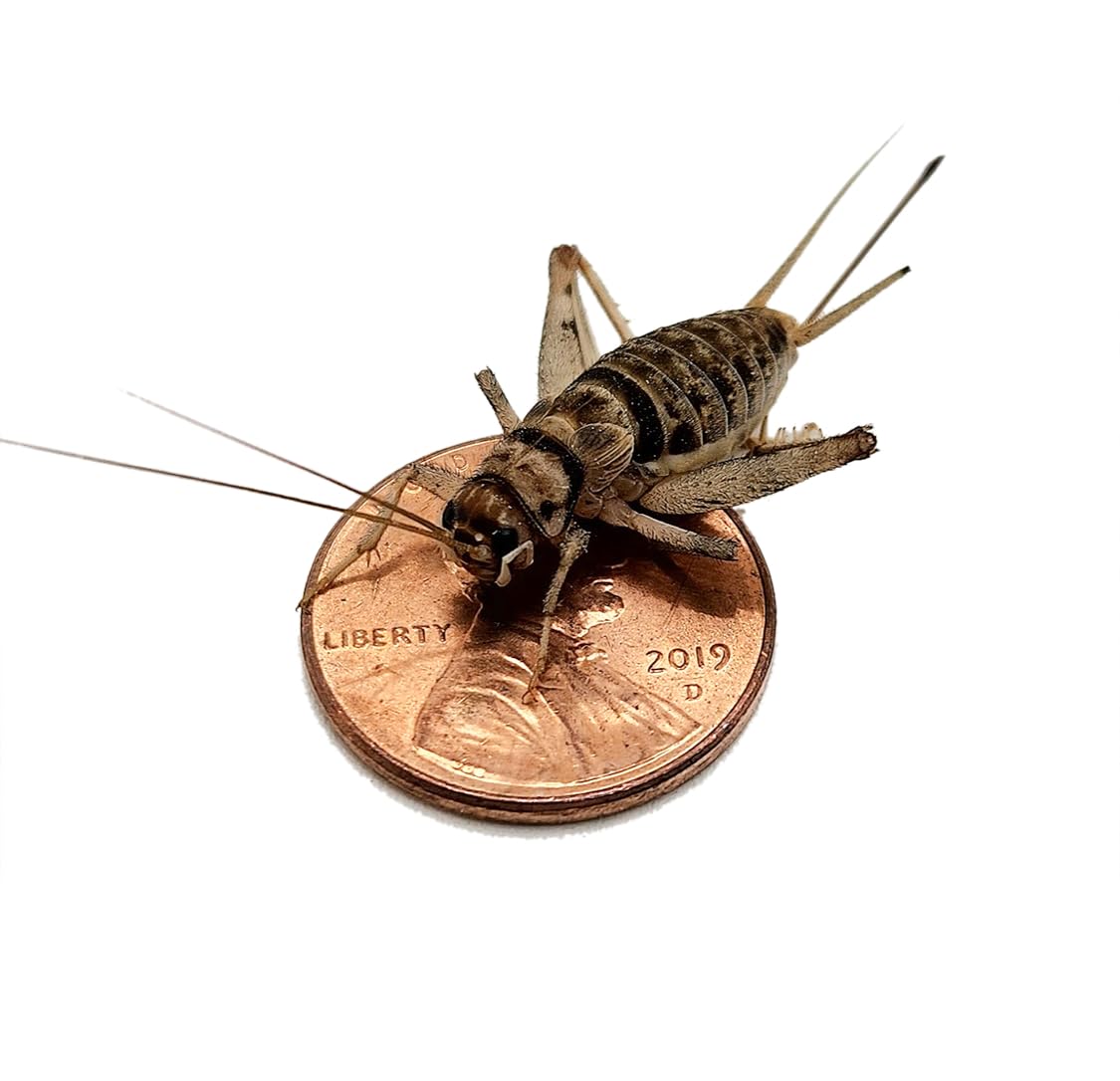
Banded crickets (Gryllus assimilis) live longer and stay healthier than common house crickets, which makes them a superior staple for large adult bearded dragons. This 1000‑count box of 1‑inch adults is aimed squarely at keepers with multiple dragons or a single heavy eater that goes through dozens of insects daily. Josh’s Frogs adds a 10–15% overcount to offset shipping losses, and the cardboard carton is ventilated with a secure feed door that prevents escapes.
These crickets are active and jumpy — expect to use feeding tongs or a dedicated escape‑proof dish. The size recommendation is specific: dragons 14 inches or longer can handle these without risk of impaction. The real advantage over roaches is the higher moisture content, which can help lightly dehydrated dragons that refuse to drink from a bowl.
Shipping is weather‑controlled; the seller uses USPS, UPS, or FedEx depending on regional conditions and includes a care sheet for proper storage. For keepers who prize volume and activity, this is the most cost‑effective live food on the list.
Why we love it
- Longer lifespan and better health than house crickets
- Generous overcount for live arrival assurance
- High moisture content benefits hydration
Good to know
- Too large for dragons under 14 inches
- Requires escape‑proof feeding dish
- Shelf life limited — must feed off within 2–3 weeks
3. Adult Dubia Roaches 20 Females & 10 Males

If you want a self‑replenishing feeder supply without reordering every few weeks, this 30‑count mix of 20 females and 10 males is the most direct path to a breeding colony. Adult dubia roaches reach sexual maturity quickly, and females produce 25–40 nymphs per cycle under proper heat and humidity. Within a few months, a single colony can yield enough small nymphs to feed a juvenile dragon nearly for free.
The roaches arrive in a ventilated container with a note asking you to add the word “HOLD” to your shipping address for guaranteed live arrival — a small quirk of the seller’s policy, but it works. They cannot fly or climb smooth surfaces, so a simple plastic tub with an egg‑crate hide and a heat mat above 85°F is all you need for a self‑sustaining food source.
Important state restriction: dubia roaches are illegal to ship to Florida, Hawaii, and Alaska due to agricultural regulations. If you live in those states, skip this product entirely. Also, the colony takes 3–6 months to produce meaningful feeding numbers, so this is a forward‑thinking purchase, not an immediate food solution.
Why we love it
- Long‑term savings — breed your own feeders
- Sex‑specific ratio ensures quick colony growth
- Low maintenance, no flying or climbing
Good to know
- Not shippable to FL, HI, or AK
- Colony takes months to become a feeding source
- Requires dedicated heating setup (85°F+)
4. Superworm 300 Live Large Superworms (Organic)

Superworms are thicker, fatter, and more protein‑dense than standard mealworms, making them an excellent weekly treat for adult dragons that need a calorie boost. This 300‑count bag of large superworms ships from Florida and is labeled organic, giving you a clean feeder with no pesticide residue concerns. The worms arrive in a breathable bag with bran substrate; they should be removed immediately into a smooth‑sided container with a lid to prevent escape.
The large size is a double‑edged sword: a single superworm can satisfy a dragon’s feeding drive quickly, but the chitin content is high enough that juveniles under 12 inches or dragons with a history of impaction should avoid them altogether. For healthy adults, two to three superworms per feeding (three times per week) adds variety and helps maintain weight without overloading on fat.
Superworms must be kept at room temperature — refrigeration kills them. They’ll pupate if left too long without feeding, so plan to use the entire 300 within 4–6 weeks. The organic claim is a real bonus for keepers who prioritize avoiding chemical exposure in their feeder chain.
Why we love it
- Very high protein content for weight maintenance
- Organic labeling reduces pesticide worry
- Large size reduces number of feedings required
Good to know
- High chitin — not for juveniles or impaction‑prone dragons
- Cannot be refrigerated; short shelf life
- Must be removed from shipping bag immediately
5. 500ct Live Giant Mealworms

Giant mealworms are the entry‑level feeder for keepers on a budget. This 500‑count bag from Gimminy Crickets & Worms delivers a massive quantity for the price, which works well for reptile owners who feed multiple animals or want a long‑lasting supply. The “giant” label means these are several times larger than standard mealworms, though still significantly smaller than superworms.
The chitin concern applies here just as it does with superworms: mealworms have a tough exoskeleton that can cause impaction in juvenile dragons or animals with poor digestion. These are best used as an occasional treat for adult dragons (no more than 10–15% of total diet) and should always be offered alongside a staple like roaches or crickets. The bag ships with a bedding medium to keep the worms alive during transit.
Storage is straightforward — keep the bag in a cool (45–55°F) location to slow metamorphosis, but do not freeze. Giant mealworms will pupate into darkling beetles within a few weeks at room temperature, so portioning and refrigerating the worms you don’t immediately use is essential. For keepers who cycle through feeders quickly and want the lowest per‑insect cost, this is the most budget‑friendly option.
Why we love it
- Extremely low cost per insect at 500 count
- Giant size saves feeding time vs. small mealworms
- Simple storage with minimal equipment
Good to know
- High chitin — not suitable for daily feeding
- Best as a treat, not a staple
- Worms pupate quickly at room temperature
FAQ
Can I feed my bearded dragon only crickets?
How many live insects should an adult dragon eat per day?
Are superworms safe for bearded dragons?
Final Thoughts: The Verdict
For most keepers, the best live food for bearded dragons winner is the 100 Medium Dubia Roaches in Cup because it offers the ideal protein profile, zero escape risk, and a size range that fits nearly every dragon from 10 inches upward. If you want a long‑term self‑replenishing supply, grab the Adult Dubia Roaches 20F+10M. And for high‑volume keepers who need bulk feeding, nothing beats the Josh’s Frogs 1000‑Count Banded Crickets.