
Goldfish are notoriously destructive — they uproot, nibble, and dig through aquarium plants with relentless curiosity, turning a carefully scaped tank into a floating salad bar within hours. The key to a planted goldfish tank isn’t just choosing any live plant; it’s selecting species with tough leaves, robust root systems, and fast growth rates that can withstand constant attention from your fish.
I’m Mo Mahin — the founder and writer behind Furric. I’ve spent years analyzing owner feedback, comparing growth rates, and studying the specific water parameter tolerances of dozens of aquatic plant species to understand exactly which ones survive alongside goldfish.
After sorting through hundreds of verified buyer reports and growth data, I’ve narrowed the field down to the five most resilient options you can buy today to find your ideal live plants for goldfish that actually survive.
How To Choose The Best Live Plants For Goldfish
Goldfish are cold-water fish that produce high bioloads and dig in substrate, so your plant selection must account for temperature tolerance, nutrient uptake, and root anchorage. Here are the three most critical factors specific to this combination.
Leaf Toughness and Growth Rate
Goldfish prefer soft, tender leaves — which means thin-leaved stem plants often become snacks within days. Choose species with thick, leathery foliage like Anubias or fast-growing plants like Jungle Vallisneria that can outpace grazing damage. Broad-leafed plants with a waxy cuticle resist tearing better than feathery or fine-leafed varieties.
Root Structure and Anchoring Method
Goldfish dig constantly, so loosely rooted stem plants will be floating by morning. Plants with rhizomes (Anubias, Java Fern) can be tied to hardscape and avoid substrate disturbance entirely. Plants with deep root systems like Dwarf Sagittaria hold substrate well once established, but require a period of sturdiness before goldfish stop pulling them up.
Lighting and CO2 Requirements
Goldfish tanks rarely have intense lighting setups because goldfish don’t need it, and high light promotes algae. Stick to plants that thrive in low to medium light without injected CO2. Anubias, Java Fern, and floating plants like Salvinia Minima perform well under standard aquarium LED strips, while demanding carpet plants will melt and rot without high light and fertilization.
Quick Comparison
On smaller screens, swipe sideways to see the full table.
| Model | Category | Best For | Key Spec | Amazon |
|---|---|---|---|---|
| Java Fern and Anubias Bundle | Rhizome Combo | Beginner-proof aquascaping | 2 plants, low-light tolerant | Amazon |
| Dwarf Sagittaria Subulata 15-pack | Carpet Plant | Foreground coverage | 2-3 inch height per plant | Amazon |
| Water Spangles Salvinia Minima | Floating Plant | Surface nutrient absorption | 60+ leaves per order | Amazon |
| Anubias Nana Petite Potted | Rhizome Plant | Hardscape accent spots | 20-30 leaves per pot | Amazon |
| Jungle Vallisneria 6-pack | Background Stem | Tall background coverage | 6 individual plant units | Amazon |
In‑Depth Reviews
1. Java Fern and Anubias Aquarium Plant Bundle

This bundle pairs two of the hardiest rhizome plants in the hobby — Java Fern and Anubias — both known for thick, waxy leaves that goldfish find unappetizing and difficult to tear. The Java Fern offers tall, textured fronds for the midground, while the Anubias provides low, broad leaves that create shade and visual depth. Neither plant requires substrate planting since the rhizome will rot if buried, so you tie them to driftwood or rocks using fishing line or glue.
Customer reports consistently highlight the health of the plants upon arrival, with multiple verified buyers noting vibrant green coloration and strong root growth within two weeks of placement. The bundle works in low to medium light without CO2 injection, matching the typical goldfish tank setup perfectly. The contrasting leaf shapes create substantial visual interest without requiring complex aquascaping skills.
One recurring concern involves shipping stress on the Anubias — a few buyers reported leaf drop or melting on the Anubias while the Java Fern remained pristine. This is common with rhizome plants during transit and typically resolves within a week if you trim damaged leaves and let the rhizome recover. The bundle delivers exceptional value for goldfish tanks because both species tolerate cooler water temperatures (65-80°F) that goldfish require.
Why we love it
- Two proven goldfish-resistant species in one purchase
- Thick leaves withstand nibbling and digging
- No substrate needed — attaches to hardscape
Good to know
- Rhizome must not be buried or it will rot
- Anubias may lose leaves during shipping stress
2. Dwarf Sagittaria Subulata 15-pack

Dwarf Sagittaria spreads through runners to form a dense foreground carpet that goldfish find difficult to uproot once established. Each plant reaches 2-3 inches in height, creating a grassy lawn effect that mimics natural goldfish habitats. The 15-pack provides enough plants to cover a 10-15 gallon foreground area, and the species tolerates temperatures down to 60°F — well within goldfish comfort range.
Verified buyers consistently praise the hardiness of these plants, with multiple reports showing recovery even when leaves arrived slightly trimmed or damaged from shipping. The plants grow quickly under moderate light and will send out runners within two to three weeks. One experienced hobbyist noted that the trimmed tops actually encourage root growth, making the plants anchor faster in sand or fine gravel substrate.
A minority of orders received fewer than 15 plants or had some leaves that were brown at the tips, but most customers reported healthy stock that bounced back within days. A notable warning from a three-month review: check carefully for hitchhiker snails before introducing to your tank, as the dense packaging can occasionally carry tiny pest snails. For goldfish keepers wanting a living carpet that survives digging, Dwarf Sagittaria is the most reliable option at this price tier.
Why we love it
- Runner-based spread creates thick foreground mat
- Cold-tolerant down to 60°F
- Fast recovery from shipping stress
Good to know
- Needs established root system before goldfish stop digging
- Check for hitchhiker snails upon arrival
3. Water Spangles Salvinia Minima 60+ Leaves
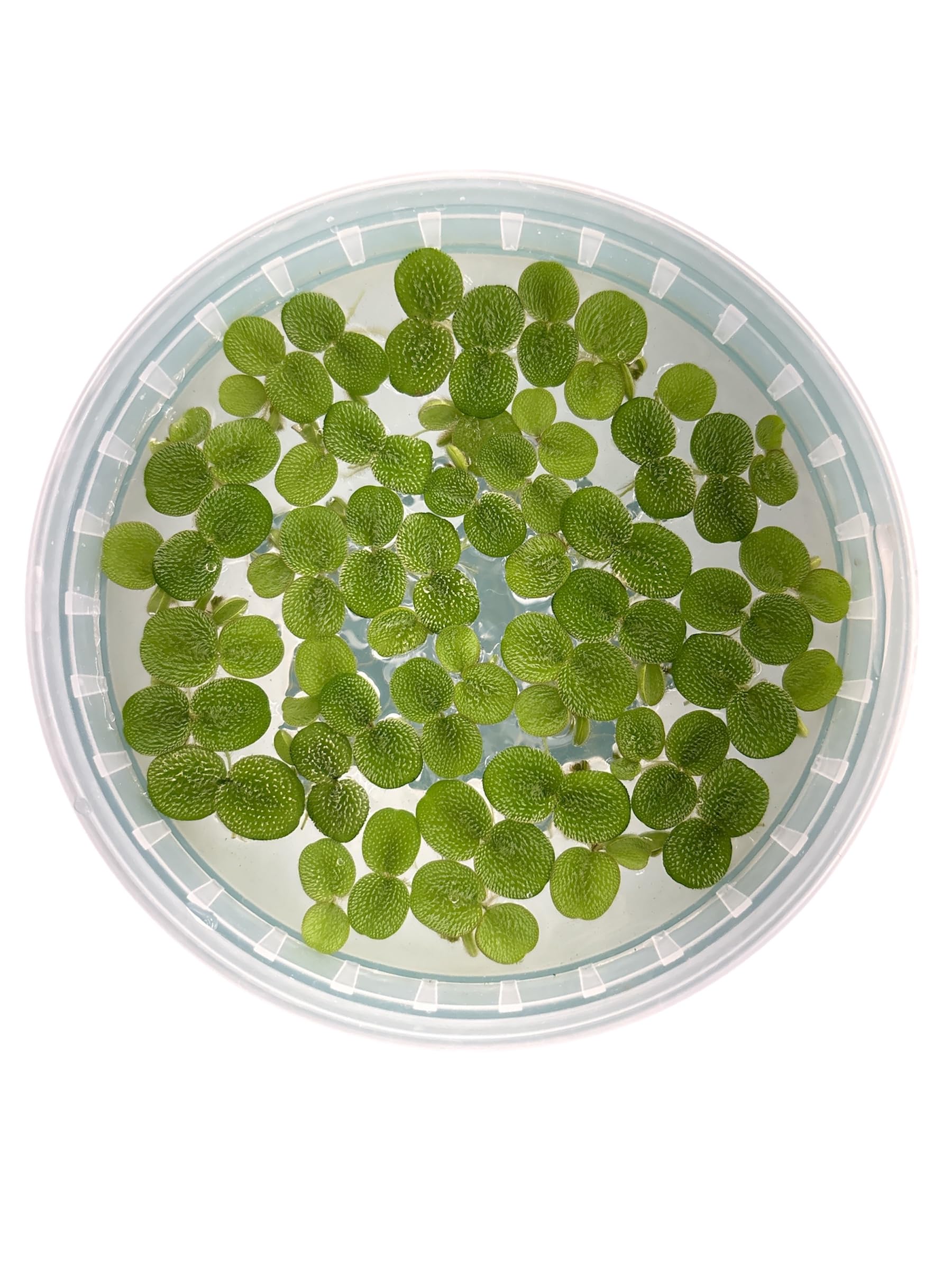
Water Spangles float freely on the surface, completely bypassing goldfish digging behavior while simultaneously consuming excess nitrates that goldfish produce in high quantities. Each order delivers 60+ individual Salvinia Minima leaves that form a dense mat, providing shade that reduces algae growth and gives goldfish a sense of security. The small, textured leaves are less appealing to goldfish than larger floating plants like Duckweed, though some grazing still occurs.
Buyer feedback is overwhelmingly positive, with five-star ratings citing thoughtful packaging that keeps the plants moist and intact during transit. Multiple experienced aquarists noted the Salvinia arrived pest-free and clean — a rare quality for floating plants sold online. The plants thrive in medium to high light and will double in coverage area within one to two weeks under proper conditions, making them effective at outcompeting algae for nutrients.
The primary limitation is temperature sensitivity during shipping — the vendor explicitly warns against ordering when temperatures exceed 90°F or drop below 35°F, and West Coast buyers may face extended transit times from East Coast shipping points. The floating nature means goldfish can push plants around with surface agitation, so you may need a floating ring or airline tubing to contain the mat in a specific area if you prefer open feeding spots.
Why we love it
- Goldfish cannot dig up floating plants
- Excellent nitrate reduction for goldfish bioload
- Pest-free arrival reported by most buyers
Good to know
- Temperature-sensitive during shipping
- Surface agitation can scatter the mat
4. Marcus Fish Tanks Anubias Nana Petite Potted

Anubias Nana Petite is the smallest variant of the Anubias family, producing compact rounded leaves that stay under 2 inches in height, making it ideal for attaching to small driftwood branches or rock crevices in the foreground. The potted format keeps the rhizome protected during shipping and allows you to either place the pot directly into the tank or remove the plant and attach it to hardscape. Each pot contains 20-30 leaves already matured.
The slow growth rate of Anubias is both an advantage and a limitation — goldfish won’t outpace the plant because they don’t eat it, but recovering from damage takes weeks rather than days. The thick, dark green leaves have a tough cuticle that goldfish find unappealing, and the rhizome structure means digging goldfish cannot uproot it from attached hardscape. The plant tolerates low light and temperatures down to 60°F, matching goldfish requirements perfectly.
Buyers should note the winter shipping restriction — the vendor will not guarantee live arrival if temperatures drop below 30°F at the lowest point during the day. A few customers reported that the pots arrived with slightly yellowed lower leaves, which is normal for transit and resolves once the plant adjusts to tank conditions. The petite variety is particularly useful for nano tanks or as a detail accent in larger goldfish setups where standard Anubias might look oversized.
Why we love it
- Compact size fits small hardscape features
- Goldfish do not eat the tough leaves
- Potted format reduces transplant shock
Good to know
- Very slow growth after melt back
- Winter shipping restrictions apply
5. Marcus Fish Tanks 6 Jungle Vallisneria

Jungle Vallisneria grows tall ribbon-like leaves that can reach 3-4 feet in a high-light tank, creating a dramatic background wall that goldfish love to swim through. The 6-pack provides enough plants to cover a medium-sized background area, and the species reproduces quickly through runners once established. Jungle Val is one of the few stem plants that can keep up with goldfish grazing because it grows fast enough to replace nibbled leaves.
Buyer experiences are mixed but generally positive — most customers report healthy plants that establish well, with multiple verified reviews noting minimal melting compared to other Val types. The vendor openly acknowledges that Jungle Val tends to melt back significantly when first transplanted, and advises trimming the tops before planting to encourage root development. Several buyers appreciated this upfront warning and treated the initial die-off as normal rather than a defect.
However, a notable percentage of orders arrived with fewer than six plants or with damaged leaves, and one verified purchase received a 5-plant count with two plants being extremely thin single blades. The low price point makes this a low-risk experiment for goldfish keepers, but the inconsistency in quantity and quality means you should expect some variability. If you prioritize predictability, the premium bundles or Anubias options deliver more consistent results per dollar spent.
Why we love it
- Fast growth outpaces goldfish grazing
- Creates tall background cover quickly
- Loves cooler goldfish water temperatures
Good to know
- Significant melt back is normal after planting
- Inconsistent plant count and quality
FAQ
Why do my goldfish keep uprooting my plants?
Can I use fertilizer with live plants in a goldfish tank?
How much light do goldfish tank plants actually need?
Do goldfish eat live plants or just destroy them?
What water temperature do goldfish plants need?
Final Thoughts: The Verdict
For most goldfish keepers, the live plants for goldfish winner is the Java Fern and Anubias Bundle because two proven goldfish-resistant species in one order minimize the learning curve and maximize survival odds. If you want a fast-growing background that goldfish swimming and digging cannot keep up with, grab the Dwarf Sagittaria Subulata 15-pack. And for surface nutrient control that goldfish cannot possibly uproot, nothing beats the Water Spangles Salvinia Minima.