
Walking into a reptile room where the enclosure feels sterile rather than vibrant is a common frustration. A snake’s terrarium should mimic a micro-ecosystem, supporting healthy humidity gradients and providing visual enrichment—not just a floor of loose substrate. Selecting the wrong foliage means dealing with rot, mold, or plants that simply won’t survive the low-light, high-humidity conditions.
I’m Mo Mahin — the founder and writer behind Furric. I spend my time comparing horticultural data, analyzing owner feedback across hundreds of terrarium setups, and studying which live plants actually sustain themselves alongside captive reptiles without introducing pathogens.
After cross-referencing moisture retention, light tolerance, and structural durability, I’ve narrowed down the field to the most reliable options. This guide focuses on the specific traits that make a plant work inside a snake enclosure and presents the best live plants for snake terrarium setups based on real-world performance.
How To Choose The Best Live Plants For Snake Terrarium
Selecting foliage for a snake enclosure requires balancing the plant’s survival needs with the snake’s safety. The wrong plant can rot, introduce pests, or break down into sharp debris. Focus on species that tolerate low light, moderate watering, and high humidity without requiring soil amendments or fertilizers that could harm a reptile.
Moisture Tolerance and Root Structure
Snake enclosures cycle through periods of high humidity followed by drying. Plants that sit in soggy soil for days will develop root rot. Epiphytic plants like Tillandsia (air plants) and certain mosses avoid this entirely because they require no soil. If you choose a rooted plant like Sansevieria, ensure the pot has drainage and the substrate allows rapid drying between waterings.
Light Requirements in Enclosure Conditions
Most snake terrariums use ambient room light or low-wattage UVB bulbs. High-light plants like succulents or tropical flowering species will stretch, yellow, and die under these conditions. Look for plants listed for “partial shade” or “indirect bright light.” Air plants and sheet moss thrive in these exact ranges, making them natural choices for enclosed glass habitats.
Non-Toxicity and Structural Safety
Snakes explore with their tongues and bodies, rubbing against foliage constantly. Any plant that emits irritating sap, produces hard spines, or contains oxalate crystals poses a risk. Stick to species like Tillandsia, Sansevieria (snake plant), and live terrarium moss—all documented as reptile-safe. Avoid any plant with milky sap or sharp-edged leaves that could cause abrasions during shedding.
Quick Comparison
On smaller screens, swipe sideways to see the full table.
| Model | Category | Best For | Key Spec | Amazon |
|---|---|---|---|---|
| ragnaroc Air Plants 5ct | Air Plant | No-soil terrariums | 1-3″ height; no soil needed | Amazon |
| Exo Terra Boston Fern | Replica Plant | Sterile/Quarantine setup | Medium 6″ foliage spread | Amazon |
| California Tropicals Snake Plant 3ct | Rooted Plant | Low-light humid corners | Fully rooted in 4″ pot | Amazon |
| LUCKYRUNES Live Moss 3-Pack | Live Moss | Humidity & ground cover | 3.5″ x 7″ sheets each | Amazon |
| ragnaroc Air Plants 12ct | Air Plant | Large variety displays | 1-4″ mixed species | Amazon |
In‑Depth Reviews
1. ragnaroc Air Plants – Tillandsia Ionantha Pack, 5ct
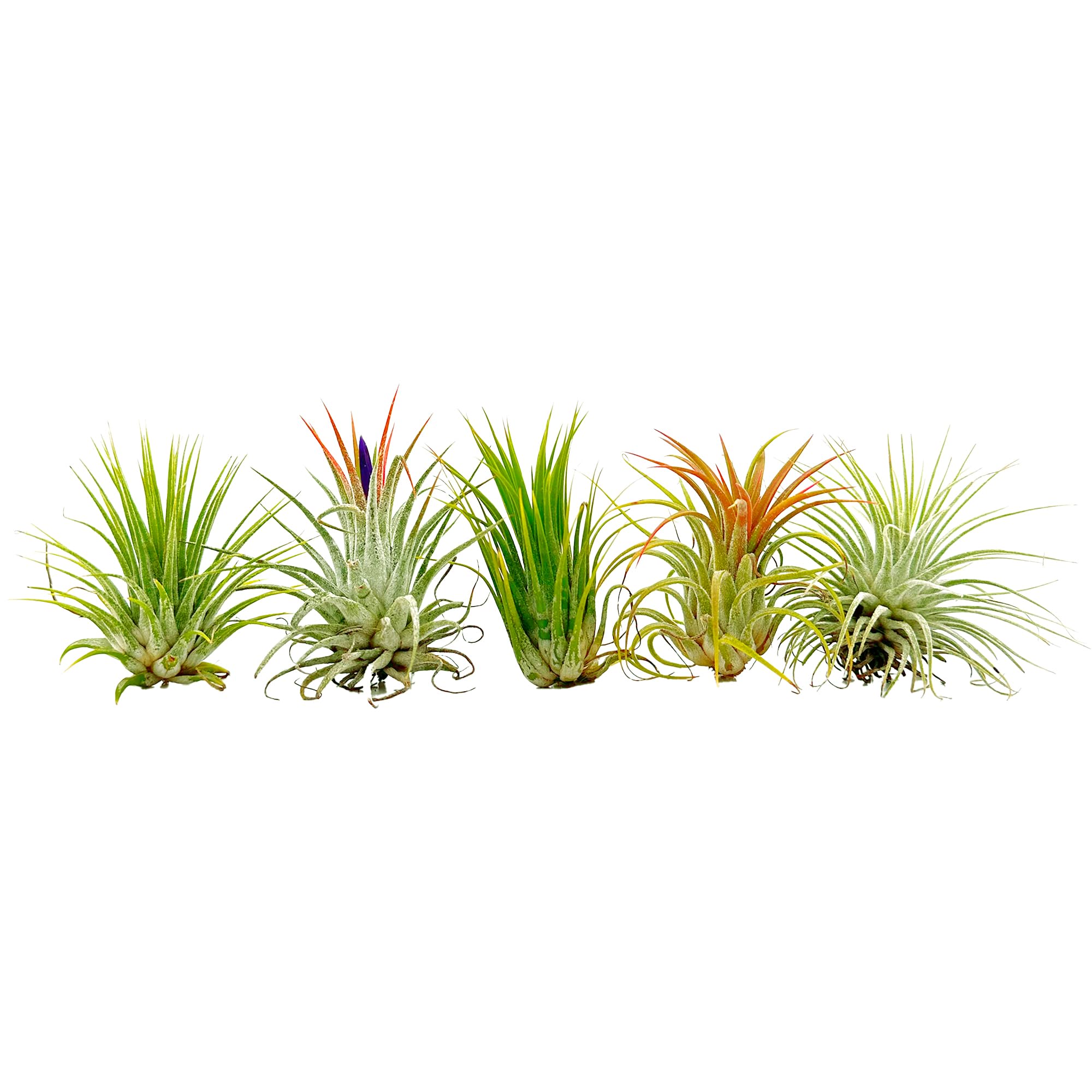
This 5-pack of Tillandsia Ionantha hits the sweet spot for snake keepers who want living greenery without the mess of soil. Each plant stands 1-3 inches tall and requires only a weekly 20-40 minute soak in tepid water. Because they absorb moisture through their leaves rather than roots, they don’t introduce rot-prone substrate into the enclosure. The included care card makes maintenance straightforward even for first-time plant owners.
Buyers consistently report healthy arrival with good color and compact size suited to small or medium terrariums. Multiple reviews mention the versatility of placing these on driftwood, in hanging holders, or directly on the enclosure floor. The plants arrive green and gradually develop red or purple tones when exposed to bright indirect light. Some users noted that the smaller specimens can slip through wide-mesh holders, so pairing these with proper mounts is recommended.
From a safety standpoint, Tillandsia is non-toxic and emits no harmful compounds. The organic material and air-purification claim add bonus value, though the primary function remains low-maintenance humidity-friendly foliage. For a snake enclosure under standard fluorescent or ambient lighting, this pack delivers reliable greenery that won’t degrade the microclimate.
Why we love it
- Zero soil requirement eliminates rot risk inside the tank
- Small size fits tight corners and vertical hardscape
- Pet-safe and non-toxic for curious reptiles
Good to know
- Color change from green to red needs bright light; don’t expect bloom indoors
2. Exo Terra Boston Fern Terrarium Plant, Medium

Exo Terra’s Boston Fern replica provides the visual bulk of a full fern without the mortality risk that comes with live plants in a sterile or quarantine enclosure. The medium size offers a natural-looking fern frond silhouette on a wire and fabric construction rather than hard plastic. Setup is instant—position the weighted base, arrange the leaves, and it stays put.
Customer feedback highlights how well this fern holds up over time for species like king snakes and leopard geckos that appreciate hiding places. The stems are bendable, allowing you to create ground-level cave-like structures. However, some owners caution that the silk material can shed small pieces if the snake drags prey across it or if the animal is heavy enough to climb on it repeatedly. The base is sturdy enough for corner placement but may tip if left in an open area without wall support.
For owners who want a blended terrarium—part real plants, part replica—this fern serves as a reliable anchor plant that never needs watering, never yellows, and never introduces pests. It’s a practical choice for the keeper who values appearance consistency above the biological benefits of live foliage.
Why we love it
- Zero maintenance—no watering, lighting, or fertilization needed
- Bendable stems allow custom positioning for hides
- Easy to rinse clean if substrate dust accumulates
Good to know
- Fabric leaves can fray or detach over time, especially with active snakes
3. California Tropicals Snake Plant (Sansevieria) Assorted Variety, 3ct

Sansevieria—commonly called snake plant—is a classic terrarium choice because it tolerates low light, irregular watering, and dry air. This 3-pack from California Tropicals ships fully rooted in 4-inch pots, meaning you can transplant them into a larger planter or keep them in their nursery pots buried inside the substrate for easy removal during deep cleanings. Each plant is an assorted variety, so you get subtle leaf pattern differences across the set.
Reviews are overwhelmingly positive about packaging quality and plant vigor, even during heat waves. Buyers note that the plants arrived moist—not wet—with no damage. Several owners mentioned that the plants are on the smaller side for the price, but the three-count makes up for it compared to buying individual specimens at big-box garden centers. The plants grow upright and stiff, requiring a deep pot to prevent toppling if a snake burrows around the base.
One important consideration is soil moisture. Snake plants need the soil to dry out between waterings. If your enclosure maintains constant high humidity, the potting mix may stay too wet, leading to root rot. Partial shade or full shade conditions are ideal, and the plant’s upright form provides visual structure without taking up large horizontal space.
Why we love it
- Extremely forgiving of neglect and low-light conditions
- Fully rooted and ready for immediate transplant
- Non-toxic and safe for reptiles
Good to know
- Requires well-draining soil; prolonged damp substrate can trigger root rot
4. LUCKYRUNES Live Moss Variety Pack, 3-Pack
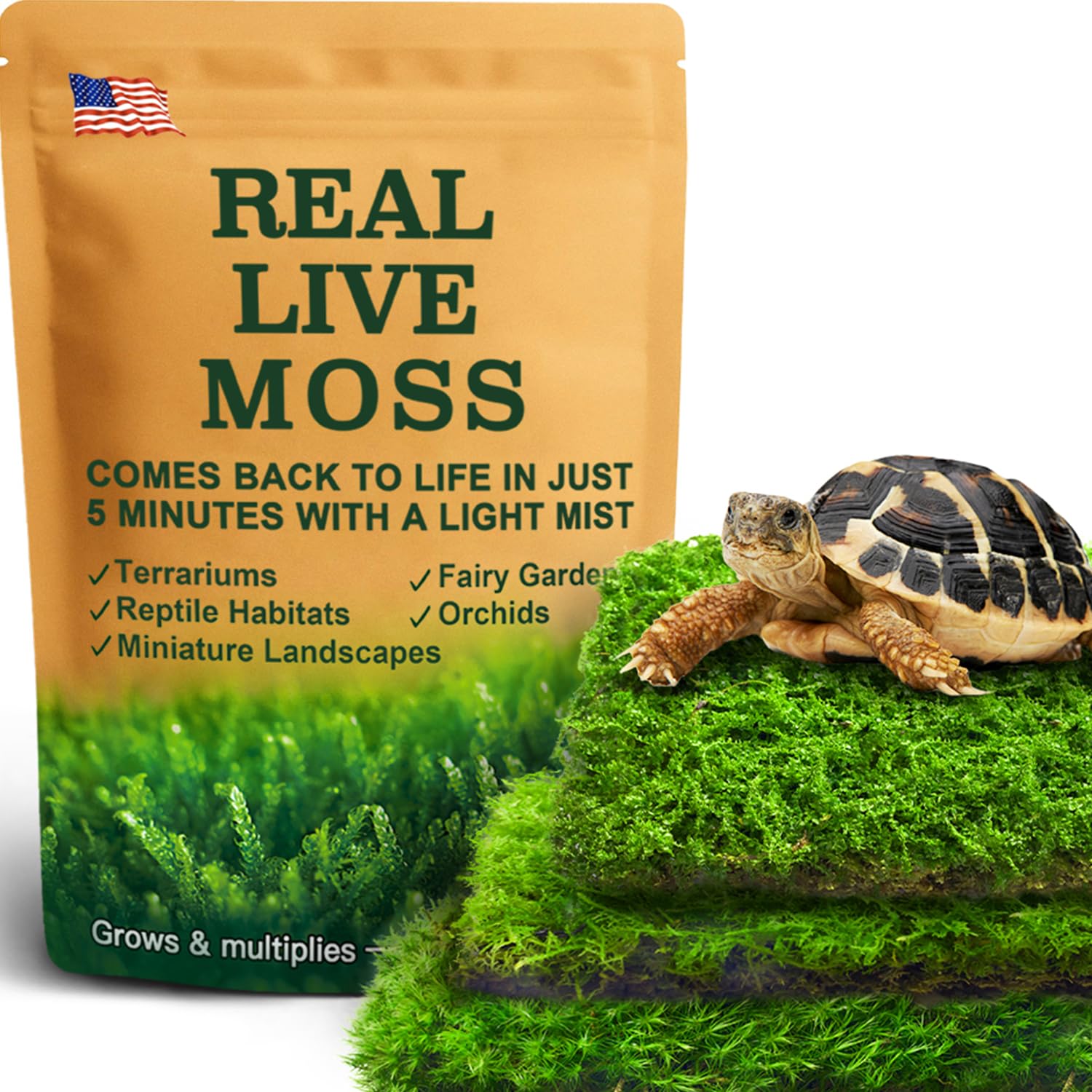
This 3-pack of live moss from LUCKYRUNES provides a natural ground-cover solution that stabilizes humidity inside a snake enclosure far better than dried sphagnum. Each sheet measures 3.5 by 7 inches, and when misted, the moss revives within minutes, turning from a dormant brown-green state to a soft vibrant carpet. The three varieties included—Eurohypnum leptothallum among them—offer distinct textures that mimic a forest floor.
Owner feedback confirms that the moss holds moisture well, creating a microclimate that supports tropical species needing stable humidity for shedding. The moss does require regular misting and should not be placed in direct sunlight or allowed to dry out completely. Some buyers reported the sheets were smaller than expected and noted that without proper care instructions included, beginners may struggle to keep the moss alive beyond a few weeks.
For a snake terrarium, live moss works best as a top layer over drainage substrate rather than a standalone floor. It can develop mold if airflow is poor, so periodic drying cycles are essential. If you want a living ground cover that stays lush and supports natural burrowing behavior, this pack delivers good value for the price point.
Why we love it
- Revives quickly with misting and stays hydrated for days
- Three different textures create realistic habitat variety
- Can be divided and propagated for extended use
Good to know
- Needs consistent misting and good airflow to prevent mold
5. ragnaroc Live Air Plants Tillandsia Variety, 12ct
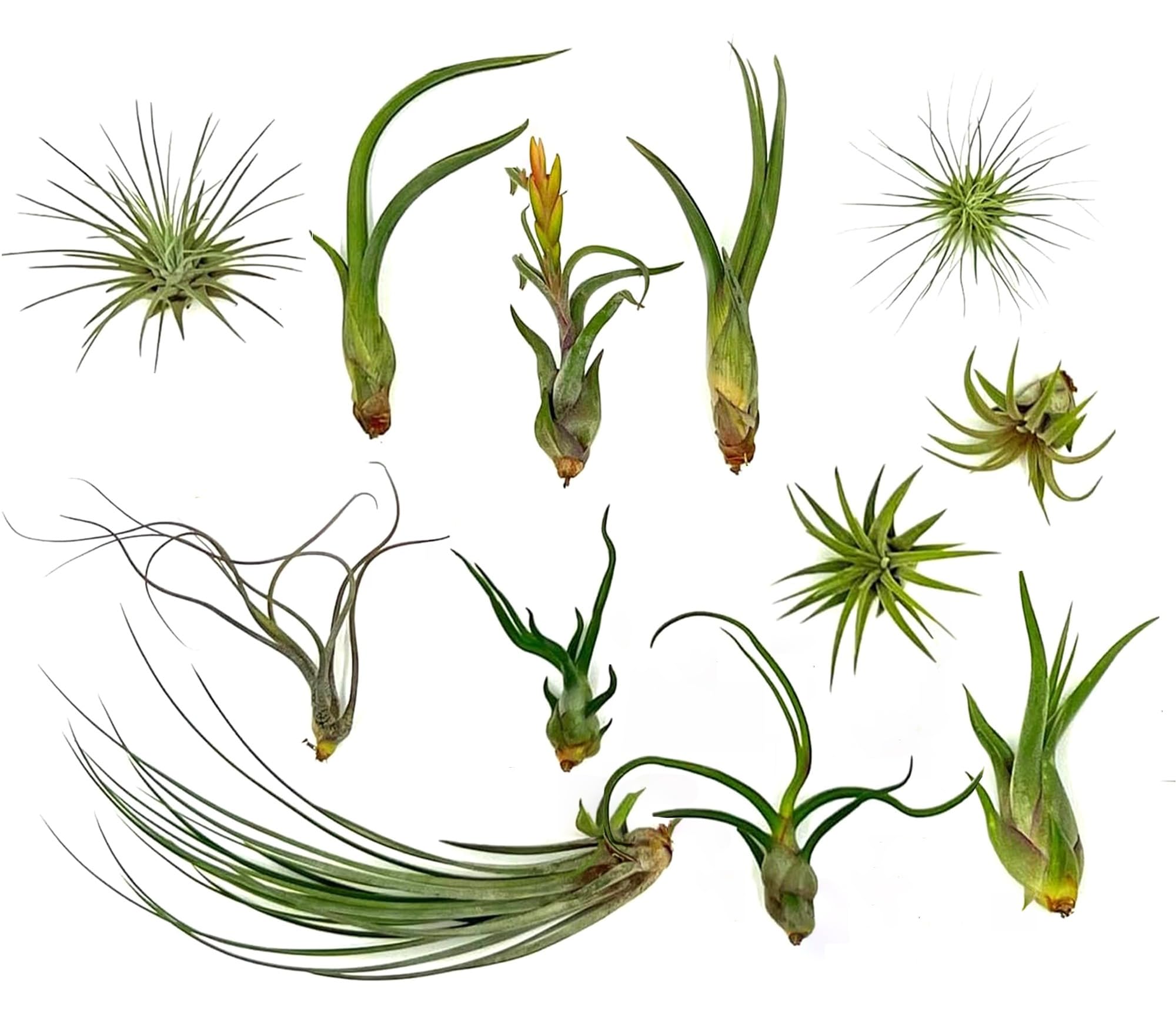
If you need volume—multiple anchor points across a large enclosure—this 12-count Tillandsia variety pack from ragnaroc delivers the most plants per purchase. The assortment may include Juncea, Argentea, Caput Medusae, Ionantha, Fasciculata Tricolor, Bulbosa, and Butzii, ranging from 1 to 4 inches in size. Because these are juvenile plants, they are more resilient to shipping stress and adapt quickly to enclosure conditions.
Customer reactions are generally positive, noting healthy green arrival, good species diversity, and the inclusion of a care card. However, a small number of buyers reported that some plants arrived dry or with damaged leaves due to tight packaging. Most of those issues resolved after a soak, but a few plants did not survive. The seller offers a live arrival guarantee, which provides recourse if multiple specimens arrive in poor condition.
For a snake keeper, the key advantage here is density—you can scatter these across branches, place them in crevices, or mount them on cork bark to create a layered vertical habitat. The soilless nature means zero substrate contamination, and the variety of forms adds visual interest without overwhelming the enclosure’s capacity for humidity.
Why we love it
- High count (12 plants) for large or multiple enclosures
- Mixed species add visual complexity without extra care
- Pet-safe and no soil means clean installation
Good to know
- Some plants may be very small or arrive with minor damage; check each specimen on arrival
FAQ
Can I put soil-rooted houseplants like pothos with a ball python?
How often should I mist live air plants in a snake terrarium?
Will live moss survive in a desert or arid snake enclosure?
What is the safest way to introduce new live plants to a snake tank?
Do live plants help with snake shedding and humidity?
Final Thoughts: The Verdict
For most snake owners, the best live plants for snake terrarium winner is the ragnaroc Air Plants 5ct because it provides living greenery with zero soil, minimal maintenance, and maximum reptile safety. If you need a humidity-stabilizing ground cover, grab the LUCKYRUNES Live Moss 3-Pack. And for a clean, durable backdrop that never dies, nothing beats the Exo Terra Boston Fern Replica. Mix and match based on your enclosure size and your snake’s humidity needs.