
Raising healthy piglets starts with what goes into their bellies. The first days after birth are critical for building immunity, digestion, and steady growth, and the wrong formula can lead to scouring, poor weight gain, or worse. Whether you’re managing a farrowing operation, a small homestead, or a bottle-feeding rescue, choosing a milk replacer that matches the piglet’s delicate digestive system and nutritional demands is a decision you can’t afford to get wrong.
I’m Mo Mahin — the founder and writer behind Furric. I’ve spent years analyzing animal nutrition data, comparing ingredient profiles, studying digestibility markers like protein-to-fat ratios and lactose content, and sifting through verified owner feedback across dozens of species to separate the formulas that truly perform from those that simply market well.
In this guide, I’ve sorted through the top contenders to help you find the best milk replacer for piglets that supports healthy weaning, minimizes digestive upset, and delivers measurable growth results.
How To Choose The Best Milk Replacer For Piglets
Not all milk replacers are formulated with swine biology in mind. Piglet digestive systems differ from lambs, kids, and calves — they require a specific balance of fat for energy, highly digestible protein for muscle growth, and prebiotics to prevent pathogenic bacteria from taking hold. Here’s what separates an effective formula from a problematic one.
Protein and fat ratio
Piglets grow fast, and they need dense calories. A replacer should offer roughly 20-26% crude protein and 15-25% crude fat. Formulas leaning too heavily on protein without matching fat content can cause osmotic diarrhea. Conversely, high-fat replacers without sufficient protein slow lean tissue development. Look for brands that list a clear ratio on the label.
Lactose and digestibility
Piglets produce lactase early, so lactose isn’t automatically a problem. But poorly processed cow milk replacers can denature casein and whey proteins, making them harder to break down. Goat milk naturally contains smaller fat globules and A2 casein, which is gentler on immature stomachs. If you see a pattern of scouring in your litters, a goat-based replacer may be the solution.
Added probiotics and immune support
The first gut flora colonization happens within hours of birth. Replacers fortified with live probiotics, prebiotics (like GOS), and essential oils (oregano, yucca) can reduce enteric pathogens like E. coli and stabilize the gut lining. Even a single percentage point reduction in mortality or growth lag makes a major economic difference in larger farrowing operations.
Quick Comparison
On smaller screens, swipe sideways to see the full table.
| Model | Category | Best For | Key Spec | Amazon |
|---|---|---|---|---|
| Ultra 24 Sav-A-Caf | Livestock Replacer | Multi-species & emergencies | 26% crude protein / coconut oil base | Amazon |
| LittleOak Goat Toddler | Goat Formula | Gentle digestion & DHA | 40% full cream goat milk + GOS prebiotics | Amazon |
| Holle Goat Milk Stage 3 | Toddler Formula | Low-fuss picky eaters | Whole goat milk + DHA + iron | Amazon |
| Rogue Pet Science G.O.A.T | Hydration/Topper | Fading piglet hydration | Grass-fed A2 goat milk powder | Amazon |
| Wholesome Harvest Pig Feed | Grower Granule | Post-weaning transition | Probiotics + oregano & yucca leaf | Amazon |
In‑Depth Reviews
1. Ultra 24 Sav-A-Caf Livestock Milk Replacer
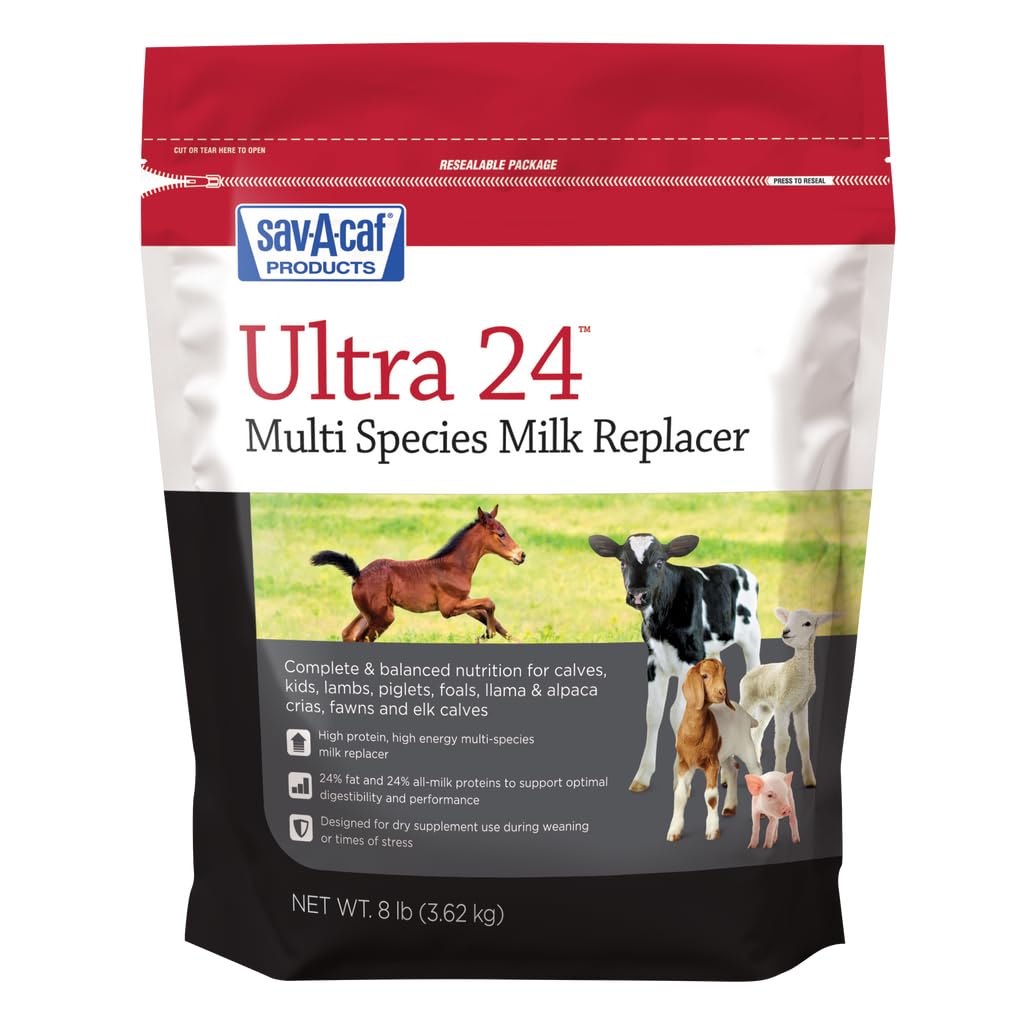
This heavyweight 8-pound bag from Sav-A-Caf is the closest thing to an all-farm insurance policy. Its 26% protein formulation with coconut oil as the primary fat source provides the dense energy piglet livers need during the first fortnight — without triggering the kind of osmotic scours seen with lower-quality soy-based replacers. Multiple verified reviews confirm its success across not just piglets but also lambs, puppies, goat kids, and even rescued kittens, making it a practical choice for farms with mixed litters.
The powder mixes cleanly with warm water without stubborn clumps, and a common tip from long-term users is a 2:1 water-to-powder ratio for lambs and piglets slightly on the older side. The bag is resealable and fits well in a freezer for long-term storage, especially important if you buy in bulk for baby season across spring.
Some homesteaders note that while the price per pound is extremely competitive for the protein density, the formula does not include added probiotics or DHA, so you may want to supplement with a probiotic paste during the first three days. For straight-up performance without fancy additives, this remains the most frequently repurchased livestock replacer in its category.
Why we love it
- High 26% protein supports fast muscle gain
- Coconut oil base is gentle on piglet gut
- Multi-species versatility saves money on separate powders
Good to know
- No added probiotics or prebiotics
- Large 8-lb bag may be too big for single-litter rescues
2. LittleOak Natural Goat Milk Toddler Drink

LittleOak starts from fresh New Zealand full-cream goat milk — not from powdered reconstitution — and its From Fresh processing retains more native vitamins than standard spray-dried recipes. For piglets struggling on cow-based replacers, the naturally occurring A2 protein and lower lactose load reduce the gut irritation that leads to watery stools. The 40% full cream goat milk solids provide a fat profile that mirrors the high-energy demands of fast-growing swine.
Fortified with 16 essential vitamins and minerals, plus DHA from algal oil and iron to prevent anemia during the rapid-growth pre-weaning phase, this is one of the most complete nutritional packages you’ll find in a goat milk powder. The added galacto-oligosaccharides (GOS) act as prebiotics to feed beneficial Bifidobacteria in the piglet gut, further reducing susceptibility to pathogenic E. coli blooms.
The down side is cost — this is the priciest option per ounce in the lineup, and the 28-ounce tin goes quickly with multiple hungry piglets. Buyers also note the 30-day shelf life after opening means you should only open a tin when you have a consistent feeding schedule. For small litters or bottle-fed piglets with digestive sensitivity, this is the gold standard for outcome and ingredient transparency.
Why we love it
- Fresh milk process retains more native nutrition
- GOS prebiotics support gut flora
- DHA + iron for brain and blood health
Good to know
- High cost per ounce for multi-litter use
- Short 30-day shelf life after opening
3. Holle Goat Milk Toddler Drink Stage 3
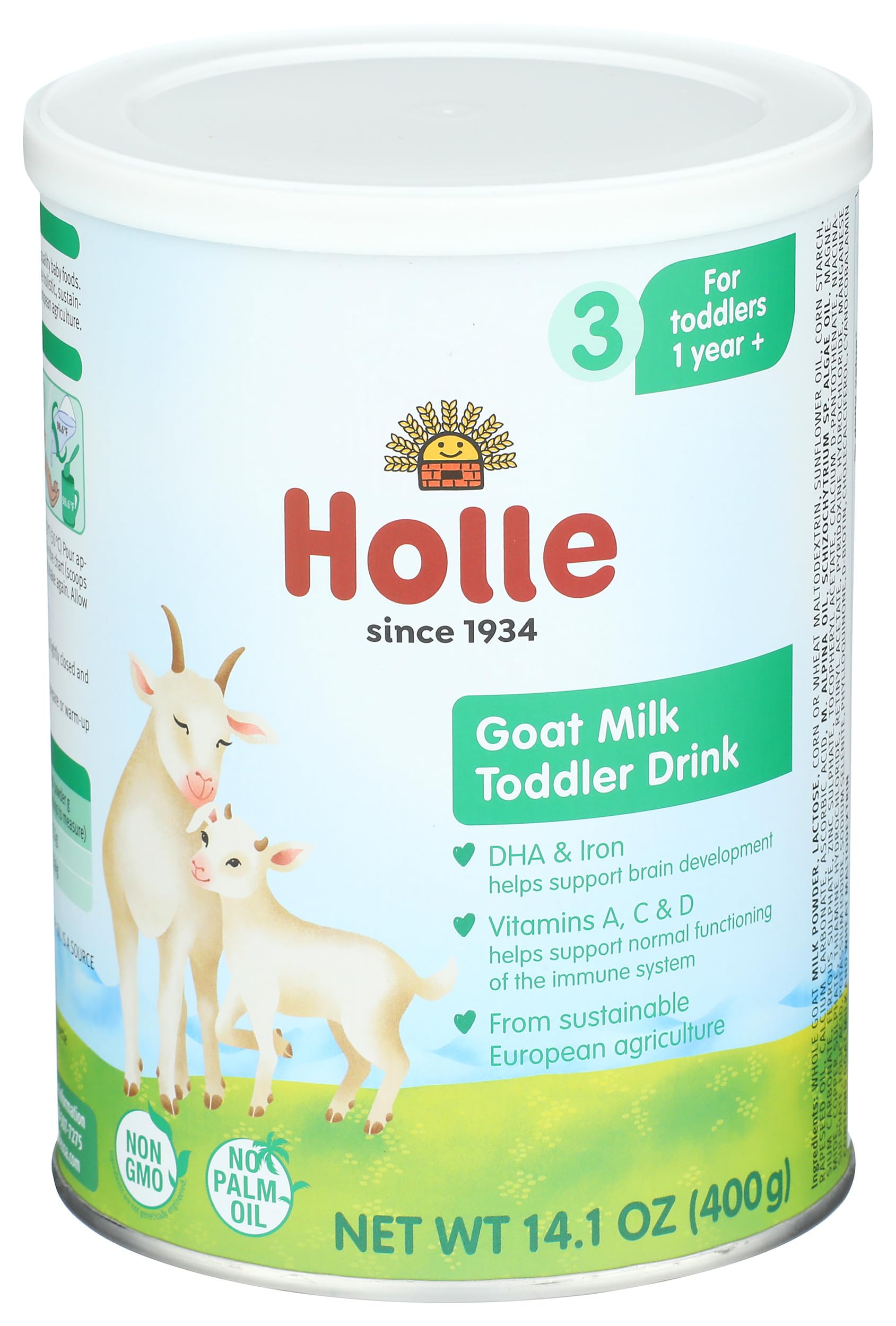
Holle is a well-known European baby formula brand, and its Stage 3 goat milk powder brings strict EU ingredient regulations into piglet feeding. The formula uses whole goat milk as the base with added rapeseed and sunflower oil for a balanced fatty acid profile, and includes DHA from algae oil as well as iron and zinc — important for piglet vitality during the weaning dip when natural passive immunity wanes. European organic standards mean no GMOs, no palm oil, and no artificial preservatives.
Multiple piglet owners have reported that even litters who refused other goat milk powders took to Holle quickly, likely because the maltodextrin provides a mild sweetness that piglets prefer. The 14.1-ounce bag is smaller and more portable than the bulk livestock bags, making it ideal for travel, emergency rescues, or single-litter operations where you don’t want a half-used bag sitting around past its prime.
The main trade-off is that the 14-ounce size offers less value per pound compared to the Sav-A-Caf bulk option, and the powder can sometimes clump when mixed with cold water. Warm mixing and immediate feeding solve this easily. If your piglets are turning their snouts up at other replacers, Holle is a reliable switch that minimizes rejection and keeps feeding stress low.
Why we love it
- Strict EU ingredient standards
- Mild sweetness improves acceptance
- No palm oil, GMOs, or synthetic preservatives
Good to know
- Small bag size means higher cost per feeding
- Powder can clump without warm water agitation
4. Rogue Pet Science G.O.A.T Milk Powder
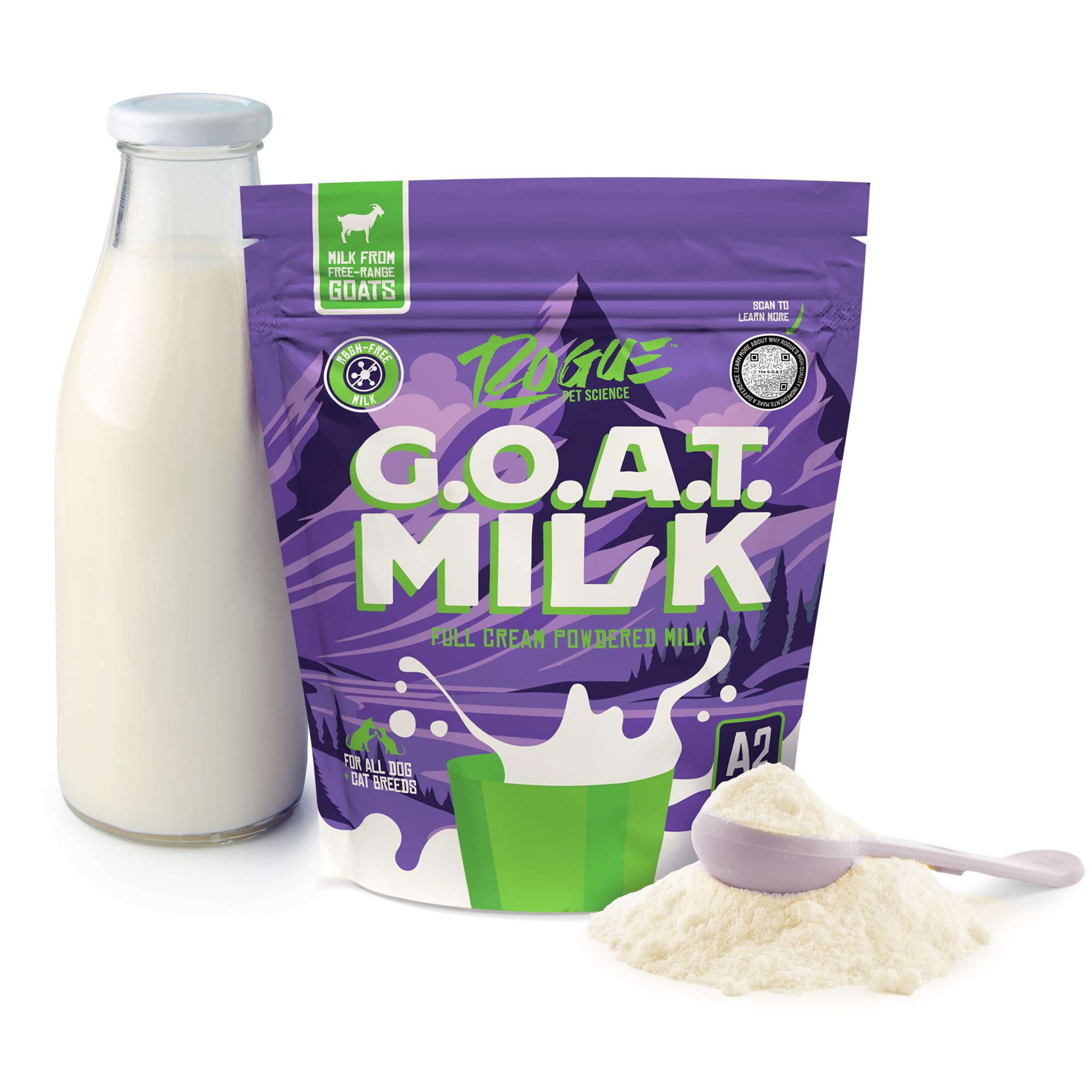
Rogue Pet Science stands out because its goat milk is human-grade, grass-fed, and sourced from family farms in the Netherlands — a purity level that assures you are getting zero fillers, GMOs, or growth-promoting agents. The A2 beta-casein and smaller fat globules inherent to goat milk make this incredibly gentle on piglet stomachs, especially those transitioning from sow’s colostrum or dealing with mild dehydration.
This is a pure goat milk powder — not a complete replacer with added vitamins or DHA — so it functions best as a hydration supplement or as a high-palatability mixer for weaning mush. One standard review notes that finicky puppies who rejected a premium puppy replacer cleaned their bowls when mixed with this milk. The same logic applies to piglets: if they’re not drinking enough, a splash of this powder can encourage consumption.
At the 16-ounce bag size making 6 quarts of liquid, the value is middle-of-the-pack, but the convenience of a resealable bag and instant mixing without heat make it a great rescue tool to keep on hand. If you need a complete nutritional replacer for exclusive bottle feeding, this won’t cut it alone — but as a complement to a base replacer or for rehydrating weak piglets, it’s unmatched in palatability.
Why we love it
- Human-grade, grass-fed goat milk
- A2 protein is ultra gentle on stomach
- Excellent palatability for reluctant feeders
Good to know
- Not a complete replacer — lacks added vitamins
- Small bag size limits value for large litters
5. Wholesome Harvest Potbelly & Mini Pig Grower Feed
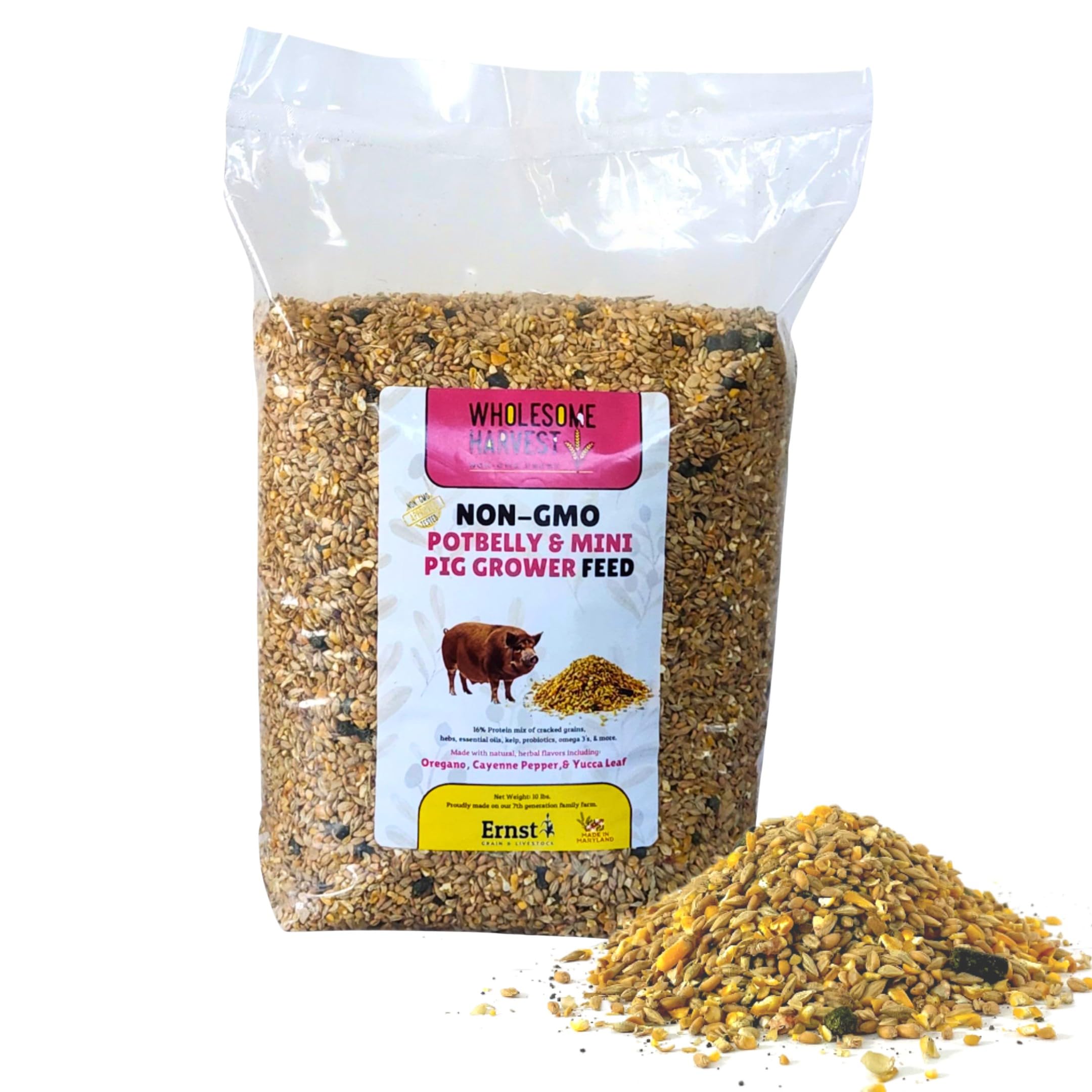
Wholesome Harvest’s grower feed takes a different approach — instead of being a liquid replacer, this is a pelleted transition feed designed for piglets moving off milk onto solid food. The formula incorporates multiple species of live probiotics alongside prebiotic herbs like oregano, cayenne pepper, and yucca leaf, which naturally reduce gut inflammation and discourage intestinal parasites. The inclusion of kelp provides a natural mineral profile and iodine, essential for thyroid development.
Several long-term users report their pigs have stayed on this feed for years without fatigue, and even picky eaters licked bowls clean after the initial transition. The non-GMO, whole-grain base with flax oil promotes a healthy coat condition that shows visibly in the pig’s skin and hair quality. Many owners recommend soaking the pellet in warm water overnight to soften it for younger piglets with developing teeth and immature digestive tracts.
The only consistent complaint is the price per pound relative to generic pig starter feeds found at feed stores. For the ingredient transparency and the probiotic/herbal boost, it’s competitive, but if you are raising a large commercial herd, you may find more economical options. For homesteaders with a few mini pigs or pet potbellies, however, this is the most thoughtfully formulated grower option available on Amazon.
Why we love it
- Live probiotics support healthy gut flora
- Oregano and yucca leaf for natural GI support
- Non-GMO whole grain base with flax oil
Good to know
- Not a liquid replacer — only suitable post-weaning
- Some users find cost high vs. generic starter feeds
FAQ
Can I use cow milk replacer for piglets?
How long should I feed milk replacer to piglets?
What is the best way to prevent scours in bottle-fed piglets?
Final Thoughts: The Verdict
For most piglet raisers, the milk replacer for piglets winner is the Ultra 24 Sav-A-Caf because it delivers the highest protein density per pound with a gentle coconut oil base, works across multiple species, and keeps bulk cost manageable. If you want a goat-based option with DHA and prebiotics for sensitive digestive systems, grab the LittleOak. And for a post-weaning transition that keeps gut health strong, nothing beats the Wholesome Harvest Grower Feed.