
There is nothing quite like the rush of seeing a sharp, beautifully lit image of a bird in mid-flight flash up on your camera screen. For years, that moment felt out of reach without a massive, heavy DSLR and a lens that cost more than a used car. The shift to mirrorless has completely changed the game for bird photographers, offering faster autofocus, lighter bodies, and incredible burst rates that let you freeze the exact wingbeat. But with so many new models hitting the market, finding the perfect body to pair with your telephoto lens can feel overwhelming.
I’m Mo Mahin — the founder and writer behind Furric. I’ve spent countless hours dissecting mirrorless camera specs, studying autofocus systems in real-world field conditions, and sifting through feedback from dedicated bird photography communities to separate the marketing hype from what truly works in the wild.
We researched and tested the top models to bring you the definitive guide to finding the right best mirrorless camera for bird photography for your unique style.
How To Choose The Best Mirrorless Camera For Bird Photography
Selecting the right camera for birds requires balancing speed, reach, and durability. Here are the most critical factors to consider before making your investment.
Autofocus Performance and Subject Detection
This is the single most important feature for bird photography. Modern mirrorless cameras use AI-powered algorithms to detect and track birds, eyes, and even specific body parts. A camera with reliable bird-eye AF, like the Sony Alpha 6700 or Canon EOS R7, will drastically increase your keeper rate, allowing you to focus on composition instead of fiddling with focus points.
Sensor Size, Resolution, and Crop Factor
APS-C sensors offer a popular 1.5x crop factor, turning a 600mm lens into an effective 900mm reach without the weight of a larger system. Micro Four Thirds (MFT) takes this even further with a 2x crop. Full-frame sensors, like the one in the Nikon Z6 II, excel in low light and dynamic range. Higher resolution sensors, like the 40MP Fujifilm X-H2, give you massive cropping flexibility in post-processing.
Burst Rate, Buffer, and Card Speed
Capturing the perfect takeoff or mid-air action requires a high continuous shooting speed. Look for at least 10-15 frames per second (fps) with a deep buffer that allows you to hold the shutter down for several seconds. A fast memory card (UHS-II V60 or V90) is essential to keep the camera from choking on large bursts of RAW files or 4K video.
Image Stabilization and Build Quality
In-body image stabilization (IBIS) is a lifesaver for handheld telephoto shooting, giving you sharper images at slower shutter speeds. Equally important is weather sealing. Bird photographers often shoot in rain, snow, or dusty marshes. A camera like the OM SYSTEM OM-1 Mark II offers professional-grade IP53 sealing, giving you peace of mind when the weather turns.
Quick Comparison
On smaller screens, swipe sideways to see the full table.
| Model | Type | Best For | Key Feature | Amazon |
|---|---|---|---|---|
| Sony Alpha 6700 | APS-C | Best Overall | AI Autofocus Processor | Amazon |
| Canon EOS R7 | APS-C | Best AF & Burst | 30fps E-Shutter | Amazon |
| OM SYSTEM OM-1 II | Micro 4/3 | Pro Reach & Speed | 50fps Pre-Capture | Amazon |
| Fujifilm X-H2 | APS-C | Highest Resolution | 40MP Sensor | Amazon |
| Nikon Z 6II | Full-Frame | Low Light Specialist | 24.5MP BSI Sensor | Amazon |
| Panasonic S5IIX | Full-Frame | Best Video Hybrid | Pro-Res Internal | Amazon |
| Canon EOS R10 | APS-C | Great Value | DIGIC X Processor | Amazon |
| Fujifilm X-T30 III | APS-C | Compact & Creative | Film Simulations | Amazon |
| OM SYSTEM OM-5 | Micro 4/3 | Travel Ready | IP53 Weather Sealing | Amazon |
| Panasonic LUMIX S9 | Full-Frame | Everyday Carry | Real-Time LUT | Amazon |
| Canon EOS RP | Full-Frame | Entry Full-Frame | 26.2MP Sensor | Amazon |
| Nikon Z 50 | APS-C | Compact DX Option | Selfie Flip Screen | Amazon |
| Sony Alpha a6400 | APS-C | Budget Starter | Real-Time Eye AF | Amazon |
In-Depth Reviews
1. Sony Alpha 6700

The Sony Alpha 6700 represents the absolute peak of APS-C mirrorless technology for dedicated birders. By cramming the AI processing unit from the flagship A7R V into a compact, crop-sensor body, Sony has created a bird photography machine that punches far above its price class. The dedicated AI chip enables real-time recognition for birds, tracking their eyes and bodies with a stickiness that feels almost telepathic, even against complex, busy backgrounds like branches and foliage.
Burst shooting hits a respectable 11fps with full autofocus, but the real magic lies in the 759 phase-detection points that cover nearly the entire sensor. This means you can track a swallow weaving through the sky without losing focus, even at the edges of the frame. The 26MP back-illuminated Exmor R sensor delivers excellent dynamic range, giving you plenty of latitude to recover shadow details in a backlit heron shot.
While the single UHS-II card slot and potential for overheating during extended 4K60p recording are worth noting, the pure autofocus performance and image quality make the A6700 the most well-rounded tool for the serious bird photography enthusiast. It pairs beautifully with Sony’s 200-600mm G lens for a relatively lightweight, high-performance field kit.
Why we love it
- Stellar AI-based subject detection and tracking for birds
- Excellent image quality and dynamic range from 26MP sensor
- Compact and lightweight body perfect for long days in the field
Good to know
- Single UHS-II memory card slot limits redundancy
- Can experience thermal throttling in hot conditions during 4K60p
- Higher price point compared to entry-level APS-C options
2. Canon EOS R7

Canon designed the EOS R7 specifically for the action shooter, and bird photographers are the primary beneficiaries. The 32.5MP APS-C sensor provides ample resolution for detailed crops, while the 1.6x crop factor gives your telephoto lenses a serious reach advantage. The standout feature is the Dual Pixel CMOS AF II system, which offers incredible subject detection specifically for animals and birds, locking on with a tenacity that keeps the focus nailed on the eye even during erratic flight patterns.
The R7 truly shines in its burst capabilities. You get a mechanical shutter that rips at 15fps with full autofocus, and an electronic shutter that can hit a staggering 30fps. While the electronic shutter suffers from rolling shutter artifacts on fast-moving subjects, the 15fps mechanical mode is more than enough for most field work. The 5-axis IBIS system, rated for up to 7 stops, is a massive help when shooting handheld with a heavy telephoto lens.
Some photographers find the battery life to be a bit limiting for all-day shoots, and the RF-S lens ecosystem is still growing. However, the ability to adapt Canon’s massive library of EF lenses with a simple adapter makes the R7 a versatile powerhouse that delivers professional-grade bird photography results without the professional-grade price tag.
Why we love it
- Outstanding subject detection and tracking for birds
- High-resolution 32.5MP sensor with great crop factor
- Effective IBIS system for handheld telephoto shooting
Good to know
- Electronic shutter shows rolling shutter with fast action
- Battery life could be better for long field sessions
- Native RF-S lens selection is still limited
3. OM SYSTEM OM-1 Mark II

The OM-1 Mark II is a technological marvel built for the birder who absolutely cannot afford to miss the shot. The 2x crop factor of the Micro Four Thirds sensor transforms a 300mm lens into a 600mm equivalent, offering incredible reach in a compact package. The truly insane 50fps burst rate with continuous autofocus is paired with a Pro Capture mode that records images up to half a second before you fully press the shutter, ensuring you never miss the exact moment a bird launches from a branch.
The Cross Quad Pixel AF system provides 1,053 phase-detection points that cover 100% of the sensor. While MFT sensors inherently have more noise at high ISOs than larger formats, the OM-1 II’s stacked BSI sensor does a remarkable job of keeping images clean up to ISO 6400. The IBIS is the best in the industry, rated for up to 8 stops, allowing you to shoot handheld at impossibly slow shutter speeds.
The IP53 weather sealing is another major draw, offering dustproof and splashproof performance that can handle a torrential downpour. This camera is a specialist tool. It excels for the dedicated bird-in-flight photographer but may feel complex for casual users.
Why we love it
- Unrivaled 50fps burst with Pro Capture pre-burst mode
- Best-in-class IBIS for rock-steady handheld shots
- Professional IP53 weather sealing for extreme conditions
Good to know
- High ISO performance lags behind APS-C and Full-Frame
- Expensive for the Micro Four Thirds format
- Menu system can be complex to navigate
4. Fujifilm X-H2

For the bird photographer who values detail above all else, the Fujifilm X-H2 is a game-changer. Its 40MP APS-C X-Trans CMOS 5 HR sensor is the highest resolution APS-C sensor on the market, offering a level of detail that rivals full-frame cameras. This resolution gives you massive cropping power, allowing you to frame a tiny warbler in a huge scene and still come away with a printable image. The 1.5x crop factor combined with the 40MP sensor provides immense reach.
The X-H2 features a robust hybrid autofocus system with 425 phase-detection points and AI-powered subject detection that works well for birds, though it may not be quite as sticky as Sony or Canon’s best efforts. The 15fps mechanical burst and 20fps electronic burst are competitive. Beyond stills, the X-H2 is a video powerhouse, offering internal 8K/30p 10-bit 4:2:2 ProRes recording, making it a hybrid shooter’s dream.
The files are large and require fast CFexpress Type B cards and a powerful computer for editing. The X-H2 is a fantastic choice for the birder who wants ultimate flexibility in post-processing and values the unique color science that Fujifilm is known for.
Why we love it
- Unmatched 40MP resolution for heavy cropping
- Excellent build quality with robust weather sealing
- Incredible 8K video capabilities for hybrid shooters
Good to know
- Large RAW files require fast cards and storage space
- Autofocus, while good, is not class-leading for BIF
- High ISO noise is more apparent than lower MP sensors
5. Nikon Z 6II

When the sun dips below the horizon and the forest light fades, the Nikon Z 6II is the tool you want in your hands. Its 24.5MP full-frame BSI sensor is a low-light champion, delivering clean, usable images at ISO levels that would leave APS-C sensors struggling with noise. This gives you the flexibility to use faster shutter speeds to freeze motion even in challenging dawn and dusk lighting conditions that are prime for bird activity.
The Z 6II features dual card slots (CFexpress/XQD and UHS-II SD), giving you professional-grade redundancy and faster buffer clearing. The 273-point phase-detection AF system is reliable and accurate, with subject tracking that works for animals, though it lacks the dedicated bird-eye AI of newer rivals. The 14fps burst rate is solid for full-frame, and the 5-axis IBIS provides a steady platform for handheld shooting.
Nikon’s Z-mount lenses are optically spectacular, and the camera feels incredibly well-built and ergonomic in the hand. While the AF system is not the absolute fastest for erratic birds in flight, the combination of stunning image quality, build, and low-light performance makes the Z 6II a fantastic choice for the full-frame enthusiast.
Why we love it
- Excellent high ISO performance for low-light birding
- Dual card slots for professional reliability
- Outstanding ergonomics and build quality
Good to know
- AF subject detection not as advanced as Sony/Canon
- Burst rate limited to 14fps compared to APS-C rivals
- High-quality Z-mount lenses come at a premium
6. Panasonic LUMIX S5IIX
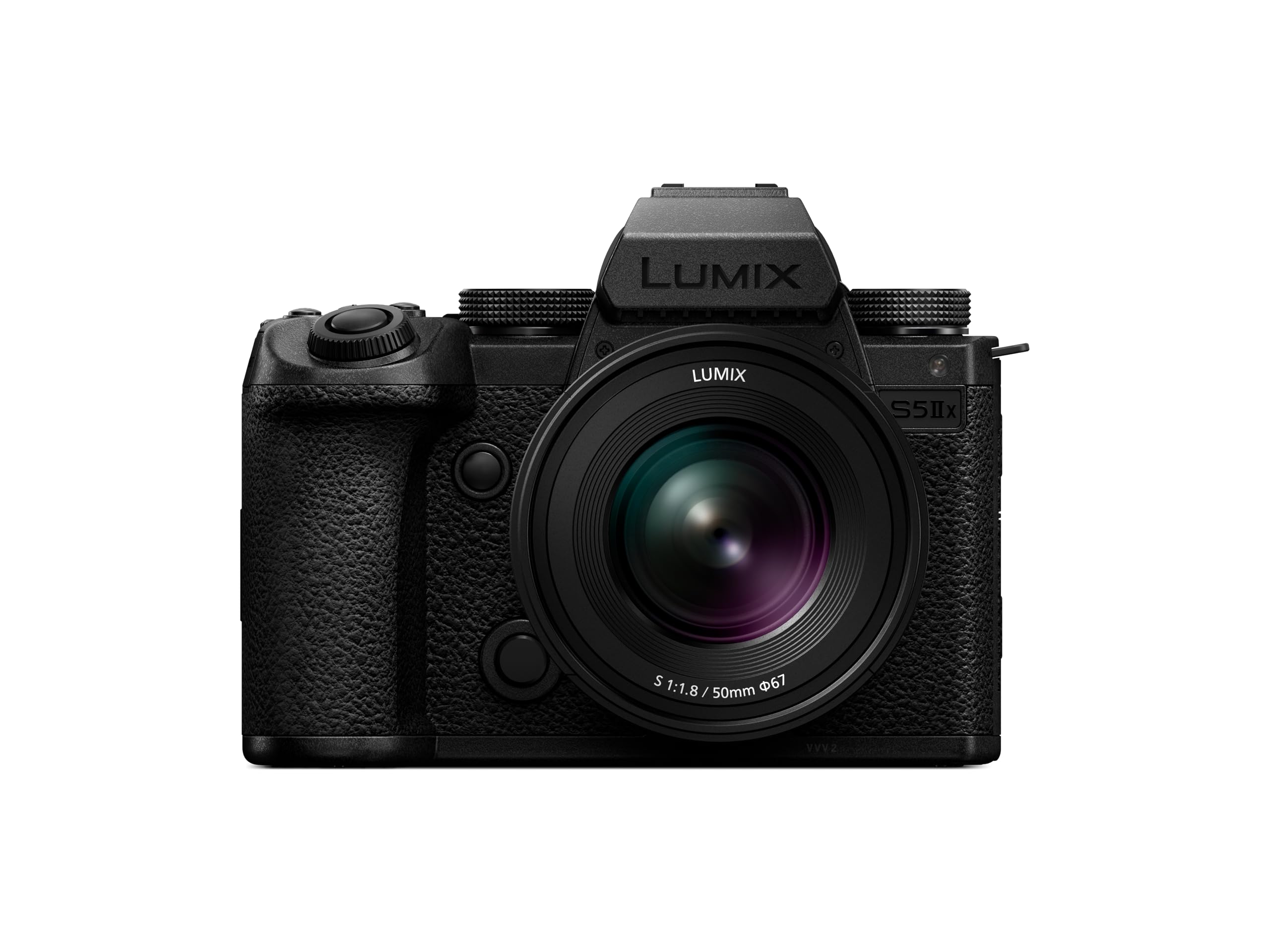
Panasonic finally addressed the autofocus concerns of birders with the S5IIX, introducing a reliable Phase Hybrid AF system. This full-frame hybrid camera is a beast for video, offering internal 5.8K Pro-Res and RAW output over HDMI, alongside unlimited recording and a built-in fan to prevent overheating. For the birder who wants to capture stunning 4K footage of nesting behaviors or flight sequences, the S5IIX is hard to beat.
The 24.2MP sensor delivers excellent dynamic range and color science, and the Active I.S. system works wonders for stabilized handheld walk-and-shoot video. The 779-point phase-detection AF provides solid subject tracking, though dedicated bird-eye tracking might require a firmware update to match the absolute consistency of Sony’s AI. The 14+ stop V-Log/V-Gamut capture gives incredible grading flexibility.
It’s a larger kit, and the native L-mount telephoto lens selection is still growing compared to Sony and Canon. For the hybrid shooter who splits their time between high-end video and still photography, the S5IIX offers unbeatable value.
Why we love it
- Professional-level video features (Pro-Res, RAW, unlimited record)
- Reliable Phase Hybrid AF system
- Excellent IBIS and Active I.S. for handheld video
Good to know
- Larger and heavier than APS-C rivals
- Native L-mount telephoto lens selection is limited
- Bird-eye AF tracking still lags behind Sony/Canon
7. Canon EOS R10

The Canon EOS R10 is arguably the best value proposition in the bird photography market right now. It packs the same DIGIC X image processor and Dual Pixel CMOS AF II system as its much more expensive siblings into a small, lightweight body. The subject detection for birds is shockingly good at this price point, locking onto feathered subjects quickly and holding them reliably during bursts. The 15fps mechanical burst is excellent for action.
The 24.2MP APS-C sensor delivers sharp, vibrant images with Canon’s renowned color science, and the 1.6x crop factor gives your lenses nice reach. The RF-S 18-150mm kit lens is a versatile starter, though you will quickly want a dedicated telephoto lens for serious birding. The controls are intuitive, and the vari-angle touchscreen makes low-angle shooting a breeze.
There is no IBIS, meaning you are reliant on lens stabilization, and the build quality is more consumer-grade than the R7. However, for the entry-level to intermediate birder looking for exceptional autofocus performance without breaking the bank, the R10 is an incredibly capable and easy recommendation.
Why we love it
- Class-leading Dual Pixel AF II for the price
- Fast 15fps continuous shooting with mechanical shutter
- Compact, lightweight, and easy to use
Good to know
- No in-body image stabilization (IBIS)
- Plastic build feels less durable than premium models
- Limited native RF-S lens ecosystem
8. Fujifilm X-T30 III
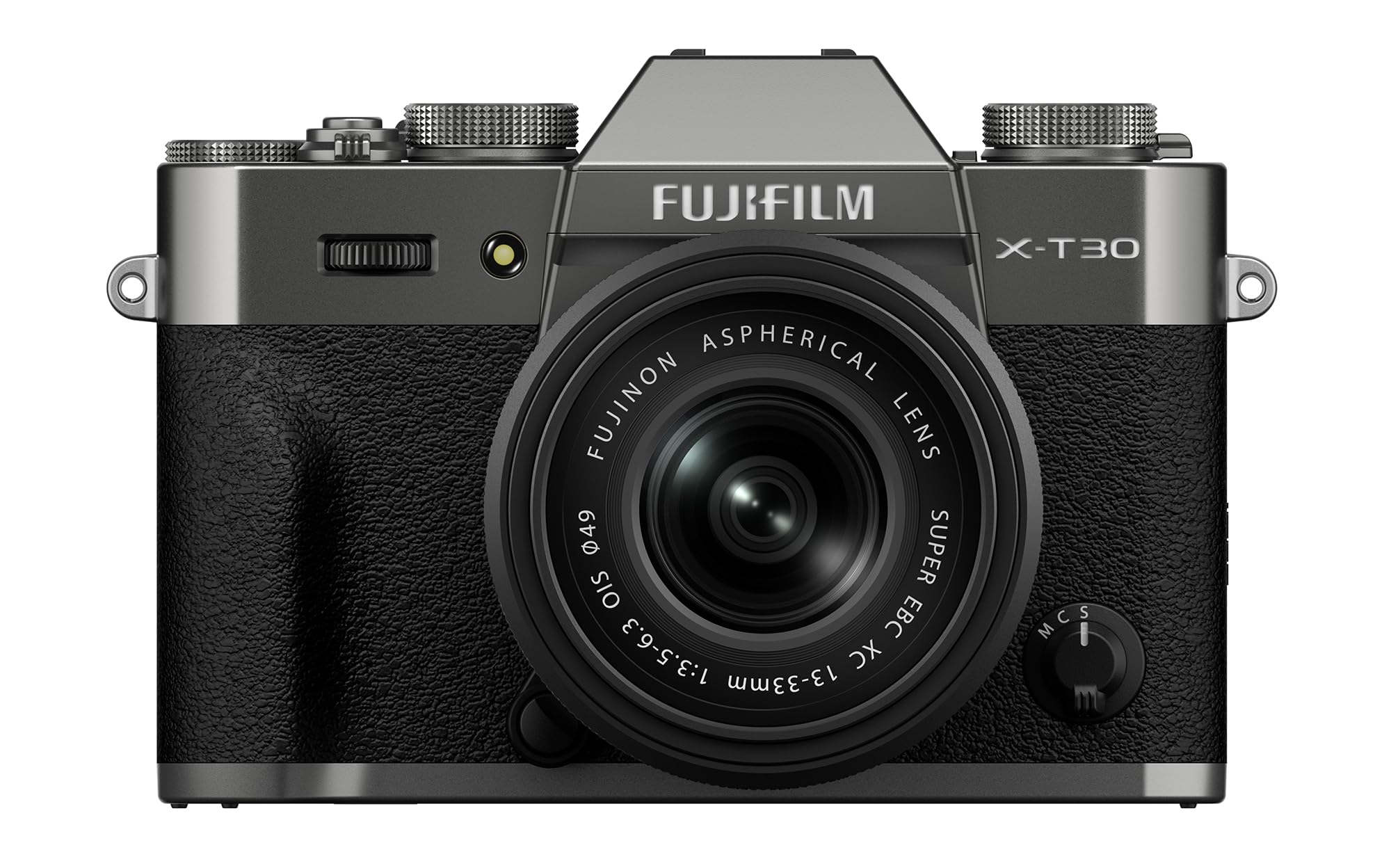
The Fujifilm X-T30 III is a compact retro-styled powerhouse that appeals to the birder who values artistry and portability. Its 26MP X-Trans BSI sensor delivers excellent image quality with Fujifilm’s legendary film simulations, meaning you can get stunning JPEGs straight out of the camera with minimal processing. The AI-powered subject detection autofocus is surprisingly capable, with a dedicated animal/bird mode that works well for slower-moving birds and perched subjects.
The camera body is remarkably small, making it an ideal second body or a travel companion for hiking to remote birding spots. The 425-point hybrid AF system is fast and responsive, and the 8fps mechanical burst (or 30fps electronic crop) is decent for action. The dials on top give you a tactile, analogue shooting experience that many photographers adore.
It lacks IBIS, and the buffer depth is limited compared to larger bodies, so long bursts can slow down. The autofocus, while good, is not as sticky for fast, erratic birds in flight as a dedicated sports camera. The X-T30 III is a fantastic creative tool for the birder who enjoys the process of photography as much as the final image.
Why we love it
- Beautiful retro design and excellent build quality
- Amazing film simulations for great out-of-camera JPEGs
- Compact and lightweight, perfect for travel
Good to know
- No IBIS, lens stabilization is required
- Small buffer depth for continuous bursts
- AF not as reliable for fast BIF as top competitors
9. OM SYSTEM OM-5
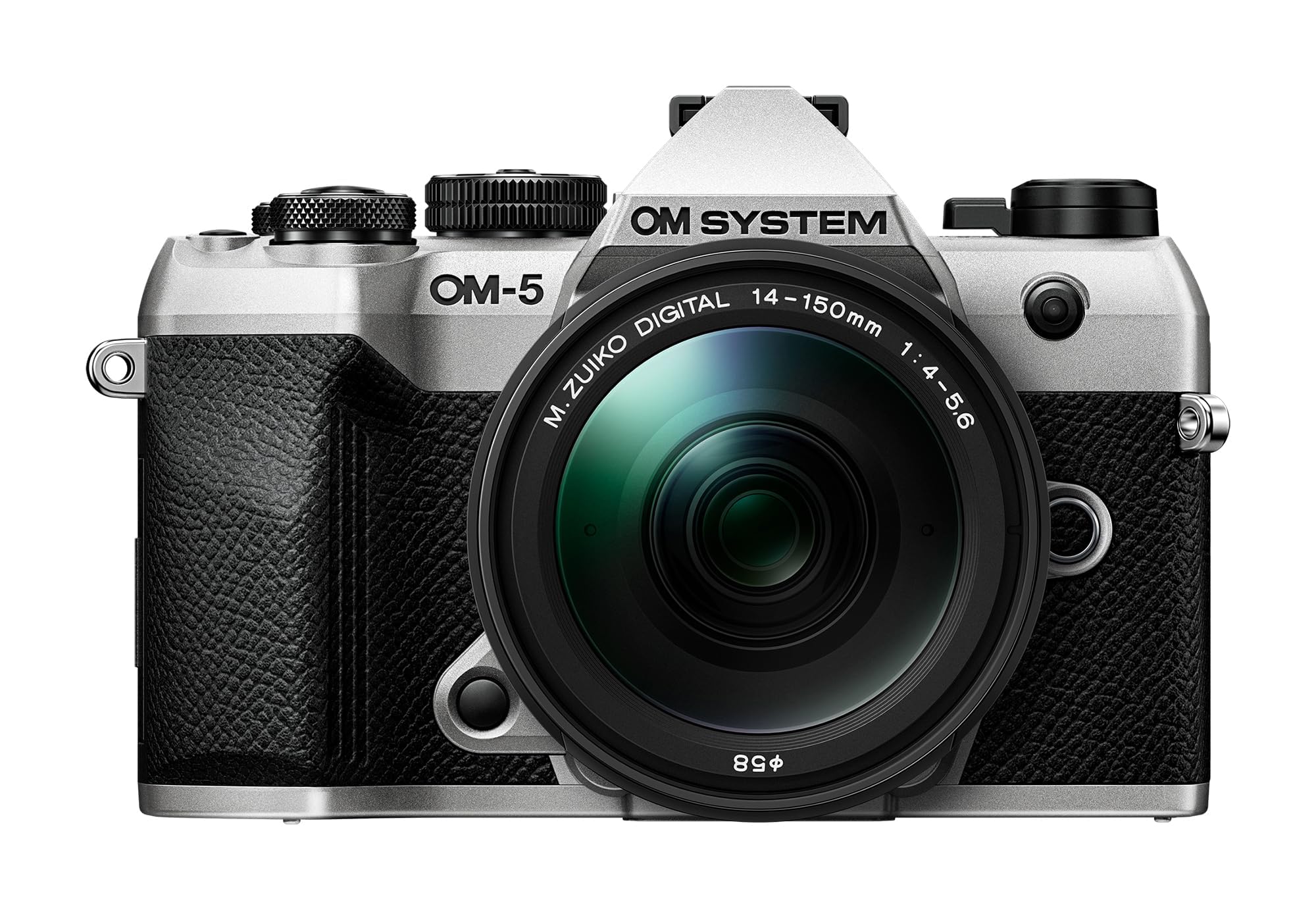
The OM SYSTEM OM-5 is the ultimate lightweight adventure companion for the traveling birder. It offers a 20MP Micro Four Thirds sensor with a 2x crop factor, giving you incredible telephoto reach in a body that weighs next to nothing. The IP53 weather sealing means you can confidently pull it out in a downpour or dusty environment without worrying about damaging the electronics.
It features a 121-point cross-type phase-detection AF system that is quick and accurate. The computational photography features are a highlight, including Handheld High-Res Shot, Live ND, and Focus Stacking, which are incredibly useful for creative bird-in-environment shots. The 5-axis IBIS is excellent, providing sharp results with long telephoto lenses.
The smaller sensor is a limiting factor in low light, showing noticeable noise above ISO 3200. The autofocus, while capable, does not have the dedicated bird-eye AI of the flagship OM-1 II. The OM-5 is a specialized tool that excels for the travel-focused photographer who prioritizes lightweight portability and weather resistance above absolute low-light performance.
Why we love it
- Extremely compact and lightweight for amazing reach
- Excellent IBIS and computational features
- Professional-grade IP53 weather sealing
Good to know
- Smaller sensor struggles in low light
- No dedicated bird-eye AF like the OM-1 II
- Menu system can be complicated
10. Panasonic LUMIX S9

The Panasonic LUMIX S9 brings a full-frame sensor to a truly compact body, making it an interesting option for the birder who wants a capable everyday camera that can also handle bird photography. The 24.2MP sensor delivers beautiful full-frame depth of field and excellent dynamic range. The Real-Time LUT feature allows you to apply custom color grades directly in-camera, speeding up your workflow and creating unique looks straight out of the camera.
The S9 features a 255-point DFD autofocus system that is fast for static subjects and slow movement. It lacks a built-in electronic viewfinder, which is a significant ergonomic drawback for shooting in bright sunlight when tracking birds. The 5-axis IBIS helps stabilize your composition, and the compact size makes it easy to carry a telephoto lens attached.
This is not a dedicated birding body. The lack of a viewfinder and the contrast-based DFD autofocus (though generally reliable) are not ideal for fast BIF. The S9 is best suited for the birder who wants a stylish, compact full-frame camera for general photography and occasional birding.
Why we love it
- Very compact full-frame body with excellent image quality
- In-body image stabilization (IBIS) for steady shots
- Innovative Real-Time LUT feature for custom color
Good to know
- No built-in electronic viewfinder (EVF)
- Autofocus not ideal for fast birds in flight
- Single memory card slot
11. Canon EOS RP

The Canon EOS RP is the most affordable entry point into full-frame mirrorless photography, making it a tempting option for budget-conscious birders. Its 26.2MP sensor delivers lovely colors and great dynamic range, and the Dual Pixel CMOS AF system provides reliable and smooth autofocus for perched birds and slower subjects. The camera is incredibly compact and lightweight for a full-frame body.
The RF 24-105mm F4-7.1 kit lens offers a versatile zoom range, but for bird photography, you will absolutely need a dedicated telephoto lens. The 4K video is heavily cropped and lacks the advanced subject tracking of newer cameras. The burst rate is limited to around 5fps, which significantly hinders your ability to capture fast action like birds taking flight.
This is a great camera for landscape, portrait, and general photography, but its slow burst rate and outdated AF system make it a challenging choice for dedicated bird photography. It works best for the beginner who wants to start with a full-frame camera and occasionally photograph birds.
Why we love it
- Affordable full-frame entry point
- Excellent Canon color science and image quality
- Compact and lightweight body
Good to know
- Slow burst rate (5fps) limits action photography
- No subject detection for birds
- 4K video has a heavy crop factor
12. Nikon Z 50

The Nikon Z 50 is a well-built, compact APS-C camera designed for ease of use and portability. Its 20.9MP DX sensor produces sharp, clean images with Nikon’s excellent metering and color accuracy. The 11fps burst rate with continuous autofocus is respectable for the price, and the 209-point phase-detection AF system covers a wide area of the sensor for reliable tracking.
The camera feels solid in the hand and features a nice flip-down touchscreen for selfies or vlogging. It is compatible with Z-mount lenses, and via the FTZ adapter, it can use Nikon’s vast F-mount lens library. The 1.5x crop factor gives a nice reach boost to telephoto lenses.
The autofocus system lacks the advanced AI subject detection found in newer models, making it less effective for tracking small, fast-moving birds against complex backgrounds. The selection of native DX Z-mount lenses is still very limited. The Z 50 is a fantastic travel camera or a solid entry point into the Nikon mirrorless system for general use and casual birding.
Why we love it
- Compact, durable, and comfortable to hold
- Good image quality with Nikon color science
- Compatible with F-mount lenses via adapter
Good to know
- Limited native DX Z-mount lens selection
- AF lacks advanced subject detection for birds
- No IBIS, relies on lens stabilization
13. Sony Alpha a6400

The Sony Alpha a6400 remains a fantastic entry-level camera for the aspiring bird photographer on a tight budget. Its 24.2MP APS-C sensor produces sharp, high-quality images, and the 425-point phase-detection autofocus system is fast and responsive. It features Sony’s Real-Time Eye AF for animals, which, while not as sophisticated as the AI in the A6700, still does a commendable job locking onto the eyes of perched birds.
The 11fps burst rate with continuous AF is solid for action, and the 1.5x crop factor leverages Sony’s excellent E-mount telephoto lens ecosystem, including the popular 200-600mm G lens. The tilting screen is useful for getting low-angle shots. It offers great image quality and autofocus performance for its price point.
It lacks IBIS, so good shooting technique or a stabilized lens is necessary. The single UHS-I card slot is slow, and the menu system is notoriously dated. The a6400 is a proven workhorse that offers the best value for someone looking to start seriously shooting birds without a huge upfront investment.
Why we love it
- Excellent autofocus with Real-Time Eye AF for animals
- Great image quality from the 24.2MP sensor
- Access to Sony’s fantastic E-mount lens lineup
Good to know
- No in-body image stabilization (IBIS)
- Outdated menu system and single UHS-I card slot
- Small buffer depth for continuous RAW bursts
Safety & Care Tips for Your Gear
Protecting your mirrorless camera and lenses is essential for reliable performance in the field. Here are some critical tips to keep your gear safe.
Weather Sealing & Rain Covers
Even if your camera claims IP53 weather sealing, a physical rain cover offers the best protection during a downpour. Moisture is the enemy of electronics and lens coatings, so always dry your gear thoroughly before storing it in your bag. For dusty environments, avoid changing lenses frequently to prevent debris from entering the sensor chamber.
Sensor Cleaning & Maintenance
Switching lenses in the field inevitably introduces dust. Use a rocket blower first to dislodge loose particles before they get embedded by the shutter. For stubborn spots, a proper wet sensor cleaning kit is a necessary skill to learn. Always lock up the mirror/shutter and turn off the camera during cleaning to avoid electrostatic attraction.
Battery Life Management
Cold weather drastically reduces battery performance. Keep spare batteries in an insulated pocket close to your body to maintain temperature. Consider a battery grip for extended all-day shoots. Always fully format your memory cards in-camera before a major session to prevent file system errors and ensure maximum write speed.
Telephoto Lens Handling
Large telephoto lenses put stress on the camera lens mount. Always support the lens by its tripod collar or lens foot, never carry the setup by the camera body alone. Use a sturdy monopod or tripod for heavy lenses to reduce fatigue and minimize shake. Store lenses vertically with the mount side down to reduce dust ingress.
FAQ
What sensor size is best for bird photography?
How many frames per second do I need for birds in flight?
Why is subject detection important for bird photography?
Do I need a telephoto lens for bird photography?
Final Thoughts: The Verdict
For most bird photographers, the winner for the best mirrorless camera for bird photography is the Sony Alpha 6700 because it combines the best overall package of AI autofocus, image quality, and portability. If you prioritize the fastest burst rates and want the ultimate tool for capturing action, grab the OM SYSTEM OM-1 Mark II. And for those seeking the highest resolution for heavy cropping, nothing beats the Fujifilm X-H2.