
Choosing a dog food based on sustainability means weighing more than just the protein content — you are evaluating the full environmental cost of every ingredient, from agricultural water use to greenhouse gas emissions tied to livestock production. Plant-based recipes offer a direct path to lowering your dog’s dietary carbon footprint, but not all formulas are created equal when it comes to digestibility, complete amino acid profiles, and sourcing ethics.
I’m Mo Mahin — the founder and writer behind Furric. I’ve spent years analyzing pet food supply chains, cross-referencing nutritional adequacy statements with third-party sustainability certifications, and tracking how ingredient sourcing affects both digestibility scores and environmental impact metrics.
After comparing formulas on protein completeness, carbon footprint claims, and ingredient transparency, here are my picks for the best plant-based dog food for sustainability that balances ethical sourcing with complete, balanced nutrition your dog will actually eat.
How To Choose The Best Plant-Based Dog Food For Sustainability
Not every plant-based kibble delivers on its environmental promises. Some rely on heavily processed starches and synthetic additives that carry their own ecological baggage. To separate genuinely sustainable formulas from marketing-driven labels, focus on these three criteria.
Complete Protein and Amino Acid Profiles
Dogs require ten essential amino acids, including taurine and L-carnitine, which are naturally abundant in animal tissue. A sustainable plant-based formula must supplement these nutrients explicitly — check for added taurine, methionine, and lysine on the guaranteed analysis. Without these additions, the recipe cannot support long-term heart and muscle health regardless of how eco-friendly the ingredients appear.
Ingredient Sourcing and Supply Chain Transparency
Sustainability hinges on where and how ingredients are grown. Look for brands that disclose their sourcing regions, use regeneratively farmed grains or legumes, and avoid palm oil linked to deforestation. A bag that lists “peas” without geographic origin may still carry a significant transport carbon footprint if those peas traveled from overseas rather than from domestic farms.
Packaging and Manufacturing Footprint
The kibble itself accounts for only part of the environmental impact. Examine whether the brand uses recyclable or compostable packaging, operates manufacturing facilities powered by renewable energy, or publishes formal sustainability reports. A formula that scores high on ingredient ethics but ships in non-recyclable multi-layer plastic undermines its own environmental mission.
Quick Comparison
On smaller screens, swipe sideways to see the full table.
| Model | Category | Best For | Key Spec | Amazon |
|---|---|---|---|---|
| Open Farm Kind Earth | Premium Plant-Based | Full sustainability transparency | 20 lb bag, ancient grains, vet-formulated | Amazon |
| Halo Holistic Plant-Based | Premium Digestive Health | Digestive sensitivity with superfoods | 21 lb bag, adult formula, 100% complete | Amazon |
| Earthblend Natural | Mid-Range Natural | All life stages with superfoods | 16 lb bag, chicken & turkey flavor | Amazon |
| Benevo Original Adult | Entry-Level Vegan | Budget-friendly vegan transition | 1.8 kg bag, complete adult formula | Amazon |
| V-dog Vegan Mini Kibble | Small Breed Specific | Small breed sensitive stomachs | 4.5 lb bag, taurine added, US-made | Amazon |
In‑Depth Reviews
1. Open Farm Kind Earth Plant Based Dry Dog Kibble

Open Farm leads this category because it goes beyond a simple “vegan” claim — the brand publishes specific data on greenhouse gas emission reductions, land-use savings, and water conservation tied to its plant-based recipe. The Kind Earth formula uses ancient grains as its carbohydrate base, which offers a lower glycemic response compared to white rice or potato starch, and the protein is built from peas and chickpeas supplemented with synthetic amino acids to meet AAFCO requirements for all life stages.
Sourcing transparency is the strongest differentiator here. Open Farm traces every ingredient back to the farm level and uses only ethically sourced, non-GMO inputs. The 20-pound bag size is practical for multi-dog households, and the kibble texture is uniformly sized for medium to large breeds without excessive dust at the bottom of the bag. The company also offsets shipping emissions through verified carbon credits, closing the loop on its sustainability promise.
Some dogs transitioning from high-meat diets may experience loose stools during the first week due to the higher fiber content from legumes and ancient grains. Mixing with the previous food over 10–14 days mitigates this adjustment period. Owners of extremely active working breeds may need to monitor calorie density, as the plant-based protein concentration is slightly lower than high-meat alternatives.
Why we love it
- Full supply chain transparency with farm-level ingredient tracing
- Published carbon footprint and resource-use reduction data
- Vet-formulated with added taurine and balanced amino acids
Good to know
- Higher fiber content requires gradual dietary transition
- 20 lb bag may be too large for single small-breed households
2. Halo Holistic Plant-Based Recipe With Superfoods

Halo’s plant-based formula differentiates itself through a targeted digestive health approach — the recipe includes a proprietary blend of probiotics, pumpkin, and prebiotic fibers designed to support gut microbiome balance. The 21-pound bag provides roughly 25% more volume than the Open Farm offering, making it a practical mid-tier option for households with multiple medium-sized dogs. The kibble shape is smaller and flatter, which improves chewability for senior dogs with dental sensitivity.
Halo sources its peas and lentils from North American farms and avoids any ingredients linked to overseas deforestation. The brand also uses 100% recyclable paper bags for its dry food line, eliminating the plastic liner found in many competing products. The formula is AAFCO-approved for adult maintenance, though the protein and fat ratios are lower than the Open Farm recipe, which may not suit all high-energy breeds without supplementation.
Palatability is generally high for a plant-based kibble, though some owners report that picky dogs accustomed to meat-heavy diets take longer to accept this formula. The superfood mix includes blueberries, cranberries, and spinach, which add antioxidant diversity but increase the cost per pound compared to basic legume-based recipes. Transition time is typically 7–10 days when mixing with the previous diet.
Why we love it
- Recyclable paper packaging eliminates plastic waste
- Probiotic blend supports digestive health during dietary change
- Small, flat kibble shape suitable for seniors and small mouths
Good to know
- Lower protein density may not sustain very active working dogs
- Pickier eaters may need longer transition period
3. Earthblend Natural Dog Food
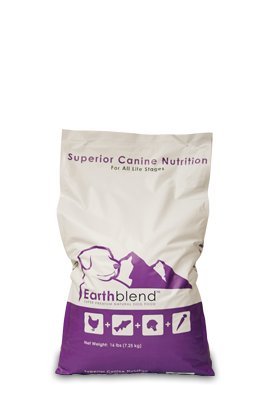
Earthblend occupies a unique space as a natural, superfood-enriched formula that bridges conventional and plant-forward nutrition. While it includes chicken and turkey as primary protein sources, the recipe is notably packed with blueberries, cranberries, pumpkin, broccoli, and beta carotene — ingredients typically associated with premium plant-based blends. The 16-pound bag is priced well below premium plant-only formulas, making it accessible for budget-conscious owners seeking higher sustainability in their dog’s diet without going fully vegan.
The inclusion of dried acidophilus, aspergillus, and trichoderma provides a microbial diversity that supports digestive function, which is especially helpful for dogs transitioning to higher-fiber diets. Earthblend sources its grains and vegetables domestically where possible, reducing transport emissions compared to imported alternatives. The kibble is a medium-sized granule suitable for all breed sizes, and the formula covers all life stages from puppy to senior.
Because this is not a fully vegan formula, sustainability gains are limited to the vegetable and superfood component rather than eliminating animal agriculture entirely. Owners seeking a strict plant-based diet will need to look at other options, but those looking to reduce animal protein percentage while keeping meat in the rotation will find this a cost-effective compromise. The bag does not include recyclable packaging details, so disposal footprint is unclear.
Why we love it
- Broad superfood profile at an entry-level price point
- Probiotic enzymes support digestive adaptation to higher fiber
- Covers all life stages in a single formula, reducing packaging waste
Good to know
- Contains chicken and turkey, not suitable for fully plant-based diets
- No published sustainability or sourcing transparency data
4. Benevo Dry Dog Food Original Complete Adult

Benevo is one of the longer-running dedicated vegan dog food brands, and its Original Adult formula provides a complete plant-based protein profile using maize, soya, and rice as base ingredients. The 1.8 kg bag is intentionally compact for owners with small dogs or those wanting to trial a vegan diet without committing to a large volume. The formula includes supplemental taurine and methionine to ensure amino acid adequacy, and it meets FEDIAF (European) nutritional standards.
The sustainability profile of Benevo hinges on its UK manufacturing location, which reduces transatlantic shipping emissions for European buyers. The brand uses a simple, recyclable paper bag without a plastic inner liner, directly addressing plastic waste concerns. However, the reliance on soya — even if non-GMO — introduces land-use considerations that some sustainability-focused owners may want to weigh against pea- or lentil-based alternatives from other brands.
Because soya is a common allergen in dogs, transition should be monitored carefully for signs of skin irritation or digestive upset. The kibble size is small and uniform, working well for breeds under 25 pounds but potentially too fine for large breeds that prefer chunkier textures. The 1.8 kg size also means more frequent reordering, which adds per-delivery packaging waste compared to larger bags.
Why we love it
- Simple recyclable paper packaging reduces plastic waste
- Low commitment size ideal for dietary trials
- Established vegan formulation with added taurine
Good to know
- Small bag size increases ordering frequency and per-delivery packaging
- Soya base may trigger allergies in sensitive dogs
5. V-dog Vegan Mini Kibble Dry Dog Food

V-dog’s Mini Kibble is specifically designed for small breed dogs, with a kibble size of roughly 7mm to accommodate smaller jaw structures and reduce choking risk. The formula uses peas, lentils, and brown rice as primary ingredients, with added taurine at levels that meet AAFCO requirements for canine cardiac health. The 4.5-pound bag is the smallest in this lineup, which makes it an ideal trial size but also the least efficient in terms of packaging-to-food ratio over time.
The brand manufactures entirely in the United States using domestically sourced grains and legumes, which keeps transport emissions lower than imported alternatives. V-dog does not use any soy, corn, or wheat in its recipe, reducing the risk of common grain-related sensitivities. The recipe is also free from artificial preservatives, colors, and flavors, which aligns with the sustainability goal of minimizing synthetic chemical inputs in the supply chain.
The 4.5-pound bag is priced competitively, but because small breed dogs typically require fewer calories per day, this bag can still last 3–4 weeks for a 10-pound dog. Larger small breeds or multi-dog households will need multiple bags per month, which multiplies packaging waste. The formula is not designed for large breeds or high-activity dogs, so owners with more than one breed size may need to purchase separate diets.
Why we love it
- US-made with domestic ingredients reduces shipping footprint
- Small kibble size specifically engineered for toy and small breeds
- No soy, corn, or wheat — low allergen profile
Good to know
- Small bag size increases per-serving packaging waste
- Not nutritionally appropriate for medium or large breed dogs
FAQ
Can a plant-based diet really meet all of my dog’s nutritional requirements?
How do I know if a plant-based dog food is truly better for the environment?
Will my dog get enough protein from a plant-based kibble?
What is the best way to transition my dog to a plant-based diet without digestive upset?
Final Thoughts: The Verdict
For most households looking to reduce their dog’s dietary carbon footprint while maintaining complete nutrition, the best plant-based dog food for sustainability winner is the Open Farm Kind Earth because it combines published environmental impact data, farm-level supply chain transparency, and a vet-formulated amino acid profile that meets AAFCO standards for all life stages. If your dog has a sensitive stomach and you want recyclable packaging, grab the Halo Holistic Plant-Based instead. And for owners of small breeds on a tighter budget, nothing beats the convenience and breed-specific sizing of the V-dog Vegan Mini Kibble.