
Keeping Cherry Shrimp vibrant means matching them with aquarium plants that won’t rot in low light, melt from soft water, or harbor predators. Wrong plants create ammonia spikes, lethal pH swings, and hiding spots for planaria — right ones stabilize the water column and become a grazing buffet without the mess.
I’m Mo Mahin — the founder and writer behind Furric. My market research process compares tissue culture purity, leaf durability under gentle flow, and rhizome anchoring needs specifically for neocaridina-safe aquascapes.
After studying owner feedback across dozens of freshwater setups, the cleanest path to a stable tank is knowing the handful of aquatic species that tolerate cherry shrimp conditions without compromise. I built this guide around the best plants for cherry shrimp based on survival rate data and long-term ease ratings from aquascapers.
How To Choose The Best Plants For Cherry Shrimp
Cherry shrimp need plants that tolerate pH between 6.5 and 7.5, soft to moderately hard water, and temperatures between 72°F and 78°F. The wrong plant either melts in these conditions or grows so fast it demands CO2 injection and high light — two things that stress shrimp. Focus on three decision points below.
Epiphytic versus Rooted Species
Rhizome plants like Anubias and Bucephalandra do not need nutrient-rich substrate. They attach to wood or rock, suck nutrients from the water column, and their tough leaves resist algae that shrimp clean off. Rooted stem plants (limnophila, hygrophila) need deep gravel and often shed lower leaves, creating detritus that fouls a shrimp tank.
Tissue Culture Versus Pots Versus Bare Root
Tissue culture arrives sterile from a lab — zero snails, zero algae spores. Pots and bare-root plants carry risk of hydra, planaria, or trumpet snails that predate shrimp eggs. If your tank has expensive cherry strain genetics, tissue culture or visibly clean vendor pots are the safer bet.
Floating Canopy Value
Floaters like red root floater block light hungry algae from taking hold, provide refuge for shrimplets near the top, and consume nitrate faster than any submerged stem plant. But they require low surface agitation — strong flow flips them, kills leaves, and fouls the water. Match the floater choice to your filter type.
Quick Comparison
On smaller screens, swipe sideways to see the full table.
| Model | Category | Best For | Key Spec | Amazon |
|---|---|---|---|---|
| Christmas Moss on Driftwood | Pre‑Attached Moss | Instant shrimp grazing ground | Pre‑attached to driftwood | Amazon |
| Red Root Floater | Floating | Nitrate control and shade | 60+ leaves per cup | Amazon |
| Bucephalandra Kedagang Japan | Tissue Culture | Sterile, pest‑free aquascaping | Lab grown in vitro | Amazon |
| Anubias Barteri Pot | Potted Rhizome | Broad leaf coverage for shrimp | 2‑inch full pot | Amazon |
| Anubias Nana Petite | Potted Rhizome | Foreground detail on wood | 20–30 leaves per pot | Amazon |
In‑Depth Reviews
1. Christmas Moss on Driftwood
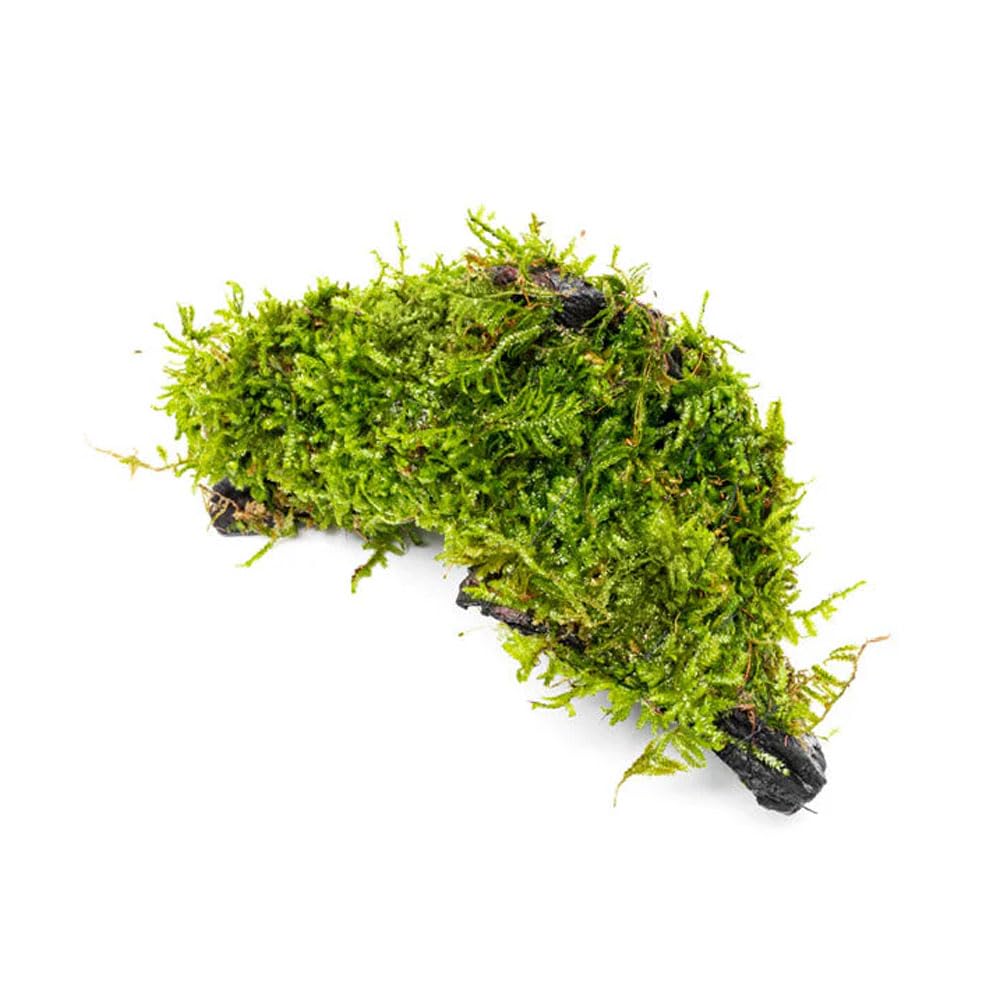
This is Vesicularia montagnei already attached to natural driftwood — skip the glue step. Shrimp immediately graze its fine fronds for biofilm and micro‑particles. The wood itself releases lignin and tannins that improve shrimp digestion and buffer soft water without crashing pH.
SubstrateSource adds heat packs in cold weather, which matters because moss browns if chilled below 35°F during transit. Owners report that surviving clumps grab onto wood fibers within two weeks and spread enough to cover a 4×4 inch foreground patch under low light (no CO2). Just drop it in and trim the overgrowth once monthly.
One caution: the driftwood piece varies. Some buyers received a 3‑inch log — others got a 6‑inch branch. If you need a specific tank dimension, message the seller before ordering. On the plus side, the dark wood contrasts well against red cherry shrimp, making them pop visually.
Why we love it
- No glueing or tying required — ready in seconds
- Moss stays green under standard LED strip light
- Wood provides natural tannins that boost shrimp health
Good to know
- Driftwood size not consistent between packs
- Can shed loose moss bits for the first few days
2. Red Root Floater – 60+ Leaves
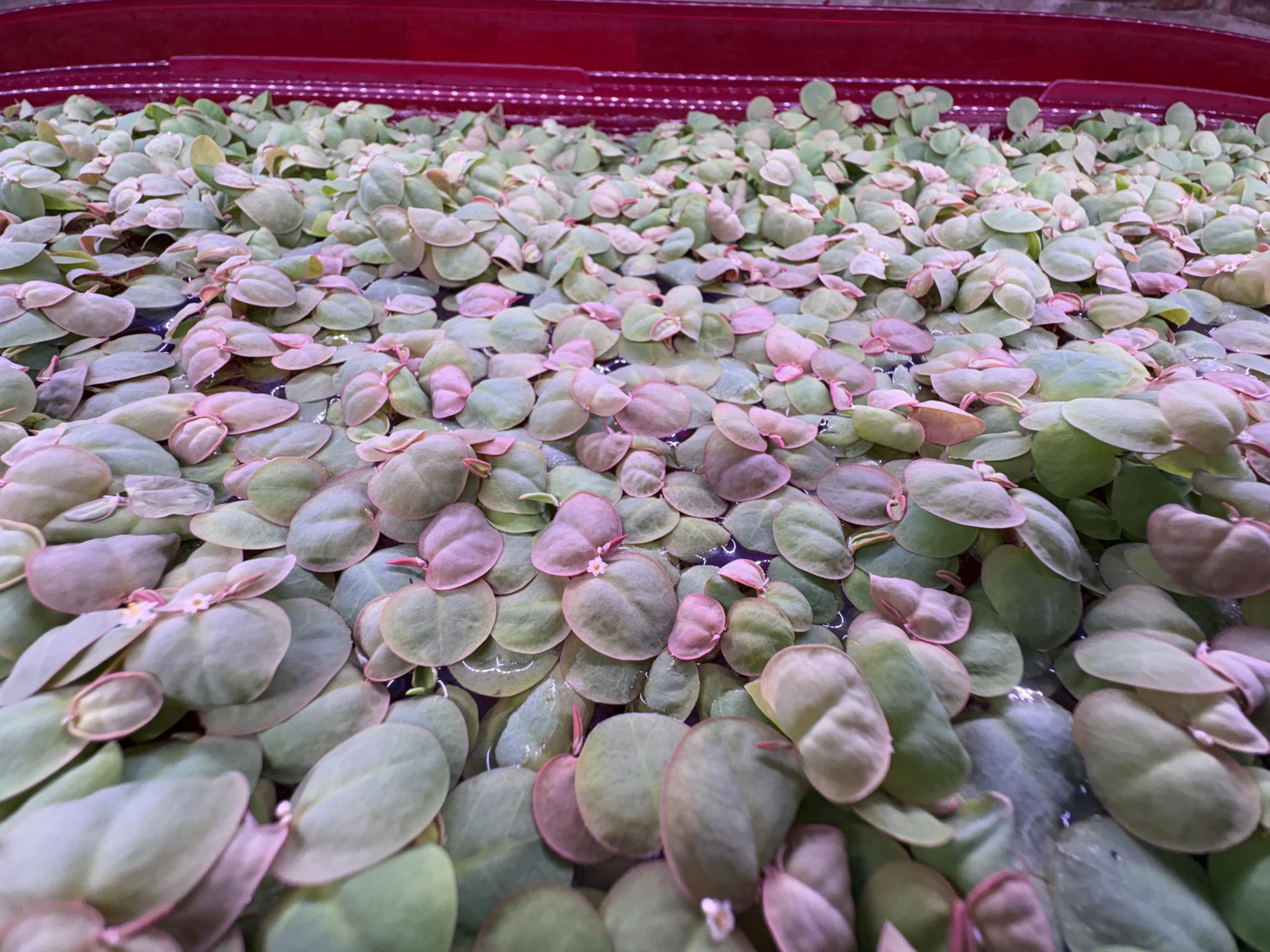
Phyllanthus fluitans produces roots that reach down 2‑3 inches — shrimplets cling to these root tendrils near the surface, avoiding bottom‑dwelling predators. The red underside intensifies under strong light with low nitrate levels. Many shrimp keepers trim nitrate to 5 ppm to trigger coloration without starving the colony.
The 4 oz cup holds roughly 60 leaves that spread via runners and can cover a 6×6 inch surface in two weeks under moderate light. But this plant absolutely hates surface agitation. If your filter spills water from above or creates ripples, the leaves flip upside down and rot within days. HOB or canister returns need a baffle or a calm corner.
A few buyers noted trumpet snails arrived with the cup — not a risk for shrimp directly, but snails can overpopulate if you do not control feeding. Also, count is based on leaves, not rooted plants. Each runner holds several leaves, so what looks like “many” may actually be a few small clumps. Trim runners to propagate before they melt.
Why we love it
- Shrimplets hide among hanging roots near the surface
- Red color adds dramatic contrast to green tanks
- Rapid nitrate consumption helps stabilize water
Good to know
- Very sensitive to surface agitation and flipping
- May arrive with small trumpet snails
3. Bucephalandra Kedagang Japan – Tissue Culture
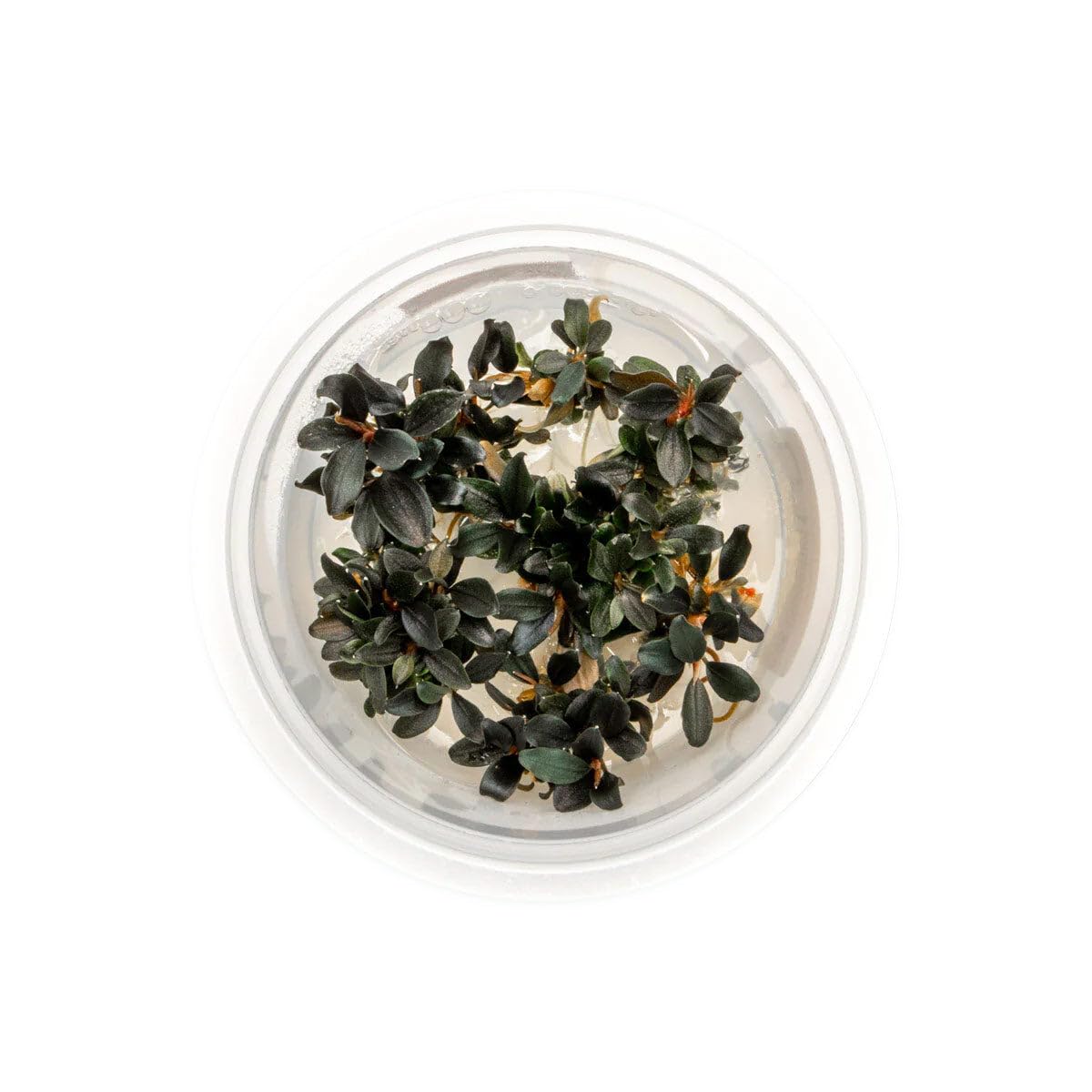
This Bucephalandra Kedagang Japan variant has narrow leaves with red tones on the edges and dark green centers. Grown in vitro, it is 100 percent free of snails, hydra, planaria, and algae — critical for shrimp tanks where every hitchhiker counts. Rinse the gel off in tank water, separate the clumps, and attach to hardscape without burying the rhizome.
Growth is slow — expect about one new leaf every three to four weeks under low to medium light (six to eight hours daily). That low metabolic rate makes it ideal for low‑tech tanks with minimal nutrient dosing. The small cup contains 6–8 plantlets that can be split into two or three separate anchoring points across driftwood.
Some shipments arrived with wilted leaves, but the rhizomes and roots remained healthy green. After a week in stable water (pH 6.8, GH 7), new growth emerged from the rhizome nodes. Avoid high light — Buce melts if exposed to PAR above 50. Place under an overhang or behind a taller plant for best results.
Why we love it
- Zero snails or parasites guaranteed by sterile lab cultivation
- Red‑tinted leaves create visual interest without demanding high light
- Rhizome structure withstands soft water conditions
Good to know
- Very slow growth requires patience for full ground cover
- Leaves may wilt during shipping but rhizome bounces back
4. Marcus Fish Tanks – Anubias Barteri Pot

Anubias Barteri offers the largest leaf surface of any entry‑level shrimp plant — each broad leaf provides a grazing platform for cherry shrimp to scrape biofilm and algae. The pot is approximately 2 inches wide with multiple stems emerging from a single rhizome. Unpot it, attach to wood with cotton thread, and keep the rhizome above the substrate line.
Marcus Fish Tanks includes a live arrival guarantee as long as temperatures stay above 20°F during delivery. Buyers consistently report that these plants arrive full, vibrant, and free of yellowing or melt. Multiple reviewers mention the roots are well‑developed and the stems are thick enough to separate into two or three individual plants without breaking.
One potential issue: the broad leaves collect detritus more easily than narrow‑leaf anubias varieties. Use a turkey baster to blow off debris during weekly water changes. Also, because the leaves are large, they cast shadows on plants below, so position this at midground or background to avoid blocking light from foreground species.
Why we love it
- Large leaves give shrimp the most surface area to graze
- Live arrival guarantee covers cold‑weather shipping
- Consistent size and health across multiple orders
Good to know
- Broad leaves trap mulm — needs manual cleaning
- Not ideal for foreground planting due to shade cast
5. Marcus Fish Tanks – Anubias Nana Petite Pot

Anubias Nana Petite is the dwarf version — individual leaves rarely exceed 1 inch long, making it perfect for attaching to small driftwood branches or rock crevices in the foreground. The pot ships with 20–30 leaves densely packed, and buyers often split them into two separate clumps to cover more hardscape area.
Reviews consistently praise the packaging: plants arrived early, still vibrant, with strong roots even after four days in transit. The compact growth habit means no messy trimming. Under low light (around 20 PAR) it keeps its dark green hue without stretching. Cherry shrimp swarm these tiny leaves daily, picking off biofilm without disturbing the plant.
This species does not survive heavy direct light — high PAR melts the small leaves quickly. Place it in a shaded corner or behind taller plants. Also, since it grows very slowly (one leaf per month), do not expect immediate coverage. It fills in over six to eight months, creating a dense low carpet that shrimp love.
Why we love it
- Tiny leaves fit small nano tanks or foreground spots
- Ships with strong roots and no melt
- Thrives in very low light without additional feeding
Good to know
- Extremely slow growth requires months to establish
- Leaves burn under moderate to high PAR light
FAQ
Will Anubias nana petite grow fast enough to handle my shrimp bioload?
Can I put Christmas moss in a tank with sponge filter surface agitation?
How do I attach Bucephalandra to driftwood without it falling off?
Final Thoughts: The Verdict
For most shrimp keepers, the plants for cherry shrimp winner is the Christmas Moss on Driftwood because it arrives completely ready, adds tannins to the water, and creates an immediate grazing zone that shrimplets use within hours. If you want a floating nitrate vacuum with a visual pop, grab the Red Root Floater. And for a sterile, parasite‑free starter for your hardscape, nothing beats the Bucephalandra Kedagang Japan tissue culture.