
Every reef keeper knows the sinking feeling of watching a sand storm consume a meticulously scaped tank. The wrong substrate can cloud your water, crash your parameters, and stress every inhabitant. But the right one creates a stable, thriving foundation that your corals, fish, and cleanup crew will thank you for.
I’m Mo Mahin — the founder and writer behind Furric. I’ve spent years analyzing reef tank substrates, consulting with marine biologists, and studying feedback from thousands of reef keepers to understand what truly delivers a healthy, beautiful sand bed.
After thoroughly researching grain sizes, buffering capacity, and reef keeper feedback, I found the best reef tank sand options that truly deliver.
How To Choose The Best Reef Tank Sand
Selecting the right substrate goes far beyond looks. The sand you choose directly affects your water chemistry, biological filtration, and the long-term health of every creature in your reef. Here is what matters most.
Grain Size and Composition
Fine sands (0.5–1 mm) look natural and are ideal for burrowing fish and invertebrates, but they can blow around in high-flow tanks. Coarser grains (1–2 mm) stay put under strong wavemakers and are easier to vacuum, though they may feel less natural to sand-sifting species. The grain size also determines how much detritus settles versus gets trapped. Oolitic aragonite sands offer a smooth, spherical grain that minimizes compaction while maximizing surface area for beneficial bacteria.
Buffering Capacity and pH Stability
Aragonite-based sands are the gold standard for reef tanks because they slowly dissolve to release calcium carbonate, helping maintain a stable pH around 8.2. This buffering effect is vital for coral growth and overall water stability. Silica sands and inert substrates offer no buffering and may require additional supplementation to keep parameters in check. If you keep stony corals or sensitive invertebrates, aragonite sand is not optional — it is essential.
Biological Filtration Benefits
Live sands contain millions of beneficial marine bacteria that jump-start the nitrogen cycle and reduce the time before you can add livestock. Dry aragonite sands will also colonize over time, but live options give your tank a head start. The porosity of the sand grains directly impacts how much surface area is available for nitrifying bacteria — more porosity means better filtration capacity and a more resilient system.
Aesthetic and Maintenance Considerations
White sands brighten the tank and reflect light beautifully, but they show waste more easily. Black or natural-tone sands hide detritus well and create striking contrast against colorful corals. Pre-washed sands save significant setup time and reduce initial cloudiness. Consider your maintenance style: deeper sand beds require more careful cleaning to avoid anaerobic pockets, while shallow beds (1–2 inches) are simpler to maintain but offer less biological filtration.
Quick Comparison
On smaller screens, swipe sideways to see the full table.
| Model | Type | Best For | Key Feature | Amazon |
|---|---|---|---|---|
| Carib Sea Arag-Alive Special Grade | Aragonite Sand | Reef Establishment | Live bacteria for bio-filtration | Amazon |
| Aqua Natural Oolitic Aragonite | Oolitic Sand | pH Stability | 98% pure calcium carbonate | Amazon |
| CaribSea Arag-Alive Bimini Pink | Pink Aragonite | Coral Growth | Special grade for coral attachment | Amazon |
| Carib Sea Aragonite Reef Sand 40lb | Aragonite Sand | Large Tanks | 40lb bag for deep beds | Amazon |
| imagitarium Black Aquarium Sand | Black Sand | Visual Contrast | Non-toxic fish-safe coloring | Amazon |
| Seachem Onyx Sand | Porous Substrate | Planted Reefs | Fracted porous structure | Amazon |
| Estes Crushed Coral | Crushed Coral | pH Buffering | Raises KH and GH effectively | Amazon |
| LANDEN Namale Aquarium Sand | Natural Sand | Biotope Tanks | 0.3–0.5 mm fine grains | Amazon |
| CLASSIC SAND & PLAY Natural Sand | Pre-Washed Sand | Clean Setup | Kiln dried, no dust | Amazon |
| CaribSea Eco-Complete Zack Sand | Cichlid Gravel | African Cichlids | Supports high pH environments | Amazon |
| Ausluru Silica Gravel | Silica Sand | Multi-Purpose | 1–2 mm fine granules | Amazon |
In-Depth Reviews
1. Carib Sea Arag-Alive Special Grade Reef Sand

This is the sand that experienced reef keepers consistently return to, and for good reason. The special grade grain size strikes a rare balance — fine enough to look natural and support sand-sifting fish, yet heavy enough to resist blowing around under modest flow. The live bacteria in every bag give your tank a genuine biological head start, reducing cycle time and improving water stability from day one. It works beautifully in marine, reef, and even African cichlid setups, making it one of the most versatile substrates available.
The aragonite composition delivers the buffering capacity your corals need, maintaining pH around 8.2 without chemical additives. Many reefers note that the water clears remarkably fast after setup, and the sand bed develops a mature biological community more quickly than dry alternatives. The 10-pound bag is ideal for nano and mid-size tanks, though larger systems may need multiple bags. A seasoned hobbyist with years of experience across multiple tanks calls this the best reef aquarium sand on the market, praising the grain size as ideal for everything from gobies to wavemakers.
For a reliable, proven substrate that supports both biological filtration and water chemistry, this is the pick. The only trade-off is the smaller bag size, which means larger tanks require several bags. But given the performance and the jump-start from live bacteria, most reefers find the investment well worth it.
Why we love it
- Live marine bacteria enhance biological filtration immediately
- Special grade grain resists flow displacement while staying natural
- Clears quickly after setup with minimal cloudiness
- Trusted by experienced reef keepers for years
Good to know
- 10-pound bag is modest; larger tanks need multiple bags
- Best results with gentle rinsing despite live bacteria claims
2. Aqua Natural Oolitic Aragonite 20lb

Oolitic aragonite is the gold standard for reef buffering, and this 20-pound bag delivers it at a price that is hard to beat. The grains are naturally rounded and uniform, creating a soft, smooth substrate that fish and invertebrates love. The 98% pure calcium carbonate composition ensures stable pH at 8.2 without introducing impurities. A reef keeper running a 14-gallon Biocube noted the bag provides far more sand than needed for small tanks, making it an exceptional value for nano builds.
The ultra-fine oolitic grains maximize surface area for bacterial colonization, which means efficient biological filtration once the bed matures. Several customers emphasize that thorough rinsing is essential — this sand is dusty straight from the bag, and skipping the rinse step will leave your tank cloudy for days. However, once properly prepared, the bright white color reflects light beautifully and creates a stunning reef aesthetic. The grains are dense enough that they resist displacement from power heads and wavemakers better than many finer sands.
For budget-conscious reefers who refuse to compromise on water chemistry, this is the obvious choice. It requires more elbow grease during setup than pricier pre-washed options, but the buffering performance and natural appearance make that effort worthwhile. Just budget extra time for rinsing and your tank will thank you.
Why we love it
- 98% pure calcium carbonate for reliable pH buffering
- Smooth rounded grains are gentle on burrowing fish
- Excellent value for 20 pounds of quality aragonite
- Bright white color enhances light reflection
Good to know
- Requires extensive rinsing to remove dust
- Fine grains can cloud water if poured too quickly
3. CaribSea Arag-Alive Bimini Pink Special Grade Reef Sand
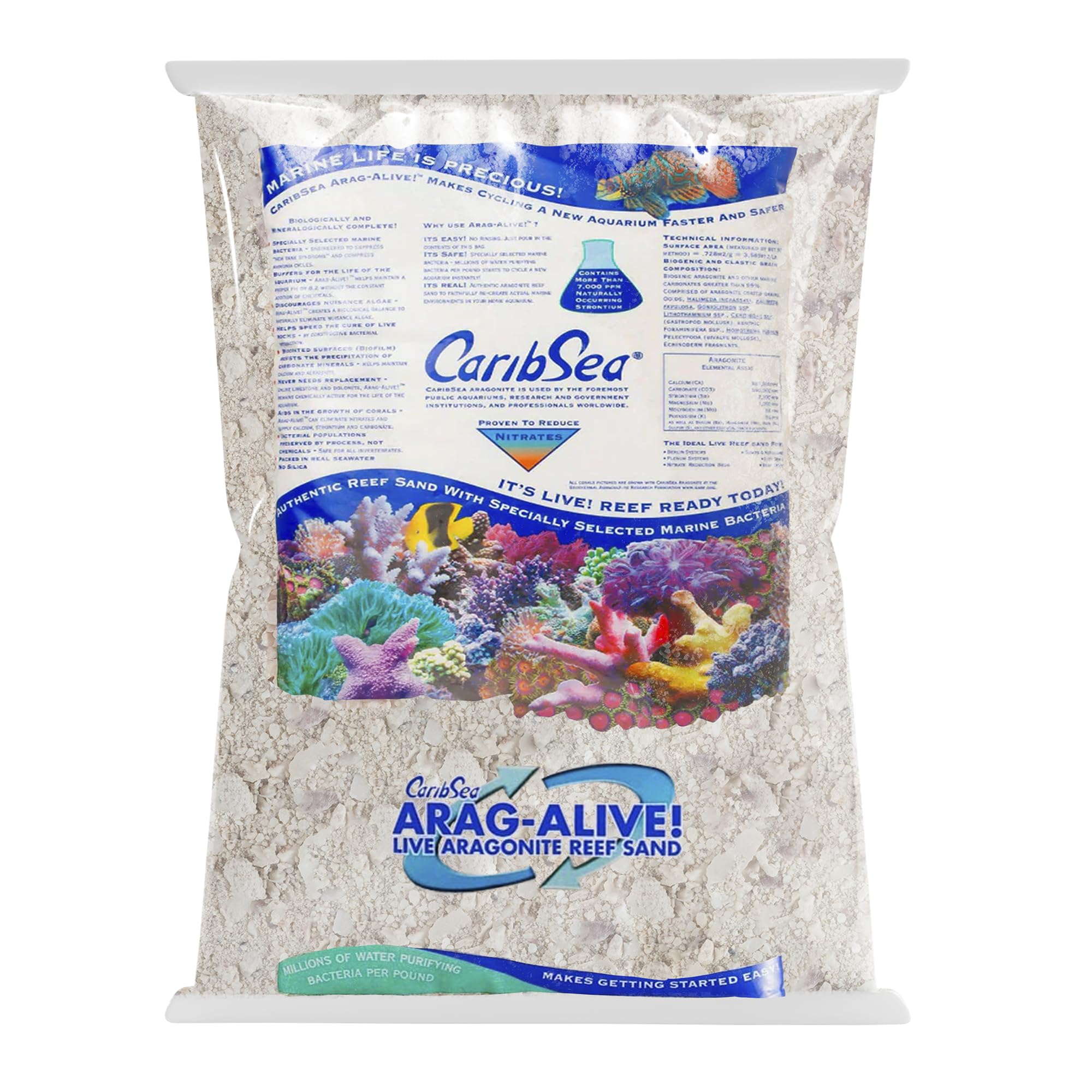
The Bimini Pink sand from CaribSea brings a warm, natural rosy hue to the reef tank that mimics the shallow carbonate sands found in tropical marine environments. This is not just about looks — the live aragonite formula contains beneficial bacteria that jump-start biological filtration and help stabilize water parameters from the moment the sand hits the tank. The special grade grain size is heavy enough to stay put even under moderate flow, which is critical for reefers running wavemakers or power heads in their display.
A reefer running a 180-gallon mixed reef used five bags and reported no sand storm issues despite significant circulation. The sand developed a short phosphate cycle during the first few weeks, which is normal for live substrates, and then settled into a beautifully stable system. Another keeper uses a 20-pound bag in a mini-litterbox style sump setup, relying on the sand bed as a dedicated biological filter. The included water conditioner is a nice bonus, though many experienced reefers will have their own preferred products.
This sand commands a higher price point, but the combination of live bacteria, stunning color, and ideal grain size makes it a top-tier choice for reefers who want the best possible start for their system. If you are building a mixed reef or a coral-dominated tank and want a substrate that performs as beautifully as it looks, this is worth every cent.
Why we love it
- Natural pink hue adds warmth and depth to the reef
- Live bacteria accelerate the nitrogen cycle
- Special grade grain resists flow displacement
- Supports coral attachment and healthy growth
Good to know
- Premium pricing; expect to pay more per bag
- Some batches may show color variation from natural sources
4. Carib Sea Aragonite Reef Sand 40-Pound

When you are setting up a large reef system, buying sand by the 40-pound bag is the only practical approach. This aragonite sand from Carib Sea delivers the same reliable pH buffering as its smaller counterparts but in a bulk format that saves money and reduces packaging waste. The grain size is medium — noticeably larger than fine oolitic sands but still appropriate for reef tanks and African cichlid setups. A reefer using it in a 55-gallon African cichlid tank reported that fish immediately began sifting and displaying natural foraging behavior.
The sand has a natural off-white color with occasional pink and blue flecks, giving it an organic, collected-from-the-ocean feel. Cloudiness is expected for the first 24 to 48 hours after setup, but a good clarifier and a partial water change typically resolve it quickly. One customer noted that the bag packaging is surprisingly durable, surviving rough shipping without tearing. The 40-pound bag provides enough sand for a 1.5-inch depth in a 46-gallon bowfront, making it ideal for medium to large systems.
For reefers with tanks over 40 gallons, buying sand in bulk is the smart move. This bag offers solid buffering, natural appearance, and good value. Just plan for a couple days of cloudiness after setup and use a clarifier to speed things along.
Why we love it
- Bulk 40-pound bag offers excellent value for large tanks
- Buffers pH to approximately 8.2 for reef stability
- Medium grain resists blowing around in moderate flow
- Fish enjoy sifting natural foraging behavior
Good to know
- Initial cloudiness can last 24–48 hours
- Rinsing is recommended despite the larger grain size
5. imagitarium Black Aquarium Sand 20 lb
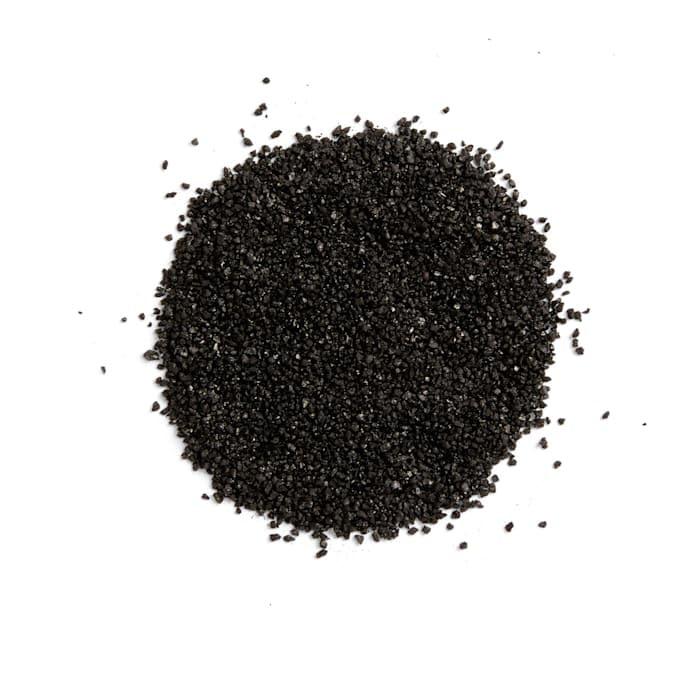
If you want your corals and fish to absolutely pop against the substrate, black sand is the way to go. This imagitarium sand delivers a deep, matte black finish that creates striking visual contrast. Driftwood, green plants, and brightly colored fish stand out dramatically against the dark bed. The sand is made from non-toxic, fish-safe materials and colors, so you can use it with confidence in both freshwater and saltwater setups. Many reefers use black sand in African cichlid tanks or as a bold accent in mixed reefs.
Cleanliness varies by batch — some customers report the sand rinses clear within minutes, while others experienced extended cloudiness. A reef keeper who purchased two bags found that the first required extensive rinsing with water turning black for over a week, but the second bag was perfectly clean straight out of the package. When the sand is clean, it settles beautifully and does not leach color. The lightweight nature of the grains means they can get sucked into filters and siphons during routine maintenance, so a pre-filter sponge is a smart addition.
For the price, this is a budget-friendly way to achieve a dramatic, professional-looking reef tank. The visual impact is undeniable, and when you get a clean batch, the setup is straightforward. Just be prepared for some variability and give the sand a thorough rinse test before adding it to your display.
Why we love it
- Deep matte black creates stunning visual contrast
- Non-toxic and safe for fish and invertebrates
- Affordable price for 20 pounds of quality sand
- Works well in both freshwater and saltwater setups
Good to know
- Batch consistency varies some bags need extensive rinsing
- Lightweight grains can clog filter sponges
6. Seachem Onyx Sand 15.4 lb
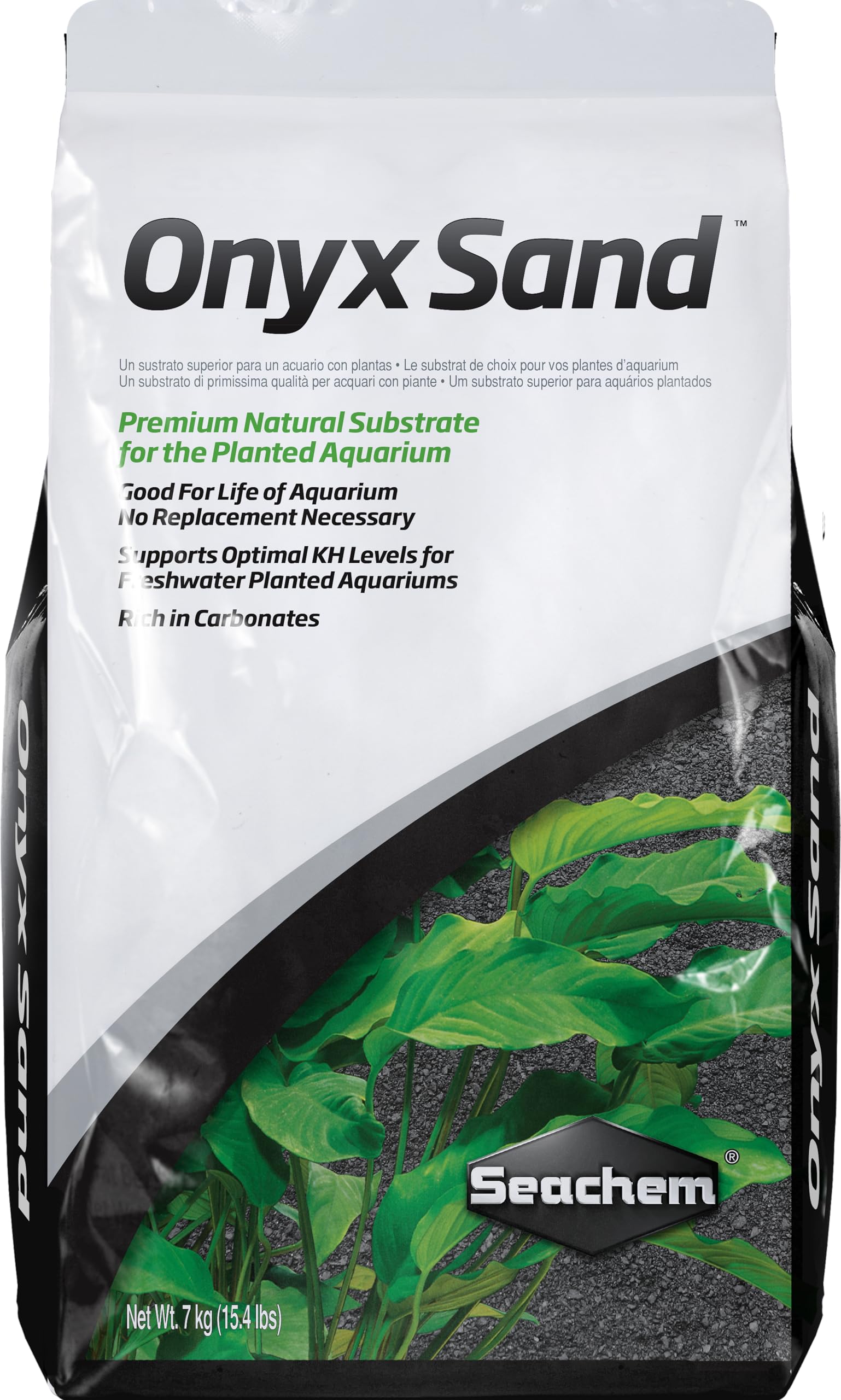
Seachem is a name that commands respect in the aquarium world, and their Onyx Sand lives up to that reputation for reefers who prioritize plant and root health. The fracted porous substrate creates a massive surface area for beneficial bacteria while providing excellent anchorage for plant roots. The grains are not round like typical sand — they are angular and irregular, which helps them lock together and resist shifting. This makes it an outstanding choice for planted reef systems where root stability matters.
The color is a natural mid-grey, not the jet black some images suggest. One customer who expected black sand was initially disappointed but grew to love the sophisticated neutral tone. The biggest challenge is dust — this sand requires extensive rinsing, with some reefers spending over an hour cleaning a single bag. A keeper who used two bags in an established tank added them slowly over two days with a water softener pillow and reported zero livestock losses. The slight pH buffering capacity is a bonus, though it is milder than full aragonite sands.
If you are building a planted reef or a system where root growth and biological filtration are top priorities, the porous structure of Onyx Sand is unmatched. Just prepare for a serious rinsing session and consider adding the sand slowly to avoid clouding your display.
Why we love it
- Fracted porous grains maximize bacterial surface area
- Angular particles lock together for excellent root anchorage
- Natural grey color complements planted aquascapes
- Mild buffering capacity supports water stability
Good to know
- Requires extensive rinsing to remove dust
- Color is grey not black as some images suggest
7. Estes Crushed Coral 15-Pound

Crushed coral is a time-tested solution for reef keepers struggling with low pH or inadequate alkalinity. This Estes product provides a natural source of calcium carbonate that slowly dissolves to buffer your water, raising KH, GH, and pH simultaneously. It is particularly popular among African cichlid keepers and marine aquarists who need hard, stable water conditions. The grain size ranges from fine sand to small pebbles, offering a textured look that many fish enjoy sifting through.
The material is off-white to pale yellow in color, giving a natural reef rubble appearance. Snails and other calcium-loving invertebrates will actively graze on it, and one keeper noted that their snails actually consumed the coral, producing white waste as evidence of the calcium intake. The sand can be dusty, and multiple rinses are essential. A customer using it in a 20-gallon tank reported that insufficient rinsing led to cloudy water and a white film on surfaces, though it cleared after several hours of filtration.
For reefers who need reliable pH and alkalinity support without liquid additives, this crushed coral is a workhorse. It works best as a component of the substrate or in a filter media bag, allowing water to flow through it for gradual buffering. Just rinse thoroughly and be patient during setup.
Why we love it
- Natural calcium carbonate for reliable pH and KH buffering
- Snails and invertebrates benefit from the calcium source
- Versatile use as substrate or in filter media
- Good value for the quantity provided
Good to know
- Requires thorough rinsing to prevent cloudiness
- Grain size varies from sand to small pebbles
8. LANDEN Namale Aquarium Sand 2L

The Namale sand from LANDEN is designed for aquascapers who want a substrate that looks like it was scooped straight from a riverbed. The fine 0.3 to 0.5 mm grains create a soft, natural texture that fish love to sift through. The color is a warm natural tan — not the bright white of aragonite sands, but a more organic tone that blends beautifully with driftwood, botanicals, and live plants. A reefer who switched from gravel to this sand reported that their fish became noticeably more active and began displaying natural sifting behavior.
The sand arrives vacuum-packed, which helps maintain cleanliness during shipping. Despite the pre-cleaning process, a rinse is still recommended to achieve the best clarity. Some customers noted that the sand is darker in person than in the product photos, so adjust your expectations accordingly. A slight odor was reported by one user after opening, which resolved with rinsing. The sand is pH-neutral, making it suitable for both freshwater and saltwater biotope setups where buffering is handled by other means.
For the aquascaper who prioritizes natural aesthetics and fish behavior, LANDEN Namale delivers a beautiful, functional substrate. It is not the cheapest option, but the quality control and consistent grain size justify the cost. Pair it with botanicals and soft lighting for a truly stunning natural reef biotope.
Why we love it
- Ultra-fine grains feel natural and encourage fish sifting
- Warm tan color complements natural aquascapes
- Vacuum packaging maintains product cleanliness
- pH-neutral suitable for sensitive biotope setups
Good to know
- Color is darker than product photos suggest
- Premium pricing for the bag size
9. CLASSIC SAND & PLAY Natural Aquarium Sand 20 lb

One of the most frustrating parts of setting up a new reef tank is dealing with cloudy water from dusty sand. This CLASSIC SAND product eliminates that headache with a pre-washed and kiln-dried formula that is ready to use straight from the bag. Multiple customers confirm that they added the sand directly to their tanks with minimal to no cloudiness — a rare claim in the sand world. The natural color is not pure snow white but a more organic off-white that looks authentic in both freshwater and saltwater displays.
The sand is fine but not powdery, striking a good balance between natural appearance and practical maintenance. It supports biological filtration and provides a comfortable substrate for burrowing fish and invertebrates. A reefer who used it in a newly set up tank reported that the water cleared within 24 hours with just mechanical filtration. The 20-pound bag provides enough sand for a moderate depth in tanks up to 30 gallons, depending on the footprint. The price is higher than basic play sand alternatives, but the convenience of the pre-washed formula saves hours of rinsing time.
If you value your time and want a setup process that is as smooth as possible, this pre-washed sand is a fantastic choice. It delivers on the promise of no dust and no cloudiness, letting you focus on scaping and stocking instead of fighting with a milky tank.
Why we love it
- Pre-washed and kiln dried for minimal cloudiness
- Ready to use straight from the bag with little rinsing
- Natural off-white color suits many aquascapes
- Fine texture comfortable for burrowing species
Good to know
- Higher cost than unwashed alternatives
- Not as bright white as pure aragonite sands
10. CaribSea Eco-Complete African Cichlid Zack Sand

African cichlids have specific needs — hard alkaline water and a substrate that can withstand constant digging and relandscaping. This CaribSea product delivers exactly that. Despite the name, this is actually a fine gravel mix rather than true sand, which works perfectly for cichlids that naturally sift and move substrate. The mixed grain size ranges from small pebbles to coarse sand, giving your fish a varied texture to interact with. A keeper with a 125-gallon tank used seven bags and reported that minimal rinsing was needed before the water cleared within a day.
The color is a blend of black and white grains, not a uniform jet black as some product images suggest. This gives the substrate a natural, speckled appearance that many aquarists find attractive. The buffering capacity supports pH around 7.8, which is ideal for African cichlids from Lake Malawi and Lake Tanganyika. One challenge is that the gravel-sized particles can be tricky to vacuum without sucking them up, but with practice, it becomes manageable. After two weeks, a customer reported stable pH at 7.8 with no additional buffering products.
For dedicated African cichlid keepers, this is a purpose-built substrate that performs exactly as advertised. It supports the high pH environment these fish need while standing up to their constant digging. Just be aware that it is gravel, not sand, and the color is more mixed than uniform black.
Why we love it
- Purpose-built for African cichlid water chemistry needs
- Mixed grain texture encourages natural digging behavior
- Minimal rinsing required before use
- Buffers pH to approximately 7.8
Good to know
- It is gravel not sand despite the product name
- Color is speckled black and white not solid black
11. Ausluru Silica Gravel 11 lbs
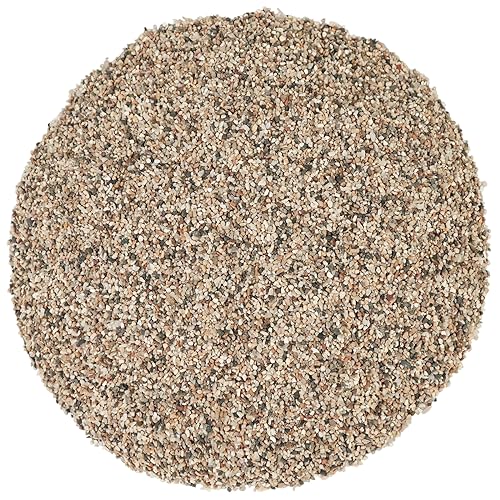
Not every tank needs the buffering power of aragonite, and for reefers on a tight budget or those running systems where pH is already stable, this silica gravel offers a functional and affordable alternative. The 1 to 2 mm grain size is fine enough to look natural but heavy enough to resist blowing around in moderate flow. It is 100% natural material with no dyes or chemical treatments, making it safe for fish and invertebrates. A shrimp keeper reported excellent results, noting that pouring water slowly over a plate prevents disturbing the fine grains.
The sand is surprisingly clean with minimal dust — a quick rinse and soak yielded clear water for one customer. Fish were able to move the grains while foraging without issue. The silica composition means no buffering capacity, so you will need to maintain pH and alkalinity through other methods if needed. Some buyers use this product for fire pits, landscaping, and even patio crevices, highlighting its versatility. The 11-pound bag is lightweight and easy to handle, making it a convenient option for smaller tanks or emergency substrate needs.
This is a solid entry-level option for budget-conscious reefers or those setting up a secondary tank. It will not buffer your water, but it looks good, stays clean, and provides a safe environment for your livestock. Pair it with a quality buffer supplement and you have a functional substrate at a fraction of the cost.
Why we love it
- Affordable price point for budget-conscious aquarists
- Minimal dust clean rinse and soak yields clear water
- Natural silica material safe for fish and invertebrates
- Versatile use beyond aquariums landscaping and fire pits
Good to know
- No buffering capacity requires separate pH management
- Not suitable for reef systems needing aragonite chemistry
Safety & Care Tips
Proper Rinsing Technique
Always rinse your sand thoroughly before adding it to the tank, even if the package claims it is pre-washed. Place the sand in a clean bucket, fill with water, agitate vigorously, let it settle, and pour off the cloudy water. Repeat this process until the water runs clear. For fine sands like oolitic aragonite, this may take five to ten rinses. Skipping this step will result in cloudy water that can take days to clear and may irritate sensitive fish and corals. Use dechlorinated or RO water for the final rinse to avoid introducing chlorine or chloramines to your reef system.
Maintaining Sand Bed Health
A healthy sand bed requires regular but gentle maintenance. Use a gravel vacuum during water changes to remove detritus from the surface without disturbing the deeper layers where anaerobic bacteria thrive. Avoid deep cleaning the entire bed at once — this can release trapped nutrients and cause parameter swings. Stirring the sand occasionally helps prevent dead spots and gas buildup, but do this gradually over several days in established tanks. Monitor for signs of hydrogen sulfide (a rotten egg smell) which indicates anaerobic pockets that need gentle aeration. For sand-sifting fish like gobies, ensure the grain size is fine enough for them to pass through their gills without injury.
FAQ
How much sand do I need for my reef tank?
Is live sand better than dry sand for a reef tank?
Can I mix different types of reef sand?
How often should I clean my reef tank sand bed?
Final Thoughts: The Verdict
For most reef keepers, the best reef tank sand winner is the Carib Sea Arag-Alive Special Grade Reef Sand because it combines live bacteria, ideal grain size, and proven buffering performance into one reliable package. If you want the absolute best value for your budget, grab the Aqua Natural Oolitic Aragonite. And for a stunning visual upgrade that supports coral growth, nothing beats the CaribSea Arag-Alive Bimini Pink.