
If you’ve ever stared at a bag of sand and wondered if it’s the right choice for your fish, you’re not alone. The wrong substrate can cloud your water, trap debris, or even alter your aquarium’s chemistry — turning what should be a relaxing hobby into a frustrating chore. Choosing the best option for your setup doesn’t have to be a gamble.
I’m Mo Mahin — the founder and writer behind Furric. I’ve spent years analyzing buyer feedback, consulting veterinary safety standards, and deep-diving into manufacturer testing data to help fellow aquarists avoid costly mistakes.
This guide covers five top-rated options to help you find the best sand for freshwater aquarium that truly fits your tank’s needs and your maintenance style.
How To Choose The Best Sand For Freshwater Aquarium
Picking a substrate isn’t just about looks. The wrong sand can trap waste, alter pH levels, or harm sensitive fish like corydoras and loaches. Here’s what to keep in mind before you pour a single grain into your tank.
Check the Chemical Composition
Some sands contain calcium carbonate or crushed coral, which buffer the pH upward. This is excellent for African cichlids but dangerous for soft-water species like tetras or discus. Always check the label for “pH neutral” if you keep sensitive fish.
Grain Shape and Size Matters
Sharp, jagged grains can damage the barbels of bottom-dwellers like corydoras catfish. Look for fine, smooth, rounded grains (0.5–2 mm) that allow roots to spread easily while preventing food from sinking into anaerobic pockets.
Ease of Cleaning
Very fine sands can compact over time, creating dead zones where harmful gases build up. A slightly coarser or mixed grain size helps water flow through the substrate, making it easier to vacuum during water changes without sucking up your entire tank floor.
Quick Comparison
On smaller screens, swipe sideways to see the full table.
| Model | Type | Best For | Key Feature | Amazon |
|---|---|---|---|---|
| Aqua Natural Galaxy Sand | Mid-Range | Aquascaping & Corydoras | Deep black color with fine, even grain | Amazon |
| LANDEN Namale Sand | Mid-Range | Natural Biotope Tanks | Untreated natural tone, 0.3-0.5mm | Amazon |
| imagitarium Black Sand | Value | Budget-Friendly Setup | 20-pound bag at an entry-level price | Amazon |
| FANTIAN Aquarium Sand | Premium | Decorative & Multi-Purpose | Heat-resistant stones, 0.6-1.2mm mix | Amazon |
| Carib Sea African Cichlid Mix | Premium | African Cichlid Tanks | Natural pH buffer, 8+ stable | Amazon |
In-Depth Reviews
1. Aqua Natural Galaxy Sand 20lb

Right out of the bag, this sand stands out for its deep, dramatic black color that catches light beautifully without looking artificial. It’s great for making bright plants and fish pop inside the tank. According to verified buyers, the grain size is surprisingly even and smooth, which is a big plus for keeping bottom-dwellers like corydoras safe. The bag contains 20 pounds of substrate, enough to cover a standard 20-gallon long tank with a nice layer. Most say rinsing is quick and the water runs clear soon after the wash.
What makes this product unique is how well it responds over time. Several owners report that after a few weeks, their tank stays crystal clear and the sand does not compact into hard layers. This is a common issue with cheaper, dusty sands that trap waste. The dark color also hides uneaten food and fish waste better than white or bright sands, so your tank looks clean for longer between water changes. Aqua Natural sourced this under license in the USA, which adds an extra layer of quality assurance for buyers who prefer domestic sourcing.
If you want a safe, visually striking, and low-maintenance base for a planted or community tank, this is the one to beat. The only real complaint is that a small number of bags arrived with slight dust clouds that took an extra day to settle, but this is typical for any natural sand. Overall, it is a balanced choice that just works.
Why we love it
- Deep black color makes plants and fish stand out
- Fine, smooth grains are safe for sensitive barbels
- Holds up long-term without compacting
Good to know
- Some bags may produce slight initial dust
- Limited to 20lb bag size
2. LANDEN Namale Aquarium Sand 2L

This is not your typical colored sand. LANDEN Namale is a pure natural product designed to replicate riverbeds and blackwater biotopes. The grain size is extremely fine — just 0.3 to 0.5 mm — which makes it perfect for small fish and shrimp that like to sift through substrate. Many aquascapers love it for its soft, earthy look that doesn’t scream “artificial tank.” The vacuum-packed bag helps keep moisture out, and the sand comes pre-washed to some degree, though most still rinse for a minute or two to be safe.
A really nice aspect of this sand is how clean it is right out of the bag. A user with a Danio 20-gallon reported washing for 45 minutes and letting it sit overnight in treated water, only to find it still clean and ready to go. The natural color is described as a warm tan that feels much more organic than pure white or black options. A common caution is that the photos online tend to look lighter than what arrives — in reality it is a slightly darker, more subtle tone — but most say it actually looks better in the tank. Fish keepers mention it is excellent for corydoras and loaches that love to dig.
For those building a South American or Asian blackwater biotope, this is an outstanding pick. The neutral pH means it won’t mess with your water chemistry, and the fine grain gives delicate plants a nice anchor. Just be aware of the color difference from the listing photos, and give it a good rinse before use. It might not be the most dramatic look, but it is definitely the most natural.
Why we love it
- All-natural, untreated color and composition
- Ultra-fine grain ideal for shrimp and small fish
- Extremely clean, minimal clouding
Good to know
- Color is darker than most product photos show
- Smaller bag size may require multiple bags for large tanks
3. imagitarium Black Aquarium Sand 20 lbs
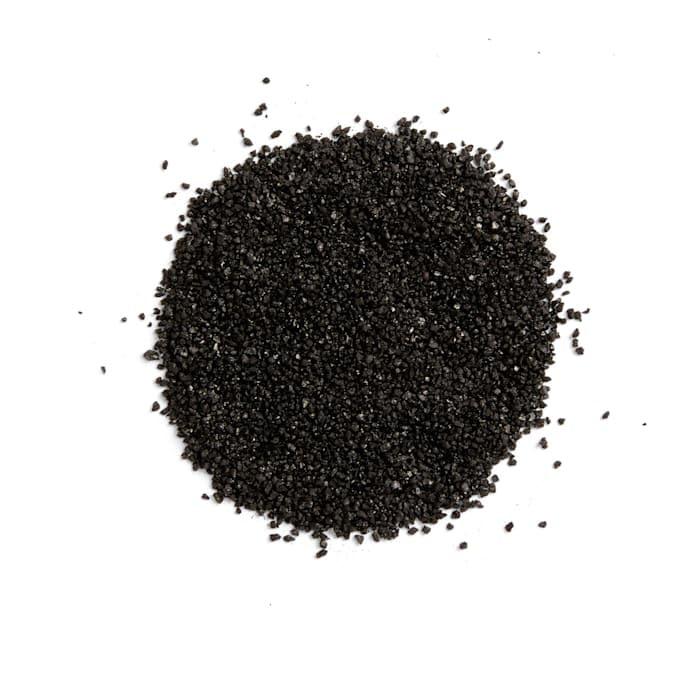
If you are looking for an entry-level option that still looks good, imagitarium’s black sand is a solid contender. It is a classic matte black that gives your tank a sleek, moody vibe without any sparkle or shimmer. The sand is marketed as non-toxic and fish-safe, and most users confirm it is perfectly safe for community tanks. A common comment is that the first bag can be a little dusty, but after a proper rinse (about 10 minutes of washing), it clears up nicely. One long-term owner said the sand still looks new after more than a year in the tank.
The key thing about this product is the value-per-pound ratio. For the price, you get a full 20 pounds of black sand, which is enough to cover a 20-gallon long tank with a decent layer. Reviews mention that it does not compact as badly as some other budget sands, and that it is easy to vacuum during water changes. A few owners had a bad first experience with clouding, but after trying a second bag they were impressed with the results. This suggests consistency can vary slightly between batches, so it is smart to rinse thoroughly.
For anyone trying black sand for the first time or setting up a spare tank on a budget, this is a great starting point. It does the job well, looks decent, and won’t break the bank. The biggest downside is the occasional bag that takes extra work to clean, but given the price, most find it a fair trade-off.
Why we love it
- Affordable 20-pound bag perfect for beginners
- Matte finish hides debris well
- Non-toxic and safe for fish
Good to know
- Batch consistency can vary; some bags need more rinsing
- Not as fine as premium options
4. FANTIAN 20 lbs Aquarium Sand 0.6-1.2mm
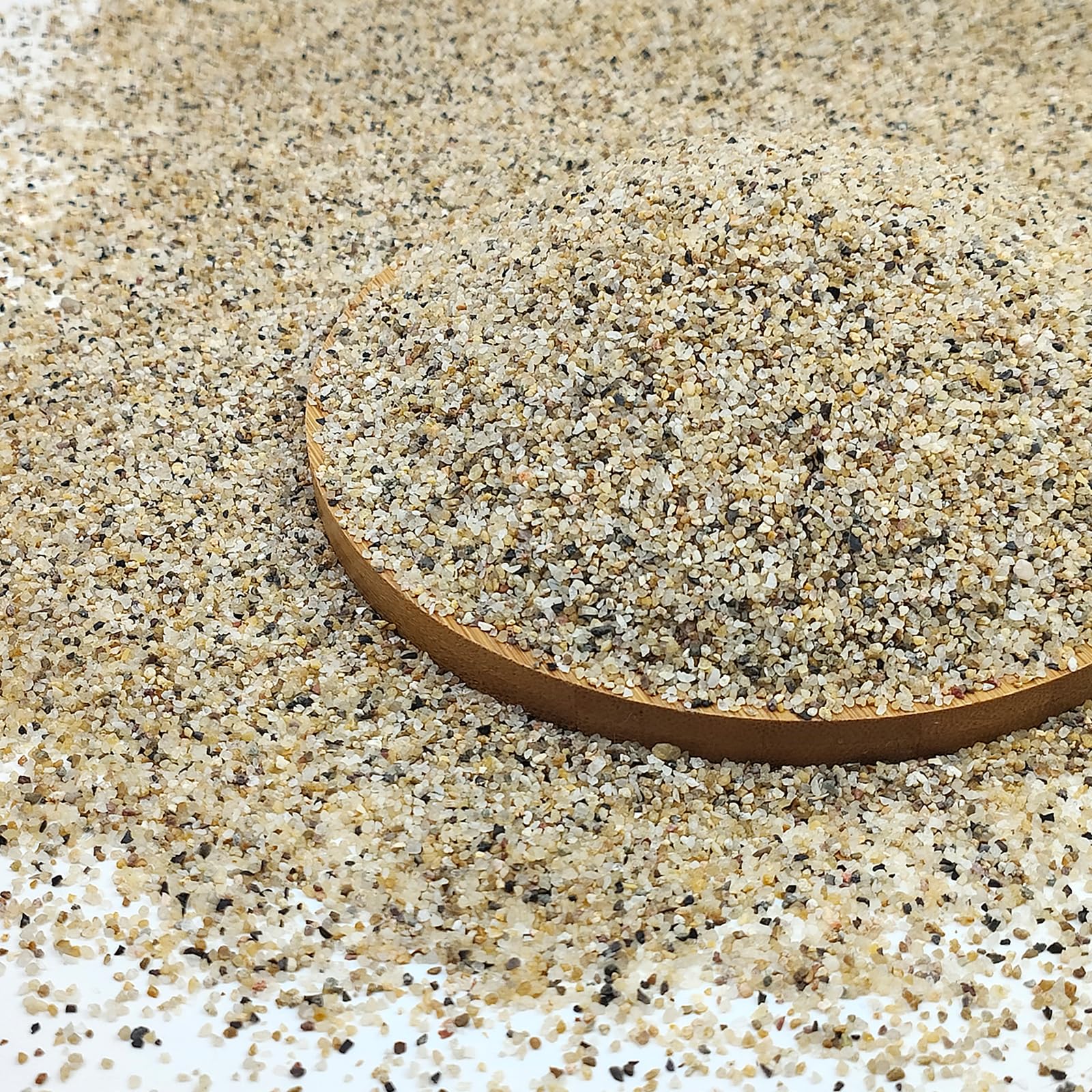
FANTIAN takes a different approach with a mixed-color substrate that leans toward a light, bright aesthetic. The grains are slightly larger at 0.6-1.2 mm, which makes them less prone to compacting but still fine enough for most bottom-dwellers. What sets this sand apart is its versatility — it is also marketed for use in fire pits, candle holders, and vase decorations, indicating it is heat-resistant and free of toxic dyes. The 20-pound bag is enough for a medium-sized tank, and the light color does wonders for making a tank feel bigger and brighter.
Buyers who used this for turtles and reptiles mention it holds up well in high-traffic areas without breaking down. A common theme in reviews is that the sand arrives with a reddish dust that requires multiple rinses — patience is key here. Once settled, however, the mixed tones create a natural, sunlit look that goes well with both live and artificial plants. For hobbyists who like a clean, open aesthetic rather than a dark moody one, this is a nice change of pace. The fact that it doesn’t alter pH is another plus for community tanks.
If you want a bright, decorative base that can double as a craft supply, this is an interesting pick. Just be ready to spend an extra 10–15 minutes rinsing to get rid of the initial dust. It is not the most natural-looking option, but it is certainly the most versatile.
Why we love it
- Bright, light color brightens up the tank
- Heat-resistant for multi-purpose use
- Larger grain prevents compaction
Good to know
- Requires extra rinsing to remove reddish dust
- Color may look less natural than advertised
5. Carib Sea African Cichlid Mix Sahara Sand 20 lb
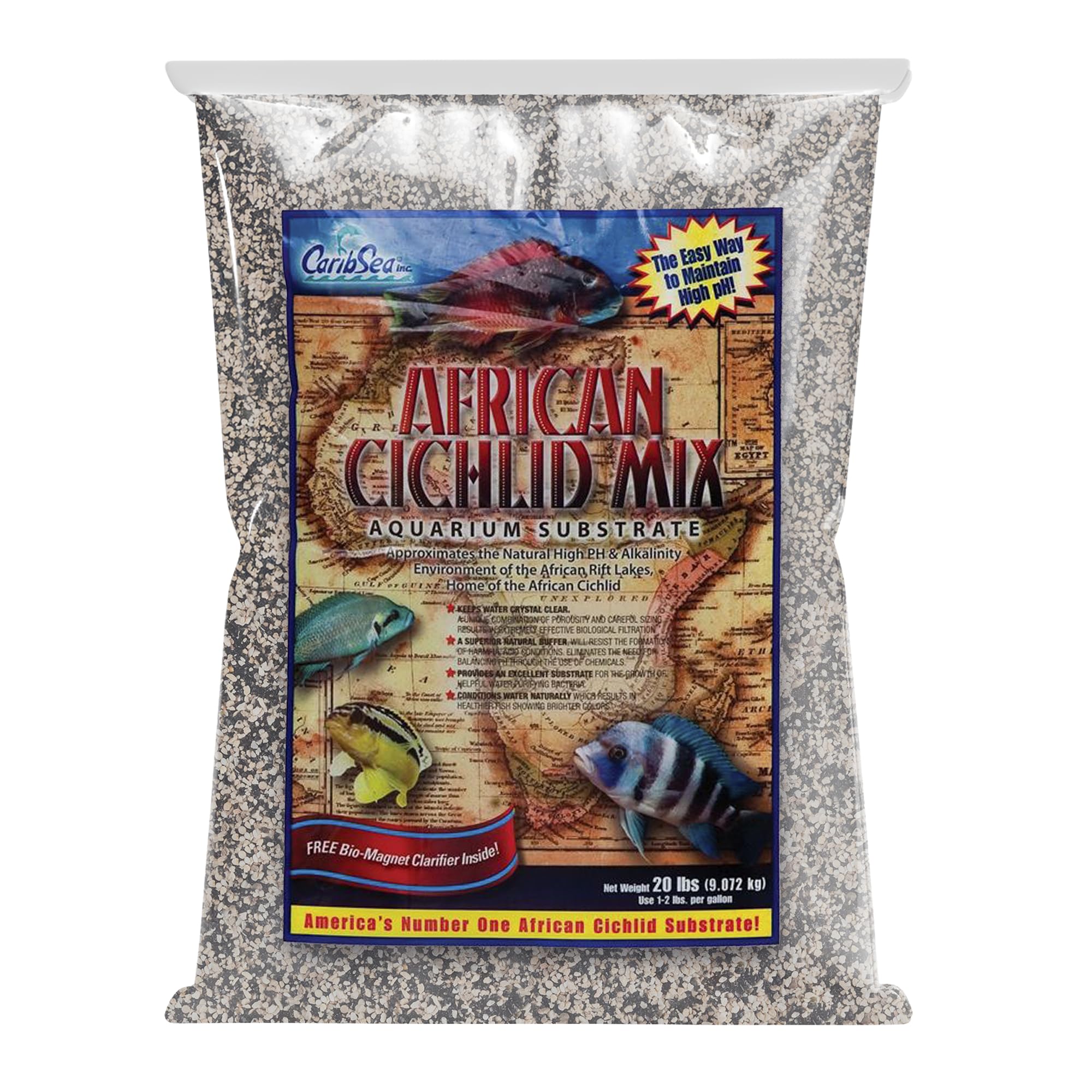
This is not a one-size-fits-all sand — and that is exactly the point. Carib Sea’s Sahara Sand is specially formulated for African cichlids. It naturally buffers the pH to a stable 8+ range, which mimics the hard, alkaline waters of Lake Tanganyika and Lake Malawi. The sand is a beautiful mix of black and white grains that gives a natural sandy look. The 20-pound package is conveniently sized for a standard 75-gallon cichlid tank, and the grains are smooth enough for cichlids that like to dig and sift.
Cichlid keepers rave about how this sand promotes natural behaviors like nest-building and burrowing. One Tiger Oscar owner used it in a 125-gallon tank and said the water cleared up overnight after a proper rinse. Another user mentioned that Halloween moon crabs and hermit crabs adore this sand, making it a great pick for paludariums. A caution for general freshwater tanks: because this sand raises pH, it is not suitable for soft-water species like tetras or angelfish. The sand needs a thorough rinse (about 20–30 minutes) to release dust, but after that, it settles beautifully.
For cichlid enthusiasts, this is the definitive choice. It is a bit more expensive than generic options, but the pH stability and natural appearance are well worth it. If you don’t keep cichlids, though, avoid this one — it will work against your water chemistry.
Why we love it
- Stabilizes pH at 8+ for African cichlids
- Encourages natural digging and spawning behaviors
- Smooth grains safe for sensitive cichlid barbels
Good to know
- Not suitable for soft-water freshwater tanks
- Premium price point reflects specialized use
Safety & Care Tips
Thorough Rinsing is Non-Negotiable
Even high-quality sands arrive with dust particles. Before adding sand to your tank, place it in a bucket and run water through it until the runoff runs clear. Use a large colander or mesh strainer to avoid losing sand. Skipping this step can lead to white or brown clouds that take days to settle.
Check pH Compatibility
Some sands (especially those made from aragonite or crushed coral) will buffer your water hard. Always test the pH of your tank before and after adding new substrate. If you keep sensitive soft-water species like neons or discus, stick with inert silica sand.
FAQ
Can I use play sand instead of aquarium sand?
How often should I clean the sand in my tank?
Does sand affect plant growth differently than gravel?
Final Thoughts: The Verdict
For most fish keepers, the best sand for freshwater aquarium winner is the Aqua Natural Galaxy Sand because it combines stunning aesthetics, safe grain shape, and low maintenance. If you want a natural biotope look, grab the LANDEN Namale. And for African cichlid enthusiasts, nothing beats the Carib Sea Sahara Sand for stable pH and natural behavior.