
Every chicken keeper knows the frustration: bagged feed gets expensive, nutritional quality drops the longer it sits, and your flock doesn’t get the fresh greenery their digestive systems evolved to process. Sprouting your own fodder solves all three problems at once, but picking the wrong seed type means poor germination, mold issues, or a nutritional profile that misses the mark.
I’m Mo Mahin — the founder and writer behind Furric. I’ve spent years analyzing seed-spec sheets, comparing germination rates across grain varieties, and correlating owner-reported sprouting success with the actual seed-source data so you don’t have to gamble on a bag of mystery berries.
Whether you manage a small backyard coop or a larger homestead flock, finding the right seeds for chicken fodder determines how much fresh, enzyme-rich feed your birds get without labor-intensive daily prep or costly feed-store markups.
How To Choose The Best Seeds For Chicken Fodder
Sprouting fodder isn’t complicated — seeds, water, a tray, and a few days — but choosing the wrong seed type or grade creates a cycle of mold, low yield, and frustrated birds. Focus on these three factors before you buy.
Grain Type and Nutritional Profile
Different grains sprout at different rates and deliver distinct nutrient packages. Oats produce a dense, grassy mat high in fiber. Barley offers excellent sugar content and soft texture chickens devour. Wheat berries grow a tall, dense fodder mat with balanced protein. Sorghum (milo) is drought-tolerant in the tray but lower in protein. Sunflower seeds in the shell produce a rich, oily sprout packed with Vitamin E. Match the grain to your climate, tray system, and whether you want a supplement or a partial feed replacement.
Certification and Purity (Non-GMO, Organic, Clean Grain)
Feed-grade grain is perfectly fine for chicken fodder as long as it’s free from mold, dust, and foreign seeds. Certified organic and Non-GMO labels add a layer of traceability but aren’t strictly necessary for a healthy sprout. What matters more is the physical cleanliness of the bag — low debris, no insect fragments, and kernels that look uniform. A bag labeled “sprouting seed” is ideal because it’s been tested for germination rate; feed-grade grain may still sprout, but you’ll see variability in how many kernels actually push a radicle.
Bag Size and Storage Longevity
Whole grains store significantly longer than milled flour because the intact seed coat protects the endosperm from oxidation. A 5 lb bag is ideal for a small backyard flock (2–6 birds) to test a grain type before scaling up. A 10 lb bulk bag suits larger coops or multi-species use. Keep seeds in a cool, dry, rodent-proof container — heat and humidity trigger premature sprouting in the bag, ruining the batch before it touches a tray.
Quick Comparison
On smaller screens, swipe sideways to see the full table.
| Model | Category | Best For | Key Spec | Amazon |
|---|---|---|---|---|
| Whole Sunflower Sprouting Seeds | Premium | High-yield microgreens & protein-rich fodder | 128,000 seeds per 5 lb bag | Amazon |
| Ernst Whole Barley Seeds | Mid-Range | High-germination barley for soft fodder mats | ≥95% germination rate | Amazon |
| Ernst Soft Red Wheat Berries | Mid-Range | Versatile base grain for mixed fodder rations | 10 lb bulk bag | Amazon |
| Thunder Acres Organic Oat Seed | Value | Fast-sprouting oat grass for treats | Certified organic oat seed | Amazon |
| Ernst Milo Red Sorghum | Mid-Range | Slow-burn energy grain for free-choice feeding | Red Sorghum (Milo) | Amazon |
In‑Depth Reviews
1. Whole Sunflower Sprouting Seeds: 5 Lb ~ 128,000 Seeds

This 5 lb bag from Mountain Valley Seed Company packs roughly 128,000 black oil sunflower seeds with the shell on, making it the densest seed-to-volume option in this lineup for chicken fodder. Sunflower sprouts deliver a notably different nutritional profile compared to grass grains — higher in fat and Vitamin E, which supports feather quality and egg yolk color. The shell-on format means the seeds stay viable longer in storage, and the high seed count per pound translates to thick, lush microgreen-style mats that chickens strip down eagerly.
Germination reports from owners consistently land around the 90% mark, with many describing the sprouts as “cost effective” and praising their “nutty flavor” — a sign the seeds are fresh and properly handled before bagging. The resealable pouch is practical for splitting batches across multiple tray cycles, and the Non-GMO certification adds traceability for keepers who want a clean supply chain. Full sun exposure during the final grow phase prevents leggy sprouts and maximizes nutrient density.
One caveat: sunflower seeds with the shell on require a slightly longer soak (12–24 hours) compared to hulled grains, and the sprout mats are denser, meaning you need shallow trays with good drainage to prevent anaerobic conditions at the root zone. Owners using these in hydroponic microgreen setups report the best results, while straight soil trays work fine with careful watering. For keepers who want a high-value, oil-rich fodder option that doubles as a microgreen crop, this is the strongest pick.
Why we love it
- Extremely high seed count per bag reduces cost per tray
- Non-GMO with strong germination rate near 90%
- Versatile for hydroponic or soil-based tray systems
Good to know
- Shell-on seeds require longer soaking than hulled grains
- Dense mat needs excellent drainage to prevent mold
2. Ernst Grain & Livestock Non‑GMO Whole Barley Seeds
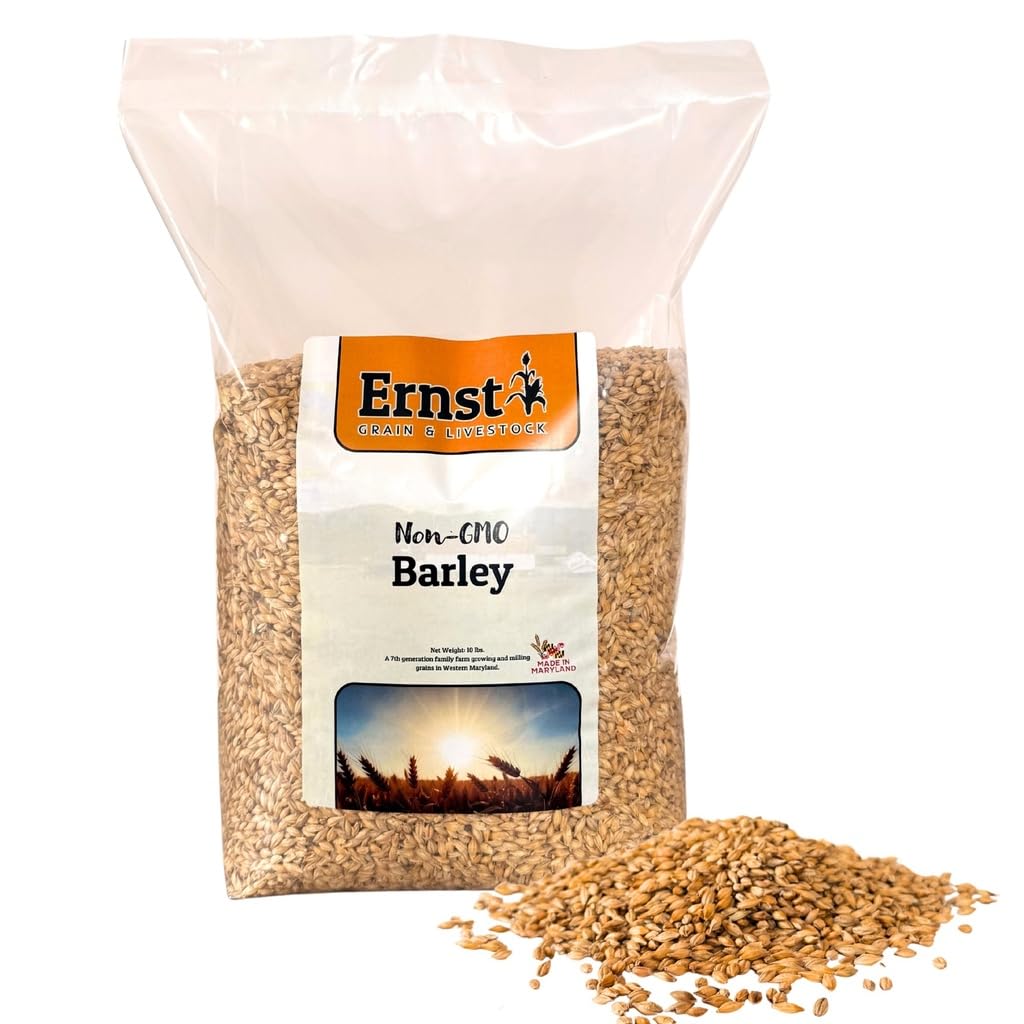
Barley is arguably the most popular single grain for chicken fodder because its sprout structure is soft, sweet, and highly palatable — and this 10 lb offering from Ernst Grain & Livestock delivers exactly that. The kernels are unprocessed whole barley, free from GMOs and additives, grown on a seventh-generation family farm in Maryland. Owners consistently report near-100% sprouting rates, a critical metric when you’re scaling fodder production; every kernel that fails to sprout is wasted volume in the tray.
The resealable bag design matters here — barley is hygroscopic and will absorb ambient moisture if left open, which can trigger premature sprouting in storage. The packaging preserves kernel viability well, and customers describe the product as “clean” and “dependable” with minimal dust or broken kernels in the bag. The nutrient profile includes useful fiber levels for gut motility and B-vitamins for metabolic health, making it a solid daily fodder base rather than just an occasional treat.
One owner noted that the 50 lb bulk version of this grain requires the buyer to cover return shipping if there’s an issue, so stick with the 10 lb bag for smaller operations. The barley sprouts in about 4–5 days under misting, producing a dense green mat about 4–6 inches tall. Chickens reportedly “love it” and eat the entire root mat, not just the shoot, which reduces waste compared to some grain types where only the leafy portion is consumed.
Why we love it
- Exceptional germination rate with nearly every kernel sprouting
- Soft, sweet sprout texture that chickens consume entirely
- Clean bag with minimal debris and dust
Good to know
- Sealed bag hygiene is essential to prevent moisture absorption
- Bulk 50 lb option has limited return flexibility
3. Ernst Grain & Livestock Non‑GMO Soft Red Wheat Berries
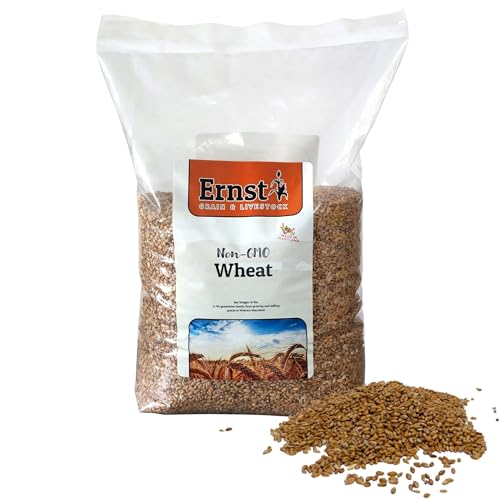
Soft red wheat berries are a classic fodder grain because they produce a tall, fibrous mat that chickens can peck at over multiple days without the mat breaking down into mush. This 10 lb bulk bag from Ernst is Non-GMO and sourced from the same family farm operation as the barley above, offering consistent quality across grain types. The wheat berries are dense — reviewers note the bag “seems to last a long time” — which makes sense given that whole wheat kernels store longer than cracked or rolled grain.
Germination results are mixed in the feedback, with one owner reporting it “did not sprout very well” while others describe it as high-quality grain suitable for deer, birds, and poultry alike. This variability suggests that while the base product is sound, sprouting success depends heavily on soaking technique and water temperature. Wheat berries benefit from a 12-hour soak in cool water followed by daily rinses; skipping the soak or using chlorinated tap water can suppress germination noticeably.
For fodder purposes, this bag works best as part of a mixed-grain rotation rather than a standalone sprout. The berries themselves are suitable for direct feeding as well — many owners scatter them as scratch or mix them into mash. If you’re looking for a versatile grain that can serve both as fodder seed and as a direct feed component, the dual-purpose nature of this 10 lb bag offers practical flexibility for smaller operations.
Why we love it
- Versatile as fodder seed or direct feed grain
- Dense kernels store longer than processed grains
- Non-GMO from a trusted family farm source
Good to know
- Germination results vary with soaking technique
- Not specifically tested for sprouting like dedicated seed
4. Thunder Acres Non GMO, Certified Organic Oat Seed (5 lb)

Oat seed is an underrated fodder grain — it germinates faster than wheat or barley and produces a fine, tender grass that even picky eaters accept. This 5 lb bag from Thunder Acres is Certified Organic and Non-GMO, grown and packaged in the USA, and multiple owners report seeing sprouts within 4 days when kept in the dark and misted regularly. One reviewer described the growth rate as “1–2 inches per day in sun,” which is exceptional speed for a fodder crop and means you can cycle trays faster than with heavier grains.
The oat grass is particularly suited to smaller chicken tractors and coops where you want to offer a fresh greens supplement without dedicating a whole shelf to a deep sprout tray. Owners note that regrowth occurs if you don’t pull the entire mat — chickens can graze the grass and the crown will push new shoots for a second day. The organic certification gives peace of mind about pesticide residues, especially if your flock free-ranges and consumes the entire sprout including the root mass.
One practical detail: oat seed is smaller and lighter than barley or wheat, so you’ll need to adjust your seeding density upward to avoid a sparse mat. The bag is labeled for “multi-pet use” and many buyers actually use it for cat grass, so the seed is clearly handled with food-grade care.
Why we love it
- Fast germination — visible sprouts in 4 days with misting
- Certified Organic and Non-GMO with clean supply chain
- Tender grass is accepted by even picky chickens
Good to know
- Smaller seed size requires higher density per tray
- Single regrowth cycle before mat needs replacement
5. Ernst Grain & Livestock Milo, Red Sorghum, Non-GMO (10 lb)
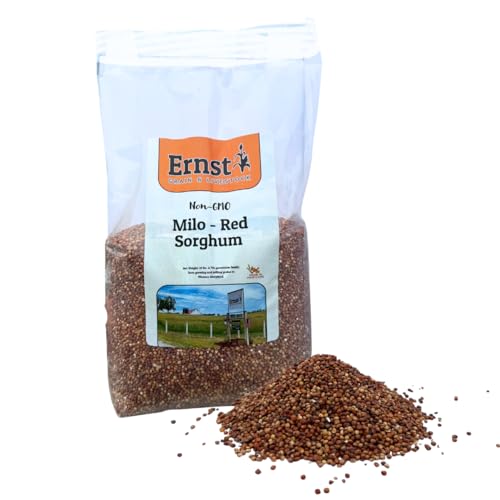
Sorghum (milo) is a less common fodder choice but brings distinct advantages: it’s naturally drought-tolerant during sprouting (useful if your ambient humidity is low), and the complex carbohydrates in the kernel provide sustained energy rather than a quick sugar spike. This 10 lb bag from Ernst delivers clean, unprocessed red sorghum with minimal debris — multiple buyers note the product is “very clean” and free from foreign seeds like corn, which is important if you’re managing corn-free diets for certain birds.
The germination rate is more variable with sorghum compared to barley or wheat. One owner reported it works “wonderfully” for birdseed and fodder, while another noted it’s “hit or miss” for mycology purposes. For chicken fodder, the key is to soak sorghum for a full 24 hours — it has a harder seed coat than soft grains, and insufficient soaking leads to uneven sprouting. Once germinated, the sprouts are sturdy and resist mold better than oat grass in humid conditions.
A specific concern raised by one buyer: they received a bag with pantry moth larvae, which caused a home infestation. This appears to be an isolated incident rather than a pattern, but it underscores the importance of inspecting any bulk grain bag before storing it. Freezing the bag for 48 hours upon arrival kills any latent insect eggs. For keepers who want a slow-energy fodder option that stores exceptionally well and handles humid grow conditions better than oats, this sorghum bag is a smart rotational choice.
Why we love it
- Mold-resistant sprouts in high-humidity environments
- Clean bag with low debris and no foreign seeds
- Complex carbohydrates provide sustained energy for flock
Good to know
- Requires 24-hour soak for reliable germination
- Inspect and freeze bag on arrival to prevent pest issues
FAQ
Can I sprout these seeds directly on soil instead of in trays?
How long do sprouted fodder mats stay fresh before they spoil?
Which seed type gives the highest protein content in the final sprout?
Why are my seeds not sprouting after 5 days of soaking?
Is it safe to feed sprouted fodder to chicks under 8 weeks old?
Final Thoughts: The Verdict
For most chicken keepers, the seeds for chicken fodder winner is the Whole Sunflower Sprouting Seeds 5 lb bag because its 128,000-seed density and high germination rate deliver the best cost-per-tray value with a protein-rich sprout that supports egg production and feather quality. If you want a foolproof, fast-sprouting grain that produces soft mats birds consume entirely, grab the Ernst Whole Barley Seeds 10 lb bag. And for a budget-friendly starter option that lets you test fodder growing with minimal investment, nothing beats the Thunder Acres Certified Organic Oat Seed 5 lb bag.