
The crusty, scaly patches of rain rot aren’t just unsightly — they signal a stubborn fungal infection that can be frustrating to clear. When a horse develops these lesions, the choice of medicated shampoo becomes your first and most critical line of defense.
I’m Mo Mahin — the founder and writer behind Furric. I’ve spent countless hours comparing antifungal active ingredients, analyzing veterinary dermatology data, and reading through hundreds of owner experiences with equine skin care products to understand what actually breaks the rain rot cycle.
Whether you’re battling a first outbreak or a recurring case, choosing the right shampoo for rain rot in horses means prioritizing the correct antifungal agent, contact time, and skin-safe formulation.
How To Choose The Best Shampoo For Rain Rot In Horses
Rain rot, also known as dermatophilosis, demands a shampoo with proven antifungal and antibacterial properties. Not all shampoos are created equal — the active ingredients and how you apply them make the difference between a cleared coat and a chronic problem.
Active Ingredients: What Actually Kills The Fungus
Look for ketoconazole or chlorhexidine as the primary active agents. A 2% ketoconazole or 1% chlorhexidine concentration is the veterinary standard. Some premium formulas add MicroSilver or Manuka honey for additional antimicrobial support without harsh side effects.
Contact Time Is Non-Negotiable
The best active ingredient in the world does nothing if rinsed off immediately. Most effective rain rot shampoos require a 5 to 10 minute contact time on the horse’s skin. Spray-on foams let you target crusty spots without soaking the whole animal in cold weather, while lather shampoos provide full-coverage treatment.
Gentle Formulation For Sensitive Skin
Sulfates, parabens, and artificial fragrances strip natural oils and worsen irritation. A pH-balanced, hypoallergenic formula keeps the horse’s skin barrier intact while the antifungal agents do their work. Unscented or lightly scented options are best for horses with known sensitivities.
Quick Comparison
On smaller screens, swipe sideways to see the full table.
| Model | Category | Best For | Key Spec | Amazon |
|---|---|---|---|---|
| Truseb Ketoconazole & Chlorhexidine | Lather Shampoo | Full-coverage rain rot treatment | Ketoconazole 2% & Chlorhexidine 1% | Amazon |
| Vetericyn FoamCare Medicated | Spray Foam | Cold weather spot treatment | Miconazole 1% in foam | Amazon |
| Absorbine Silver Honey | Lather Shampoo | Soothing irritated, raw skin | MicroSilver BG & Manuka Honey | Amazon |
| E3 Antifungal Ketoconazole | Lather Gel | Dual-purpose horse & dog use | Nano vitamins A, C, E & F | Amazon |
| KetoWELL Topical Shampoo | Lather Shampoo | Budget-friendly ketoconazole option | Ketoconazole formula, 16 oz | Amazon |
In‑Depth Reviews
1. Truseb Topical Ketoconazole and Chlorhexidine Shampoo
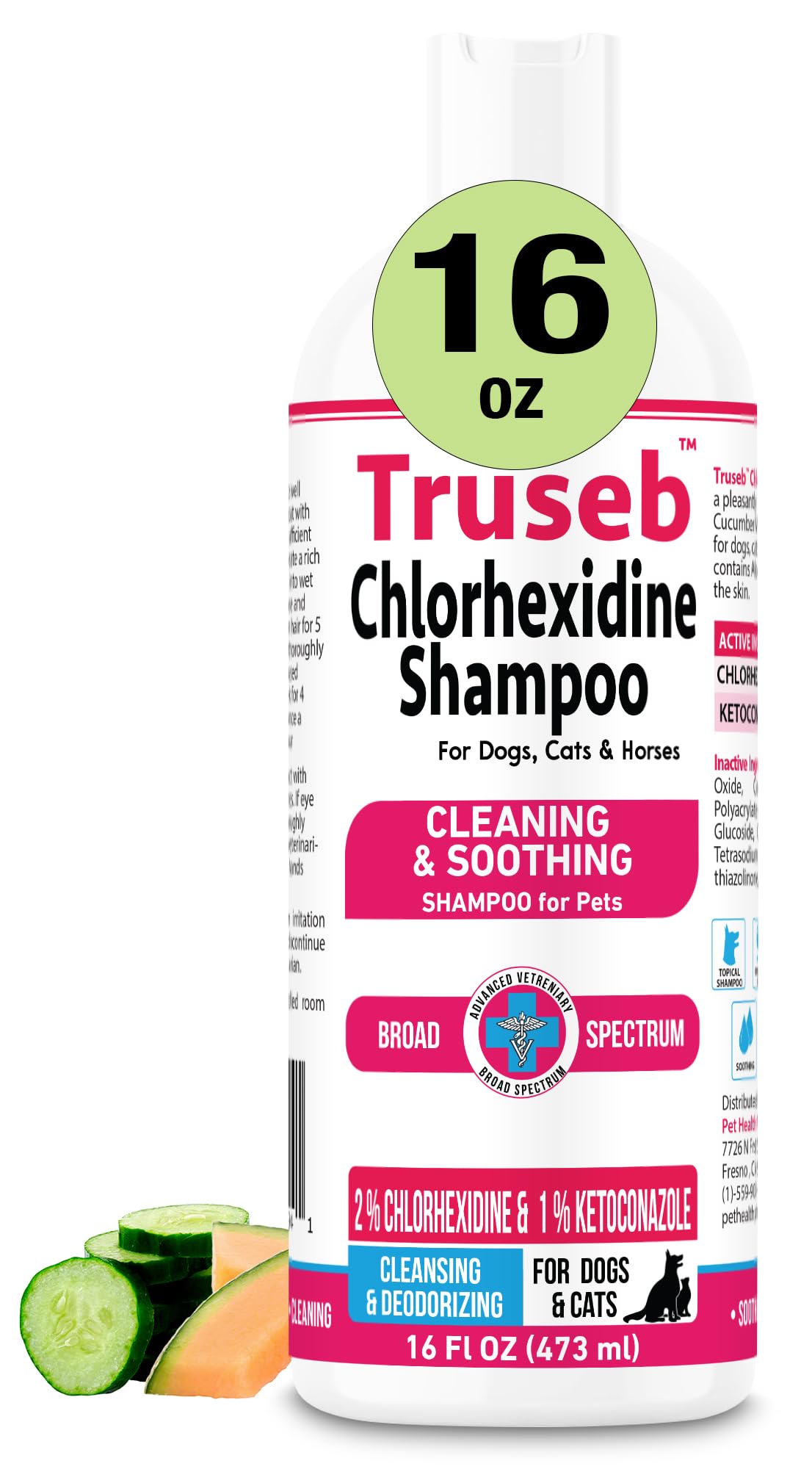
This shampoo combines two of the most effective antifungal and antibacterial agents — 2% ketoconazole and 1% chlorhexidine — into a single veterinary-strength formula. That dual-action approach directly targets the Dermatophilus congolensis bacteria that causes rain rot, while the ketoconazole suppresses the fungal component that often complicates the infection. The addition of aloe vera keeps the formula gentle enough for horses with broken or raw skin.
Owners consistently report visible improvements after a single wash, with hot spots and fungal patches softening within days. The 16-ounce bottle provides multiple full-body baths for an average-sized horse, making the per-treatment cost reasonable. The cucumber-melon scent is light and refreshing — a welcome change from the heavy medicinal odors of some veterinary shampoos.
Being soap-free and paraben-free means it won’t strip the coat’s natural moisture barrier, which is crucial when bathing every few days during an active outbreak. The lather is rich enough to work deep into the hair shaft where crusty lesions form. For a reliable, no-compromise rain rot treatment, this is the first bottle to reach for.
Why we love it
- Dual ketoconazole and chlorhexidine attack fungus and bacteria simultaneously
- Gentle aloe base doesn’t further irritate broken skin
- Pleasant cucumber-melon scent masks medicinal odor
Good to know
- 16 oz bottle may need reordering for severe cases requiring frequent baths
- Contact time of 5-10 minutes required for full efficacy
2. Vetericyn FoamCare Medicated Horse Shampoo

This spray-on foam format is a game-changer for winter rain rot battles. When temperatures drop and hosing down a horse isn’t practical, FoamCare lets you apply medication directly to crusty patches without soaking the entire animal. The miconazole 1% active ingredient targets the specific fungal pathogens behind rain rot, ringworm, and scratches — all common wet-weather skin issues.
Owners with horses in freezing climates praise the spot-treatment capability. You spray the foam directly onto rain rot lesions, work it in gently with your fingers, and leave it for 5 minutes before rinsing with a bucket of warm water. The foam expands to cover the affected area without running off, which means less waste and more precise dosing compared to liquid shampoos.
The 32-ounce bottle is the largest volume in this lineup and the spray delivery actually stretches further than traditional lathers because you use less product per application. It’s pH-balanced and free of sulfates, parabens, and chemical dyes — making it safe for horses with the most sensitive skin even during repeated treatments. For owners who need a targeted, mess-free solution, this design is uniquely effective.
Why we love it
- Spray foam enables cold-weather spot treatment without full hosing
- Miconazole 1% proven effective against rain rot and ringworm
- Large 32 oz bottle with efficient foam application that reduces waste
Good to know
- Foam format may not lather as fully for a full-body bath
- Some owners prefer a liquid shampoo for widespread outbreaks
3. Absorbine Silver Honey Rapid Skin Relief Medicated Shampoo

Absorbine uses a novel approach — MicroSilver BG and medical-grade Manuka Honey — instead of synthetic antifungals. The silver particles actively disrupt microbial cell membranes while the honey’s natural hydrogen peroxide provides antibacterial action without the sting. This combination is especially valuable when rain rot has left the skin raw, sore, and extremely sensitive to chemical irritants.
The 5-minute contact time is clearly stated on the bottle, making it easy to follow even during rushed barn routines. Owners report that the shampoo resolves not just rain rot crusts but also the underlying itching that drives horses to rub and worsen the damage. A nickel-sized amount produces a rich lather that rinses cleanly without sticky residue, which matters when treating large patches on the back and rump.
The formulation is pH-balanced to avoid disrupting the horse’s natural skin microbiome — a key advantage over harsher medicated shampoos that can kill beneficial bacteria along with the pathogens. It’s completely free of antibiotics, steroids, fragrances, and sulfates. While it costs more per ounce, the bottle lasts longer because the lather is exceptionally concentrated.
Why we love it
- MicroSilver BG and Manuka Honey are gentle on raw, irritated skin
- pH-balanced formula preserves healthy skin microbiome
- Highly concentrated lather stretches product further
Good to know
- Premium price point compared to synthetic antifungal shampoos
- Not formulated with ketoconazole or chlorhexidine for heavy fungal cases
4. E3 Antifungal Ketoconazole and Thymol Skincare Shampoo

E3’s formula packs ketoconazole alongside thymol, a natural antiseptic compound found in thyme oil, and enriches it with nano-sized vitamins A, C, E, and F. These vitamins are micronized to penetrate deeper into the skin layers, delivering healing nutrients directly to the damaged tissue beneath rain rot crusts. The unscented formulation makes it ideal for horses with fragrance sensitivities that often accompany skin conditions.
Owner feedback highlights its dual-use convenience for horses and dogs, making it a practical option for multi-pet households. Users report that the shampoo not only clears fungal patches but also restores coat luster — one owner noted their bay horse’s dapples returned after the rain rot resolved. The gel consistency lathers up nicely and rinses clean without leaving a film.
The 8-ounce bottle is smaller than the competition, which is worth noting if you have a large horse with widespread lesions. However, the concentrated gel formula means you use less per bath compared to watery shampoos. For budget-conscious owners or those dealing with a localized outbreak, this unscented, vitamin-enriched option delivers solid antifungal performance at a sensible price.
Why we love it
- Nano vitamins A, C, E, F deliver nutrients directly to damaged skin
- Unscented formula avoids aggravating fragrance-sensitive horses
- Effective for both horses and dogs in multi-pet households
Good to know
- 8 oz bottle is smaller than most competitors
- Unscented may not appeal to owners who prefer a fresh-smelling coat
5. KetoWELL Topical Shampoo for Dogs, Cats and Horses

KetoWELL keeps it straightforward: ketoconazole as the active ingredient, paraben-free formulation, and a 16-ounce bottle at an accessible price point. It’s designed to cleanse superficial cuts, abrasions, and insect bites alongside treating fungal conditions like rain rot. The liquid consistency makes it easy to work into a lather across large areas, and owners report it gets into hard-to-reach spots like the girth area and between the hind legs.
Real-world results from horse and dog owners show the shampoo effectively resolves itching, hot spots, and fur loss when used consistently every 2 to 3 days. One reviewer noted their pit bull’s fur regrew shiny and lush after just two weeks of treatment with a 5 to 10 minute contact time each bath. For horses with rain rot that has progressed to open sores, the gentle conditioning agents help soften crusts without causing additional pain.
The slight medicinal scent is a minor trade-off for the antifungal power — it fades quickly after rinsing and doesn’t linger on the coat. While the formula lacks the dual-agent power of the Truseb option or the innovative delivery of the Vetericyn foam, it delivers reliable ketoconazole treatment at a cost that makes frequent bathing affordable. For owners needing an honest, no-frills shampoo that simply works, this is a solid choice.
Why we love it
- Straightforward ketoconazole formula at a budget-friendly price point
- 16 oz bottle provides plenty of volume for multiple baths
- Gentle enough for sensitive skin with paraben-free formulation
Good to know
- Medicinal scent may be noticeable during application
- Lacks chlorhexidine for antibacterial coverage against secondary infections
FAQ
Can I use dog dandruff shampoo for rain rot on my horse?
How long does it take for rain rot shampoo to show results?
Should I clip my horse’s coat before applying rain rot shampoo?
Is it safe to use rain rot shampoo on other animals like dogs or cats?
Final Thoughts: The Verdict
For most horse owners, the shampoo for rain rot in horses winner is the Truseb Ketoconazole and Chlorhexidine Shampoo because its dual antifungal-antibacterial approach addresses both the fungal infection and the secondary bacterial complications that keep rain rot alive. If you need precise spot treatment during freezing weather, grab the Vetericyn FoamCare for its spray-on convenience. And for horses with painfully raw, sensitive skin that reacts to chemical antifungals, nothing beats the Absorbine Silver Honey for gentle yet effective relief.