
Choosing the wrong ground cover for your axolotl tank can lead to fatal impaction, yet many keepers grab the first bag off the shelf without checking grain size. A substrate that works for cichlids or goldfish can be a death sentence for a bottom-dwelling axolotl that inhales everything in its path. The material, texture, and weight of every grain matters when you share a tank with a creature that breathes through its skin.
I’m Mo Mahin — the founder and writer behind Furric. Over years of analyzing aquarium product data, I’ve combed through hundreds of substrate reviews, cross-referenced grain size specs with axolotl impaction reports, and studied the feedback from seasoned keepers who have lost animals to sharp gravel.
This guide breaks down the safest grain textures, rinsing protocols, and color considerations so you can confidently choose a substrate for axolotl that protects your pet’s digestive system while making the tank look polished.
How To Choose The Best Substrate For Axolotl
Axolotls are indiscriminate feeders that inhale anything that fits in their mouths. A substrate that looks harmless to you can cause fatal intestinal blockages within 24 hours. Understanding the physics of grain size and the chemistry of the material is the difference between a safe tank and an emergency vet visit.
Grain Size and Texture — The Safety Priority
The critical rule is that every grain must be small enough to pass through an axolotl’s digestive tract without lodging. Substrates labeled “fine sand” with grains under 1 mm are generally safe. Larger particles between 1 mm and 3 mm, such as those found in some “natural” sands or gravels, are the most dangerous because they are too large to pass but too small to be spit out. Smooth, rounded grains are always preferable to angular or sharp particles that can scrape the delicate gill filaments or skin.
Inert vs. Active Substrates
Most axolotl keepers choose inert sands that do not alter water chemistry. Aquasoils and active substrates that buffer pH or release nutrients are unnecessary for axolotls and can create unstable water conditions. Inert silica-based or natural river sands are ideal because they keep pH stable in the 7.0 to 7.5 range axolotls need. Avoid any substrate with added fertilizers, dyes, or calcium carbonate that hardens water.
Color and Aquascaping Considerations
Black sand makes dark-morph axolotls (wild type, melanoid) visually pop while providing a dramatic contrast for plants and hardscape. White sand creates a clean look but can reflect light and stress lighter-colored leucistic axolotls. Gold or natural tan sands mimic wild habitats and hide waste better, reducing the visual pressure to over-clean the tank. Choose a color that complements your axolotl’s morph without adding unnatural dyes to the water.
Weight and Density
Lightweight sands that float or swirl easily when disturbed are harder to clean and more likely to be inhaled during feeding. Denser, heavier sands settle quickly after water movement and stay put during siphoning. A 20-pound bag of dense natural sand will also anchor decorations better than a lightweight product, reducing the risk of a rock or driftwood tipping over onto your axolotl.
Quick Comparison
On smaller screens, swipe sideways to see the full table.
| Model | Category | Best For | Key Spec | Amazon |
|---|---|---|---|---|
| Aqua Natural Galaxy Sand | Premium Fine Sand | Dramatic aquascapes with deep black tone | Sparkling black grains under 1 mm | Amazon |
| imagitarium Black Aquarium Sand | Classic Black Sand | Keepers who want matte black finish | Non-toxic silica sand, 20 lb bag | Amazon |
| Carib Sea Sunset Gold Sand | Natural River Sand | Naturalistic tanks with soft-bottom dwellers | pH neutral, dye-free gold grains | Amazon |
| Seachem Fluorite Black Sand | Plant-Specific Sand | Planted axolotl tanks needing root support | Porous black granules, 7.7 lb bag | Amazon |
| Estes Aqua Sand White | Budget Fine Sand | Starters seeking a safe, low-cost option | Coarse white sand, 5 lb bag | Amazon |
In‑Depth Reviews
1. Aqua Natural Galaxy Sand 20lb

Aqua Natural’s Galaxy Sand hits the ideal texture for axolotl tanks — a deep black, fine sand that stays below the dangerous grain-size threshold. Reviewers consistently note that it arrives clean with minimal clouding after rinsing, saving hours of prep time compared to dustier alternatives. The sand has a subtle shimmer that catches light without being reflective enough to stress light-sensitive morphs.
At 20 pounds, this bag provides enough depth for a standard 20-gallon long tank at a 1-inch layer, which is the minimum recommended coverage for axolotls. The grains are dense enough to anchor driftwood and slate caves without floating into the water column during filter flow. Buyers with corydoras catfish also report the sand is soft enough for barbel-safe digging, a good indicator for axolotl skin safety.
The only preparation caveat is that a small minority of bags require a thorough rinse to remove residual dust, and initial cloudiness can take a few hours to clear. Once settled, the color remains stable without fading, and the sand does not compact into an anaerobic layer when properly maintained with weekly spot-siphoning.
Why we love it
- Deep, natural black color enhances axolotl coloration
- Very fine grain size eliminates impaction risk
- Minimal rinsing required compared to other sands
Good to know
- Some bags may still produce temporary cloudiness after installation
- Heavy 20-pound bag may be overkill for nano tanks
2. imagitarium Black Aquarium Sand 20 lb
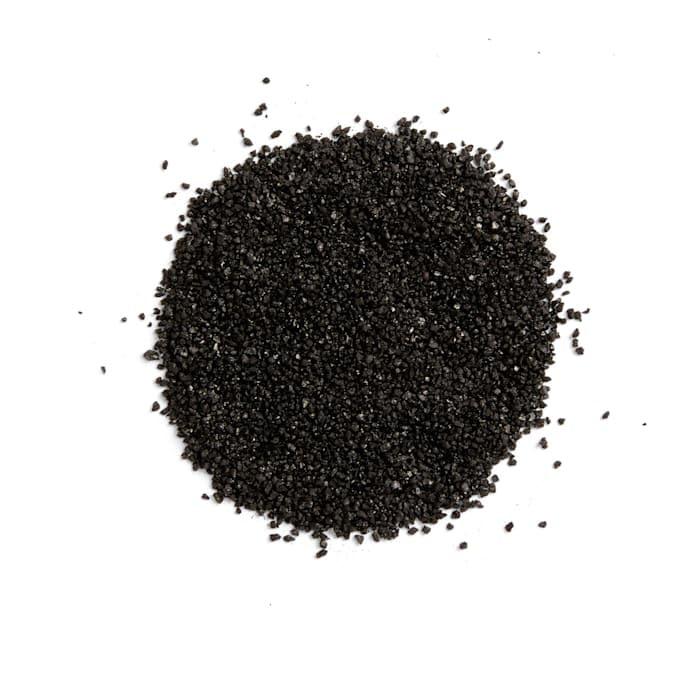
Imagitarium’s black sand delivers a matte, non-reflective finish that makes axolotls stand out without creating glare. The 20-pound bag offers substantial coverage for larger tanks, and the silica-based material is completely inert — it will not alter pH, GH, or KH, which is critical for axolotl health. Multiple reviewers confirm that after a 10-minute rinse, water runs clear.
The sand is notably lightweight, which is a double-edged sword. It settles quickly after being disturbed, but some buyers mention that small particles can get sucked into filter intakes or pulled up during vacuuming. For axolotl keepers, this means using a sponge pre-filter on the intake and being gentle with siphon technique to avoid removing too much sand with waste.
A few isolated reports describe bags that caused bacterial blooms even after rinsing, though the majority of feedback is positive. The color is described as a true matte black that does not wash out over time, providing a consistent backdrop that makes plants and your axolotl’s gill filaments pop visually.
Why we love it
- True matte black finish with no shimmer or glare
- 20-pound bag covers deep tanks affordably
- Inert silica will not change water chemistry
Good to know
- Lightweight grains can be sucked into filter intakes
- Bag quality consistency varies between batches
3. Carib Sea Super Natural Sunset Gold Sand

Carib Sea’s Sunset Gold Sand replicates the warm, tan appearance of natural riverbeds where axolotls originated. The sand is manufactured in the USA without dyes or paints, and it tests pH neutral in every batch — meaning it will not drift your tank’s chemistry toward acidity or alkalinity. This is a premium choice for keepers aiming for a biotope-style setup.
The grain size is fine enough for safe axolotl feeding behavior, and it settles rapidly after being disturbed by burrowing or digging. Reviewers who also keep corydoras catfish note that the sand is soft enough for barbel-safe sifting, reinforcing its suitability for sensitive-skinned axolotls. The gold color hides decaying plant matter and waste better than white or black sand, reducing visual stress for perfectionist keepers.
The primary drawback is dust. Every single review emphasizes that this sand must be rinsed for 20 minutes or more until the water runs completely clear. If you skip this step, the tank will look like a dust storm for days. Once clean, the water stays crystal clear even during water changes, and the sand remains loose enough to prevent anaerobic pockets when maintained regularly.
Why we love it
- Natural gold color mimics wild axolotl habitats
- pH neutral and completely dye-free
- Soft grains are safe for delicate barbels and skin
Good to know
- Requires 20+ minutes of aggressive rinsing before use
- Five-pound bag is small; larger tanks need multiple bags
4. Seachem Fluorite Black Sand 7.7 lb

Seachem Fluorite Black Sand is technically a plant-specific substrate, but its porous structure makes it a strong option for planted axolotl tanks where root growth matters. The 7.7-pound bag is lighter than the others on this list, but the sand is denser than it looks — a little goes a long way for creating a thin, safe layer. Reviewers describe it as “very very fine,” almost powder-like, which eliminates any impaction concern.
The color reads more gray than true black when dry, but once submerged, it darkens to an attractive charcoal that works well with green plants. The porosity provides surface area for beneficial bacteria colonization, which can help stabilize the nitrogen cycle in a newly set up axolotl tank. However, this same porosity means it holds onto dust aggressively — rinsing three or four times is the minimum recommendation from buyers.
The primary caution for axolotl keepers is that this sand is so fine that it can stay suspended in the water column for hours if disturbed. A gentle pour-in method and a low-flow spray bar are recommended to prevent cloudiness. For keepers who run a bare-bottom tank with a single plant pot, this sand may be over-engineered; but for a fully planted scape, the root support is unmatched.
Why we love it
- Extremely fine grain — zero impaction risk
- Porous structure supports beneficial bacteria and plant roots
- Becomes attractive charcoal color underwater
Good to know
- Requires very thorough rinsing (3-4 times minimum)
- 7.7-pound bag is smaller than standard 20 lb options
5. Estes 28199 Aqua Sand White 5 lb

Estes Aqua Sand is the most budget-friendly entry on this list, and it has been a staple in the aquarium market since 2004. The white color is described by users as “not blindingly white but not yellow,” giving a clean off-white look that brightens the tank without being harsh. The grain is described as “thick” relative to other sands, so while it is still fine enough for axolotls, it is coarser than the Seachem or Aqua Natural options.
One of the biggest advantages for axolotl keepers is how quickly this sand settles. Reviewers note that after a rinse in a 2.5-gallon bucket, the sand was ready in hours with minimal cloudiness. The short settling time means you can add your axolotl to the tank sooner without stressing the animal with dirty water. The five-pound bag is small, but it is enough for a shallow layer in a 10-gallon quarantine or juvenile tank.
The downsides are the smaller bag size and the fact that the coarser texture may feel different under an axolotl’s soft belly compared to finer sands. Some buyers were surprised by the physical size of the bag, expecting more volume for the weight. If you are stocking a 20-gallon or larger display tank, you will need multiple bags, which reduces the cost advantage here.
Why we love it
- Very affordable entry point for a safe substrate
- Settles quickly after rinsing with minimal clouding
- Light off-white color works well in bright tanks
Good to know
- Five-pound bag only covers small tanks or thin layers
- Coarser grain than premium fine sands
FAQ
Can I use any play sand from a hardware store for my axolotl tank?
What grain size is safe for an axolotl not to ingest it?
Does black sand make axolotls more stressed than lighter sand?
How do I clean a sand substrate without sucking it all up?
Final Thoughts: The Verdict
For most axolotl keepers, the best substrate for axolotl is the Aqua Natural Galaxy Sand because it combines a safe sub-1 mm grain size with a dramatic black finish that requires minimal rinsing. If you want a natural river look with a pH-neutral guarantee and don’t mind a longer rinse session, grab the Carib Sea Sunset Gold Sand. And for a planted tank that needs porous root support without impaction risk, the Seachem Fluorite Black Sand is the most versatile choice.