
Cichlid health begins at the bottom of the tank. These fish are biologically tied to their substrate — not just for digging and spawning, but because the mineral content of your bed directly governs water hardness and pH stability. Choosing the wrong inert sand can slowly acidify the water, crushing cichlid immune systems and dulling their color.
I’m Mo Mahin — the founder and writer behind Furric. I’ve spent over a decade studying how different grain sizes, mineral compositions, and buffering capacities affect African Rift Lake and South American cichlid species in captivity, cross-referencing supplier specs with real aquarist feedback.
This guide breaks down five substrates that actually match the chemical demands of cichlids, from high-buffering aragonite sands to planted-tank soils. You’ll learn which substrate delivers the right GH and KH for your specific setup in our full breakdown of the best substrate for cichlids.
How To Choose The Best Substrate For Cichlids
Selecting the right substrate for cichlids means matching the chemistry of the bed to the wild water parameters of your fish. African Rift Lake cichlids need high pH and hard water, while South American species thrive in softer, slightly acidic conditions. Here are the three critical factors that determine whether your substrate helps or hurts your cichlid colony.
Buffering Capacity and Mineral Content
Calcium carbonate (CaCO₃) is the key mineral that pushes pH and KH upward. Substrates with crushed coral, aragonite, or oyster shell are active — they slowly dissolve under acidic conditions, buffering the water against pH crashes. Pure silica or quartz sand is inert and will not raise hardness. If you keep African cichlids, an inert bed forces you to rely entirely on chemical additives and regular water changes, which is a fragile system. Active substrates provide a safety net.
Grain Size and Shape
Cichlids sift substrate through their mouths to find food and to excavate spawning pits. Sharp, jagged grains (unwashed crushed coral or cheap play sand) abrade gill filaments and barbels, leading to bacterial infections. Look for a grain diameter between 1 mm and 3 mm with a smooth, rounded profile. Sand that is too fine (under 0.5 mm) becomes compacted, creating anaerobic dead zones. Grain that is too large (over 5 mm) cannot be picked up, defeating the natural foraging behavior.
Depth and Maintenance Needs
Most cichlid species need a substrate depth of 1.5 to 2.5 inches. Digging cichlids like Aulonocara (Peacocks) will constantly excavate, so a deeper bed prevents them from hitting bare glass. However, deeper beds collect more detritus. You need a substrate that backwashes easily or can be spot-cleaned without pulling the whole bed apart. Silica sands are easy to rinse and reuse; crushed coral beds will eventually dissolve and need top-ups every 12–18 months.
Quick Comparison
On smaller screens, swipe sideways to see the full table.
| Model | Category | Best For | Key Spec | Amazon |
|---|---|---|---|---|
| FZONE Aquarium Soil | Active Soil | South American cichlids & planted tanks | 3mm grain size, nutrient-rich, dust-free | Amazon |
| Play22 20 Grade Pool Sand | Silica Sand | African cichlids needing pH stability | 20-grade silica, 52 lb bag | Amazon |
| Aqua Joe Premium Pool Sand | Silica Sand | Budget-friendly base for large tanks | Natural silica, 50 lb bag, uniform 20-grade | Amazon |
| U.S Silica Silurian 20-Grade | Silica Sand | Clean water with minimal clouding | Silica quartz, 50 lb, white appearance | Amazon |
| U.S. Silica Mystic White II | Silica Sand | High-traffic community cichlid tanks | White silica, 50 lb bag, chemically inert | Amazon |
In‑Depth Reviews
1. FZONE Aquarium Soil for Planted Tanks
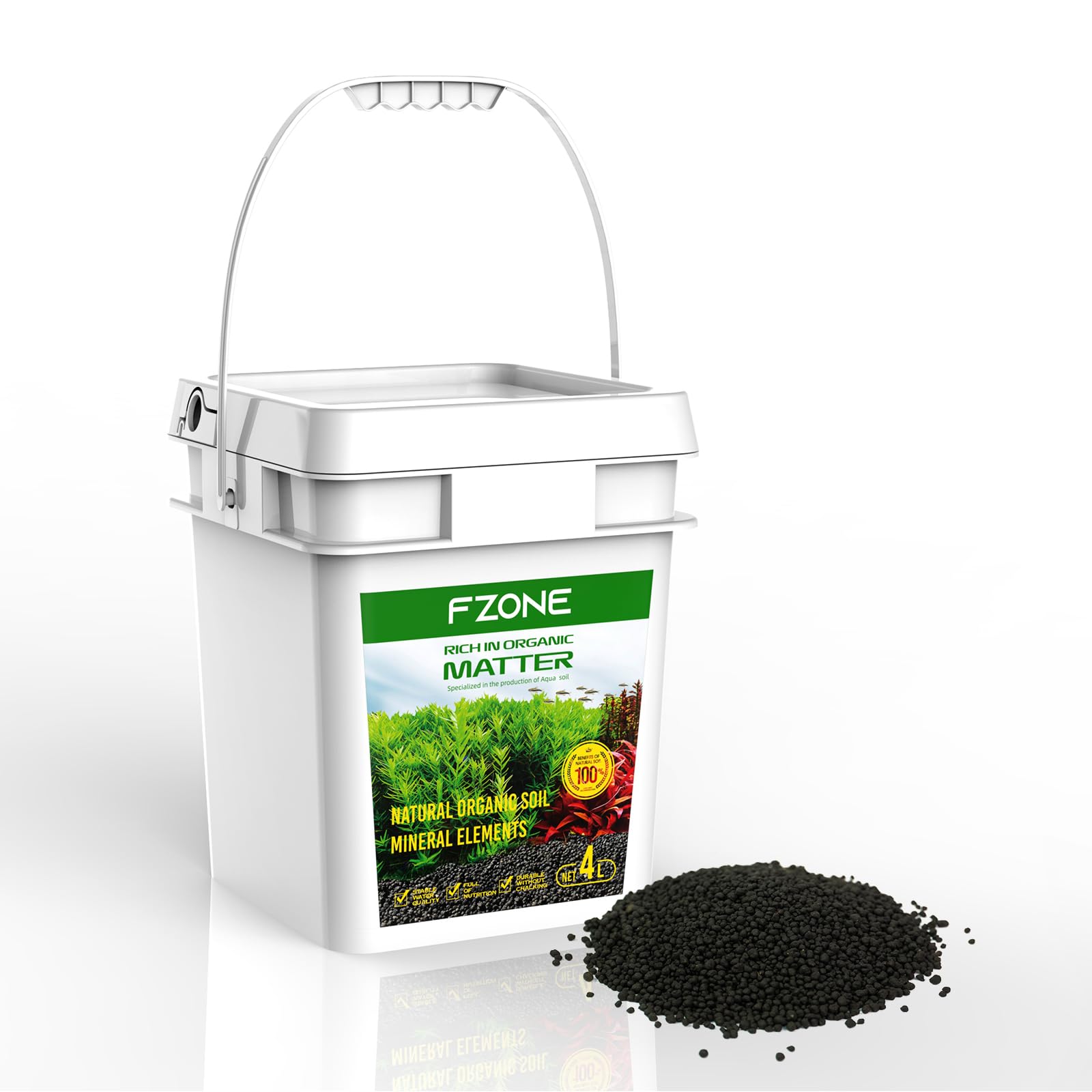
The FZONE Aquarium Soil is the only active buffering substrate in this lineup. Unlike inert silica sands, these nutrient-rich pellets are designed for planted setups and soft-water cichlid species like Apistogramma or Kribensis. At 3 mm diameter, the grain is small enough for cichlids to sift without gill damage but heavy enough to stay in place during digging. The dust-free claim holds up — rinsing requires just a single pass before it stops clouding the water column.
The real advantage here is the built-in cation exchange capacity. This soil actively binds excess nutrients and leaches trace elements that benefit rooted plants. In a South American cichlid biotope, that means you can grow Amazon swords or Cryptocoryne directly without root tabs. The buffering does slowly lower pH over the first two months, which is ideal for soft-water species but dangerous if you introduce African Rift Lake cichlids that rely on high KH.
Volume is the trade-off. At 4 liters (about 6.6 pounds), a single bag barely covers the bottom of a 30-gallon tank at 2 inches deep. For larger display tanks, you will need multiple bags, which pushes the cost per gallon well above any silica option. This product is best for dedicated biotope aquarists who need a biologically active bed and can commit to the higher replacement frequency — about 12 to 18 months before the buffering capacity depletes.
Why we love it
- Active buffering stabilizes pH for soft-water cichlids
- Nutrient-rich composition supports heavy root feeders without extra supplements
- Dust-free formulation reduces clouding during setup
Good to know
- Small bag volume requires multiple purchases for tanks over 30 gallons
- Not suitable for African cichlids that need high KH water
- Buffering capacity depletes within 18 months, requiring full replacement
2. Play22 20 Grade Pool Filter Sand
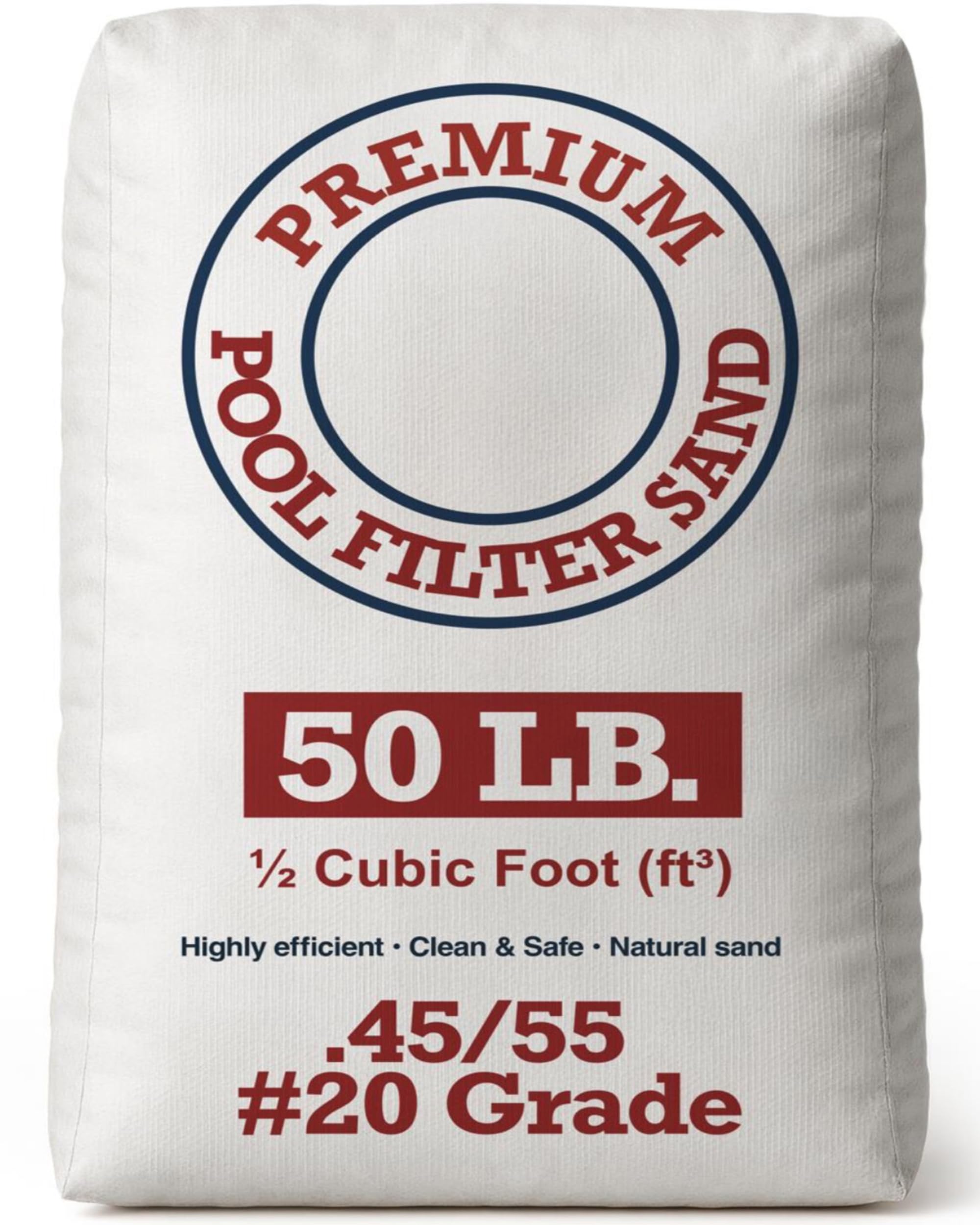
Play22’s 20-grade pool filter sand offers the most predictable chemically inert bed for cichlid keepers who want total control over their water chemistry. This is pure silica quartz with no calcium carbonate content — it will not raise pH or KH. That makes it the ideal blank canvas for African cichlid owners who maintain 8.0+ pH with buffers or for South American species that require stable neutral pH without any leaching. The 20-grade specification means the particles are sieved to a consistent size (roughly 0.45–0.85 mm), which prevents the development of anaerobic pockets.
The bag weight is a significant value advantage. At 52 pounds, a single bag can comfortably cover the entire footprint of a 75-gallon show tank to a depth of nearly 2 inches. The non-staining, non-corroding silica quality means no discoloration of white cichlid varieties like Albino Peacocks, and the high density of the sand keeps even aggressive diggers from creating craters that expose the bottom glass. The manufacturer claims the sand can last 2 to 5 years before needing replacement, which is accurate for a purely inert medium — it never dissolves or depletes.
The main limitation is grain size. While 0.45–0.85 mm is safe for most adult cichlids, fry and juvenile fish can accidentally ingest the smaller particles, leading to internal impaction. Thorough rinsing before use is also mandatory — dry pool sand produces thick dust clouds that take 24 hours to settle. For aquarists who want a long-lasting, affordable base that they can custom-mix with crushed coral or aragonite, this sand is the best starting point in the pool-filter category.
Why we love it
- Inert silica composition offers complete chemical control without pH drift
- Large 52-pound bag covers big tanks economically
- Consistent grain size prevents anaerobic dead zones
Good to know
- Fine particles can be ingested by fry in breeding setups
- Requires aggressive pre-rinsing to avoid initial white clouding
- No buffering capacity — relies entirely on water additives for pH management
3. Aqua Joe Premium Pool & Spa Filter Sand
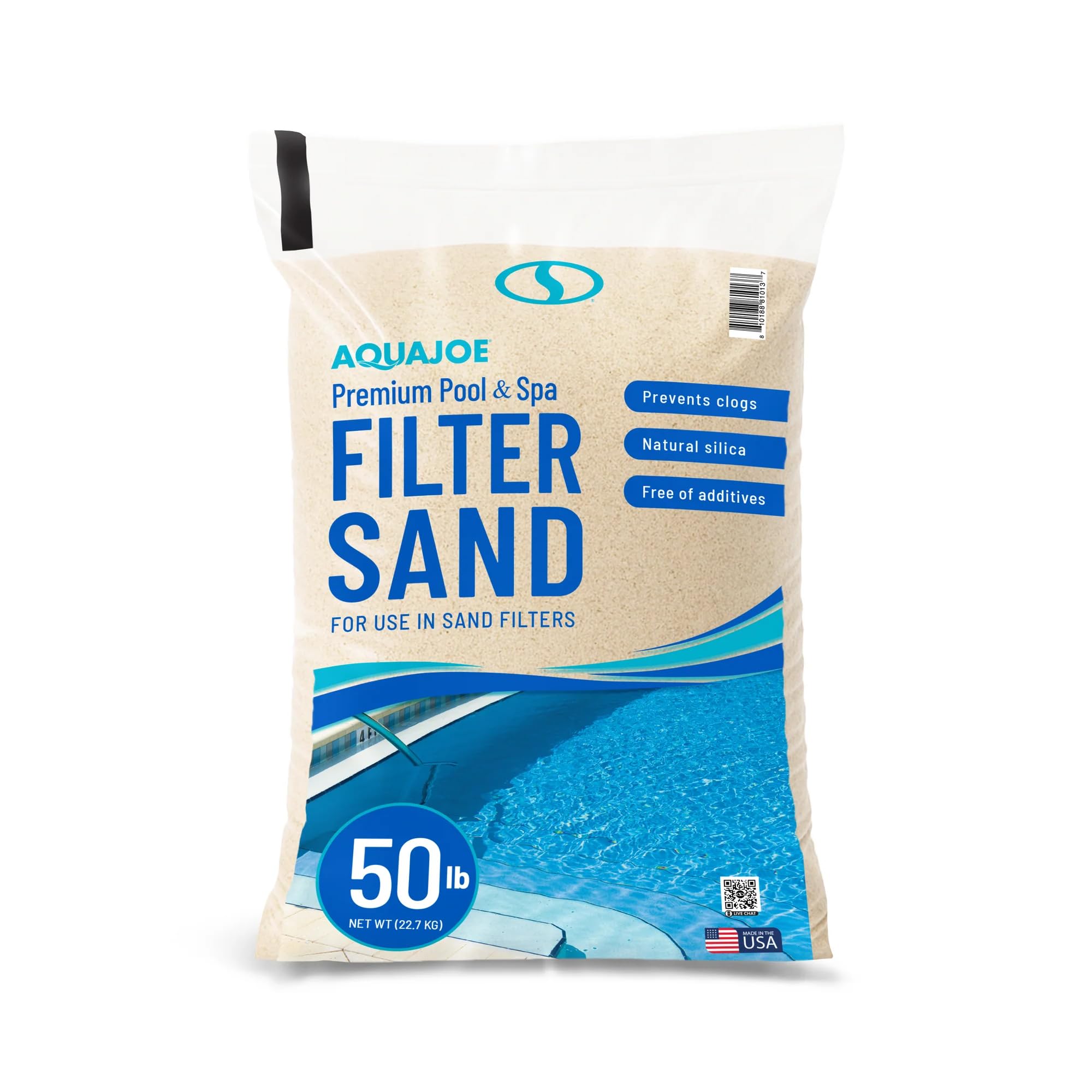
Aqua Joe Premium Pool Sand is the most accessible entry point for cichlid keepers on a strict budget who still want a reliable inert bed. At 50 pounds of natural silica, the bag matches the weight of premium competitors while landing at a noticeably lower cost per pound. The 20-grade grain distribution is consistent — particles fall between 0.45 mm and 0.85 mm — which is ideal for medium to large cichlids that do not sift as aggressively. Unlike washed play sand, this pool-grade material does not contain organic impurities that could spike ammonia during the nitrogen cycle.
The standout feature here is the grain’s angular structure. Silica pool sand is crushed, not naturally rounded, which creates slightly sharper edges than beach sand. For fish that spend most of their time in the water column rather than digging (such as adult Frontosa or Geophagus), the angularity is irrelevant. But for bottom-dwelling species that constantly excavate, these edges can cause micro-abrasions on the gill filaments. That risk is minimized if you pair this sand with a layer of larger gravel or use it as a base cap below aragonite.
The biggest sacrifice at this tier is aesthetic finish. Aqua Joe’s sand appears slightly warmer in tone than pure white silica — a faint tan hue under strong LED lighting. For aquarists building a bright white African tank, this subtle color difference matters. For everyone else, the low cost per bag frees up budget for more important items like a proper canister filter or a GH/KH test kit. Just budget an extra 20 minutes for rinsing — this sand produces heavy dust clouds that need five or six passes before the water runs clear.
Why we love it
- Lowest cost per pound among the reviewed pool sands
- Grade consistency prevents compaction and dead zones
- Inert and ammonia-free — safe for cycling new tanks
Good to know
- Angular grain edges may irritate digging and sifting species
- Warm tan tint under intense lighting may disappoint crisp-white setups
- Requires heavy rinsing to clear dust before tank setup
4. U.S Silica Silurian 20-Grade Silica Quartz Sand
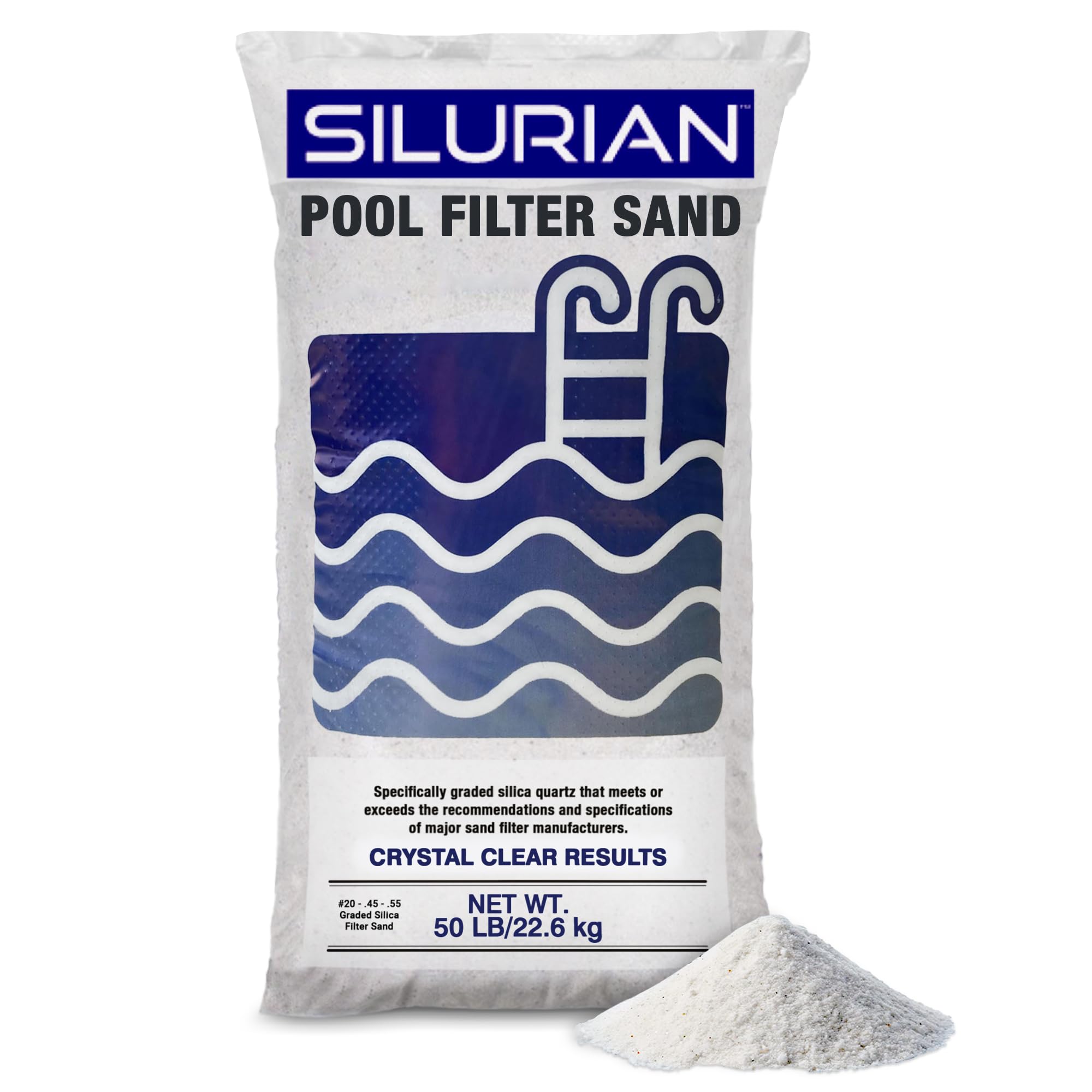
U.S Silica Silurian 20-Grade delivers a cleaner visual result than typical pool sand because the quartz particles are optically brighter. In a planted cichlid tank under 6500K lighting, this sand reflects light without making the water appear yellow or dingy, which is a common complaint with cheaper washed sands. The 20-grade sieve standard ensures that the particles are uniform — no large chunks that cichlids will try to swallow and no ultra-fine dust that clouds the water for days after setup.
This bag is particularly well-suited for semi-aggressive African cichlid communities like Haps and Peacocks. These fish need clear line-of-sight to establish territories, and the bright white bed amplifies the visual separation of fish colors. The inert quartz composition means zero pH drift, which is essential when you are managing a high-KH environment with crushed coral in the filter. The sand also compresses slightly over time under its own weight, which discourages the deep cratering that some cichlids create during breeding.
The downside is weight and portability. At 50 pounds, this bag is dense, and the silica dust that settles on the outer bag during storage can be a mild respiratory irritant if opened without care. Always open it outdoors or with a mask. For large-volume tanks (100+ gallons), the cost per bag is reasonable, but you will need three or more bags for a full 2-inch bed. For the aquarist who values aesthetic match and consistent filtration behavior, this sand justifies its slightly higher per-pound cost over the Aqua Joe option.
Why we love it
- Bright white appearance enhances fish coloration and tank clarity
- Uniform grain size prevents clumping and dead zones
- Inert chemistry gives the keeper full control over buffering
Good to know
- Silica dust on the bag exterior requires careful handling during pouring
- Multiple bags needed for tanks above 75 gallons
- No active buffering — must be combined with chemical additives for high-pH tanks
5. U.S. Silica Mystic White II Sand

U.S. Silica Mystic White II is the most established pool filter sand in the aquarium hobby, known for its reliably inert chemistry and bright white finish. Many aquarists gravitate toward this specific bag because it has been used in cichlid tanks for years with a proven safety track record — no reports of heavy metal contamination or unexpected ammonia spikes. The 50-pound bag is a familiar standard in the community, making it easy to calculate coverage for odd-shaped tanks like 125-gallon long setups.
For high-traffic community cichlid tanks where multiple species are housed together, Mystic White II provides the most predictable baseline. Because it contains zero calcium carbonate, it cannot buffer pH upward, but it also cannot lower pH through chemical leaching. That stability is critical when you are maintaining a mixed colony of Mbuna and Victorian cichlids that need precise water parameters. The sand’s weight also means aggressive diggers cannot easily kick large amounts into the water column, which keeps mechanical filter media cleaner longer.
The trade-off is visual depth. Mystic White II appears somewhat brighter but flatter than aragonite-based substrates, lacking the natural speckled appearance of wild Rift Lake sand. For aquarists building a true biotope, this is a compromise. Additionally, the fine grain size — between 0.45 mm and 0.70 mm — means it packs tighter than coarser sands, which can reduce water flow through the bed and increase the risk of detritus accumulation at the bottom layer. Regular gravel vacuuming and a twice-monthly deep clean of the top inch are necessary to maintain water quality.
Why we love it
- Proven safety history with decades of hobbyist use
- Heavy weight prevents displacement by digging cichlids
- Zero chemical leaching ensures total water parameter control
Good to know
- Bright flat color lacks the natural look of aragonite or crushed coral
- Fine grain compacts tightly, requiring dedicated vacuuming routine
- No pH buffering — unfit as the sole substrate for African biotopes without supplements
FAQ
Can I use pool filter sand for African cichlids?
Does substrate for cichlids need to buffer pH?
How much substrate do I need for a 75-gallon cichlid tank?
Is silica sand safe for cichlid fry?
How often should I replace cichlid substrate?
Final Thoughts: The Verdict
For most gardeners, the best substrate for cichlids winner is the Play22 20 Grade Pool Filter Sand because it offers the ideal combination of chemical inertness, consistent grain size, and massive bag weight that covers large African cichlid tanks without driving up cost. If you want active buffering that stabilizes pH for South American species and supports heavy plant growth, grab the FZONE Aquarium Soil. And for a premium bright-white aesthetic that makes Peacock and Hap colors pop against a clean background, nothing beats the U.S. Silica Mystic White II Sand.