
Creating a thriving home for your red-eared slider goes beyond clean water and a basking spot; the foundation you choose—the substrate—plays a silent yet critical role in their digestion, water quality, and natural instincts. A poor choice can lead to impaction or a perpetually murky tank, while the right one fosters health and enrichment.
I’m Mo Mahin — the founder and writer behind Furric. My deep dive into this niche involved scrutinizing veterinary papers on reptile gastrointestinal safety, parsing hundreds of turtle keeper forums for real-world experiences, and analyzing product formulations to separate marketing from genuinely safe materials.
This guide cuts through the confusion by examining the core properties of various bedding options, from bioactive mixes to simple sands. To ensure your red-eared slider’s well-being, selecting the best substrate for red eared slider is crucial for preventing health issues and maintaining a clean habitat.
How To Choose The Best Substrate For Red Eared Slider
Selecting a substrate isn’t about aesthetics alone; it’s a husbandry decision that affects your turtle’s physical health and your maintenance routine. Red-eared sliders are messy, inquisitive creatures that may ingest tank contents, so safety is the non-negotiable starting point.
Safety and Impaction Risk
The primary concern is choosing a material with a particle size large enough to pass through your turtle’s digestive system if accidentally ingested. Fine sands or small gravel can compact in the gut, leading to life-threatening blockages. Ideal substrates are either too large to swallow, completely digestible, or inert and smooth-edged.
Impact on Water Quality
An aquatic turtle’s substrate is constantly submerged, so it must not decompose rapidly or leach harmful chemicals. Materials should be inert, easy to vacuum, and not trap excessive waste, which can spike ammonia levels. Some substrates support beneficial bacterial growth, aiding in biological filtration.
Natural Behaviors and Enrichment
Red-eared sliders are natural diggers and foragers. A substrate that allows for this behavior—like a soft soil or sand—provides mental stimulation. However, balance this with cleanliness; very loose substrates can be stirred up easily, clouding the water.
Ease of Maintenance
Consider how the substrate will affect your weekly cleaning. Large, smooth river rocks are easy to vacuum around, while fine particles can clog filters. Some bioactive setups can reduce cleaning frequency but require a more complex initial setup.
Quick Comparison
On smaller screens, swipe sideways to see the full table.
| Model | Type | Best For | Key Feature | Amazon |
|---|---|---|---|---|
| Josh’s Frogs ABG Mix | Bioactive Soil | Planted & Bioactive Tanks | Slow-decay, plant-supporting blend | Amazon |
| Clioran XLarge Tank Kit | Habitat Kit | Complete Starter Setups | Includes filter, lamp, basking platform | Amazon |
| Clioran Large Tank Kit | Habitat Kit | Growing Baby Turtles | Integrated drainage for easy cleaning | Amazon |
| Jurassic Natural Australian Sand | Desert Sand | Dry Basking Areas | Ethically-senriched, naturalistic sand | Amazon |
| BNOSDM Reptile Soil | Soil Mix | Moisture Retention | Fluffy texture for digging | Amazon |
| Clioran Turtle Tank Kit | Habitat Kit | Very Small Hatchlings | All-in-one compact setup | Amazon |
| Riare Coconut Fiber | Coco Coir | Budget Moisture Control | Expands significantly with water | Amazon |
| Tfwadmx Reptile Bark | Pine Bark | Dry Terrestrial Zones | Reusable and odor-absorbing | Amazon |
| Turtle Food Shrimp | Freeze-Dried Food | High-Protein Treats | Whole shrimp, low-waste formula | Amazon |
In-Depth Reviews
1. Josh’s Frogs ABG Mix

For keepers aiming to create a truly naturalistic, planted, or bioactive section within a paludarium setup, this premium mix is the gold standard. It’s not just dirt; it’s a carefully balanced ecosystem in a bag, designed to support plant roots and beneficial microfauna while breaking down waste slowly and safely.
The blend, based on the Atlanta Botanical Garden recipe, includes tree fern fiber, orchid bark, charcoal, peat, and sphagnum moss. This creates a structure that holds humidity without becoming soggy, promotes drainage, and provides a stable base for live plants—a feature that can significantly improve water quality by utilizing nitrates. For sliders that have a dedicated land area for egg-laying or exploring, this substrate mimics the forest floor edges of their native habitats.
Experienced reptile enthusiasts consistently praise this mix for its quality and consistency. It’s a mid-range investment that pays off by creating a stable, low-maintenance, and visually stunning environment that supports the overall health of a complex habitat.
Why we love it
- Creates a balanced, bioactive environment that supports plant and microbial life.
- Engineered to break down very slowly, making it a long-lasting substrate choice.
- Excellent moisture retention and aeration, ideal for planted areas.
- Universally trusted brand within the advanced herpetoculture community.
Good to know
- Designed for tropical/forest setups, not for full submersion in an aquatic area.
- You need to mix the bag contents thoroughly before use as ingredients settle.
- A higher initial cost than basic options, but justified by its specialized formulation.
2. Clioran XLarge Turtle Tank Kit
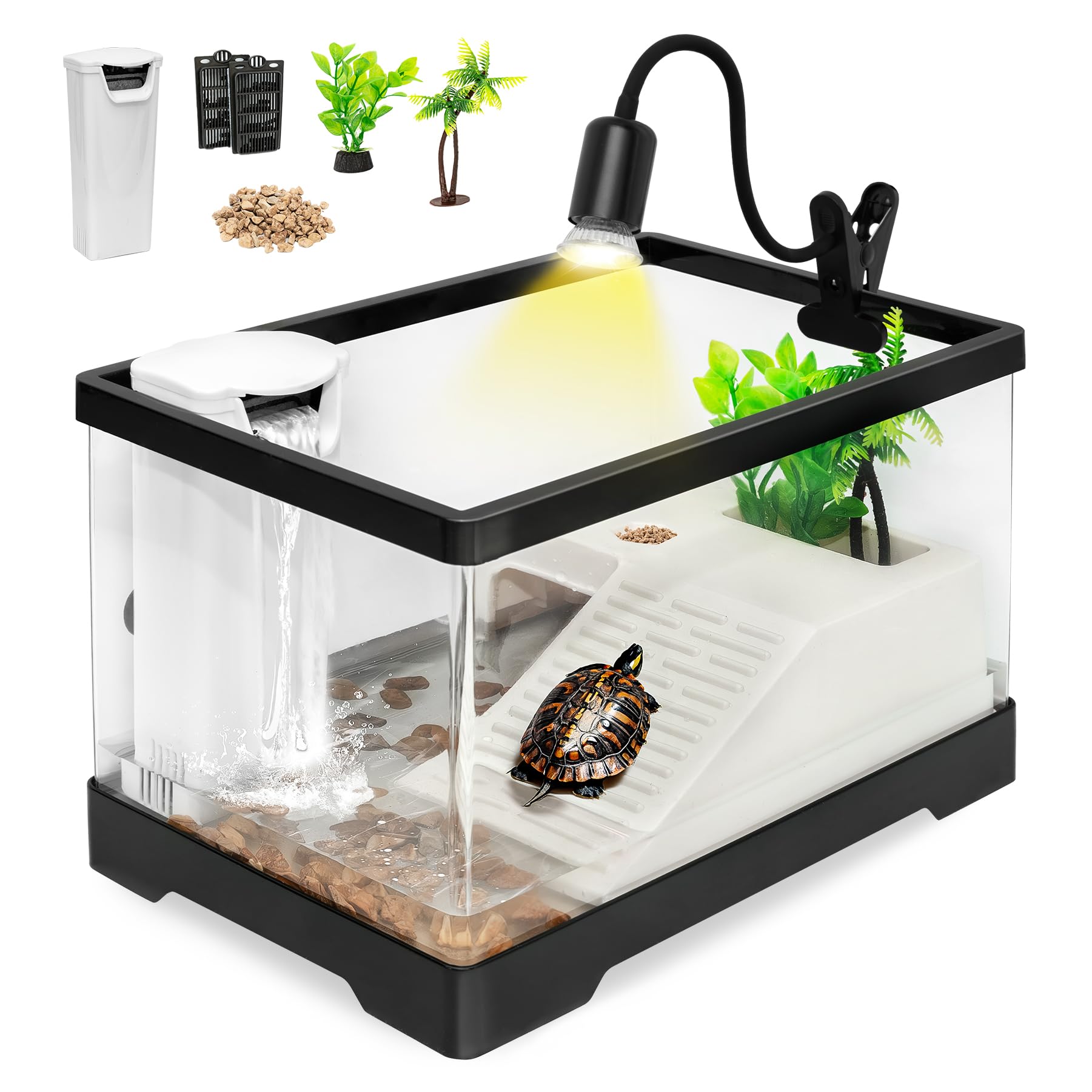
This comprehensive kit solves the common beginner dilemma of piecing together a habitat, and it includes a smooth, plastic basking platform that essentially acts as a safe, easy-to-clean “substitute substrate” for the dry zone. For new red-eared slider parents, it removes the guesswork and provides a functional starting point.
The nearly 8-gallon tank, while marketed as “XLarge,” is best suited for a single small hatchling with a plan to upgrade. The key features are the integrated bottom drain for easier water changes and the included UVB lamp and filter. The kit provides a clean, bare-bottom aquatic area and a defined basking spot, which is a perfectly acceptable and safe setup that eliminates ingestion risks entirely during the turtle’s most vulnerable growth stage.
First-time owners are often relieved to find an all-in-one solution. The feedback highlights that while the tank size is modest, the included components work cohesively to meet a baby slider’s basic needs for heat, light, filtration, and dry docking, making it a solid entry-level foundation.
Why we love it
- Eliminates compatibility stress by providing a matched filter, light, and basking area.
- The bottom drain is a thoughtful feature that simplifies the crucial task of water changes.
- Provides a completely ingestible-free environment for very young, curious turtles.
- Excellent for those who want a ready-to-go habitat without sourcing individual parts.
Good to know
- The tank size is appropriate only for a hatchling and will require a significant upgrade within the first year.
- Some buyers note the included filter is adequate but may need more frequent cleaning or eventual upgrading.
- Quality control on packaging can be inconsistent; check all components upon arrival.
3. Clioran Large Turtle Tank Kit
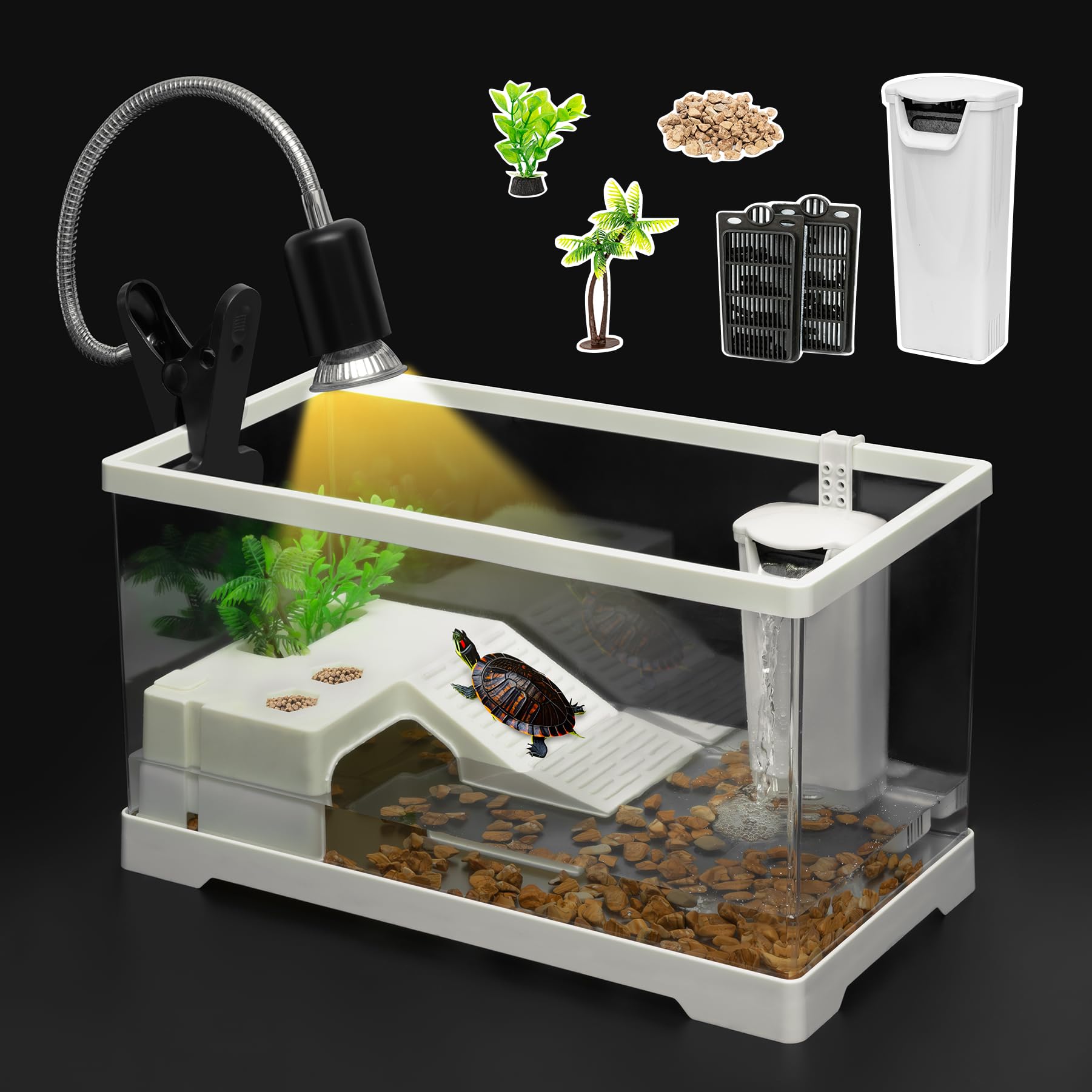
Sitting between the small and extra-large kits, this 5-gallon version offers a slightly more spacious start for a growing baby slider. It maintains the same integrated design philosophy, providing a clean, functional environment that prioritizes safety and ease of maintenance over naturalistic substrate.
The kit shares all the same components as its smaller sibling—the silent filter, UVB lamp, plastic plants, and basking platform. The primary advantage is a bit more swimming room, which can reduce stress and encourage natural activity. For keepers who want to provide a bare-bottom tank but feel the smaller kits are too cramped, this is a sensible middle-ground option that still focuses on husbandry fundamentals.
Community feedback is similar to the other kits: it’s praised as a great “out-of-the-box” solution for beginners, with the understanding that it’s a temporary home. The larger footprint is appreciated, but experienced keepers unanimously stress that an upgrade to a 40+ gallon tank will be necessary sooner than later.
Why we love it
- Offers more initial growth room than the smallest starter kits, delaying the first upgrade slightly.
- Maintains the user-friendly, all-inclusive design that simplifies early turtle care.
- The clear, seamless construction provides good visibility of your pet.
- Ideal for those who want a simple, low-risk setup for a juvenile turtle.
Good to know
- Still a temporary enclosure; a red-eared slider will outgrow this rapidly.
- Like the other kits, the included substrate is just decorative pebbles, which are not recommended for use with sliders due to ingestion risk.
- Some units may arrive with missing parts, so inspect immediately.
4. Jurassic Natural Australian Desert Dragon Habitat Substrate

This premium, ethically sourced sand is a standout for creating a dedicated, naturalistic basking area or “beach” within a larger slider enclosure. Its coarse, natural grain size is less likely to be inhaled or cause impaction compared to finer silica sands, and it holds heat beautifully, mimicking sun-warmed riverbanks.
Sourced from central Australia, this sand is chemically inert and free from dyes or additives. Its reddish-tan color provides a visually authentic look, and its texture encourages natural digging and burrowing behaviors in the dry zone of a paludarium. It’s important to note this is for the *land* section only; it should be kept separate from the water area to prevent it from being tracked into the aquatic zone and clouding the water.
Advanced hobbyists who create elaborate semi-aquatic biotopes swear by this product for its quality and safety. They report it has minimal dust, doesn’t stick excessively to food, and their reptiles exhibit more natural thermoregulation and exploratory behaviors when provided with a generous area of this substrate.
Why we love it
- Provides an authentic, heat-retentive medium for dry basking and digging areas.
- Coarser grain reduces risk of respiratory issues and intestinal compaction compared to play sand.
- Ethically sourced and free from artificial colors or chemicals.
- Highly regarded by experienced reptile keepers for naturalistic desert and arid zone builds.
Good to know
- Exclusively for dry land portions of the habitat, not for use in the water.
- A premium investment; filling a large basking area will require multiple bags.
- The color is a natural desert tan, not a vibrant red, as some may expect from the product images.
5. BNOSDM Reptile Soil Substrate

This soil-based substrate offers a wonderfully soft, fluffy texture that is irresistible to turtles that love to dig and burrow, particularly in a moist land area or for creating nesting sites for gravid females. It holds humidity well and helps maintain a stable microclimate in the terrestrial section of an enclosure.
The small-strand composition is designed to break down waste and liquids, helping to control odors. It’s a forgiving medium for live plants that might be placed in the land area, providing root support and nutrients. For a red-eared slider with a generous “beach” or land section, this substrate can satisfy deep instinctual drives to excavate and nest, which is a form of crucial environmental enrichment.
Reptile parents using this for their tortoises and terrestrial species note its excellent moisture-holding capabilities and natural appearance. The main caveat from the community is that the bag size can be deceptive; creating a deep, diggable area requires more material than one might anticipate, so planning for multiple bags is wise.
Why we love it
- Exceptional, loose texture perfectly mimics soft earth, encouraging natural digging behaviors.
- Effectively retains moisture to create a humid microclimate for nesting or plant roots.
- Helps neutralize waste odors and supports a cleaner terrestrial environment.
- Biodegradable and can be composted after use, making it an eco-friendly choice.
Good to know
- Not suitable for aquatic use; it will cloud water and break down if submerged.
- The volume in a single bag may be less than expected for larger enclosures.
- Can be messy if tracked into the water, potentially requiring a barrier or frequent spot cleaning.
6. Clioran Turtle Tank Kit
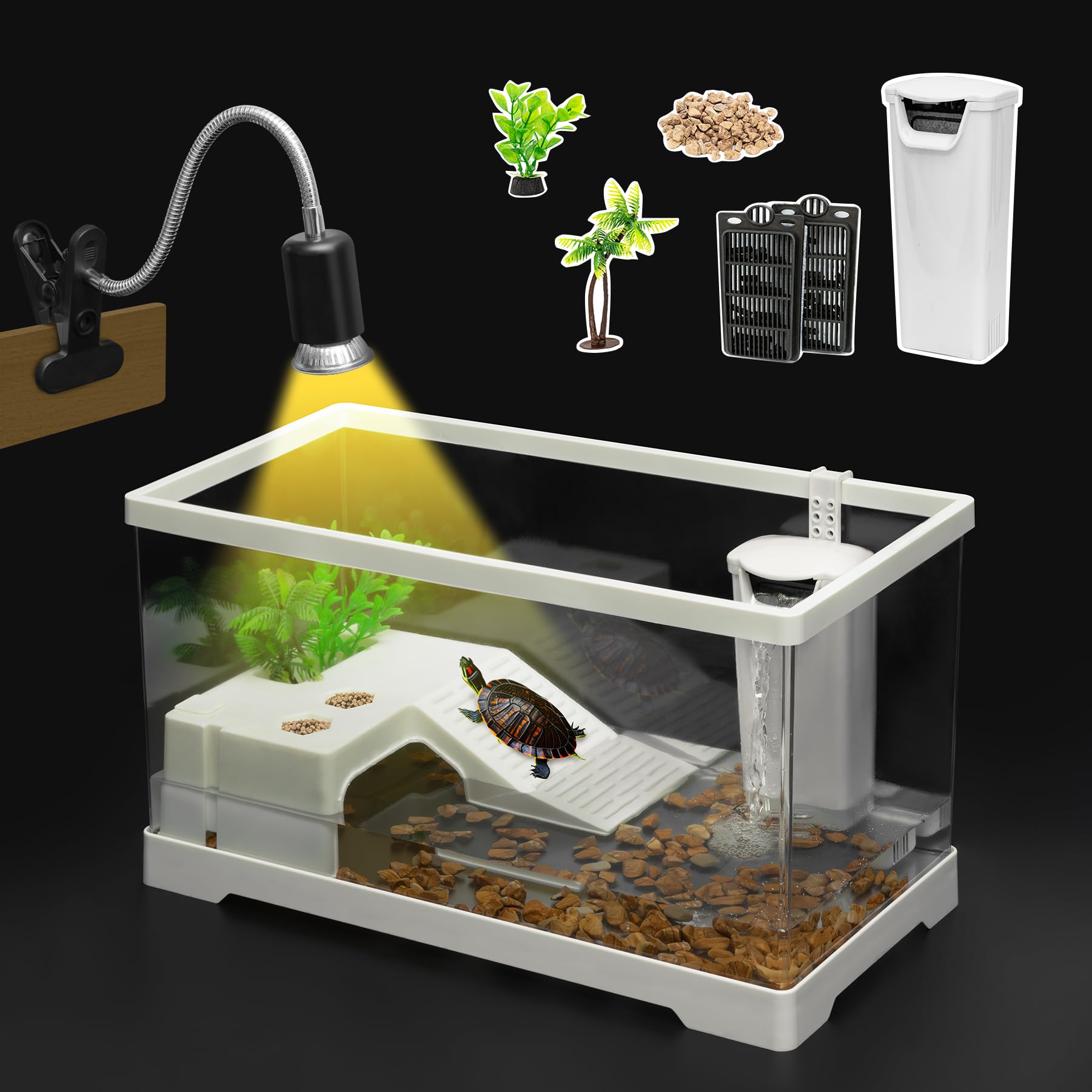
This is the most entry-level of the all-in-one kits, designed for the smallest of hatchlings or as a temporary hospital/quarantine tank. Its primary value is in providing the absolute essentials—water space, a basking platform, and lighting—at a very accessible point, allowing a new owner to get started properly.
The compact size (around 2.6 gallons) means its utility is extremely short-lived, but it serves as a critical bridge for someone who has unexpectedly acquired a tiny turtle and needs a proper setup immediately. It teaches the fundamentals of heating, lighting, and filtration without a large initial investment. The plastic basking platform provides a safe, solid surface.
Feedback from brand-new turtle owners is mixed but informative. Those who understand it’s a temporary “nursery” tank are satisfied, while those expecting a long-term home are disappointed. The consensus is that it works as intended for its size, but planning for the upgrade should begin the day you set it up.
Why we love it
- The most budget-friendly way to immediately provide a filtered, heated, and lit environment for a hatchling.
- Extremely compact footprint, ideal for tight spaces or as a secondary tank.
- Reduces the initial overwhelm for first-time owners by bundling necessary components.
- Useful beyond hatchling stage as a quarantine or hospital tank.
Good to know
- Very small water volume, which can lead to rapid water quality deterioration.
- A turtle will outgrow this in a matter of weeks, not months.
- The included decorative pebbles are a swallowing hazard and should be removed immediately.
7. Riare Natural Coconut Fiber Substrate

For keepers on a tight budget who need a moisture-retentive, diggable substrate for a land area, this compressed coconut fiber brick is a workhorse. A little goes a long way—when hydrated, each brick expands to create a sizeable amount of soft, fibrous bedding that holds humidity and allows for burrowing.
Coconut coir is inert, pH-neutral, and unlikely to cause harm if a small amount is ingested during foraging. It’s excellent for creating a moist nesting area for egg-laying females. The fibrous structure helps contain odors and is easy to spot-clean. Its primary advantage is the incredible volume you get from a compact, dry brick, making it very cost-effective and easy to store.
Practical turtle and tortoise keepers frequently use this product as a base layer or mix-in. They appreciate its absorption, the natural look it provides, and the fact that it’s biodegradable. The main note from the community is that it can be dusty when first expanding and may stick to the turtle’s body, potentially being tracked into the water.
Why we love it
- Exceptional value; one brick expands to provide a significant amount of substrate.
- Excellent moisture retention, ideal for creating humid hides or nesting boxes.
- Natural, chemical-free, and safe if small amounts are ingested.
- Easy to store and has a long shelf life in its compressed brick form.
Good to know
- Can be messy and dusty during the expansion process.
- The fine fibers can stick to wet turtle skin and be carried into the aquatic area.
- Not designed for aquatic use and will break down and cloud water if submerged.
8. Tfwadmx Reptile Bark Bedding

This chunky pine bark bedding is designed for dry, terrestrial reptile enclosures and can be used to create a decorative, natural-looking ground cover in the dry area of a large slider habitat. The large piece size poses a very low ingestion risk, and the bark is praised for its natural odor-control properties.
The key feature here is reusability; the bark chunks can be washed, baked, and reused, making it a sustainable choice over time. It provides a textured, naturalistic surface for walking and can help maintain lower humidity in the land area, which is sometimes desirable to prevent shell rot if the turtle is frequently wet. It’s more about aesthetics and creating a defined “forest floor” zone than providing a diggable medium.
Users who employ this for their terrestrial reptiles like the look and the pine scent. However, slider-specific feedback is limited. The primary caution from the broader reptile community is to ensure it’s pure pine bark (which is generally safe when dry) and not cedar, which is toxic. The bag size is also noted to be quite small for the volume needed in a sizable enclosure.
Why we love it
- Large, chunky pieces are virtually impossible for a slider to swallow, minimizing risk.
- Can be cleaned and sterilized for reuse, offering long-term value.
- Naturally helps absorb odors and provides a visually appealing, textured landscape.
- Creates a dry, well-draining surface that discourages excessive moisture retention on the shell.
Good to know
- Not suitable for digging or nesting behaviors; it’s a surface cover, not a substrate to burrow in.
- The bag contains a surprisingly small volume, so covering even a modest area may require multiple orders.
- Can be dusty and may have an unexpected odor (not necessarily pine) upon opening.
9. Turtle Food Shrimp
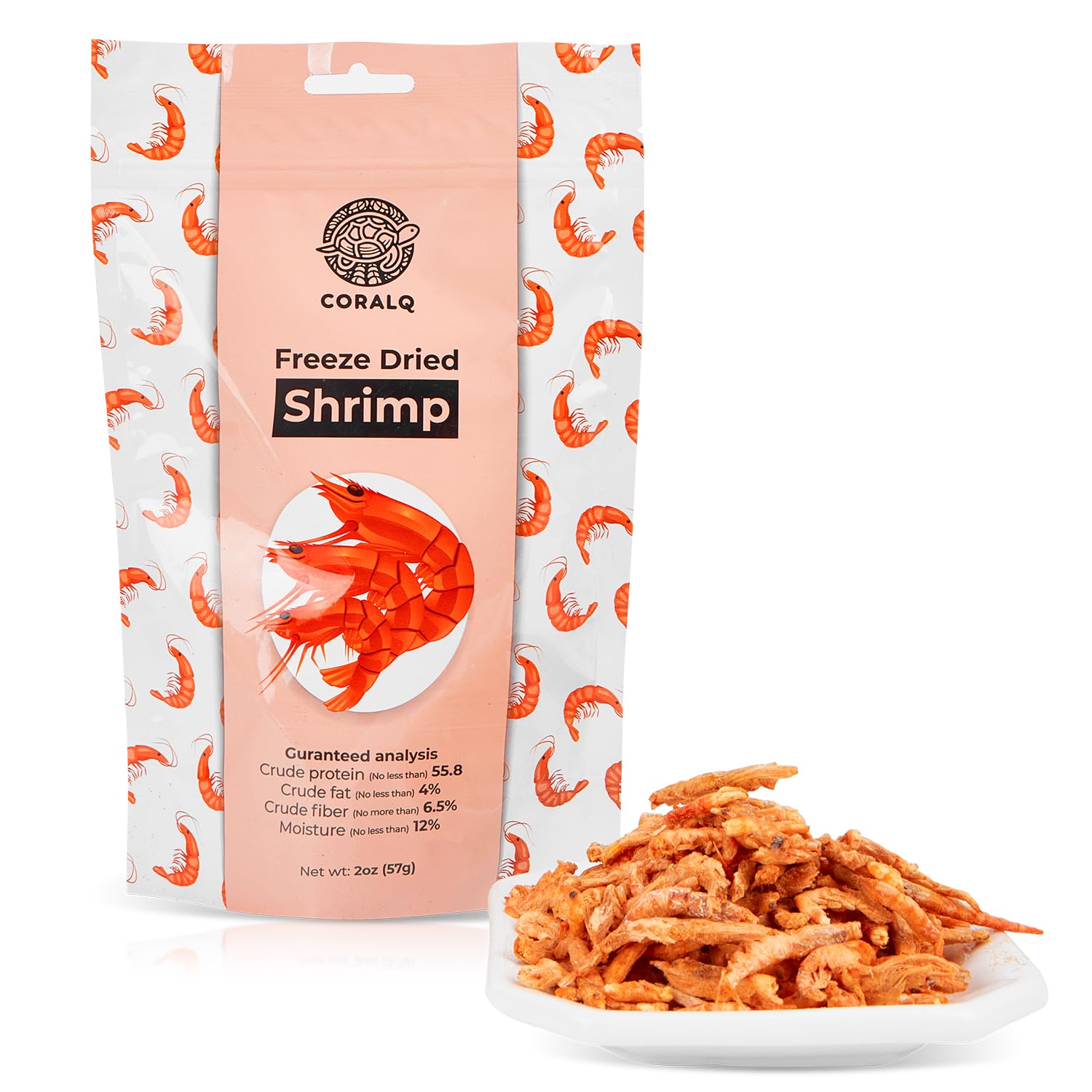
While not a substrate, this freeze-dried shrimp product is included in the dataset and represents a common item turtle owners seek. It’s a high-protein treat that many sliders go wild for, but it comes with important considerations regarding tank cleanliness and nutritional balance.
Made from whole river shrimp, these treats are packed with protein and can be useful for enticing picky eaters or supplementing a commercial pellet diet. The “low-waste” claim suggests they dissolve or are consumed completely, which can help maintain water quality compared to messier fresh foods. However, treats should never exceed 10% of a turtle’s overall diet to prevent nutritional imbalances and shell deformities.
The reviews tell a vivid story of turtle enthusiasm paired with human olfactory distress. Many keepers report their sliders “go absolutely insane” for these shrimp, but almost universally warn about the potent smell upon opening the package. This is a classic case of a product that the animal loves, but the owner must store in an airtight container.
Why we love it
- An incredibly enticing treat that can stimulate appetite in finicky turtles.
- Provides a natural, whole-prey protein source that supports muscle development.
- Convenient and shelf-stable compared to live or frozen foods.
- The resealable bag helps maintain freshness after the initial pungent opening.
Good to know
- Extremely strong, unpleasant odor that can permeate a room upon opening.
- Should be fed strictly as an occasional treat, not a staple diet.
- As with any treat, some individual turtles may simply refuse to eat it.
- Quality control can be variable; check for any signs of spoilage before feeding.
Safety & Care Tips
Avoid Impaction at All Costs
Never use small gravel, pebbles, or fine sand in the aquatic area of a red-eared slider tank. Their foraging behavior almost guarantees ingestion, which can lead to fatal gastrointestinal blockages. If you want a bottom covering, use stones larger than your turtle’s head or opt for a bare-bottom tank, which is safest and easiest to clean.
Separate Land and Water Substrates
Think of your slider’s habitat in two distinct zones. The aquatic area is best left bare or with large, smooth river rocks. The terrestrial/basking area can use specialized substrates like coconut coir, bioactive soil, or sand to encourage natural behaviors. Use a physical barrier or slope to prevent these land substrates from washing into the water and clouding it.
FAQ
Is sand safe for red-eared sliders?
Can I use potting soil in my turtle tank?
How often should I change the substrate?
What is the easiest substrate to clean?
Final Thoughts: The Verdict
For most pet parents, the best substrate for red eared slider winner is the Josh’s Frogs ABG Mix because it supports a healthy, bioactive, and naturalistic land area that benefits both plant life and your turtle’s enrichment. If you want a complete, hassle-free starter setup that prioritizes safety and includes everything, grab the Clioran XLarge Tank Kit. And for creating an authentic, diggable basking beach, nothing beats the Jurassic Natural Australian Sand for its heat retention and natural grain.