
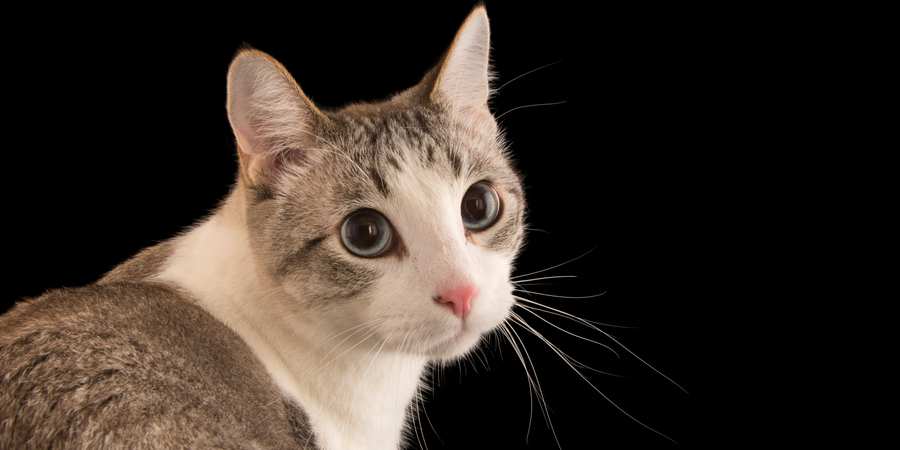
Helping a cat with constipation involves dietary changes, hydration, and sometimes veterinary care to ensure their health and comfort.
Understanding Cat Constipation
Constipation in cats can be a frustrating and concerning issue for pet owners. It occurs when a cat has difficulty passing stool, leading to infrequent or painful bowel movements. This condition can stem from various causes, including dehydration, dietary factors, or underlying health issues. Recognizing the signs of constipation early on is crucial for effective treatment. Symptoms may include straining in the litter box, decreased appetite, lethargy, and abdominal discomfort.
Cats are generally creatures of habit; they thrive on routine. Any disruption in their daily life or diet can impact their digestive health. It’s essential to monitor their litter box habits closely. If a cat is straining but not producing any stool, it’s time to take action.
Common Causes of Constipation
Several factors contribute to constipation in cats. Understanding these can help in devising an effective strategy for relief.
Dietary Factors
A diet low in fiber can lead to hard stools that are difficult for cats to pass. Cats are obligate carnivores; however, they still need some fiber in their diet to maintain healthy digestion. Foods that are excessively dry or lack moisture contribute significantly to this problem.
Dehydration
Cats often don’t drink enough water, which is crucial for maintaining proper digestive health. Dehydration leads to harder stools and increases the likelihood of constipation. Cats that eat dry kibble are particularly susceptible since this type of food contains minimal moisture.
Lack of Exercise
Physical activity promotes healthy bowel movements. Indoor cats may not get enough exercise if they lack stimulating environments or opportunities for play.
Health Issues
Underlying medical conditions such as kidney disease, hyperthyroidism, or intestinal blockages can also cause constipation. It’s vital to consult with a veterinarian if symptoms persist beyond a couple of days.
Signs Your Cat May Be Constipated
Recognizing the signs of constipation early can lead to quicker intervention and relief for your furry friend.
| Sign | Description |
|---|---|
| Straining in Litter Box | Your cat may spend considerable time trying to relieve itself without success. |
| Hard or Dry Stools | The presence of hard pellets instead of soft stools indicates difficulty. |
| Lethargy | A lack of energy may indicate discomfort from constipation. |
| Loss of Appetite | A decrease in interest in food can be a sign something is wrong. |
| Vomiting | This symptom can occur due to discomfort or blockage. |
If any combination of these signs appears, it’s important not to delay seeking help from a veterinarian.
Steps to Help Your Cat Get Relief
Improve Hydration
One of the most effective ways to help your cat with constipation is by ensuring they stay well-hydrated. Increasing water intake helps soften stool and makes it easier for your cat to pass it naturally.
- Fresh Water: Always provide fresh water daily. Cats are more likely to drink if the water is clean and appealing.
- Wet Food: Incorporating wet food into your cat’s diet adds moisture and can significantly aid digestion.
- Water Fountains: Many cats prefer running water over still water; investing in a pet water fountain might encourage them to drink more.
Increase Fiber Intake
A balanced diet rich in fiber helps regulate bowel movements. Fiber adds bulk to the stool and encourages peristalsis—the wave-like muscle contractions that move food through the digestive tract.
- High-Fiber Foods: Look for cat foods specifically formulated with higher fiber content.
- Pumpkin Puree: Canned pumpkin (not pumpkin pie filling) is an excellent natural source of fiber that many cats enjoy.
- Psyllium Husk: This supplement can also be added sparingly but should be introduced gradually.
Encourage Physical Activity
Keeping a cat active not only promotes overall wellness but also stimulates digestion.
- Interactive Toys: Toys that encourage chasing and pouncing can motivate even the laziest cats.
- Playtime: Regular play sessions help keep your cat physically fit and engaged.
- Cat Trees: Providing vertical space encourages climbing and exploration.
When to Consult a Veterinarian
If home remedies don’t yield results within 24 hours or if your cat exhibits severe symptoms like vomiting or lethargy, it’s time for professional help. A veterinarian will perform a thorough examination and may recommend diagnostic tests such as X-rays or blood work to determine any underlying issues contributing to constipation.
Treatment options vary depending on the severity of the condition:
- Medications: Laxatives or stool softeners may be prescribed.
- Enemas: In severe cases, a vet may need to administer an enema.
- Dietary Changes: A vet might suggest specific dietary adjustments tailored for your cat’s needs.
It’s crucial not to attempt home enemas without veterinary guidance as this could cause more harm than good.
The Role of Regular Vet Check-Ups
Routine veterinary visits play an essential role in maintaining your cat’s overall health and preventing issues like constipation before they arise. During these check-ups, vets assess weight, hydration levels, dental health, and other critical aspects that could contribute indirectly to digestive problems.
Regular visits foster early detection of potential health concerns that could lead down the path toward chronic issues like constipation. Maintaining open communication with your vet about any behavioral changes or gastrointestinal concerns ensures proactive care tailored specifically for your feline companion’s needs.
Conclusion – How Can I Help My Cat Get His Poop Out?
Helping a constipated cat requires awareness and action on several fronts—hydration, diet modification, exercise encouragement—and sometimes professional intervention when necessary. By understanding what causes constipation and recognizing its signs early on, one can take meaningful steps toward ensuring their furry friend remains comfortable and healthy.
Incorporating these practices into daily routines not only aids immediate relief but sets up long-term habits promoting better digestive health overall. Each step taken toward addressing this issue contributes positively not just towards resolving current discomfort but enhancing quality of life for beloved feline companions moving forward.