
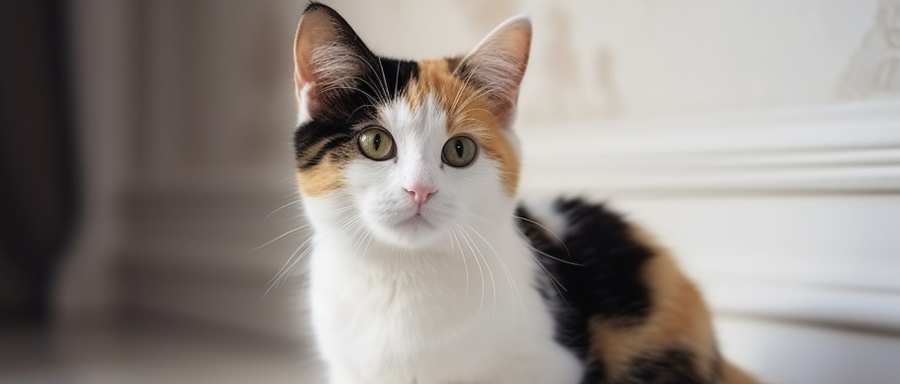
Cats can typically go 1-3 days without pooping, but longer durations may indicate health issues.
Cats are fascinating creatures, and their bathroom habits often leave pet owners scratching their heads. It’s important to understand how long cats can go without pooping, as it can be a significant indicator of their overall health. While the average cat may have a routine that includes daily bowel movements, various factors can influence this frequency. Understanding these factors is key to ensuring your feline friend remains healthy and happy.
Normal Bowel Movement Patterns in Cats
Cats are creatures of habit, and their bowel movements typically follow a predictable pattern. Most healthy cats will poop once a day, although some may do so more or less frequently. Factors such as diet, hydration, age, and activity level all play a role in determining how often a cat will relieve itself.
When it comes to diet, the type of food a cat consumes significantly impacts its digestion and elimination processes. High-fiber diets can promote regular bowel movements, while low-fiber diets may lead to constipation. It’s essential to provide a balanced diet that meets your cat’s nutritional needs.
Hydration is another crucial factor affecting bowel movements. Cats that drink plenty of water tend to have softer stools and more regular bathroom habits. Conversely, dehydrated cats may struggle with constipation, which can lead to longer periods without pooping.
Age also plays a role in bowel movement frequency. Kittens tend to have more frequent bowel movements than adult cats due to their rapidly growing bodies and higher energy levels. Senior cats might experience changes in their digestive systems that affect how often they poop.
Activity levels can also influence how long cats go without pooping. Active cats are more likely to have regular bowel movements compared to sedentary ones. Encouraging playtime and physical activity can help maintain your cat’s digestive health.
Signs of Constipation in Cats
Recognizing the signs of constipation is essential for any cat owner. If a cat goes longer than usual without pooping—generally more than two or three days—it may be experiencing constipation.
Common signs of constipation include:
- Straining: A cat may spend an extended period in the litter box without producing any stool.
- Hard or dry stools: If you notice small, hard pellets instead of normal-sized stools, this could indicate constipation.
- Lethargy: A constipated cat might become less active or show signs of discomfort.
- Loss of appetite: If your kitty isn’t eating as usual, it could be linked to digestive issues.
- Vomiting: In severe cases of constipation, vomiting may occur due to the buildup of waste in the intestines.
If any of these signs are present, it’s crucial to consult with a veterinarian promptly. Prolonged constipation can lead to more severe health issues if not addressed.
Causes of Constipation in Cats
Several factors can contribute to constipation in cats. Understanding these causes can help owners take preventive measures:
Dietary Issues
A lack of fiber in a cat’s diet is one of the most common reasons for constipation. Dry food diets are often lower in fiber compared to wet food options. Incorporating more wet food into your cat’s meals can help increase hydration and promote regular bowel movements.
Dehydration
Cats are notorious for not drinking enough water. Dehydration leads to harder stools that are difficult for cats to pass. Providing fresh water daily and considering water fountains can encourage better hydration habits.
Lack of Exercise
Inactive cats are more prone to digestive issues, including constipation. Regular playtime encourages movement and stimulates the digestive system.
Medical Conditions
Certain medical conditions such as hypothyroidism or neurological disorders can affect a cat’s ability to pass stool normally. Older cats may also experience changes in their gastrointestinal tract that contribute to constipation.
Tips for Preventing Cat Constipation
Preventing constipation requires proactive measures focused on diet and lifestyle:
- Balanced Diet: Ensure your cat’s diet includes high-quality protein sources along with adequate fiber content.
- Hydration: Offer fresh water daily and consider incorporating wet food into their meals.
- Regular Exercise: Engage your cat in daily play sessions using toys or interactive games.
- Litter Box Maintenance: Keep the litter box clean and accessible; some cats avoid using dirty litter boxes.
- Routine Vet Check-ups: Regular veterinary visits will help catch potential health issues early on.
By taking these steps, pet owners can help reduce the risk of constipation and ensure their furry friends remain comfortable.
Treatment Options for Constipated Cats
If a cat becomes constipated despite preventive measures, several treatment options exist:
Dietary Changes
Switching to high-fiber foods or adding fiber supplements can help soften stools and promote regularity. Consult with a veterinarian for appropriate dietary recommendations tailored specifically for your cat.
Laxatives
In some cases, veterinarians may prescribe laxatives or stool softeners designed for pets. These medications work by increasing moisture in the intestines or stimulating bowel contractions.
Hydration Therapy
For severely dehydrated cats, subcutaneous fluids administered by a veterinarian may be necessary. This helps rehydrate the body quickly and aids in stool passage.
Surgery
In rare cases where chronic constipation occurs due to anatomical abnormalities or blockages, surgical intervention may be required. This is typically considered only after other treatment options have failed.
It’s vital not to attempt treating constipation at home without veterinary guidance—some treatments may worsen the condition if not used appropriately.
The Importance of Monitoring Your Cat’s Bathroom Habits
Monitoring how long your cat goes without pooping is crucial for maintaining its health. Regularly checking litter boxes not only ensures cleanliness but also provides insight into your pet’s well-being.
Being aware of changes in frequency or consistency allows pet owners to detect potential problems early on before they escalate into serious health issues. Keeping track helps identify patterns over time; if something seems off—like prolonged periods without poop—it’s best practice to consult with a veterinarian promptly.
Maintaining open communication with vet clinics about any concerns regarding bathroom habits fosters better understanding between pet owners and professionals while ensuring optimal care for beloved felines at every life stage!
Conclusion – How Long Can Cats Go Without Pooping?
Understanding how long cats can go without pooping is essential for any responsible pet owner. While most healthy cats will poop daily or every couple of days, anything beyond three days should raise concern about potential health issues like constipation or underlying medical conditions.
By keeping an eye on dietary habits, hydration levels, exercise routines, and overall behavior patterns—cat owners play an integral role in promoting their feline friends’ digestive health!