
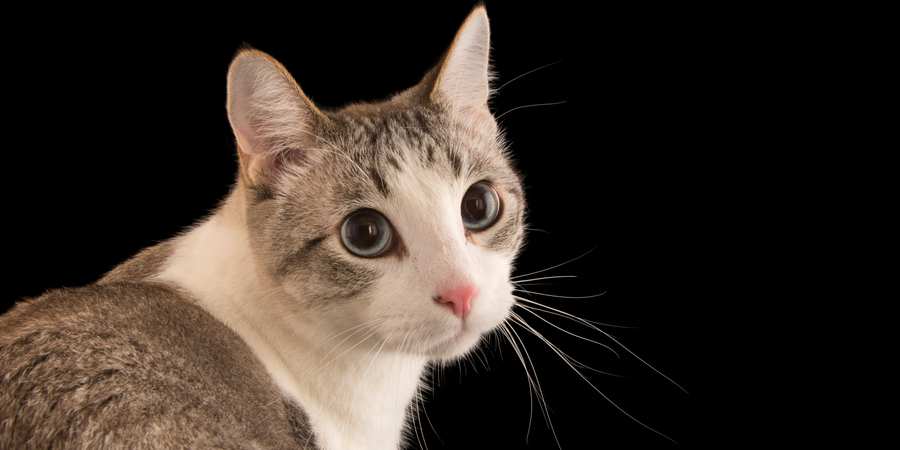
If your cat has diarrhea, it could indicate an underlying health issue that needs attention.
Understanding Diarrhea in Cats
Diarrhea is a common concern among cat owners, and it can be alarming to witness. It’s essential to recognize that diarrhea isn’t just an inconvenience; it can be a symptom of various health problems. The digestive system of a cat is sensitive, and many factors can lead to loose stools. From dietary changes to infections, understanding the reasons behind your cat’s diarrhea can help in determining whether they are sick.
Cats are notorious for hiding their discomfort. They might not show obvious signs of illness until things become severe. Therefore, it’s crucial to monitor their behavior closely if they experience diarrhea. Observing other symptoms such as lethargy, vomiting, or changes in appetite can provide further clues about their health status.
Common Causes of Diarrhea in Cats
There are numerous reasons why a cat may experience diarrhea. Identifying the cause is key to effective treatment. Here’s a closer look at some common culprits:
Dietary Indiscretion
Cats are curious creatures; sometimes, they eat things they shouldn’t. This could include spoiled food, human food that isn’t suitable for them, or even non-food items like plants. Such indiscretions can upset their stomachs and lead to diarrhea.
Food Allergies or Intolerance
Just like humans, cats can have allergies or intolerances to certain foods. Common allergens include dairy products, beef, and fish. If a cat has developed an allergy over time, it might manifest as gastrointestinal upset.
Infections
Bacterial or viral infections can also cause diarrhea in cats. Conditions like feline panleukopenia or salmonella infections are serious and require immediate veterinary attention. Parasitic infections from worms or protozoa like Giardia can also lead to loose stools and must be treated promptly.
Stress and Anxiety
Believe it or not, stress can affect a cat’s digestive system significantly. Changes in the environment—like moving homes, new pets, or even loud noises—can trigger gastrointestinal issues.
Underlying Health Conditions
Sometimes diarrhea may indicate more serious health issues such as inflammatory bowel disease (IBD), hyperthyroidism, or even cancer. These conditions often require extensive testing and treatment from a veterinarian.
Signs to Watch For
Determining whether your cat is sick involves observing various signs beyond just diarrhea. Here’s what to keep an eye on:
| Sign | Description |
|---|---|
| Lethargy | A noticeable decrease in energy levels; your cat may sleep more than usual. |
| Vomiting | Frequent vomiting alongside diarrhea often indicates a more severe issue. |
| Loss of Appetite | If your cat refuses food for more than 24 hours, it’s concerning. |
| Dehydration | Check for dry gums and skin elasticity; these are signs of dehydration. |
| Bloating or Abdominal Pain | If your cat seems uncomfortable when you touch their abdomen. |
| Blood in Stool | This requires immediate veterinary attention as it could indicate serious problems. |
| Mood Changes | A sudden change in behavior could signal distress or illness. |
If you notice any combination of these signs along with diarrhea, it’s time to consult with a veterinarian.
Treatment Options for Diarrhea in Cats
Treatment for diarrhea will depend on its underlying cause. Here’s how veterinarians typically approach the situation:
Dietary Management
For mild cases caused by dietary indiscretion or allergies, switching to a bland diet may help restore normal bowel function. Options include boiled chicken (without skin) and rice until the symptoms resolve.
Medications
If the diarrhea is due to an infection or parasites, your vet may prescribe antibiotics or antiparasitic medications. It’s crucial not to administer any medications without veterinary guidance since some human medications can be toxic to cats.
Hydration Therapy
Dehydration is a significant risk with diarrhea. Ensuring that your cat stays hydrated is vital; veterinarians may recommend electrolyte solutions specifically designed for pets if dehydration occurs.
For severe cases where underlying health issues are suspected, further diagnostic tests such as blood work or imaging studies may be necessary. Identifying conditions like IBD or hyperthyroidism requires thorough investigation and tailored treatment plans.
Preventing Diarrhea in Cats
While not all cases of diarrhea are preventable, there are steps that owners can take to minimize risks:
Maintain a Consistent Diet
Keep your cat’s diet consistent and avoid sudden changes unless necessary. Gradually introduce new foods over several days if switching brands or types of food.
Avoid Toxic Foods
Be aware of foods that are toxic to cats—such as onions, garlic, chocolate—and ensure they don’t have access to them.
Regular Vet Check-ups
Routine veterinary visits help catch potential health issues early before they escalate into more serious problems.
The Importance of Monitoring Your Cat’s Health
Being proactive about monitoring your cat’s health can make all the difference when it comes to conditions like diarrhea. Regular observation helps identify changes early on—whether that’s noticing their eating habits shifting slightly or observing them acting lethargic after being active previously.
When considering the question “Is My Cat Sick If He Has Diarrhea?”, paying attention goes beyond just watching for loose stools; it’s about recognizing patterns in behavior over time too!
Understanding what’s normal for your furry friend allows you to act quickly when something seems off—leading ultimately towards better outcomes!
Conclusion – Is My Cat Sick If He Has Diarrhea?
In conclusion, if you’ve found yourself pondering “Is My Cat Sick If He Has Diarrhea?”, it’s essential first to assess the situation thoroughly while keeping an eye out for other symptoms that might accompany the diarrhea itself. While there’s no one-size-fits-all answer since each case varies significantly based on individual circumstances surrounding each feline friend involved—the key lies within observation coupled with timely veterinary intervention whenever necessary!
By staying informed about potential causes and recognizing warning signs early on—cat owners stand poised not only against future bouts but also ready should more serious concerns arise!