
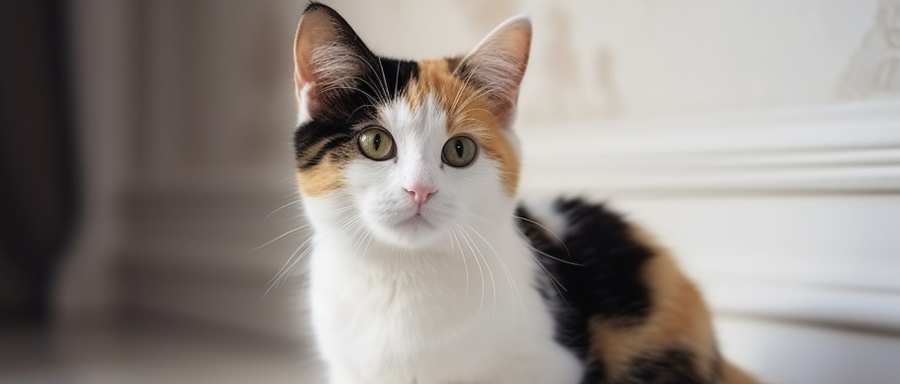
Providing high-fiber foods, like pumpkin and certain wet cat foods, can help regulate your cat’s bowel movements effectively.
The Importance of Digestive Health in Cats
Cats are unique creatures with specific dietary needs. Their digestive health is crucial for their overall well-being. A healthy digestive system ensures that cats absorb nutrients efficiently and maintain a robust immune system. If a cat struggles with constipation, it can lead to discomfort and more severe health issues. Understanding what food helps cats poop can make a significant difference in their quality of life.
Many cat owners may not realize that dietary choices directly impact their feline friends’ digestive health. Cats are obligate carnivores, meaning their diet primarily consists of meat. However, this doesn’t mean they don’t need fiber in their diet. Fiber plays an essential role in promoting healthy digestion by adding bulk to the stool and aiding in its passage through the intestines.
Common Causes of Constipation in Cats
Several factors can contribute to constipation in cats. Dehydration is a primary culprit; when a cat doesn’t drink enough water, the body absorbs more moisture from the stool, making it harder and more challenging to pass. Additionally, a lack of dietary fiber can lead to sluggish digestion and constipation.
Some medical conditions can also cause constipation. For instance, obesity often leads to decreased mobility, which can affect a cat’s ability to use the litter box effectively. Other health issues such as hypothyroidism or megacolon can complicate matters further. Stress and changes in routine may also play a role in a cat’s bathroom habits.
Knowing these factors makes it easier to pinpoint what food helps cats poop effectively while addressing any underlying issues that may be present.
High-Fiber Foods for Cats
Incorporating high-fiber foods into your cat’s diet can significantly improve their digestive health. Here’s a list of some beneficial options:
| Food Item | Type | Fiber Content (per 100g) |
|---|---|---|
| Pumpkin (canned) | Vegetable | 1.5g |
| Oat Bran | Cereal Grain | 15g |
| Psyllium Husk | Supplement | 70g |
| Green Beans (cooked) | Vegetable | 3g |
| Sweet Potatoes (cooked) | Tuber | 2g |
| Canned Cat Food (high fiber) | Pet Food | (Varies) |
| Cooked Carrots (mashed) | Vegetable | 2g |
| Brown Rice (cooked) | Cereal Grain | 1g |
These foods not only provide fiber but also contain essential vitamins and minerals that contribute to overall health.
Pumpkin: The Feline Favorite
Pumpkin is widely recognized as one of the best foods for helping cats poop regularly. It’s rich in soluble fiber, which helps absorb water and adds bulk to the stool, making it easier for cats to pass waste. Many pet owners find that adding just a tablespoon of canned pumpkin (not the spiced pie filling) to their cat’s food can yield noticeable results.
Besides aiding digestion, pumpkin is low in calories and packed with vitamins A and C, which support immune function and promote healthy skin and coat.
The Role of Fiber Supplements: Psyllium Husk
Psyllium husk is another excellent option for enhancing dietary fiber intake. This natural supplement is derived from the seeds of Plantago ovata and is known for its ability to absorb water in the intestines, creating softer stools that are easier to pass.
Adding psyllium husk requires caution; introducing it gradually into your cat’s diet is essential to avoid gastrointestinal upset. Mixing it with wet food or water ensures proper hydration along with fiber intake.
The Benefits of Wet Cat Food vs. Dry Food
Choosing between wet and dry food often raises questions among pet owners regarding what food helps cats poop effectively. Wet food generally contains more moisture than dry kibble, which can aid hydration—a critical factor in preventing constipation.
Moreover, many wet foods are formulated with higher fiber content compared to traditional dry kibble options. This combination makes wet food an attractive choice for promoting healthy digestion while keeping your cat hydrated.
While dry food has its benefits—such as dental health—it’s vital not to rely solely on it if your cat experiences regular constipation issues. A mixed feeding approach might be necessary for optimal results.
Not all cat foods are created equal; selecting high-quality brands is essential when considering what food helps cats poop efficiently. Look for products that list whole ingredients rather than fillers like corn or wheat as primary components.
Brands that offer specific formulas aimed at digestive health often contain additional fiber sources such as beet pulp or pumpkin meal alongside beneficial probiotics that help maintain gut flora balance.
Reading labels carefully ensures you’re providing your feline friend with nutritious options tailored toward improving their bowel movements.
Hydration plays an equally critical role alongside diet when addressing constipation concerns in cats. Cats are notorious for not drinking enough water; this habit can worsen digestive issues significantly over time.
Encouraging hydration involves several strategies:
- Fresh Water: Always provide fresh water daily; some cats prefer running water from fountains over stagnant bowls.
- Wet Food: Incorporating wet food into meals naturally increases water intake.
- Broth: Offering low-sodium chicken or beef broth as an occasional treat can entice them to drink more fluids.
- Ice Cubes: Some cats enjoy playing with ice cubes; this fun activity encourages them to lick up melted water afterward.
Being proactive about hydration goes hand-in-hand with dietary adjustments when considering what food helps cats poop regularly.
Keeping an eye on litter box habits provides valuable insight into your cat’s digestive health status. Regularly monitoring bowel movements allows you to identify patterns or changes early on—this information proves crucial during vet visits if issues arise later down the line.
Healthy stools should be well-formed but not overly hard or too soft; anything outside this norm warrants closer attention regarding dietary adjustments or potential medical concerns needing professional evaluation.
Additionally, observing how often your cat uses the litter box gives clues about their comfort level—if they seem hesitant or struggle during elimination processes frequently, it’s time for intervention measures focusing on nutrition and hydration improvements!
When dealing with persistent constipation issues despite dietary efforts aimed at improving bowel movements—consulting a veterinarian becomes imperative! They possess specialized knowledge about feline health matters beyond general nutrition topics discussed here today!
Your vet may recommend diagnostic tests like bloodwork or X-rays if necessary while ruling out underlying medical conditions contributing toward chronic constipation problems affecting overall well-being!
Furthermore, they might suggest prescription diets designed explicitly for addressing these concerns while offering tailored recommendations based upon individual needs observed during consultations!
Understanding what food helps cats poop effectively involves recognizing the importance of both dietary choices and hydration levels within their daily routines! High-fiber foods such as pumpkin combined with quality wet diets encourage regular elimination patterns while keeping felines hydrated adequately throughout each day!
Paying close attention towards litter box habits enables owners better insights into any potential issues arising over time—allowing timely interventions without unnecessary delays! Consulting veterinarians when needed ensures optimal care remains prioritized at all times!
By taking these steps together—dietary improvements paired alongside proper hydration practices—cat owners equip themselves towards fostering healthier lifestyles ultimately benefiting both furry companions & themselves alike!