
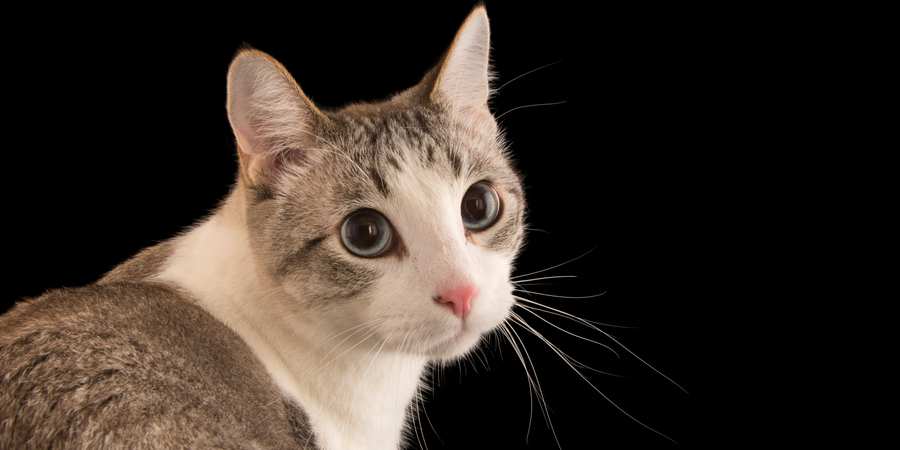
When a cat has diarrhea but seems normal otherwise, it may indicate a mild issue, but monitoring their condition is crucial.
Understanding Cat Diarrhea
Diarrhea in cats can be alarming for any pet owner. It’s not just a nuisance; it can signal underlying health issues. Cats are known for their sensitive digestive systems, and a sudden change in stool consistency can arise from various factors. Stress, dietary changes, infections, or even parasites can all contribute to this condition. It’s essential to understand the causes of diarrhea to address it properly.
The first thing to consider is what constitutes diarrhea in cats. Typically, if the stool is loose or watery and occurs more than two to three times a day, it’s classified as diarrhea. Observing the frequency and consistency of your cat’s stools will help you determine the severity of the situation.
Cats are masters at hiding discomfort, so when they appear normal despite having diarrhea, it can be confusing. This behavior might lead one to wonder whether the diarrhea is something to worry about. However, there’s a fine line between minor digestive upset and something more serious that requires veterinary attention.
Common Causes of Diarrhea in Cats
Understanding what might cause diarrhea is crucial for any responsible cat owner. Here are some common causes:
Dietary Changes
Cats are creatures of habit when it comes to their diets. A sudden switch from one food to another can upset their stomachs. Even a new flavor of their usual brand can lead to gastrointestinal distress. Gradually introducing new foods over several days can help mitigate this issue.
Food Intolerance or Allergies
Some cats develop intolerances or allergies to specific ingredients in their food. Common culprits include dairy products and certain proteins like chicken or fish. If your cat has been eating the same food for years without issue, an allergy could develop over time.
Parasites
Intestinal parasites like worms or protozoa can cause significant digestive issues in cats. These parasites often lead to diarrhea accompanied by other symptoms such as weight loss or vomiting. Regular deworming and fecal checks with your vet can help keep these invaders at bay.
Infections
Bacterial infections such as Salmonella or viral infections like feline parvovirus can lead to severe diarrhea in cats. These infections often require veterinary intervention and may present additional symptoms like fever or lethargy.
Stress
Cats are sensitive creatures that thrive on routine and stability. Changes in their environment—like moving homes, new pets, or even changes in your schedule—can induce stress that manifests as diarrhea.
Assessing Your Cat’s Condition
When faced with the question of “What If My Cat Has Diarrhea But Is Acting Normal?”, assessing your cat’s overall condition becomes essential. While they may seem fine outwardly, several indicators suggest whether further action is necessary.
Hydration Status
One of the most critical aspects to monitor is hydration. Diarrhea can quickly lead to dehydration, especially if it’s persistent. Checking for signs of dehydration includes observing if your cat’s gums are dry or sticky and whether they’re drinking water adequately.
A simple way to check hydration is by performing a skin tent test: gently pinch the skin at the back of your cat’s neck; if it doesn’t return quickly to its original position, your cat may be dehydrated.
Behavioral Changes
Even if your cat appears otherwise normal, subtle behavioral changes might indicate discomfort or illness. Increased lethargy, reduced appetite, or hiding more than usual could be signs that something isn’t quite right.
It’s important not just to look for overt signs of distress; sometimes minor changes in behavior can provide critical clues about their health status.
Monitoring Symptoms
Effective monitoring involves keeping track of various factors surrounding your cat’s condition:
| Symptom | Description |
|---|---|
| Frequency of Diarrhea | How often does it occur? More than three times daily indicates a problem. |
| Stool Consistency | Is it watery? Any blood or mucus present? |
| Appetite Changes | Is your cat eating less than usual? |
| Lethargy Levels | Are they more tired than usual? |
| Hydration Status | Adequate water intake is crucial; monitor drinking habits. |
Keeping track of these symptoms will provide valuable information should you need to consult a veterinarian later on.
Treatment Options for Cats with Diarrhea
If you find yourself pondering “What If My Cat Has Diarrhea But Is Acting Normal?”, knowing how to treat this condition at home could be beneficial before seeking professional help.
Dietary Adjustments
One effective initial step involves adjusting your cat’s diet temporarily. A bland diet consisting of boiled chicken (without skin) and rice can help soothe their digestive system while providing necessary nutrients without further irritants.
After a day or two on this bland diet, you might gradually reintroduce their regular food if their condition improves significantly.
Probiotics
Probiotics designed specifically for cats can help restore healthy gut flora after episodes of diarrhea. These supplements come in various forms—powders mixed into food or chewable treats—and can aid digestion while boosting overall gut health.
Always consult with a veterinarian before starting any new supplements for your pet.
Hydration Solutions
Ensuring proper hydration during episodes of diarrhea is paramount. Offering fresh water consistently is crucial; however, some cats prefer flavored options like broth (without onions) which encourages them to drink more fluids.
In severe cases where dehydration becomes evident, subcutaneous fluids administered by a vet might be necessary.
When To See The Vet?
Knowing when it’s time to seek veterinary advice is vital when dealing with feline health issues like diarrhea:
- Duration: If diarrhea persists for more than 24 hours.
- Additional Symptoms: Presence of vomiting, blood in stool, fever.
- Dehydration Signs: Persistent signs indicating dehydration despite home treatment.
- Age Considerations: Kittens and senior cats are particularly vulnerable; any signs should prompt immediate veterinary consultation.
Ignoring these symptoms could lead to serious complications that require intensive treatment down the line.
The Importance of Regular Veterinary Check-ups
Regular check-ups with a veterinarian play an essential role in maintaining feline health and preventing issues like diarrhea from becoming serious problems later on. Annual wellness exams allow vets to monitor weight changes and assess overall health through routine bloodwork and fecal exams for parasites.
Preventive care helps catch potential problems before they escalate into emergencies that could jeopardize your pet’s well-being.
Moreover, discussing dietary preferences with vets ensures that nutritional needs are met adequately through appropriate food choices tailored specifically for individual cats based on age, weight, activity level, and health status.
Coping With Stress-Induced Diarrhea
If stress seems likely behind your cat’s digestive upset—perhaps due to recent changes at home—there are steps owners can take:
- Create Safe Spaces: Providing cozy spots where your cat feels secure helps reduce anxiety.
- Feliway Diffusers: These pheromone diffusers mimic natural calming scents that soothe stressed-out kitties.
- Routine Maintenance: Keeping feeding times consistent along with playtime routines fosters stability which aids comfort levels during transitions.
Implementing these strategies may alleviate stress-induced issues over time while enhancing overall quality of life for both owner and pet alike!
Key Takeaways: Cat Diarrhea
➤ Monitor Hydration: Check for dry gums and skin to prevent dehydration.
➤ Identify Causes: Dietary changes, stress, and parasites can trigger diarrhea.
➤ Observe Behavior: Subtle changes may indicate discomfort or health issues.
➤ Treat at Home: A bland diet can help soothe your cat’s digestive system.
➤ Seek Vet Help: Consult a vet if diarrhea lasts over 24 hours or worsens.
➤ Seek Vet Help: Consult a vet if diarrhea lasts over 24 hours or worsens.
Frequently Asked Questions: What If My Cat Has Diarrhea But Is Acting Normal?
What should I do if my cat has diarrhea but is acting normal?
If your cat has diarrhea but appears normal, monitor their condition closely. Observe the frequency and consistency of their stools. Ensure they remain hydrated; dehydration can occur quickly with diarrhea. Offer a bland diet temporarily, such as boiled chicken and rice, to help settle their stomach. If diarrhea persists for more than 24 hours or if you notice other concerning symptoms, consult a veterinarian for further advice. Early intervention can prevent complications.
Can stress cause my cat to have diarrhea even if they seem fine?
Yes, stress can lead to diarrhea in cats, even when they appear otherwise healthy. Cats are sensitive to changes in their environment, such as moving homes or introducing new pets. Stress-induced diarrhea may not always be accompanied by other symptoms. It’s essential to identify potential stressors and provide a stable environment. Implementing calming strategies like safe spaces or pheromone diffusers can help alleviate anxiety and improve your cat’s overall well-being.
How can I tell if my cat is dehydrated from diarrhea?
Dehydration is a significant concern when a cat has diarrhea. Signs of dehydration include dry or sticky gums, reduced skin elasticity, and lethargy. You can perform a simple skin tent test by gently pinching the skin at the back of their neck; if it does not return quickly to its original position, your cat may be dehydrated. Ensure your cat has access to fresh water at all times and consider offering flavored options like broth to encourage drinking.
What dietary changes should I consider for my cat with diarrhea?
When dealing with diarrhea in cats, dietary adjustments can be beneficial. Start with a bland diet consisting of boiled chicken (without skin) and rice for a few days. This helps soothe the digestive system without introducing irritants. Gradually reintroduce their regular food once their condition improves significantly. Additionally, consider discussing dietary options with your veterinarian to ensure nutritional needs are met while addressing digestive issues effectively.
When is it necessary to take my cat to the vet for diarrhea?
If your cat’s diarrhea persists for more than 24 hours or is accompanied by additional symptoms such as vomiting, blood in the stool, or signs of dehydration, it’s crucial to seek veterinary attention immediately. Kittens and senior cats are particularly vulnerable; any signs of distress should prompt an urgent consultation with a veterinarian. Early diagnosis and treatment are essential in preventing serious health complications in your feline friend.
Conclusion – What If My Cat Has Diarrhea But Is Acting Normal?
Contemplating “What If My Cat Has Diarrhea But Is Acting Normal?” leads back again toward careful observation coupled with proactive measures taken by responsible pet owners willing not only address immediate concerns but also foster long-term wellness through preventive care practices grounded firmly within love!
By understanding potential causes behind feline gastrointestinal distress along with recognizing warning signs indicating need for professional intervention ensures peace-of-mind knowing furry companions remain happy healthy throughout all stages life!