
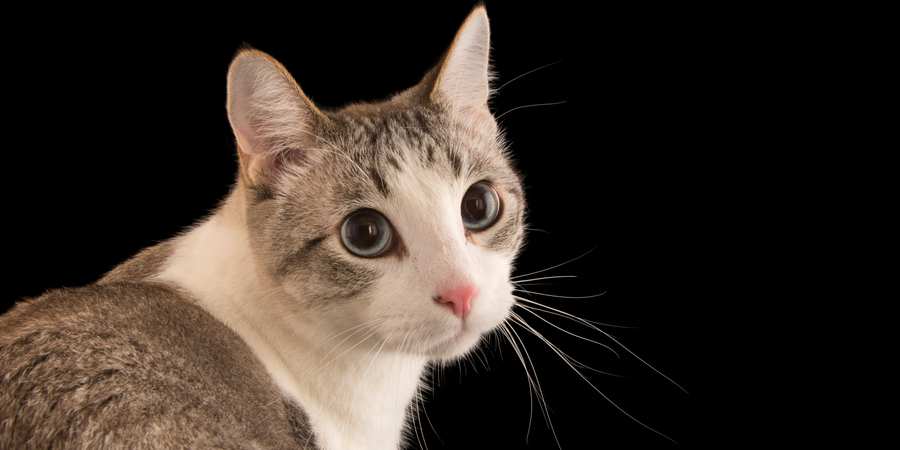
Choosing the right probiotics can enhance your cat’s digestive health and overall well-being.
Probiotics are live microorganisms that provide health benefits when consumed in adequate amounts. They’re often referred to as “good” bacteria, and they play a crucial role in maintaining a balanced gut microbiome. For cats, selecting the right probiotics is essential, as their digestive systems can be sensitive and prone to various issues. The right probiotics can help with everything from digestion to immune support.
Understanding the specific needs of feline digestive health is key. Cats are obligate carnivores, meaning their diets primarily consist of meat. However, they also benefit from a variety of nutrients that can be found in probiotics. This article delves into the best probiotics for cats, exploring their benefits, how to choose the right one, and what to look for in a quality product.
The Importance of Probiotics for Cats
Probiotics serve various functions that contribute to a cat’s health. They help maintain a healthy balance of gut bacteria, which is crucial for digestion and nutrient absorption. A well-balanced gut microbiome can prevent issues like diarrhea, constipation, and even more severe gastrointestinal disorders.
Moreover, probiotics can enhance immune function. A significant portion of a cat’s immune system resides in its gut. By promoting healthy gut flora, probiotics can help reduce the risk of infections and diseases. They also play a role in reducing inflammation within the digestive tract.
Cats may require probiotics for several reasons:
- Dietary Changes: Transitioning from one type of food to another can disrupt gut flora.
- Stress: Changes in environment or routine can affect a cat’s digestive health.
- Antibiotics: While antibiotics are effective at fighting infections, they can also kill beneficial bacteria.
- Age: Older cats may have less diverse gut microbiomes and could benefit from additional support.
Understanding these factors is essential when considering which probiotics are best for cats.
Key Benefits of Probiotics for Cats
Probiotics offer multiple benefits that contribute positively to feline health:
1. Digestive Health
Probiotics aid in breaking down food more efficiently, leading to better nutrient absorption. They also help regulate bowel movements and reduce instances of diarrhea or constipation.
2. Immune Support
A healthy gut supports the immune system by producing antibodies and regulating immune responses. Probiotics enhance this effect by promoting beneficial bacteria that fend off harmful pathogens.
3. Stress Reduction
Stressful situations can lead to digestive upset in cats. Probiotics may help soothe their stomachs during stressful times by stabilizing gut flora.
4. Skin Health
Some studies suggest that probiotics may improve skin conditions by reducing inflammation and supporting overall skin health.
5. Weight Management
Certain probiotic strains have been linked to weight management by influencing metabolism and fat storage.
Given these benefits, it’s clear why many cat owners seek out high-quality probiotic supplements for their furry friends.
Choosing the Right Probiotic for Your Cat
Selecting the best probiotic involves considering several factors:
1. Strain Specificity
Different strains of probiotics offer different benefits. For instance, Lactobacillus acidophilus supports digestion, while Bifidobacterium bifidum is known for its immune-boosting properties. Researching strain-specific benefits is crucial when choosing a product.
2. CFU Count
The colony-forming units (CFU) indicate how many live microorganisms are present per dose. A higher CFU count may provide more significant benefits but should be appropriate for your cat’s size and needs.
3. Formulation
Probiotics come in various forms including powders, capsules, treats, and liquids. The choice depends on what your cat prefers; some cats might be more inclined to eat treats than take pills or powders mixed into their food.
4. Quality Assurance
Not all probiotic products undergo rigorous testing for potency or purity. Look for brands that provide third-party testing results or certifications indicating quality assurance.
Top Probiotic Brands for Cats
Several reputable brands stand out when it comes to feline probiotics:
| Brand Name | Product Name | Main Benefits | Formulation Type |
|---|---|---|---|
| Purina FortiFlora | Purina Pro Plan Veterinary Diets FortiFlora Probiotic Chewable Tablets | Digestive support; tasty treats. | Treats |
| PetVitalityPRO | PetVitalityPRO Probiotic Supplement for Cats & Dogs | Immune system boost; overall health. | Powder |
| Burt’s Bees | Burt’s Bees Natural Cat Probiotic Chews with Pumpkin & Blueberry | Nutrient-rich; promotes digestive balance. | Treats |
| Zesty Paws | Zesty Paws Probiotic Bites with Pumpkin & Papaya | Digestive support; tasty flavor. | Treats |
These brands have established themselves as trustworthy sources of feline probiotics based on customer reviews and scientific backing.
The Role of Diet in Feline Gut Health
Diet plays an integral role in maintaining a healthy gut microbiome in cats. A balanced diet rich in high-quality protein sources supports overall health while providing essential nutrients necessary for optimal digestion and immunity.
Cats thrive on diets that mimic their natural eating habits—primarily meat-based with minimal carbohydrates. Including prebiotic fibers like chicory root or beet pulp can also support probiotic effectiveness by providing nourishment for beneficial gut bacteria.
Many commercial cat foods now include added probiotics or prebiotics to promote digestive health further; however, it’s essential to read labels carefully to ensure these ingredients are present in sufficient quantities.
Understanding how diet affects gut health helps guide decisions regarding supplementation with probiotics tailored specifically for feline needs.
Potential Side Effects of Probiotics in Cats
While most cats tolerate probiotics well without side effects, some may experience mild gastrointestinal upset initially as their bodies adjust to new strains of bacteria introduced into their systems—this usually resolves itself quickly within a few days after starting supplementation.
Other potential side effects include:
- Gas: Increased gas production might occur as new bacteria ferment food differently.
- Diarrhea: An initial increase in bowel movements could happen but should stabilize over time.
- Allergic Reactions: Rarely, some cats might be allergic to specific ingredients found within certain formulations; monitoring closely after introducing any new supplement is wise.
Consulting with a veterinarian before starting any new supplement regimen is always recommended—especially if underlying health issues exist or if your kitty is on medication that could interact negatively with certain probiotic strains.
The Best Time to Introduce Probiotics to Your Cat’s Routine
Timing plays an important role when introducing probiotics into your cat’s routine:
- After Antibiotic Treatment: Following antibiotic use is an excellent time since antibiotics disrupt normal flora.
- During Dietary Changes: Transitioning from one type of food (especially dry kibble) to another can benefit from added probiotic support.
- In Times of Stress: If there are changes happening at home (like moving or new pets), introducing probiotics may help mitigate stress-related digestive issues.
Understanding these optimal times allows you to make informed decisions about when it’s best suited for your furry friend’s needs!
Conclusion – Which Probiotics Are Best For Cats?
Choosing the right probiotic involves understanding your cat’s specific needs along with careful consideration regarding strain specificity, CFU count, formulation type, quality assurance measures taken by manufacturers—all while keeping an eye on dietary habits too!
With so many options available today—from trusted brands like Purina FortiFlora through PetVitalityPRO—finding suitable solutions isn’t difficult!
Ultimately though? It boils down not just about selecting products but ensuring they fit seamlessly within holistic care practices aimed at optimizing overall wellness—because every little bit helps!
In summary: Which Probiotics Are Best For Cats? The answer lies within knowledge combined with thoughtful choices tailored specifically toward enhancing feline happiness through improved digestion & immunity!