
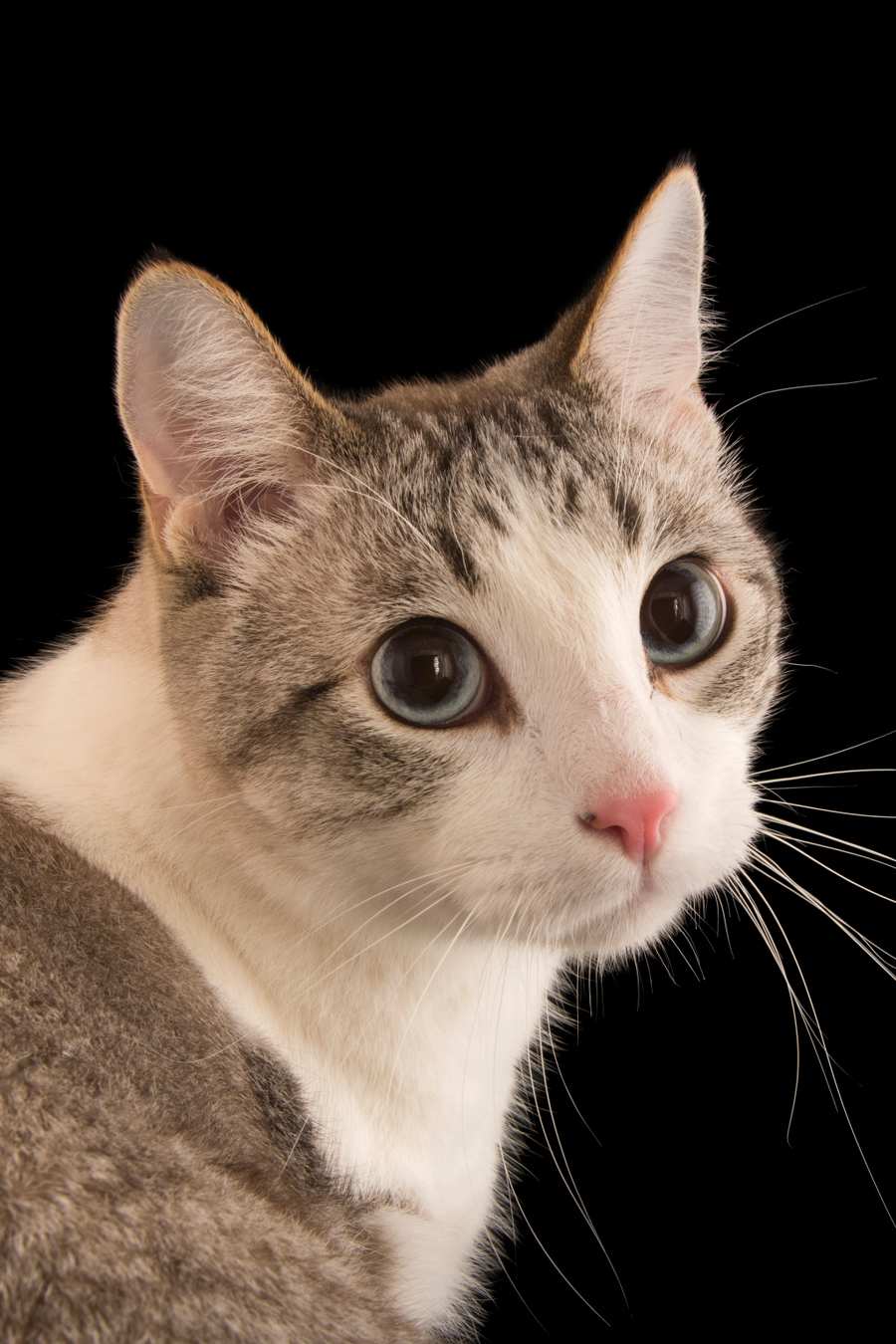
Cats exhibit behaviors that often blur the lines between being a liquid and a solid, showcasing their unique flexibility.
A Curious Phenomenon
Cats have long fascinated humans with their peculiar behaviors and physical abilities. One of the most intriguing aspects is their ability to contort their bodies into seemingly impossible shapes. This phenomenon has led to the whimsical question: Are cats a liquid or a solid? The answer may not be as straightforward as one might think.
To understand this peculiar question, one must delve into feline anatomy and behavior. Cats possess an extraordinary flexibility due to their unique skeletal structure. Unlike humans, cats have more vertebrae in their spines, which allows for greater movement and agility. Their collarbones are also not directly attached to other bones, enabling them to squeeze through tight spaces effortlessly.
This anatomical marvel is complemented by their behavior. Cats often find themselves in odd positions, curling up in boxes or draping over furniture in ways that defy logic. Observing a cat lounging in a sunbeam, one might wonder if they truly are more liquid than solid.
The Science Behind Flexibility
To grasp the idea of whether cats are more like liquids or solids, it’s essential to explore the science behind their flexibility.
Anatomy of a Cat
A cat’s skeletal structure is designed for agility and stealth. Here are some key features:
| Feature | Description |
|---|---|
| Vertebrae | Cats have about 30 vertebrae in their spine, allowing for extensive flexibility. |
| Collarbone | The collarbone (clavicle) is free-floating, giving cats the ability to squeeze through tight spaces. |
| Muscle Structure | Cats possess powerful muscles that allow for quick movements and agile leaps. |
| Body Fat Distribution | Cats have a unique distribution of body fat that aids in flexibility and balance. |
The combination of these anatomical features enables cats to perform acrobatic feats. They can leap up to six times their body length and twist mid-air when falling—a phenomenon known as the righting reflex.
The Righting Reflex Explained
The righting reflex is one of nature’s marvels. When a cat falls from a height, it instinctively rights itself so that its feet land on the ground first. This reflex develops at an early age and showcases the cat’s remarkable balance and coordination.
In essence, this ability contributes to the idea that cats can adapt to various environments, much like liquids conform to their containers. This adaptability is part of what makes them such captivating creatures.
Cats in Everyday Life
Observing cats in everyday scenarios reveals behaviors that further blur the lines between liquid and solid states.
Curling Up Tight
One common sight is a cat curling into an impossibly tight ball while sleeping. This behavior serves multiple purposes: it conserves body heat, protects vital organs, and provides comfort. To an observer, it seems as if they can mold themselves into any shape—much like how liquids take on the form of their containers.
Squeezing Through Spaces
Cats often find themselves wedged into small spaces—be it boxes, bags, or even under furniture. Their ability to compress their bodies allows them to fit into areas much smaller than themselves. This behavior highlights a liquid-like quality; after all, liquids flow and fill any available space.
The Playful Side of Cats
Playtime offers another glimpse into this fascinating comparison between cats being liquid or solid.
Pouncing and Stretching
During play, cats exhibit incredible agility as they pounce on toys or chase after moving objects. Their bodies stretch out mid-leap before curling back into compact forms when they land or prepare for another jump. This fluid motion is reminiscent of how liquids behave when poured from one container to another.
Beyond physical attributes lies an intricate web of behaviors that contribute to this playful debate about whether cats embody more characteristics of liquids or solids.
Territoriality vs Adaptability
While cats are known for being territorial creatures—marking spaces with scent—they also display remarkable adaptability when exploring new environments or interacting with other animals. They can be both rigid in claiming territory yet fluid in navigating social dynamics.
This duality adds depth to understanding feline nature; it’s not just about physical form but also behavioral responses that reflect adaptability akin to liquids.
The Internet’s Love Affair with Felines
In recent years, social media has exploded with memes jokingly asking if “cats are liquid.” These humorous observations resonate widely because they capture something fundamental about our relationship with these animals: we see them as both companions and enigmas whose behaviors challenge our perceptions.
Memes featuring images of cats squeezed into various containers have gone viral—each picture reinforcing this playful notion that felines possess qualities akin to both states of matter.
The Philosophical Angle: What Does It Mean?
The question “Are Cats A Liquid Or A Solid?” transcends mere scientific inquiry—it invites philosophical reflection on how we categorize living beings based on observable traits versus underlying complexities inherent within them.
Felines challenge conventional definitions by embodying characteristics from both categories simultaneously—a blend reflecting nature’s creativity at work!
This interplay prompts deeper contemplation about classification systems we impose upon life forms around us—reminding us there’s often more than meets the eye!
Key Takeaways: Are Cats A Liquid Or A Solid?
➤ Unique Flexibility: Cats possess extraordinary flexibility due to anatomy.
➤ Skeletal Structure: Their spine has more vertebrae for enhanced movement.
➤ Righting Reflex: Cats instinctively land on their feet when falling.
➤ Curling Behavior: They can mold into tight shapes, resembling liquids.
➤ Social Adaptability: Cats balance territoriality with fluid social behaviors.
➤ Social Adaptability: Cats balance territoriality with fluid social behaviors.
Frequently Asked Questions: Are Cats A Liquid Or A Solid?
What anatomical features contribute to the debate of whether cats are a liquid or a solid?
Cats possess several unique anatomical features that contribute to their extraordinary flexibility. Their spine comprises about 30 vertebrae, providing enhanced agility and movement. This flexibility allows them to twist and turn in ways that mimic liquid behavior.
Additionally, cats have a free-floating collarbone, enabling them to squeeze through tight spaces easily. This skeletal structure, combined with powerful muscles, allows for quick and agile movements, further blurring the lines between solid and liquid forms.
How does the righting reflex support the idea of cats being more like liquids?
The righting reflex is a fascinating aspect of feline biology that enhances the argument of cats resembling liquids. When falling, cats instinctively rotate their bodies mid-air to land on their feet. This ability showcases their remarkable balance and coordination.
This reflex not only illustrates their physical adaptability but also emphasizes how they can conform to different environments—similar to how liquids adjust to the shape of their containers. It highlights their unique blend of agility and fluidity in motion.
In what ways do cats exhibit liquid-like behavior in everyday life?
Cats often display behaviors that resemble liquid characteristics in various everyday scenarios. One common behavior is curling into tight balls while sleeping, which conserves heat and protects vital organs. This behavior visually mimics how liquids take on the shape of their containers.
Moreover, their ability to squeeze into small boxes or bags further emphasizes this idea. Just as liquids flow into available spaces, cats adapt by compressing their bodies into areas much smaller than themselves, showcasing a remarkable fluidity in movement.
What role does playtime have in demonstrating a cat’s liquid-like qualities?
During playtime, cats exhibit incredible agility and fluidity reminiscent of liquid behavior. As they pounce on toys or chase moving objects, they stretch out mid-leap before curling back into compact forms upon landing.
This dynamic motion reflects how liquids behave when poured from one container to another. Their playful antics further reinforce the notion that they embody characteristics from both states of matter—solid and liquid—throughout their activities.
How do social media and memes reflect our perception of cats as liquids?
The rise of social media has led to an explosion of memes humorously questioning whether “cats are liquid.” These images often depict cats squeezed into various containers, reinforcing the playful notion that felines possess qualities akin to both states of matter.
This phenomenon resonates widely with audiences because it captures our fascination with cats as both companions and enigmas. The humor found in these observations highlights our relationship with these animals, challenging traditional perceptions and sparking curiosity about their behaviors.
Conclusion – Are Cats A Liquid Or A Solid?
Ultimately, answering whether cats are a liquid or solid isn’t straightforward; it’s an exploration steeped in humor yet grounded in biology! Their extraordinary flexibility combined with playful antics leads us down paths filled with wonderment about what it means simply “to be.”
Cats embody elements from both states while challenging us continuously redefine parameters surrounding our understanding regarding living creatures! Whether curled up snugly within boxes or gracefully leaping across rooms—their essence remains captivatingly fluid!