
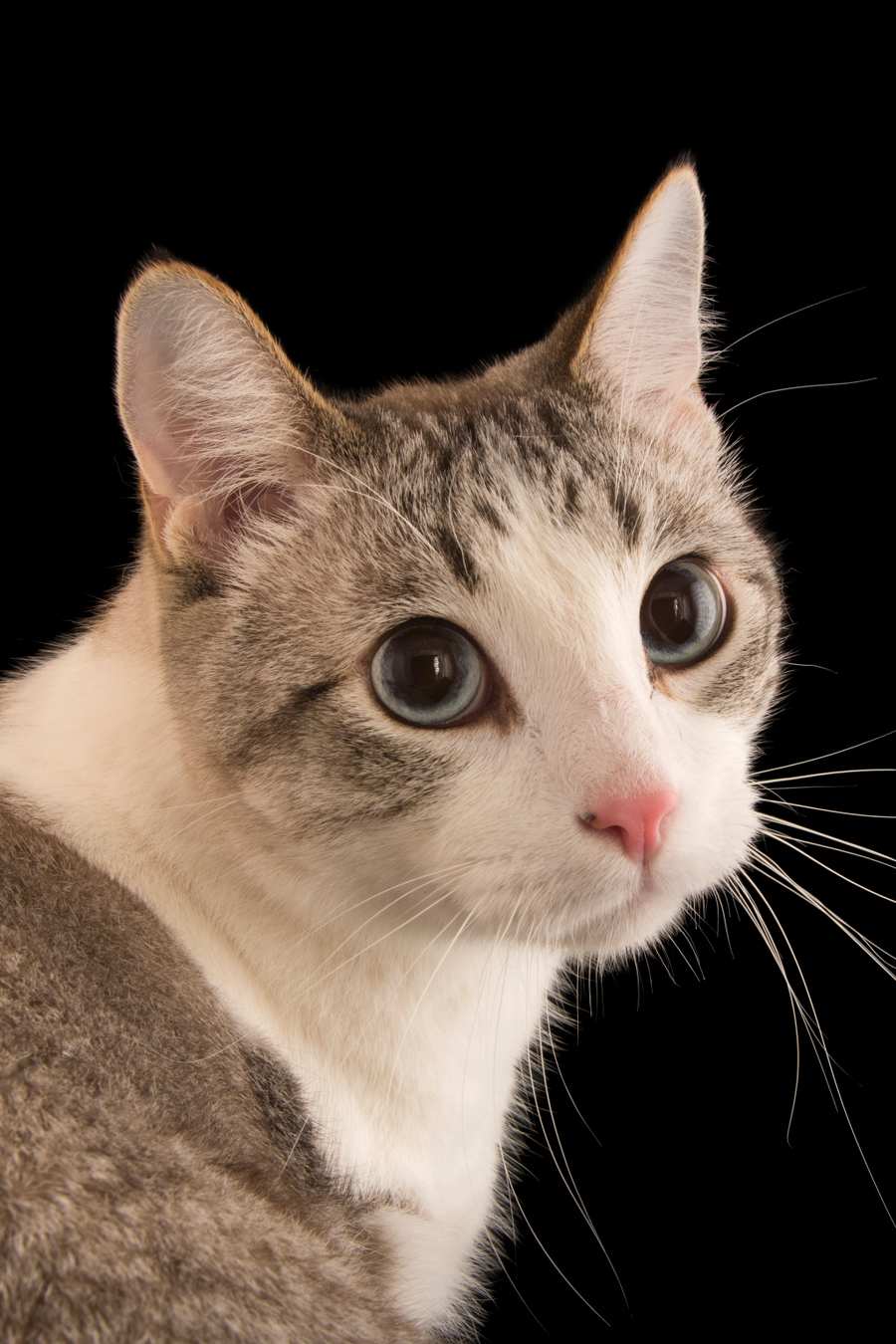
Cats can be allergic to pine needles, leading to symptoms like sneezing and skin irritation.
Cats are curious creatures. They explore their surroundings with an insatiable appetite for discovery. This inquisitiveness often leads them into contact with various plants, including pine trees. While many pet owners may not think twice about a cat being near pine needles, it’s essential to consider potential allergies. The question arises: are cats allergic to pine needles? This article dives deep into this topic, exploring the symptoms, causes, and ways to ensure that our feline friends remain healthy and happy.
Understanding Allergies in Cats
Allergies in cats can manifest in several ways. Just like humans, cats can have allergic reactions to various substances in their environment. These reactions occur when the immune system mistakenly identifies a harmless substance as a threat. The body then releases histamines and other chemicals, leading to allergy symptoms. Common allergens for cats include pollen, dust mites, mold, certain foods, and even specific plants.
When it comes to plants, certain species can trigger allergic responses more than others. Pine trees are prevalent in many regions and often used as holiday decorations or landscaping features. Understanding whether these trees pose a risk is crucial for cat owners.
Common Symptoms of Allergies in Cats
Recognizing the symptoms of allergies in cats is vital for prompt treatment. Here are some common signs that a cat may be experiencing an allergic reaction:
- Sneezing: Frequent sneezing can indicate respiratory irritation.
- Itchy skin: Cats may scratch or bite at their skin if it’s itchy.
- Red or inflamed skin: Allergies can cause dermatitis, leading to redness.
- Watery eyes: Excessive tearing can be a sign of an allergy.
- Vomiting or diarrhea: In some cases, gastrointestinal issues may arise.
If any of these symptoms appear after exposure to pine needles or any other potential allergens, it’s essential to consult with a veterinarian.
Pine Trees and Their Potential Allergenic Effects
Pine trees belong to the Pinaceae family and include several species such as Eastern White Pine and Ponderosa Pine. While these trees provide shade and beauty to our landscapes, they also produce pollen and have needle-like leaves that can pose risks for sensitive cats.
The primary concern regarding pine needles is their physical structure and potential toxicity when ingested. Pine needles are sharp and can cause injury if swallowed or if they puncture the skin during play. Additionally, some species of pine contain compounds that may be harmful when ingested.
Are Pine Needles Toxic?
While not all pine needles are toxic to cats, some species contain substances that could lead to health issues if consumed. For instance:
| Pine Species | Toxicity Level |
|---|---|
| Eastern White Pine | Mildly toxic (causes vomiting) |
| Ponderosa Pine | Toxic (can cause respiratory distress) |
| Lodgepole Pine | Mildly toxic (causes digestive upset) |
It’s crucial for cat owners to know which types of pine trees are present in their environment and monitor their pets’ interactions with them.
The Link Between Pine Needles and Allergic Reactions
Now that the basic understanding of allergies is established let’s return to the central question: Are cats allergic to pine needles?
While there is limited scientific research specifically linking pine needles as allergens for cats directly, anecdotal evidence suggests that some felines do exhibit allergic reactions after exposure. The sharp edges of the needles could irritate the cat’s mouth or paws if chewed on or walked upon.
In addition to physical irritation from the needles themselves, the pollen produced by pine trees during certain seasons might also trigger respiratory allergies in sensitive cats.
Environmental Factors Influencing Allergies
Several environmental factors contribute significantly to whether a cat will develop an allergy:
- Geographic location: Cats living in areas with abundant pine forests may experience more frequent exposure.
- Seasonal changes: Pollen levels fluctuate throughout the year; springtime tends to be peak allergy season.
- Indoor versus outdoor living: Indoor cats might have less exposure but could still react if brought outside.
Understanding these factors helps create a more comprehensive picture of why some cats might react negatively when exposed to pine needles or pollen.
Caring for an Allergic Cat
If it turns out that a cat is indeed allergic to pine needles or other environmental factors, there are several steps owners can take:
Create a Safe Environment
Ensuring that your home is free from known allergens is critical. Here’s how:
- Avoid bringing live pine trees indoors: Opt for artificial decorations during holidays instead.
- Create a clean living space: Regularly vacuuming carpets and cleaning surfaces reduces dust mites and other allergens.
- Pollen management: Keep windows closed during high pollen seasons; consider using air purifiers.
These steps help minimize exposure and create a healthier environment for sensitive cats.
Nutritional Support for Allergy-Prone Cats
Nutrition plays an integral role in managing allergies. A balanced diet rich in omega-3 fatty acids can help reduce inflammation associated with allergic reactions. Including fish oil supplements or foods containing salmon oil might benefit those felines prone to allergies.
Consulting with a veterinarian about dietary adjustments tailored specifically for allergy management can yield positive results.
Treatment Options Available for Allergic Reactions
When dealing with allergies in cats, it’s essential first to consult with a veterinarian who can recommend appropriate treatment options based on individual needs:
- Antihistamines: These medications help alleviate mild allergy symptoms like itching or sneezing.
- Corticosteroids: For more severe cases, corticosteroids may reduce inflammation effectively but should be used cautiously due to potential side effects.
- Immunotherapy: In some instances where specific allergens are identified through testing, immunotherapy may help desensitize the cat over time.
Each treatment option comes with its considerations; therefore, professional guidance is vital.
The Importance of Regular Vet Check-Ups
Regular veterinary check-ups play a significant role in maintaining your cat’s health overall—especially concerning allergies. During these visits:
- The vet can perform skin tests or blood tests if allergies are suspected.
- Your vet will monitor any existing conditions related to allergies over time.
- You’ll receive tailored advice on managing your cat’s unique situation effectively.
Being proactive about your pet’s health ensures timely interventions when needed.
Key Takeaways: Cats Allergic To Pine Needles
➤ Cats can develop allergies: Cats may experience allergic reactions to pine needles. ➤ Common allergy symptoms: Look for sneezing, itchy skin, and watery eyes. ➤ Pine needle toxicity varies: Some pine species can cause mild to severe reactions. ➤ Create a safe environment: Avoid live pine trees and manage indoor allergens. ➤ Consult a vet for treatment:Consult a vet for treatment:
Frequently Asked Questions: Are Cats Allergic To Pine Needles?
Can all cats be allergic to pine needles?
Not all cats are allergic to pine needles. Allergies in cats vary based on individual sensitivities. Some cats may show no reaction, while others can experience symptoms like sneezing or itchy skin after exposure. Factors such as genetics and previous exposure play a significant role in determining a cat’s likelihood of developing an allergy.
Moreover, environmental conditions, such as pollen levels and geographic location, can influence whether a cat might react adversely to pine needles. Observing your cat’s behavior around pine trees can provide insights into any potential allergies.
What are the signs that my cat is allergic to pine needles?
Common signs that indicate a cat may be allergic to pine needles include sneezing, itchy skin, and watery eyes. If your cat frequently scratches or bites at its skin after being near pine trees, it may be reacting to an allergen.
Other symptoms can manifest as gastrointestinal issues like vomiting or diarrhea. It’s crucial to monitor your cat closely and consult a veterinarian if these symptoms appear consistently following exposure to pine needles or related environments.
How can I prevent my cat from being exposed to pine needles?
Preventing your cat from being exposed to pine needles involves creating a safe environment. Start by avoiding bringing live pine trees indoors during holidays or other occasions. Instead, opt for artificial decorations that do not pose any risk.
Regular cleaning of your home is essential as well. Vacuum carpets and surfaces frequently to reduce allergens. Keeping windows closed during high pollen seasons can also minimize exposure to outdoor allergens, including those from pine trees.
Are there specific types of pine trees that are more likely to cause allergies in cats?
Certain species of pine trees may pose higher risks for allergic reactions in cats. For example, Eastern White Pine and Ponderosa Pine have been noted for their potential mild toxicity when ingested and could lead to respiratory distress.
The sharp structure of the needles themselves may also irritate sensitive cats physically. Knowing which types of pine trees are prevalent in your area helps you manage potential exposure effectively.
What should I do if I suspect my cat is allergic to pine needles?
If you suspect your cat is allergic to pine needles, the first step is consulting with a veterinarian. They can conduct tests to determine specific allergens affecting your pet and recommend appropriate treatment options.
Treatment might include antihistamines for mild reactions or corticosteroids for more severe cases. Additionally, creating an allergen-free environment at home will help reduce symptoms and improve your cat’s overall quality of life.
Conclusion – Are Cats Allergic To Pine Needles?
In conclusion, while not all cats will show allergic reactions specifically related to pine needles or pollen from pine trees, it remains essential for pet owners to stay vigilant about their feline friends’ health. Being aware of potential allergens present within the environment helps mitigate risks associated with exposure.
By creating safe spaces at home free from known irritants while also providing nutritional support tailored toward reducing inflammation—cat owners can significantly enhance their pets’ quality of life. Regular veterinary visits ensure ongoing monitoring so that any emerging issues get addressed promptly before they escalate into serious concerns.
Ultimately understanding whether “Are Cats Allergic To Pine Needles?” remains critical knowledge every responsible pet owner should possess!