
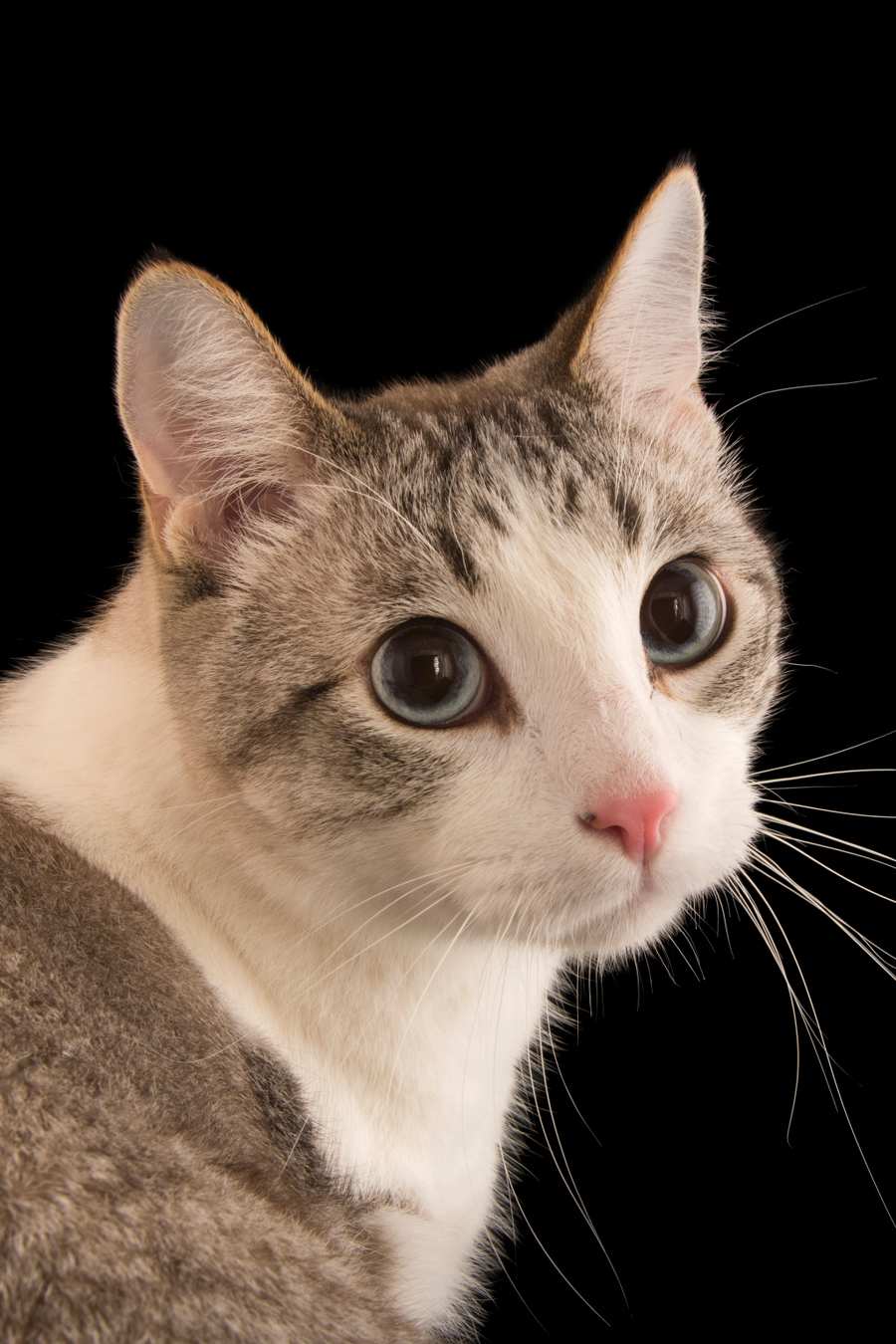
Cats are generally not allergic to petunias, but some may experience mild reactions.
Cats bring joy and comfort to many homes, and as a cat owner, ensuring their safety is a top priority. One question that often arises is whether cats can be allergic to petunias. These vibrant flowers are popular in gardens and homes, but understanding their effect on our feline friends is essential.
The Basics of Petunias
Petunias belong to the Solanaceae family, which also includes tomatoes and potatoes. They are known for their colorful blooms and pleasant fragrance. Native to South America, petunias have become a favorite in gardens worldwide due to their resilience and ability to thrive in various conditions.
These flowers come in numerous varieties, each with unique colors and patterns. Some may have single blooms, while others have ruffled or double petals. Their adaptability makes them suitable for hanging baskets, window boxes, and flower beds alike.
Understanding Allergies in Cats
Cats can develop allergies just like humans do. Allergies occur when the immune system overreacts to a substance it perceives as harmful. Common allergens for cats include pollen, dust mites, mold spores, and certain foods. Symptoms of allergies in cats can range from mild to severe.
Typical signs include sneezing, itching, skin irritations, and gastrointestinal upset. In some cases, allergies can lead to more serious conditions like asthma or dermatitis. Recognizing these symptoms early is crucial for effective treatment.
Are Petunias Toxic to Cats?
Petunias are not considered toxic to cats according to the ASPCA (American Society for the Prevention of Cruelty to Animals). This means that if a cat nibbles on a petunia leaf or flower, it is unlikely to cause severe harm. However, while they are non-toxic, some cats might still experience mild reactions due to various factors.
Potential Reactions in Cats
Even though petunias are not toxic, some cats may still exhibit sensitivity or mild allergic reactions when exposed to them. The most common reactions include:
- Skin Irritation: Cats may develop rashes or itchiness if they come into contact with petunia pollen or sap.
- Gastrointestinal Upset: If ingested in large amounts, petunias could cause stomach upset or vomiting.
- Respiratory Issues: Pollen from petunias can trigger sneezing or coughing in sensitive cats.
It’s essential for cat owners to monitor their pets closely when introducing new plants into their environment.
Identifying Allergic Reactions
Recognizing an allergic reaction can sometimes be tricky since symptoms may vary from one cat to another. Here are some signs that may indicate your cat is having an allergic reaction:
- Excessive grooming leading to bald patches
- Redness or swelling around the face or paws
- Frequent sneezing or coughing
- Vomiting or diarrhea after ingestion
If any of these symptoms arise after exposure to petunias or any new plant, it’s wise to consult a veterinarian.
Caring for Cats Around Petunias
If you love gardening and want petunias in your yard but also have a cat at home, there are several steps you can take to ensure your feline friend stays safe:
1. Placement: Keep petunia pots out of reach of curious paws. High shelves or hanging baskets can prevent access.
2. Monitor Behavior: Observe your cat’s behavior around the flowers. If they seem overly interested in chewing on them, consider removing the plants from your home.
3. Regular Cleaning: Clean up fallen petals and leaves promptly since these can attract your cat’s attention.
4. Consult Your Vet: If you suspect your cat has an allergy but aren’t sure about the cause, consulting with a veterinarian can provide clarity.
5. Alternative Plants: If you find that your cat does react poorly around petunias despite their non-toxic nature, consider substituting them with other cat-safe plants like marigolds or snapdragons.
Other Common Plants and Their Effects on Cats
While discussing petunias’ safety regarding cats is vital, it’s also important to be aware of other common plants that could pose risks:
| Plant Name | Toxicity Level | Symptoms of Poisoning |
|---|---|---|
| Lilies | Highly Toxic | Kidney failure; vomiting; lethargy |
| Aloe Vera | Moderately Toxic | Vomiting; diarrhea; tremors |
| Poinsettia | Mildly Toxic | Irritation; vomiting; drooling |
| Spider Plant | Non-Toxic | No adverse effects; safe for pets |
| Sago Palm | Highly Toxic | Liver failure; vomiting; seizures |
This table highlights various plants’ toxicity levels concerning cats so that informed decisions can be made about home gardening choices.
The Role of Pollen in Allergies
Pollen is a significant contributor to seasonal allergies in both humans and animals alike. Petunia pollen can become airborne during blooming seasons and affect sensitive cats nearby. While this isn’t exclusive to petunias—many flowering plants release pollen—understanding how pollen impacts allergy-prone animals helps manage exposure effectively.
Cats might show signs of irritation during peak blooming seasons when pollen counts are high. Keeping windows closed during these times can reduce indoor pollen levels significantly.
How To Help Allergic Cats Feel Better?
If a cat shows signs of allergies related to environmental factors such as plant exposure—like those potentially caused by petunias—there are several strategies that may help alleviate discomfort:
1. Regular Grooming: Brushing helps remove loose fur and allergens trapped within it.
2. Air Purifiers: Investing in HEPA air purifiers can significantly reduce airborne allergens within the home environment.
3. Hydration: Ensuring access to fresh water encourages hydration which supports overall health during allergy seasons.
4. Consultation with Veterinarians: A vet might suggest antihistamines specifically formulated for pets if symptoms persist despite home care measures.
5. Dietary Adjustments: Some hypoallergenic diets may help mitigate allergic responses by reducing inflammation throughout the body.
These steps not only promote comfort but also contribute positively toward long-term health management strategies for allergy-prone felines.
The Importance of Awareness Regarding Plant Safety
Understanding which plants are safe for cats becomes crucial when considering landscaping options at home or adding greenery indoors! Many beautiful flowers exist that pose minimal risk while providing aesthetic appeal without compromising feline health!
When selecting new plants—whether they be vibrant annuals like petunias or perennial favorites—researching potential toxicity levels should always take precedence!
Being proactive about plant safety ensures both enjoyment from gardening while keeping beloved pets protected from accidental ingestion—or worse yet—serious health complications arising from toxic flora!
As responsible pet owners navigate through this journey together with their furry companions—it fosters deeper connections between humans & animals alike!
Key Takeaways: Cats and Petunias
➤ Cats Generally Safe: Most cats are not allergic to petunias.
➤ Mild Reactions Possible: Some cats may have mild reactions to petunias.
➤ Monitor Symptoms: Watch for sneezing, itching, or gastrointestinal upset.
➤ Plant Placement Important: Keep petunias out of reach of curious cats.
➤ Consult Your Vet: Always seek veterinary advice if allergies are suspected.
➤ Consult Your Vet: Always seek veterinary advice if allergies are suspected.
Frequently Asked Questions: Are Cats Allergic To Petunias?
Can cats develop allergies to petunias?
Cats can indeed develop allergies to various substances, including petunias. While these flowers are not toxic, some cats might have a sensitivity to the pollen or sap. This sensitivity can lead to mild allergic reactions. Symptoms such as sneezing, itching, or gastrointestinal upset may occur.
Individual reactions vary significantly among cats. Factors like genetics and environmental conditions play a role in how a cat’s immune system responds to allergens. Keeping an eye on your cat’s behavior around petunias is essential for early detection of any potential issues.
What should I do if my cat shows signs of an allergic reaction to petunias?
If your cat exhibits symptoms such as excessive grooming, sneezing, or skin irritations after exposure to petunias, it’s crucial to take action. Start by removing the plant from your home and observing your cat’s behavior for improvement.
If symptoms persist or worsen, consult a veterinarian for advice. They may recommend antihistamines or other treatments tailored for your cat’s specific needs. Monitoring and managing exposure is key to ensuring your feline friend’s well-being.
Are there any other plants that might cause allergic reactions in cats?
Yes, several common plants can trigger allergic reactions in cats. Some of these include ragweed, lilies, and certain grasses. Each plant releases pollen or contains substances that can irritate a cat’s immune system.
It is important for pet owners to research any new plants introduced into their homes or gardens. Understanding which plants are safe and which pose risks helps create a healthier environment for pets while enjoying the beauty of nature.
How can I minimize my cat’s exposure to allergens like petunia pollen?
To minimize exposure to allergens such as petunia pollen, consider keeping windows closed during peak blooming seasons when pollen counts are high. Regular cleaning of your home can also help reduce airborne allergens.
Using HEPA air purifiers is another effective strategy for maintaining clean air quality indoors. Additionally, grooming your cat regularly helps remove loose fur and allergens that may have settled on their coat.
What are some alternative plants that are safe for cats?
If you find that your cat has sensitivities to petunias or other common garden plants, consider alternatives known to be safe for felines. Options include marigolds, snapdragons, and spider plants.
These alternatives provide vibrant colors and beauty without posing risks to your cat’s health. Always verify the safety of any new plant before introducing it into your home environment to ensure a harmonious living space.
Conclusion – Are Cats Allergic To Petunias?
In conclusion, while most cats aren’t allergic specifically towards petunias—they might still experience mild reactions due largely because individual sensitivities vary widely among different animals! Keeping an eye out for unusual behaviors following exposure helps ensure prompt action if necessary!
Ultimately creating safe spaces filled with beautiful blooms enhances life’s joy without sacrificing our furry friends’ well-being! By being informed about these matters—pet owners cultivate environments where both humans & animals thrive harmoniously side by side!