
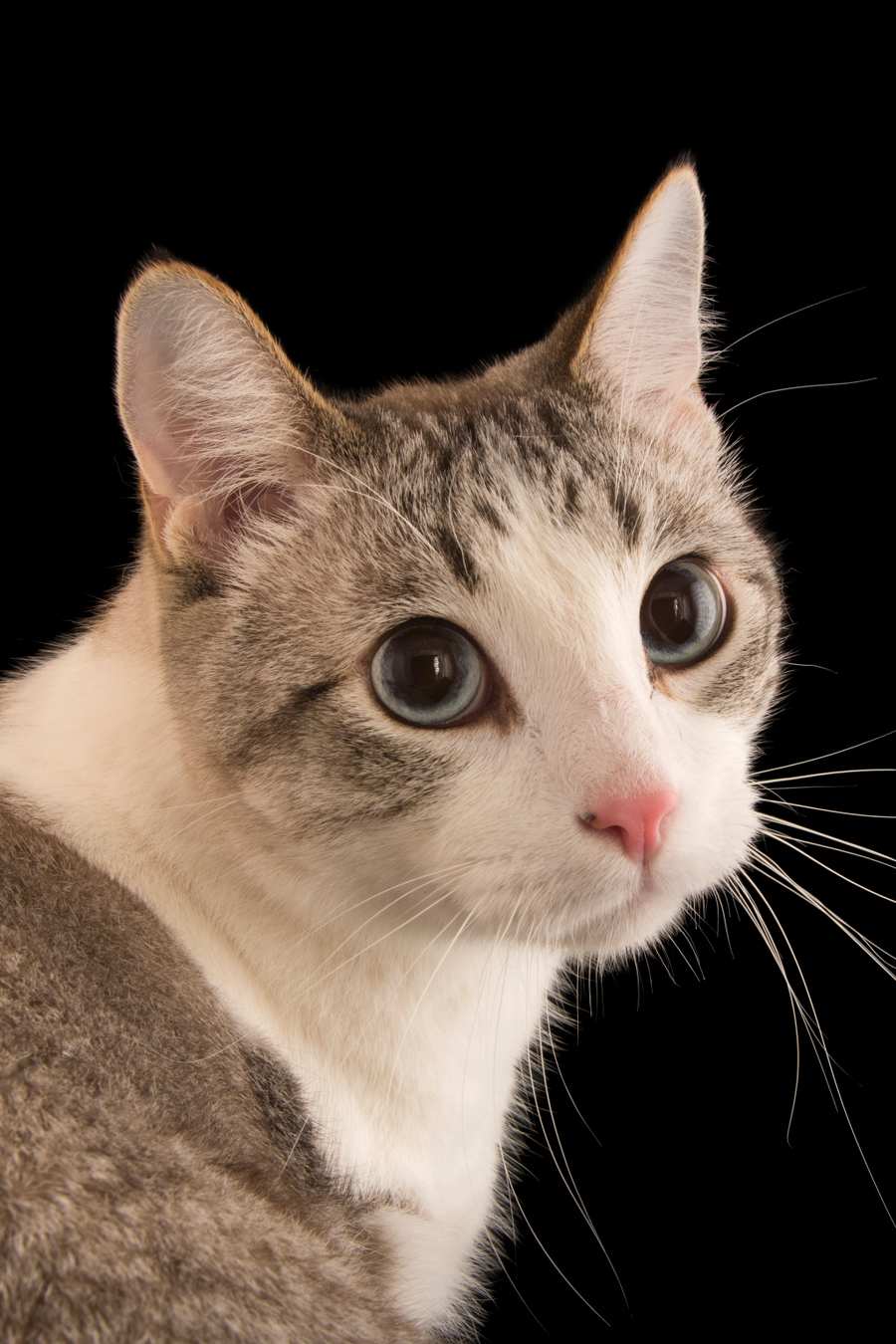
Cats are indeed allergic to onions and garlic, which can lead to serious health issues if ingested.
Understanding the Toxicity of Onions and Garlic
Onions and garlic belong to the Allium family, which also includes leeks, shallots, and chives. These foods are commonly used in human cooking for their flavor-enhancing properties. However, they pose a significant threat to cats. The compounds in these plants can lead to oxidative damage in feline red blood cells, causing hemolytic anemia. This condition occurs when red blood cells are destroyed faster than they can be produced, leading to various health problems.
Cats are particularly sensitive to these compounds due to their unique metabolism. Unlike humans, cats lack certain enzymes needed to process these substances effectively. Even small amounts of onion or garlic can result in adverse reactions. Therefore, understanding the risks associated with these foods is crucial for any cat owner.
Symptoms of Allium Poisoning in Cats
Recognizing the signs of onion or garlic poisoning in cats is vital for prompt treatment. Symptoms can vary based on the amount ingested and the individual cat’s health. Common symptoms include:
- Vomiting: One of the earliest signs that something is wrong.
- Diarrhea: This may occur alongside vomiting.
- Lethargy: Affected cats may become unusually tired or inactive.
- Pale gums: An indication of anemia.
- Rapid breathing or increased heart rate: Signs that the body is under stress.
- Weakness: Particularly noticeable during physical activity.
If any of these symptoms appear after a cat has consumed onions or garlic, immediate veterinary attention is necessary.
The Science Behind Allium Toxicity
The toxic components in onions and garlic include thiosulfate and sulfoxides, which are responsible for causing oxidative damage. When ingested, these compounds enter the bloodstream and begin attacking red blood cells. This process leads to a reduction in the number of healthy red blood cells available to carry oxygen throughout the body.
In severe cases, this condition can escalate quickly. The destruction of red blood cells leads not only to anemia but also to potential organ failure due to inadequate oxygen supply. Understanding this mechanism helps underscore why even small amounts of these foods should be avoided.
How Much Is Too Much?
Determining how much onion or garlic can harm a cat isn’t straightforward due to various factors including age, weight, and overall health. However, research indicates that even small quantities can be dangerous. For instance:
| Food Type | Toxic Amount (grams per kg body weight) |
|---|---|
| Onion | 0.5-1 |
| Garlic | 0.1-0.5 |
For example, a single tablespoon of onion can be toxic for a cat weighing around five kilograms (11 pounds). This highlights how crucial it is for cat owners to be vigilant about what their pets consume.
Cats vs Dogs: Different Levels of Sensitivity
When comparing cats and dogs regarding Allium toxicity, cats are more susceptible than dogs. Dogs have a higher tolerance for certain types of Allium vegetables; however, they too can experience adverse effects if large quantities are consumed over time.
Cats’ unique physiology means they metabolize food differently than dogs do. Their bodies lack certain enzymes that help break down thiosulfates effectively, leading them to be at a greater risk for toxicity even from smaller amounts.
What Should Cat Owners Do?
Preventing onion and garlic exposure is paramount for cat owners. Here are some practical steps:
- Avoid feeding table scraps: Many human foods contain onions or garlic as ingredients.
- Read labels: Always check food labels for hidden sources of Allium.
- Create a safe kitchen environment: Ensure that food preparation areas are secure from curious paws.
- Educate family members: Make sure everyone knows not to feed cats any human food without checking its safety first.
These actions can significantly reduce the risk of accidental ingestion.
Treatment Options for Cats Exposed to Onions or Garlic
If a cat has ingested onions or garlic, swift action is essential. The first step should always be contacting a veterinarian who can provide guidance based on the situation’s specifics.
Possible treatments may include:
- The use of activated charcoal: This helps absorb toxins present in the stomach.
- I.V. fluids: To maintain hydration and support kidney function during recovery.
- Blood transfusions: In severe cases where anemia has developed.
The prognosis will depend on several factors including how much was consumed and how quickly treatment was initiated.
The Importance of Veterinary Care
Regular veterinary check-ups play an essential role in monitoring a cat’s overall health and well-being. During these visits, discussions about diet should take place as part of preventative care strategies.
Veterinarians can provide tailored advice based on individual dietary needs while also offering insights into other harmful substances that might be lurking in everyday foods at home.
Nutritional Alternatives for Cats
With so many potential dangers associated with feeding cats human food containing onions and garlic, it’s crucial to find safe alternatives that provide nutrition without risking their health.
Here are some safe options:
- Cooked chicken or turkey: Lean meats without added spices make excellent protein sources.
- Canned pumpkin: A great source of fiber; just ensure it’s plain with no additives.
- Sliced carrots or peas: These vegetables offer vitamins without posing risks like Allium does.
Ensuring a balanced diet rich in nutrients will keep felines healthy while steering clear from harmful ingredients like onions and garlic.
The Role of Education in Prevention
Educating oneself about pet nutrition is vital for every pet owner who wants their furry friends to thrive without unnecessary risks posed by common household items like onions or garlic.
Reading books on feline nutrition or consulting with professionals at local animal shelters can help build knowledge about what’s safe versus unsafe for cats’ diets.
Sharing this information with fellow pet owners also promotes awareness within communities—ultimately benefiting all pets involved!
A Case Study: Real-Life Experiences with Onion Poisoning
To illustrate the seriousness surrounding onion poisoning in cats, consider this case study involving a tabby named Max:
Max’s owner thought it was harmless when he accidentally dropped some leftover pasta containing garlic onto the floor while cooking dinner one evening. Max quickly gobbled up what he could before anyone noticed!
Within hours he started showing signs—vomiting followed by lethargy—prompting an urgent trip to the vet where tests confirmed elevated levels indicating hemolytic anemia caused by Allium exposure!
Fortunately after treatment including IV fluids & medication Max made full recovery but it served as an important reminder about vigilance regarding our pets’ diets!
Key Takeaways: Cats Allergic To Onions And Garlic
➤ Cats are highly susceptible to onion and garlic toxicity, leading to anemia.
➤ Even small amounts are harmful; vigilance in diet is crucial for cat owners.
➤ Symptoms include vomiting, lethargy, and pale gums; seek vet care if observed.
➤ Prevention is key; avoid table scraps and educate others about cat safety.
➤ Immediate treatment is vital; contact a vet if ingestion occurs for proper care.
➤ Immediate treatment is vital; contact a vet if ingestion occurs for proper care.
Frequently Asked Questions: Are Cats Allergic To Onions And Garlic?
Are cats allergic to onions and garlic, and what are the symptoms?
Cats are indeed allergic to onions and garlic, which can lead to serious health issues. Symptoms of Allium poisoning include vomiting, diarrhea, and lethargy. Affected cats may exhibit pale gums, rapid breathing, or increased heart rate. These symptoms arise due to oxidative damage caused by compounds like thiosulfate found in these foods. Quick recognition of these signs is crucial for timely veterinary intervention.
What should I do if my cat eats onions or garlic?
If you suspect your cat has ingested onions or garlic, immediate action is essential. Contact your veterinarian right away for guidance. They may recommend treatments such as administering activated charcoal to absorb toxins or providing I.V. fluids to ensure hydration. In severe cases, blood transfusions might be necessary. The sooner treatment begins, the better the chances for recovery.
How can I prevent my cat from consuming onions and garlic?
Preventing onion and garlic exposure is vital for cat owners. Start by avoiding feeding table scraps that may contain these ingredients. Always read food labels carefully to identify hidden sources of Allium. Additionally, create a safe kitchen environment where food preparation areas are secure from curious cats. Educate family members about the dangers of these foods to ensure everyone understands the importance of keeping cats safe.
What are some safe food alternatives for my cat?
Finding safe alternatives is crucial for maintaining your cat’s health while avoiding harmful ingredients like onions and garlic. Suitable options include cooked chicken or turkey, which provide lean protein without added spices. Canned pumpkin is another excellent choice, offering fiber without additives. Additionally, sliced carrots or peas can serve as nutritious treats that won’t pose risks associated with Allium vegetables.
Why are cats more sensitive to onions and garlic than dogs?
Cats exhibit greater sensitivity to onions and garlic compared to dogs due to their unique metabolism. Unlike dogs, cats lack certain enzymes needed to break down thiosulfates effectively. This makes them more vulnerable even to small amounts of these toxic foods. While dogs can tolerate larger quantities over time, cats’ physiology puts them at higher risk for serious health issues from Allium exposure.
The Bottom Line: Are Cats Allergic To Onions And Garlic?
In conclusion—yes! Are Cats Allergic To Onions And Garlic? Absolutely! The dangers posed by these common kitchen staples cannot be overstated when it comes down protecting beloved feline companions from harm caused by everyday items found around homes everywhere!
By being informed about what constitutes safe versus unsafe foods along with recognizing symptoms associated with potential poisoning incidents allows proactive measures ensuring happy & healthy lives together!
Taking preventative steps now means fewer worries later—so stay vigilant when it comes down caring well-loved furballs!