
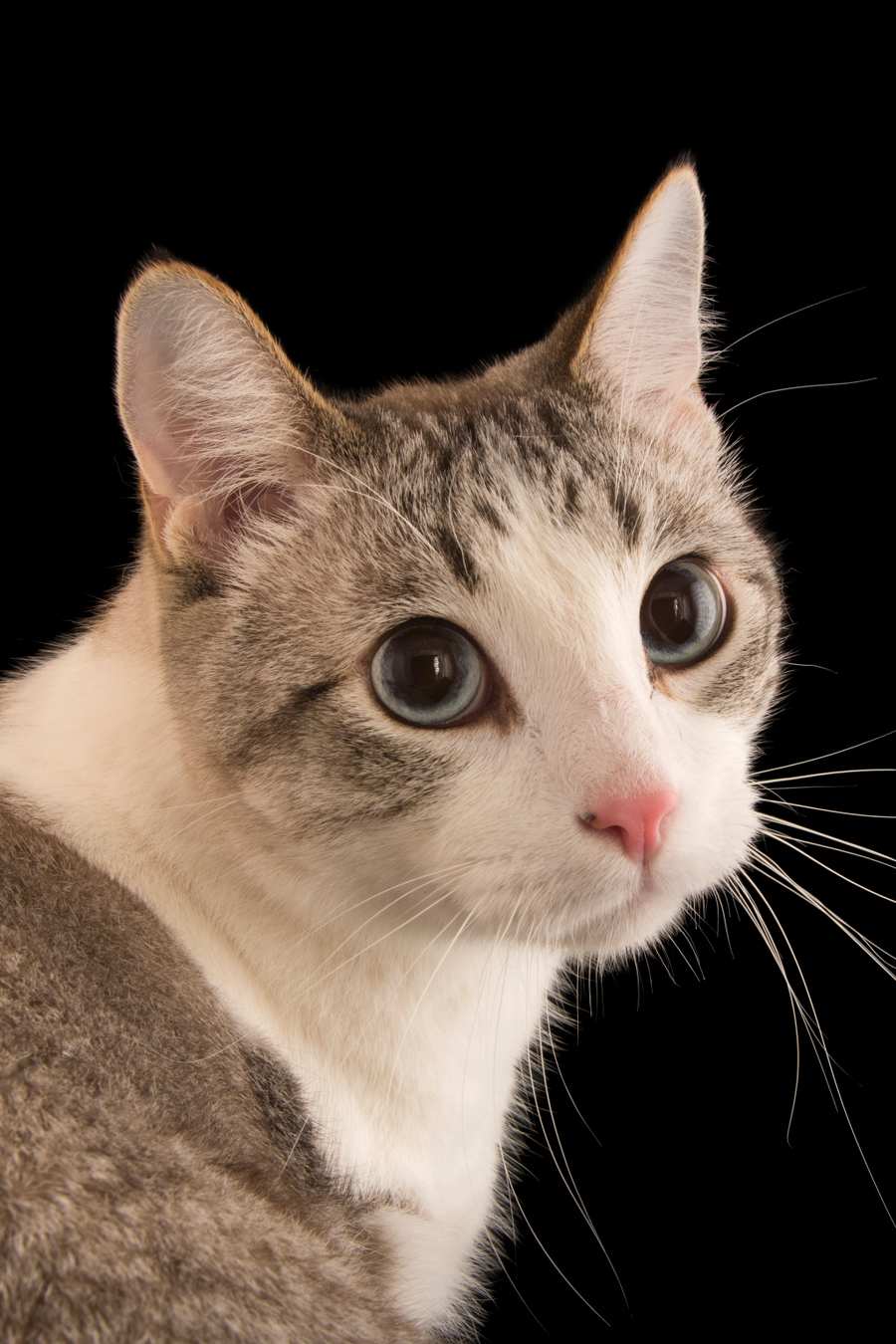
Cats are indeed born with fur, which develops in the womb and varies in texture and color.
Cats have fascinated humans for centuries, captivating us with their playful antics, mysterious behavior, and undeniable charm. One of the most intriguing aspects of these beloved pets is their fur. It serves as a protective layer and a means of communication, but many wonder: Are cats born with fur? This question delves into the biology of felines and offers insights into their development from tiny embryos to the majestic creatures we adore.
Understanding feline development begins with recognizing that cats, like all mammals, start life as embryos. The gestation period for cats lasts approximately 64 to 67 days. During this time, various stages of development occur, including the formation of fur. The initial stages see the embryo developing vital organs and systems. As the pregnancy progresses, fur begins to emerge.
The Development of Fur in Cats
To comprehend how cats are born with fur, it’s essential to look at several developmental milestones that occur during gestation. In the early stages of pregnancy, a cat’s body undergoes significant changes as it prepares to nurture its growing kittens.
Embryonic Stage
In the first few weeks after conception, a cat’s embryos are tiny and mostly consist of cells that will eventually differentiate into various tissues and organs. At this stage, there’s no visible fur. Instead, the focus is on developing critical systems like the nervous system and circulatory system.
Fur Development Begins
Around the third week of gestation, things start to change dramatically. Hair follicles begin to form on the kittens’ skin. These follicles create a foundation for fur development. The type of fur—whether short or long—depends on genetics inherited from both parents.
Texture and Color Variations
By weeks four to five, kittens start developing their unique coat patterns and colors. The genetic makeup plays a significant role in determining these characteristics. For example, tabby patterns or solid colors emerge based on specific genes passed down from the mother and father.
The Role of Genetics in Fur Development
Genetics significantly influences not only whether kittens are born with fur but also what type of fur they will have. Each parent contributes genes that dictate various traits.
Inherited Traits
Kittens inherit their coat color and pattern from both parents through dominant and recessive genes. If both parents have long-haired coats, there’s a higher chance that their offspring will also have long hair due to shared genetic material. Conversely, if one parent has short hair while the other has long hair, there could be a mix in coat types among the kittens.
Common Coat Patterns
The variety of coat patterns is astonishing among domestic cats:
| Coat Pattern | Description |
|---|---|
| Tabby | Characterized by stripes or spots; often has an ‘M’ shape on its forehead. |
| Solid | A uniform color throughout; can range from black to white. |
| Bicolor | A combination of two colors; often seen as patches or spots. |
| Tortoiseshell (Tortie) | A mix of black and orange; usually female. |
| Calico | A tricolor pattern that includes white along with orange and black. |
| Pointed | A light body color with darker extremities like ears and paws. |
These patterns not only enhance a cat’s appearance but also serve as identifiers within feline communities.
The Purpose of Fur in Cats
Fur plays several crucial roles in a cat’s life beyond aesthetic appeal. Understanding these functions sheds light on why being born with fur is vital for survival.
Insulation and Temperature Regulation
One primary function of fur is insulation. It helps maintain body temperature by providing warmth during cold weather while allowing heat dissipation when it’s hot outside. This thermoregulation is essential for outdoor cats who face varying environmental conditions daily.
Protection Against Elements
Fur acts as a barrier against harsh weather conditions such as rain or snow. It protects sensitive skin from sunburn during sunny days while also providing some level of protection against injuries or irritants encountered in nature.
Sensory Functions
The whiskers found on a cat’s face are specialized hairs that serve sensory functions. They help cats navigate their environment by detecting changes in air currents or nearby objects—an essential skill for hunting or avoiding obstacles.
The Myth About Hairless Kittens
Some may wonder if all kittens are born with fur since certain breeds like Sphynx are hairless at birth. However, even these kittens develop some form of fuzz shortly after birth due to genetic mutations affecting hair growth.
Hairless breeds arise from specific genetic factors that inhibit normal hair follicle development but do not negate the initial stages where some fine hairs might appear before they fall out entirely.
Caring for Kittens Post-Birth: The Importance of Fur Care
Once kittens are born with their adorable coats intact, proper care becomes vital for ensuring their health and well-being as they grow older.
Nursing Periods: Keeping Warmth In Mind
During nursing periods right after birth, warmth becomes critical since newborns cannot regulate body temperature effectively without maternal care or external heat sources—this is where maternal fur plays an important role!
Kittens snuggle against their mother’s warm body while nursing; this bond fosters both physical warmth needed during early life stages along with emotional security essential for healthy development!
Grooming Practices
As they grow older (around three weeks), kittens begin exploring grooming practices under their mother’s guidance! They learn how to clean themselves through licking which promotes hygiene while helping them bond socially within litters!
Regular brushing helps maintain healthy coats too! It removes dirt/dust buildup preventing matting issues later down line!
Key Takeaways: Cats Born With Fur
➤ Cats are born with fur that develops during the gestation period.
➤ Fur development begins around the third week of gestation with follicles.
➤ Genetics influence fur, determining texture, color, and patterns in kittens.
➤ Fur serves vital purposes, including insulation and protection against elements.
➤ Caring for kittens’ fur is essential for their health and social bonding.
➤ Caring for kittens’ fur is essential for their health and social bonding.
Frequently Asked Questions: Are Cats Born With Fur?
Are all cats born with fur, or are there exceptions?
Most cats are indeed born with fur, which develops during gestation. However, there are exceptions. Breeds like the Sphynx are known for their hairlessness due to genetic mutations that inhibit hair follicle development. While Sphynx kittens appear hairless at birth, they often have a fine layer of fuzz that may not be immediately noticeable. This fuzz can provide some insulation and sensory functions, even if it is not the typical fur seen in other breeds.
How does genetics influence the type of fur in kittens?
Genetics play a crucial role in determining the type and characteristics of fur in kittens. Each kitten inherits genes from both parents that dictate coat color, pattern, and texture. For instance, if both parents have long-haired coats, there is a higher likelihood that their offspring will also have long hair. Conversely, a mix of short and long-haired parents can result in varied coat types among the litter due to dominant and recessive gene interactions.
What are some common coat patterns found in cats?
Cats exhibit a remarkable variety of coat patterns that can be categorized into several types. Common patterns include tabby, characterized by stripes or spots; solid colors that present a uniform appearance; bicolor patterns that feature two distinct colors; tortoiseshell mixes of black and orange; calico combinations of white, orange, and black; and pointed patterns with lighter bodies and darker extremities. Each pattern results from specific genetic combinations inherited from the parents.
What roles does fur play in a cat’s life beyond aesthetics?
The fur of a cat serves multiple essential functions beyond mere appearance. One significant role is insulation; it helps maintain body temperature by providing warmth during colder months while allowing heat dissipation when temperatures rise. Additionally, fur protects against environmental elements like rain or sunburn. It also serves sensory purposes—whiskers act as specialized hairs that help cats navigate their surroundings by detecting air currents and nearby objects.
How should one care for kittens regarding their fur after birth?
Caring for kittens involves several important practices related to their fur after birth. Initially, maternal care is crucial for keeping them warm since newborns cannot regulate their body temperature effectively. Kittens will snuggle against their mother’s fur while nursing to receive warmth and emotional security. As they grow older, they begin grooming themselves under maternal guidance which promotes hygiene and helps them bond socially within their litter. Regular brushing also aids in maintaining healthy coats by removing dirt and preventing matting.
Conclusion – Are Cats Born With Fur?
In summary, yes—cats are indeed born with fur! This remarkable feature develops during gestation influenced heavily by genetics determining texture/color patterns seen later on! The presence/functionality serves multiple purposes including insulation/protection while facilitating sensory navigation through environments!
Caring properly for them ensures optimal growth throughout various life stages leading towards happy healthy companions! Understanding these facts about our feline friends enriches experiences shared together fostering deeper connections between humans & pets alike!