
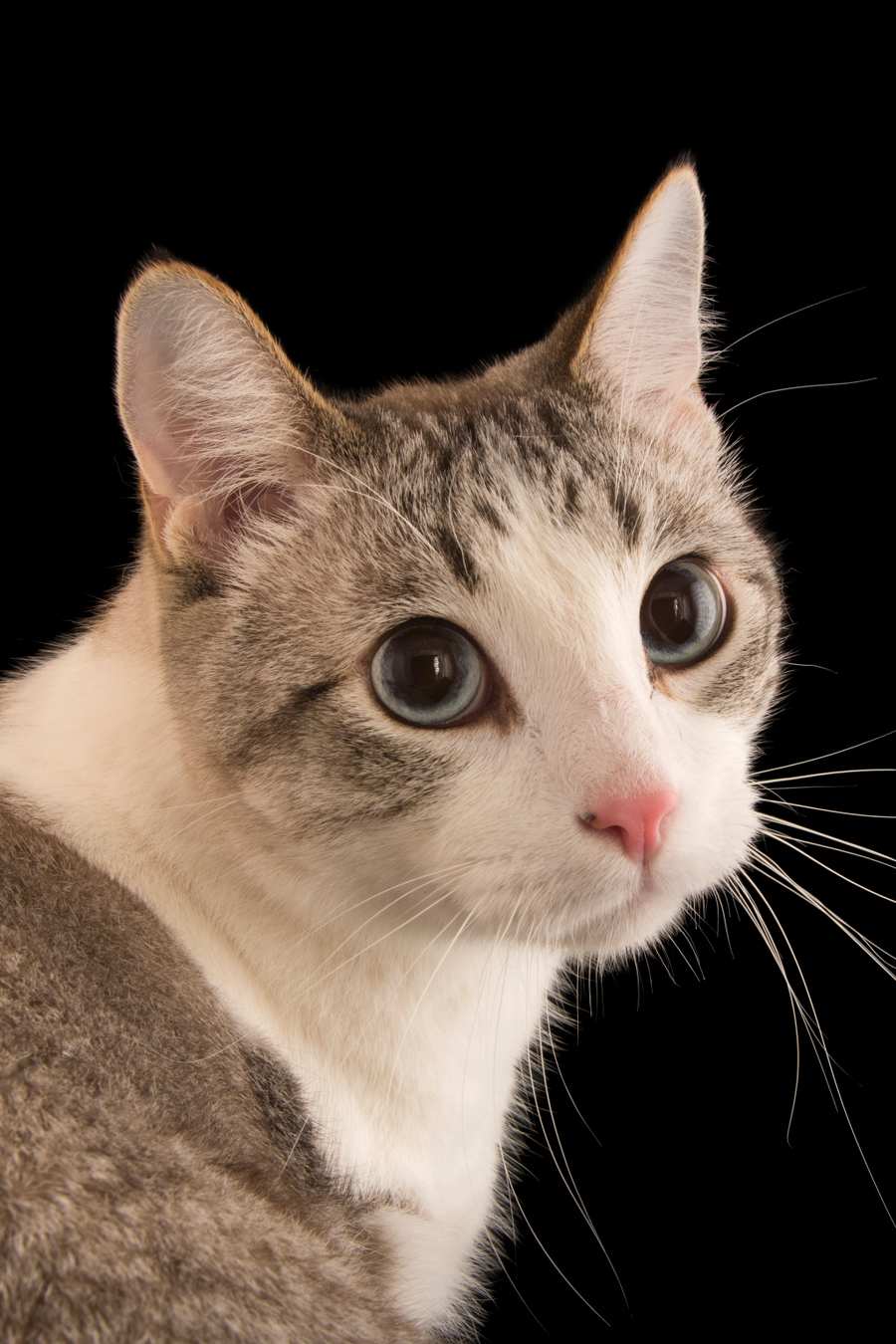
Cats can feel cold, especially if they are wet, underweight, or exposed to chilly environments.
Cats, those enigmatic little creatures, often have us wondering about their comfort levels. One burning question that frequently arises is, are cats cold? Understanding a cat’s comfort and temperature preferences is crucial for any cat owner. Cats are equipped with a natural fur coat that provides insulation against the elements. However, just like humans, they can experience discomfort when temperatures dip too low or when their environment becomes too chilly.
The feline body operates at an average temperature of 101 to 102.5 degrees Fahrenheit (38.3 to 39.2 degrees Celsius). This means they have a higher baseline temperature than humans. So, while a chilly day might feel brisk to us, it can be downright uncomfortable for our furry friends. If cats find themselves in a situation where their body temperature drops significantly due to cold weather or exposure, it can lead to serious health issues.
The Physiology of Cats and Temperature Regulation
Cats have a unique physiology that helps them cope with various temperatures. Their fur acts as an insulator, keeping them warm in colder climates and providing some protection against heat in warmer conditions. However, there are limits to this natural insulation.
One key aspect of how cats regulate their body temperature is through behavior rather than physiological changes. For instance, you might notice your cat curling up tightly or seeking out warm spots in the house during colder months. This behavior is instinctual; by minimizing exposed surface area and finding warmth, cats conserve heat.
Additionally, the breed of the cat plays a significant role in their ability to withstand cold temperatures. For example:
Breeds Most Susceptible to Cold
Some breeds are more vulnerable to cold weather due to their physical characteristics:
| Breed | Characteristics |
|---|---|
| Sphynx | Lack of fur makes them highly susceptible to cold. |
| Oriental Shorthair | Thin coat provides little insulation. |
| Devon Rex | Short hair means less protection against the cold. |
| Bengal | While active and playful, they may struggle in colder climates. |
These breeds often need extra care during winter months or in colder climates. They may require cozy blankets or heated beds to ensure they remain comfortable.
Signs That Your Cat May Be Cold
Identifying whether a cat is feeling cold can sometimes be tricky since they often hide their discomfort well. However, there are several signs that indicate your feline friend might be experiencing chills:
- Curling Up: If a cat curls up tightly into a ball or seeks out small spaces, it’s often a sign they’re trying to conserve body heat.
- Shivering: Just like humans, cats can shiver when they’re cold. If you notice this behavior, it’s time to provide some warmth.
- Seeking Warmth: Cats may gravitate towards warm spots like sunny windowsills, heating vents, or snuggling with you more than usual.
- Reduced Activity: A lethargic cat that usually has bursts of energy may be trying to conserve energy due to feeling cold.
- Cold Ears and Paws: Touching your cat’s ears or paws can give you an idea of their body temperature; if these areas feel significantly cooler than usual, your cat might be too cold.
Understanding these signs helps ensure that cats remain comfortable and healthy during chilly weather.
How Cold Is Too Cold for Cats?
Many people wonder exactly how low temperatures can go before it becomes dangerous for cats. Generally speaking:
- Above 45°F (7°C): Most cats will be fine outdoors for short periods.
- 32°F (0°C) and below: Prolonged exposure can lead to hypothermia.
- 20°F (-6°C) and below: This is considered very dangerous for most cats; outdoor time should be limited.
It’s essential for pet owners to monitor outdoor conditions closely during winter months and make sure their furry companions have access to warm indoor spaces.
Creating a Warm Environment for Cats
When the weather turns frigid outside, ensuring that indoor spaces are warm and inviting becomes crucial for feline comfort. Here are some effective ways to create a cozy environment:
1. Provide Warm Bedding
Investing in quality bedding materials is one of the simplest ways to keep cats warm indoors. Cat beds made from thick materials or heated options can provide extra comfort during colder months.
2. Use Blankets Strategically
Cats love burrowing under blankets! Drape soft blankets over favorite resting spots or create little forts where they can snuggle in tight.
3. Maintain Indoor Temperature
Keeping the thermostat at a comfortable level (around 70°F/21°C) ensures that all household members stay cozy—felines included!
4. Offer Heated Pads or Mats
Heated pads designed specifically for pets offer warmth without overheating them if used correctly. These mats can provide soothing warmth on particularly chilly nights.
5. Seal Drafts
Check windows and doors for drafts that could make indoor spaces less comfortable during winter months. Simple fixes like weather stripping can make all the difference.
Creating an inviting environment helps ensure that cats remain happy and healthy throughout colder seasons.
The Importance of Nutrition During Cold Weather
Nutrition plays an essential role in keeping cats warm during winter months as well! Just like humans require more calories when exposed to colder temperatures, so do our feline companions.
Cats need sufficient calories from high-quality food sources during wintertime since maintaining body heat requires energy expenditure. Owners should consider slightly increasing food portions if their pets seem more active due to seeking warmth or playfulness indoors.
Additionally:
- Hydration Matters: Make sure fresh water is always available; hydration supports overall health.
- Consider Wet Food: Including wet food in diets not only adds moisture but also increases caloric intake—beneficial when extra energy is needed!
Taking care of nutrition ensures that cats have what they need physically while navigating through colder seasons comfortably!
The Role of Outdoor Access During Winter Months
Outdoor access is another factor many pet owners grapple with during winter months—especially those living in areas prone to severe weather conditions! While some felines thrive outdoors year-round due largely due instinctual behaviors rooted deep within them; others may require more supervision regarding outdoor activities when temperatures plummet outside!
If allowing outdoor access:
- Limit time spent outside on particularly frigid days
- Create sheltered spots where they can escape harsh winds
- Monitor closely for signs indicating discomfort
For many pet owners opting for indoor-only lifestyles tends toward safer alternatives as opposed risking exposure altogether!
Key Takeaways: Feline Comfort Insights
➤ Cats Can Feel Cold: Cats can experience discomfort in chilly environments.
➤ Behavioral Signals: Look for curling up or seeking warmth as signs they’re cold.
➤ Temperature Guidelines: Keep cats indoors when temperatures drop below 32°F (0°C).
➤ Warm Environment: Provide cozy bedding and maintain a comfortable indoor temperature.
➤ Nutrition Matters: Increase food portions to help cats maintain body heat in winter.
➤ Nutrition Matters: Increase food portions to help cats maintain body heat in winter.
Frequently Asked Questions: Are Cats Cold?
Do all cats feel cold in winter?
Not all cats feel cold the same way. Individual tolerance to cold varies based on factors like breed, age, and health. For instance, breeds such as the Sphynx or Oriental Shorthair, with minimal fur, are more susceptible to cold temperatures. In contrast, cats with thicker coats, like Maine Coons, may handle colder weather better.
Additionally, younger and older cats may struggle more with temperature regulation. Older cats often have reduced activity levels and may not seek warmth as effectively as younger ones. Therefore, understanding your cat’s unique characteristics is crucial for their comfort during winter.
How can I tell if my cat is too cold?
Identifying if a cat is too cold can be subtle since they often hide discomfort. Look for signs such as curling up tightly, shivering, or seeking out warm spots in the house. If your cat’s ears or paws feel cool to the touch compared to their usual warmth, this could indicate they are feeling chilly.
Additionally, a decrease in activity or an increase in snuggling behavior can be signs of discomfort. Observing these behaviors helps ensure that your feline friend remains healthy and comfortable during colder months.
What indoor conditions should I maintain for my cat during winter?
Maintaining a comfortable indoor environment for your cat during winter is essential. Ideally, keep the indoor temperature around 70°F (21°C). This level of warmth ensures that your feline companion remains cozy without risking overheating.
Providing warm bedding, using blankets strategically, and sealing drafts from windows and doors are effective ways to enhance comfort. Additionally, consider using heated pads designed for pets to create inviting resting spots during particularly cold nights.
Can I let my cat go outside in the cold?
You can allow outdoor access for your cat during winter; however, it requires caution. It’s important to limit outdoor time when temperatures drop significantly—especially below 32°F (0°C). Prolonged exposure can lead to hypothermia.
If you do let them outside, create sheltered areas where they can escape harsh winds and monitor them closely for any signs of discomfort. For many pet owners, opting for indoor-only lifestyles becomes a safer alternative during extreme weather conditions.
How does nutrition affect my cat’s ability to handle cold weather?
Nutrition plays a vital role in helping cats cope with cold weather. Just like humans require extra calories when exposed to low temperatures, so do cats. Ensuring they receive adequate nutrition helps them maintain their body heat effectively.
You might consider slightly increasing food portions during winter months or including wet food in their diet for added moisture and calories. Always ensure fresh water is available to support hydration and overall health during chilly seasons.
Conclusion – Are Cats Cold?
In conclusion, understanding whether cats feel cold involves recognizing their unique physiological needs while considering environmental factors too! As creatures equipped with natural insulation through fur coats—cats still experience discomfort under certain conditions such as extreme temperatures combined with exposure levels over extended periods!
Being proactive about creating safe environments filled with warmth alongside proper nutrition helps keep our beloved companions content even amidst harsh winters! Ultimately ensuring happiness translates into healthiness—making it all worthwhile!