
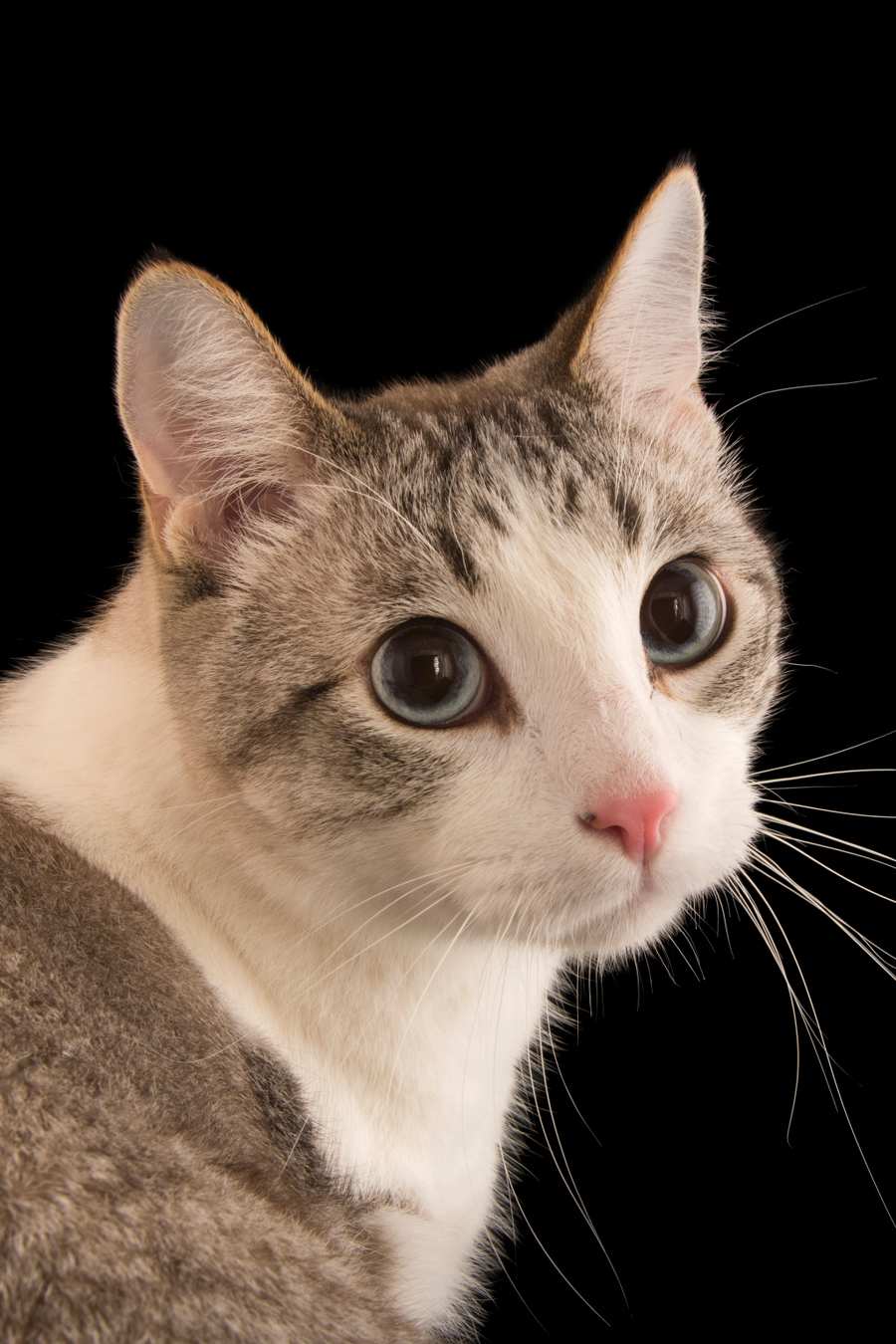
Crocodiles are generally not scared of cats, as their instincts and size differ vastly.
Crocodiles are fascinating creatures, often evoking a mix of awe and fear. Their physical prowess and predatory nature make them formidable animals in the wild. However, the question arises: Are crocodiles scared of cats? This inquiry might seem humorous at first glance, but it opens up a deeper discussion about animal behavior, instincts, and interspecies interactions.
Crocodiles have existed for millions of years, evolving into apex predators. Their size, strength, and hunting skills put them at the top of the food chain in their habitats. Cats, on the other hand, are small domesticated animals with different survival strategies. Understanding their relationship—if any—requires a closer look at both species’ behaviors.
The Natural Instincts of Crocodiles
Crocodiles are primarily driven by instinct. They have evolved to be highly effective hunters, relying on stealth and power to catch their prey. Their diet typically consists of fish, birds, and mammals that venture too close to the water’s edge. The sheer size difference between crocodiles and cats makes any potential interaction unlikely in natural settings.
Crocodiles possess an acute sense of hearing and sight. They can detect vibrations in the water from great distances. This sensitivity allows them to remain aware of their environment even in murky waters. Their hunting strategy involves waiting for unsuspecting prey to come near before launching a powerful attack.
The Size Factor
Size plays a crucial role in predator-prey dynamics. Adult crocodiles can grow up to 23 feet long or more, depending on the species. In contrast, domestic cats typically weigh between 5 to 20 pounds. The size disparity means that crocodiles view cats as insignificant threats or potential prey rather than something to fear.
In a hypothetical encounter between a crocodile and a cat, it’s clear who would hold the advantage. A cat’s agility might allow it to escape from larger predators like dogs or even coyotes; however, against a crocodile, it stands little chance.
Understanding Cat Behavior
Cats are known for their curious nature and independent behavior. They exhibit various responses when encountering unfamiliar animals or situations. Their instinct is usually to assess whether something poses a threat before deciding how to react.
When faced with larger animals like dogs or even wild boars, cats may display fear or aggression depending on their experience with such encounters. However, given that crocodiles inhabit specific environments—primarily freshwater bodies—cats rarely come into contact with them unless they venture too close to these habitats.
Cats vs. Other Predators
In the animal kingdom hierarchy, cats tend to avoid direct confrontations with larger predators when possible. They often rely on stealth and quick reflexes for survival rather than engaging in fights they cannot win. For instance:
| Animal | Typical Response |
|---|---|
| Dogs | Defensive posture or escape |
| Foxes | Curiosity followed by retreat |
| Crocodiles | Flight response if near water (unlikely) |
| Larger birds (eagles) | Hiding or climbing high places |
| Other cats (wild) | Aggression or territorial disputes |
Cats’ instinctual behaviors allow them to navigate threats effectively; however, they do not often face off against apex predators like crocodiles due to habitat differences.
The Habitat Divide: Where Crocodiles Live vs. Cats’ Environment
Crocodiles thrive in freshwater environments such as rivers, lakes, and swamps across tropical regions worldwide. Their habitats provide ample opportunities for hunting while also serving as breeding grounds.
Cats predominantly inhabit urban areas or homes but can also be found in rural settings where they hunt small rodents and birds for food. Given this habitat divide, encounters between these two species are rare but not impossible if domestic cats wander near water bodies where crocodiles reside.
Crocodile Behavior Around Other Animals
Crocodiles are known for being territorial when it comes to their habitats; they will defend their space from other large animals but tend not to engage smaller creatures unless threatened or hungry.
Interestingly enough:
- Crocodile Hatchlings: Young crocodiles may display caution around larger animals due to their vulnerability.
- Adult Crocodiles: Once mature, they exhibit confidence around smaller animals like birds or rodents without showing signs of fear.
This behavior indicates that while crocodiles possess an innate understanding of their environment and its inhabitants’ roles within it—including potential threats—they do not perceive smaller animals like cats as significant dangers.
The Role of Instincts in Animal Interactions
Instincts guide animal behavior across various situations involving potential threats or food sources. For both cats and crocodiles alike:
- Survival Mechanisms: Each species has developed unique strategies over time.
- Risk Assessment: Animals constantly assess risks posed by other creatures based on size differences and previous encounters.
For example:
- A cat may approach cautiously if it senses something nearby but will quickly retreat if it perceives danger.
- Conversely, a crocodile will remain hidden until its prey comes within striking distance rather than initiating an encounter with something as small as a cat.
These instincts highlight how evolution shapes behaviors tailored toward survival rather than unnecessary confrontations between species that don’t regularly interact.
The Mythology Surrounding Animal Fears
Throughout history, myths have arisen regarding animal fears—often exaggerated through storytelling or cultural beliefs about certain creatures being afraid of others based solely on size differences alone.
In popular culture:
- Cats Are Fearless: Cats are often portrayed as fearless hunters capable of taking down much larger foes.
- Crocodile Myths: Similarly exaggerated tales depict crocodiles as invincible beasts feared by all land-dwelling creatures without exception.
The reality is more nuanced; both animals have evolved traits suited specifically for their environments which dictate how they respond when faced with each other—or any other creature for that matter!
Crocodilian Diets: What Do They Really Eat?
Understanding what crocodilians consume provides insight into whether they might view cats as potential meals worth pursuing! Generally speaking:
- Primary Diet: Crocodilians primarily feast upon fish but also hunt birds and mammals that venture too close.
- Occasional Prey: While small mammals could be considered food items under specific circumstances—like when young—they typically wouldn’t target something so small unless absolutely necessary due to hunger levels!
The idea that an adult cat could pose any real threat seems far-fetched given this dietary preference coupled with its natural instincts guiding predator-prey dynamics effectively!
The Unique Relationship Between Humans And Crocodilians
Humans have long held fascination towards these reptiles leading many cultures worldwide developing deep-rooted beliefs surrounding them! From ancient Egypt’s reverence towards Sobek (the god represented through a crocodile) all through modern conservation efforts aimed at protecting endangered species—our interactions run deep!
Despite fears surrounding these creatures stemming from media portrayals showcasing them as aggressive hunters lurking beneath murky waters waiting patiently for unsuspecting victims—it’s important not forget our role within ecosystems!
Conservationists emphasize understanding rather than fear; educating communities about proper safety measures while respecting wildlife habitats ensures coexistence remains possible without unnecessary conflict arising!
Key Takeaways: Crocodiles and Cats
➤ Crocodiles’ Size Advantage: Adult crocodiles can grow over 23 feet long, making cats insignificant.
➤ Instinctual Behavior: Both species rely on instincts for survival, not fear of each other.
➤ Rare Encounters: Cats and crocodiles rarely meet due to their distinct habitats.
➤ Crocodile Diet: Crocodiles mainly eat fish and birds, not small animals like cats.
➤ Myth vs. Reality: Cultural myths often exaggerate fears between species based on size.
➤ Myth vs. Reality: Cultural myths often exaggerate fears between species based on size.
Frequently Asked Questions: Are Crocodiles Scared Of Cats?
Do crocodiles exhibit any fear towards cats in their natural habitats?
Crocodiles do not exhibit fear towards cats in their natural habitats. Their evolutionary traits position them as apex predators, primarily hunting larger prey. The size difference is significant; adult crocodiles can weigh over a thousand pounds, while domestic cats typically weigh between 5 to 20 pounds. This disparity means that crocodiles do not perceive cats as threats or competitors.
Additionally, crocodiles rely on instinctual behaviors for survival. They are more focused on hunting animals that pose a genuine threat to their territory or could be potential meals, like birds or small mammals. Therefore, encounters between these two species are rare and unlikely to result in fear.
How do crocodiles react to other small animals compared to cats?
Crocodiles generally do not react with fear to small animals, including cats. In fact, they often ignore smaller creatures unless they pose a direct threat or are within striking distance for a meal. Crocodiles are territorial and will defend their space from larger animals but tend not to engage smaller ones.
In the wild, crocodiles primarily focus on prey that provides substantial energy returns, such as fish or birds. While they may display caution around larger animals during certain interactions, this behavior does not extend to small animals like cats.
What habitats do crocodiles and cats typically occupy?
Crocodiles thrive in freshwater environments such as rivers, lakes, and swamps across tropical regions worldwide. These habitats provide them with ample opportunities for hunting and breeding. Conversely, domestic cats primarily inhabit urban areas and homes but can also be found in rural settings where they hunt small rodents.
This significant habitat divide contributes to the rarity of encounters between the two species. Cats rarely venture into the water bodies where crocodiles reside unless they wander too close to these environments.
Are there any documented interactions between crocodiles and cats?
Documented interactions between crocodiles and cats are exceedingly rare due to their different habitats and lifestyles. When such encounters occur, they often involve domestic cats wandering near water sources inhabited by crocodiles. In these situations, if a cat were to approach too closely, it would likely trigger a flight response from the cat rather than aggression from the crocodile.
Crocodilians generally do not see smaller animals like cats as prey unless under extreme circumstances of hunger. Most interactions remain anecdotal or confined to controlled environments such as zoos where both species might coexist under human supervision.
What role does instinct play in the behavior of crocodiles towards other animals?
Instinct plays a crucial role in how crocodiles behave around other animals. Their instincts guide them in assessing potential threats based on size and previous experiences with different species. Crocodiles have evolved as stealthy hunters; they will remain hidden until prey comes within striking distance rather than actively seeking out confrontations with smaller creatures like cats.
This instinctual behavior emphasizes survival over unnecessary conflict. It allows them to conserve energy while maintaining their position at the top of the food chain without engaging in encounters that offer little benefit.
Conclusion – Are Crocodiles Scared Of Cats?
In summary—crocodiles aren’t scared of cats! The vast differences in size combined with distinct habitats mean interactions rarely occur outside controlled environments like zoos where both species exist under human care!
While myths abound regarding animal fears stemming from exaggerated tales passed down generations—it’s essential recognize facts grounded firmly within scientific observations made over countless years studying these magnificent reptiles!
Both species possess unique traits shaped through evolution allowing them thrive within respective niches without engaging directly unless absolutely necessary! Understanding this dynamic fosters appreciation instead fear—a crucial step towards ensuring wildlife conservation efforts succeed long-term!