
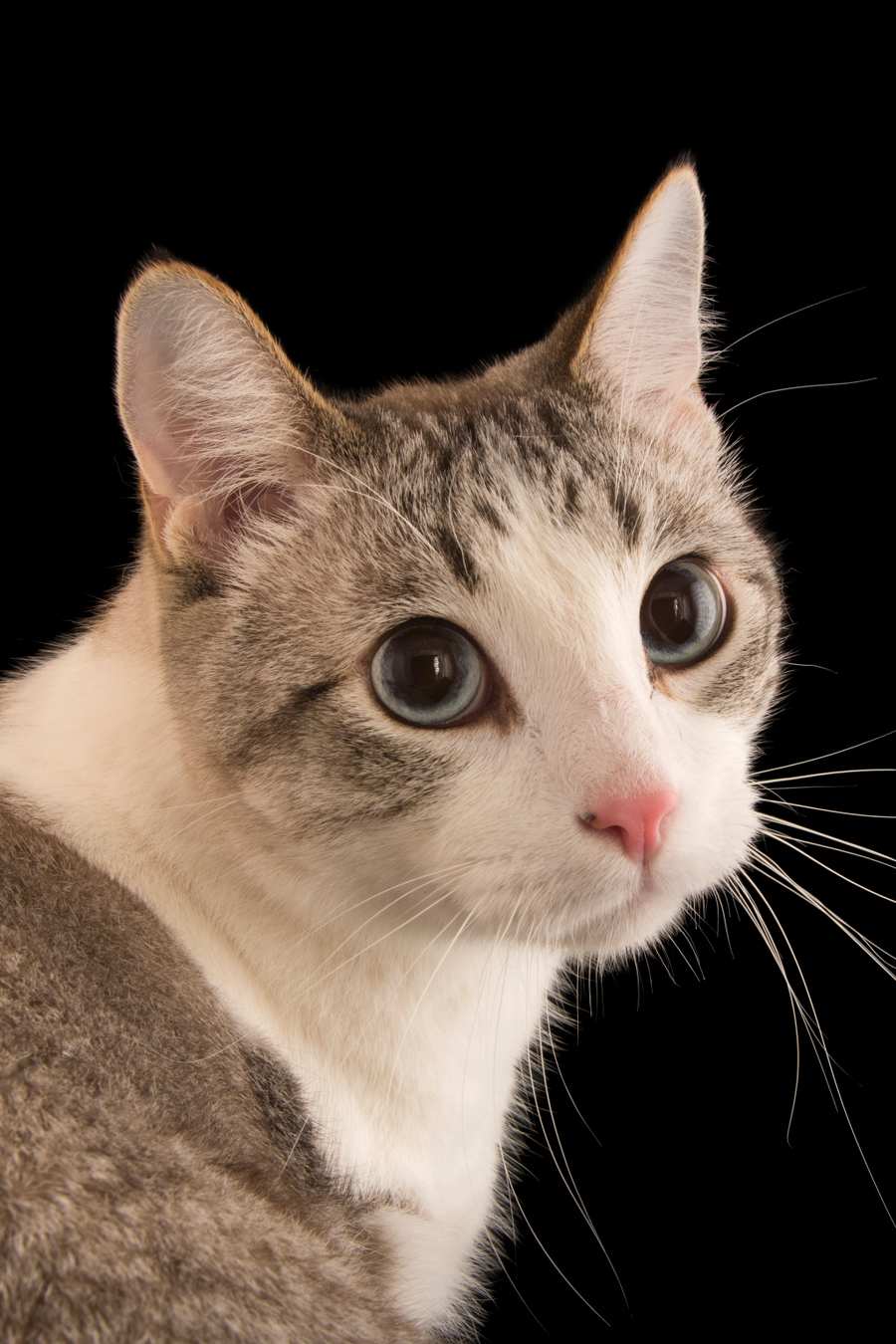
Clover mites are generally not harmful to cats, but they can cause irritation if ingested.
Clover mites, those minuscule creatures that can invade your garden, often raise questions among pet owners. The concern primarily revolves around their potential impact on beloved pets, particularly cats. Understanding these tiny pests and their interactions with our furry friends can help ease worries and promote better care.
What Are Clover Mites?
Clover mites (Bryobia praetiosa) are tiny arachnids belonging to the family Tetranychidae. They typically measure about 0.75 mm in length and have a reddish-brown color, making them somewhat hard to spot against green grass or leaves. They thrive in warm weather and are often seen during spring and fall when temperatures fluctuate.
These creatures feed on plant juices, preferring clover, grass, and other low-growing vegetation. While they can proliferate quickly in gardens and lawns, their presence is often more of a nuisance than a serious threat. Unlike some pests that bite or sting, clover mites do not pose significant health risks to humans or pets.
How Do Clover Mites Affect Cats?
Cats are naturally inquisitive creatures. Their curiosity may lead them to investigate or even nibble on clover mites if they encounter them while exploring the yard or garden. However, clover mites are not known to be toxic to cats. Most of the time, if a cat ingests a few clover mites, it may experience mild gastrointestinal upset, but serious reactions are rare.
The primary issue arises from the possibility of irritation. If a cat catches clover mites in its fur during playtime outdoors, it might experience some skin irritation due to the mite’s body fluids. This irritation is usually mild but can result in scratching or grooming behavior that could lead to further skin issues.
Signs of Irritation in Cats
It’s essential for pet owners to recognize signs of irritation that may arise from contact with clover mites:
- Scratching: Excessive scratching is often the first indicator that something is bothering a cat.
- Redness: Look for any redness or inflammation on the skin where mites may have been present.
- Grooming: Increased grooming behavior can signal discomfort.
- Behavioral Changes: If your cat seems more agitated or withdrawn than usual, it could be due to irritation.
If any of these signs appear after outdoor playtime, it may be worth checking for clover mites or other irritants.
Are Clover Mites Dangerous?
The question “Are clover mites harmful to cats?” often leads many pet owners into panic mode. The truth is that while clover mites can cause mild irritations and gastrointestinal upset if ingested in large quantities, they do not pose significant health risks.
To put things into perspective:
| Impact | Description |
|---|---|
| Mild Irritation | Cats may scratch at areas where clover mites have made contact. |
| Gastrointestinal Upset | If ingested in large amounts, cats might experience nausea or diarrhea. |
| No Toxicity | Clover mites do not contain toxins harmful to cats. |
It’s vital for cat owners to remain vigilant but not overly alarmed by the presence of these pests.
Preventing Clover Mite Infestations
Preventing clover mite infestations involves some basic garden maintenance practices that can help minimize their population around your home:
- Mow Regularly: Keeping grass short reduces hiding places for clover mites.
- Avoid Overwatering: Excess moisture attracts pests; ensure proper drainage in garden beds.
- Use Barriers: Planting barriers like marigolds can deter many pests from invading your garden.
- Pesticides: If infestations occur, consider using pet-safe pesticides as a last resort.
These preventive measures will help keep your garden healthy while reducing the likelihood of encountering clover mites.
Coping with Clover Mites: What Should You Do?
If you suspect your cat has come into contact with clover mites or has ingested them, there are several steps you can take:
1. Check Your Cat: Look for any signs of irritation on your cat’s skin and monitor its behavior closely.
2. Groom Your Cat: Use a gentle brush to remove any potential pests from its fur. This action reduces the chances of irritation.
3. Consult Your Veterinarian: If you notice persistent scratching or gastrointestinal issues after exposure to clover mites, consulting with a veterinarian may be wise.
4. Maintain Cleanliness: Regularly vacuuming your home and cleaning outdoor areas can help reduce pest populations.
Taking these steps ensures that both your cat remains happy and healthy while minimizing the impact of these tiny pests.
The Role of Diet in Managing Irritation
A balanced diet plays an essential role in maintaining overall health for cats. A strong immune system helps fend off minor irritants like clover mite exposure:
- High-Quality Protein: Cats thrive on protein-rich diets; consider high-quality meats as primary ingredients.
- Adequate Hydration: Always provide fresh water; hydration supports skin health.
- Additives: Omega-3 fatty acids found in fish oil can improve skin condition and reduce inflammation.
By focusing on nutrition alongside pest management strategies, pet owners can bolster their cat’s defenses against irritants.
The Importance of Regular Veterinary Check-Ups
Routine veterinary visits are crucial for monitoring your cat’s overall health and addressing potential issues before they escalate. During these check-ups:
- Vets can assess skin conditions related to irritants like clover mites.
- They provide vaccinations that bolster immunity against various ailments.
- Regular check-ups allow early detection of parasites or other health concerns.
Investing time in regular veterinary care contributes significantly to long-term feline well-being.
Clover Mites vs Other Common Pests
Clover mites aren’t the only pests that might concern pet owners; understanding how they compare with other common household pests is beneficial:
| Pest Type | Description | Potential Harm to Cats |
|---|---|---|
| Clover Mites | Tiny red-brown arachnids feeding on plant juices. | Mild irritation; no toxicity. |
| Ticks | Bigger blood-feeding parasites found in grassy areas. | Potentially dangerous; disease transmission possible. |
| Fleas | Tiny jumping insects causing itching and discomfort. | Irritation; potential for blood loss if infestation occurs. |
Understanding these differences helps prioritize pest control measures effectively while ensuring pet safety.
Key Takeaways: Clover Mites
➤ Clover mites are generally harmless to cats, causing mild irritation only.
➤ Gastrointestinal upset may occur if cats ingest a large quantity of mites.
➤ Signs of irritation include scratching, redness, and increased grooming behavior.
➤ Prevent infestations by mowing regularly and maintaining garden hygiene.
➤ Consult a veterinarian if your cat shows persistent signs of discomfort.
➤ Consult a veterinarian if your cat shows persistent signs of discomfort.
Frequently Asked Questions: Are Clover Mites Harmful To Cats?
What are the symptoms of clover mite irritation in cats?
Clover mites can cause mild irritation in cats, and it’s essential for pet owners to recognize the symptoms. The most common signs include excessive scratching, which can indicate discomfort. Additionally, look for redness or inflammation on the skin where the mites may have come into contact.
Increased grooming behavior can also signal that a cat is experiencing some irritation. If your cat appears more agitated or withdrawn than usual, it might be reacting to clover mites or other irritants. Monitoring these signs is crucial for ensuring your cat’s well-being.
Can clover mites transmit diseases to cats?
Clover mites are generally not known to transmit diseases to cats. These tiny pests do not carry pathogens that could lead to serious health issues in felines. Instead, their primary impact is mild irritation or gastrointestinal upset if ingested in large quantities.
While clover mites feed on plant juices, they do not bite or sting, which further reduces the risk of disease transmission. Therefore, pet owners can rest assured that clover mites pose minimal health risks to their cats.
How can I prevent my cat from coming into contact with clover mites?
Preventing your cat from coming into contact with clover mites involves maintaining a clean and well-kept garden environment. Regularly mowing your lawn helps reduce hiding spots for these pests. Avoiding overwatering is also crucial, as excess moisture can attract them.
You may consider planting barriers such as marigolds, which can deter many pests from invading your garden. If infestations occur, using pet-safe pesticides as a last resort can help manage their population effectively without harming your cat.
What should I do if my cat eats clover mites?
If your cat ingests clover mites, monitor its behavior closely for any signs of gastrointestinal upset, such as nausea or diarrhea. In most cases, eating a few clover mites will not result in severe reactions; however, if you notice persistent symptoms, it’s wise to consult your veterinarian.
Regular grooming can help remove any remaining pests from your cat’s fur and minimize skin irritation. Maintaining cleanliness around your home and outdoor areas will also reduce the likelihood of future encounters with these tiny pests.
Are there any long-term effects of clover mite exposure on cats?
Long-term effects of clover mite exposure on cats are minimal. Generally, these pests cause only mild irritations and do not contain toxins harmful to felines. The primary concern arises from potential skin irritation or gastrointestinal upset if ingested in large amounts.
By keeping an eye on your cat’s overall health and addressing any signs of irritation promptly, you can ensure that their interactions with clover mites remain safe and manageable over time.
Conclusion – Are Clover Mites Harmful To Cats?
In summary, addressing whether “Are Clover Mites Harmful To Cats?” reveals reassuring insights for pet owners. While these tiny pests may cause minor irritations if ingested or contacted by curious felines, they do not pose significant health risks. By maintaining proper garden hygiene and monitoring your cat’s health closely after outdoor activities, it’s possible to enjoy a pest-free environment without undue worry about clover mites affecting our furry companions.
In essence, knowledge is power when it comes to managing our pets’ interactions with nature’s little critters!