
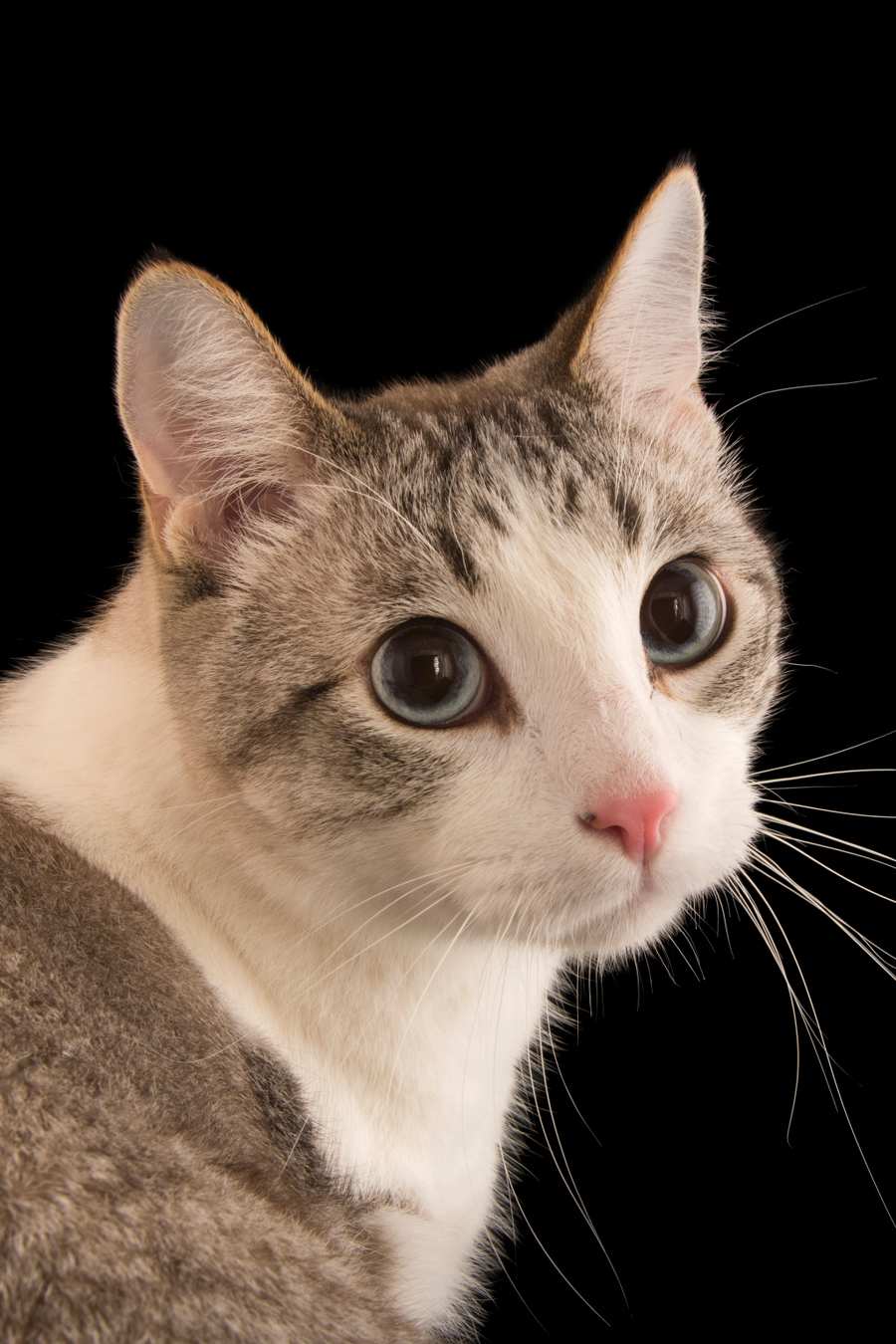
Corn leaves are not toxic to cats, but ingestion may cause mild gastrointestinal upset.
Understanding Corn and Its Parts
Corn, or maize, is a staple food in many cultures and is widely cultivated around the world. It’s not just the kernels that are of interest; the entire plant, including the leaves, stalks, and husks, plays a significant role in agriculture and animal husbandry. The leaves of corn plants are often overlooked, but they can be found in various settings, from farms to gardens. Understanding the composition of corn leaves can help determine their safety for pets like cats.
Corn leaves are primarily made up of cellulose and lignin, which are not digestible by cats. These components can lead to digestive issues if consumed in large quantities. However, they don’t contain any known toxic compounds that would pose a direct threat to a cat’s health. This is an important distinction because it means that while corn leaves aren’t inherently dangerous, they still might not be the best choice for feline friends.
Nutritional Composition of Corn Leaves
The nutritional profile of corn leaves is quite different from that of the corn kernels we’re familiar with eating. While kernels are rich in carbohydrates and provide energy, corn leaves are more fibrous and contain minimal nutritional value for cats. They’re low in protein and fat and do not provide essential nutrients that cats need for their overall health.
Here’s a brief overview of the nutritional composition of corn leaves:
| Nutrient | Amount per 100g |
|---|---|
| Calories | 50 kcal |
| Protein | 2 g |
| Fat | 0.5 g |
| Carbohydrates | 10 g |
| Fiber | 7 g |
| Vitamins (A, C) | Trace amounts |
| Minerals (Calcium, Iron) | Low levels |
Cats are obligate carnivores, meaning their diet should primarily consist of meat. The small amounts of protein found in corn leaves won’t meet their dietary needs. In fact, feeding them plant material like this could lead to digestive discomfort or even blockage if consumed excessively.
The Potential Risks of Ingesting Corn Leaves for Cats
While corn leaves themselves aren’t toxic to cats, there are still potential risks associated with them ingesting these fibrous plant materials. If a cat decides to nibble on some corn leaves out of curiosity or boredom, several issues might arise:
1. Gastrointestinal Upset: Cats may experience vomiting or diarrhea after consuming fibrous plant material like corn leaves due to their inability to digest it properly.
2. Choking Hazard: If large pieces are swallowed without chewing adequately, there’s a risk of choking or developing an obstruction in the digestive tract.
3. Pesticide Residue: If the corn was treated with pesticides or herbicides during its growth cycle, these chemicals could pose a risk if ingested by pets.
4. Allergic Reactions: Though rare, some cats may have allergies to certain plants or components within those plants. This could lead to skin irritations or gastrointestinal issues.
It’s crucial to monitor any unusual behavior in cats who may have ingested corn leaves or any other non-meat items.
Cats’ Natural Behavior Around Plants
Cats are naturally curious creatures; they often explore their environment by tasting various items around them—this includes houseplants and garden foliage. Some pet owners find their cats munching on grass or other green plants as part of this exploratory behavior.
While many houseplants can be toxic to cats—like lilies or philodendrons—corn leaves fall into a safer category regarding toxicity levels. Still, being cautious is always wise since each cat has unique preferences and reactions.
Providing safe alternatives for your cat’s chewing instincts can help mitigate any risks associated with them nibbling on potentially harmful plants. Cat grass (often wheatgrass) is an excellent substitute that offers similar textures without the dangers associated with other plants.
What To Do If Your Cat Eats Corn Leaves?
If it becomes apparent that a cat has eaten some corn leaves—either from your garden or from another source—there are steps you can take to ensure their well-being:
1. Observe Your Cat: Keep an eye on your feline friend for any signs of distress such as vomiting, lethargy, diarrhea, or lack of appetite.
2. Contact Your Veterinarian: If any concerning symptoms arise—or if you’re unsure about how much was consumed—reach out to your veterinarian for advice tailored specifically to your cat’s situation.
3. Keep Them Hydrated: Ensure fresh water is available at all times; hydration helps maintain digestive health.
4. Monitor Their Behavior: Sometimes behavioral changes can signal discomfort; if your cat seems unusually withdrawn or irritable after eating something unusual, consult your vet.
5. Prevent Future Incidents: Consider blocking access to areas where corn plants grow or using deterrent sprays on plants you want to keep safe from curious paws.
By staying vigilant about what your cat consumes and understanding their natural behaviors around plants like corn leaves, pet owners can help ensure their furry companions stay healthy and happy.
The Bottom Line on Corn Leaves and Cats’ Health
In summary, while it’s clear that corn leaves aren’t toxic to cats—meaning they won’t cause severe harm upon ingestion—it’s essential for pet owners to be aware of potential risks associated with consuming non-meat items. The fibrous nature of these leaves may lead to gastrointestinal upset if eaten in larger quantities; thus moderation is key when it comes down to what our pets snack on outside their regular diets.
Ultimately ensuring a balanced diet rich in protein will keep felines thriving while minimizing exposure risks related specifically back towards those curious munches on greenery such as those pesky yet harmless cornstalks!
Key Takeaways: Corn Leaves and Cats
➤ Corn Leaves Are Non-Toxic: They won’t cause severe harm if ingested.
➤ Potential Gastrointestinal Upset: Mild digestive issues may occur if eaten.
➤ Choking Hazards Exist: Large pieces can lead to choking or blockages.
➤ Pesticide Risks: Residues from treatments can pose health threats to cats.
➤ Cats’ Natural Curiosity: Monitor their behavior around plants for safety.
➤ Cats’ Natural Curiosity: Monitor their behavior around plants for safety.
Frequently Asked Questions: Are Corn Leaves Toxic To Cats?
Are corn leaves toxic to cats?
Corn leaves are not considered toxic to cats. This means that ingestion does not pose a direct threat to their health. However, while they are safe in small amounts, excessive consumption may lead to mild gastrointestinal upset. The fibrous nature of corn leaves makes them difficult for cats to digest, which can result in symptoms such as vomiting or diarrhea. It’s essential for pet owners to monitor their cats if they show interest in nibbling on corn leaves.
What should I do if my cat eats corn leaves?
If your cat has eaten corn leaves, the first step is to observe them closely. Look for any signs of distress like vomiting, diarrhea, or lethargy. If you notice any concerning symptoms or if you’re unsure how much was consumed, it’s advisable to contact your veterinarian for tailored advice. Keeping your cat hydrated is also crucial as water aids in digestion. Monitoring their behavior can provide insights into their well-being after ingestion.
Can corn leaves cause choking hazards for cats?
Yes, there is a potential choking hazard associated with corn leaves. If a cat consumes large pieces without chewing them properly, it may lead to choking or even an obstruction in the digestive tract. Cats are naturally curious and may nibble on various items, including plants. Therefore, it’s important for pet owners to ensure that any potentially hazardous items are kept out of reach and monitor their pets’ interactions with plants.
Are there any allergic reactions related to corn leaves in cats?
While rare, some cats may have allergic reactions to specific plants or components within those plants, including corn leaves. Symptoms can vary but might include skin irritations such as itching or rashes, as well as gastrointestinal issues like vomiting or diarrhea. If you suspect your cat is having an allergic reaction after consuming corn leaves or any other plant material, consult your veterinarian promptly for appropriate evaluation and treatment.
What alternatives can I provide my cat instead of corn leaves?
If you’re concerned about your cat’s interest in chewing on plants like corn leaves, consider providing safe alternatives such as cat grass. Cat grass is often composed of wheatgrass and offers a similar texture without the risks associated with non-meat items. These alternatives allow your cat to satisfy their natural chewing instincts while minimizing the chance of gastrointestinal upset from fibrous plant materials like corn leaves.
Conclusion – Are Corn Leaves Toxic To Cats?
To wrap things up regarding whether “Are Corn Leaves Toxic To Cats?”—they simply aren’t toxic but should be treated with caution due mainly because they lack nutritional benefits necessary for feline health! Being mindful about what our furry friends eat helps protect them from potential discomfort while allowing us peace-of-mind knowing we’re doing everything possible towards keeping them safe!